

Are you looking for a simple way to reduce waste and keep your food fresh? Biodegradable food wraps could be the answer you’ve been searching for.
These eco-friendly alternatives to plastic wrap are easy to use, gentle on the environment, and perfect for your kitchen needs. But to get the best results, there are some smart tips you should know. Keep reading, and you’ll discover how to make the most of biodegradable food wraps, saving money and helping the planet at the same time.
Choosing The Right Biodegradable Wrap
Biodegradable food wraps are an eco-friendly choice. They help reduce plastic waste. Selecting the right one is important for your needs.
This guide will help you understand the different types. You will also learn about the benefits and where to buy them.
Types Of Biodegradable Wraps
There are several types of biodegradable wraps. Each type is made from different materials.
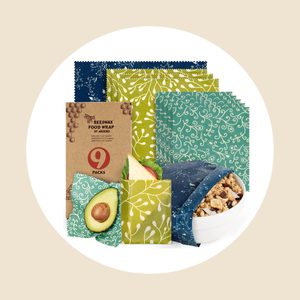
- Beeswax wraps: Made from cotton infused with beeswax.
- Plant-based wraps: Use materials like corn or soy.
- Compostable wraps: Often made from cellulose.
Material Benefits
Biodegradable wraps offer many benefits. They are better for the environment and safe for food.
- Beeswax wraps: Natural, reusable, and breathable.
- Plant-based wraps: Renewable resources, compostable.
- Compostable wraps: Break down quickly, low environmental impact.
Where To Buy
You can find biodegradable wraps in many places. They are available both online and in stores.
- Online retailers: Check eco-friendly shops.
- Local grocery stores: Some carry sustainable options.
- Specialty stores: Focus on zero-waste products.

Credit: www.naturebeewraps.ca
Proper Storage Techniques
Using biodegradable food wraps is a smart way to protect your food and the planet. Proper storage helps keep food fresh and safe to eat.
Understanding how to store food with these wraps can reduce waste and keep flavors intact for longer.
Keeping Food Fresh Longer
Biodegradable wraps help lock in moisture and prevent air exposure. This slows down food spoilage and keeps freshness.
Wrap food tightly without leaving gaps. Store wrapped items in a cool, dry place or in the fridge depending on the food type.
- Wrap fruits and vegetables gently to avoid bruising
- Use wraps to cover cut fruits and cheese to keep them moist
- Store wrapped food in airtight containers for extra protection
Avoiding Cross-contamination
Always use fresh wraps for different food items. Reusing wraps can transfer bacteria and cause contamination.
Wrap raw foods separately from cooked or ready-to-eat foods to keep them safe. Label wrapped items if needed.
- Keep raw meat and seafood wrapped separately
- Use separate wraps for fruits and vegetables
- Wash hands before and after handling wraps and food
Wrapping Different Food Types
Different foods need different wrapping methods. Soft foods need gentle wrapping, while firm foods require tighter wraps.
Use more wraps for juicy foods to avoid leaks. Wrap dry foods lightly to let them breathe and stay crisp.
- Wrap sandwiches and cheese tightly to keep moisture in
- Cover leafy greens loosely to allow airflow
- Use extra layers for marinated or wet foods
Cleaning And Reusing Wraps
Biodegradable food wraps help reduce plastic waste. Cleaning and reusing them saves money and the environment.
Proper care keeps wraps fresh and safe for food. Follow simple tips to clean and reuse these wraps well.
Safe Washing Methods
Clean wraps gently with cool water and mild soap. Avoid hot water to keep wraps from melting or shrinking.
Use a soft cloth or sponge to wash off food residue. Do not scrub hard, or the wrap may tear.
- Rinse wrap in cool or lukewarm water
- Use mild soap without harsh chemicals
- Gently wipe with a soft cloth or sponge
- Air dry completely before storing
- Do not put wraps in the dishwasher or washing machine
Maximizing Lifespan
Store wraps in a cool, dry place away from sunlight. Heat and light can damage the material over time.
Use wraps only for foods that are not too wet or oily. This helps prevent stains and odors.
- Keep wraps away from heat sources
- Fold loosely to avoid creases and cracks
- Use on dry or lightly moist foods
- Store wraps flat or rolled, not crushed
- Replace wraps if they lose stickiness or flexibility
Signs To Replace
Check wraps for tears, holes, or cracks before use. Damaged wraps cannot protect food well.
If wraps smell bad or have stains that won’t wash out, it is time to replace them.
- Tears or holes in the wrap
- Loss of stickiness or flexibility
- Persistent stains or odors
- Material feels dry or brittle
- Wrap no longer seals food tightly
Composting Biodegradable Wraps
Biodegradable food wraps break down naturally. Composting them helps reduce waste.
Proper composting turns wraps into useful soil. It supports plant growth and nature.
Home Composting Tips
Check if your wrap is safe for home compost. Some need special conditions to break down.
Cut wraps into small pieces. This helps microbes decompose them faster in your bin.
- Keep compost moist but not wet
- Turn compost regularly for air flow
- Avoid adding too many wraps at once
- Mix wraps with food scraps and yard waste
Commercial Composting Options
Some wraps need commercial composting facilities. These have higher heat and special microbes.
Find local composting centers that accept biodegradable wraps. They handle waste safely.
- Ask if they accept your wrap type
- Drop off wraps with other compostables
- Follow facility guidelines for preparation
Environmental Impact
Composting biodegradable wraps reduces landfill waste. It lowers greenhouse gas emissions.
Proper composting returns nutrients to soil. It supports healthy plants and ecosystems.
- Less plastic pollution in nature
- Improved soil quality and moisture
- Reduced need for chemical fertilizers
Integrating Wraps Into Daily Routine
Biodegradable food wraps are easy to use every day. They help keep food fresh without plastic waste.
Adding these wraps to your routine saves money and protects the environment. Small changes make a big impact.
Meal Prep Hacks
Use biodegradable wraps to cover bowls and plates during meal prep. They keep food fresh and reduce plastic use.
Wrap cut fruits and vegetables to keep them crisp. You can also cover sandwiches and snacks before storing.
- Cover leftovers instead of plastic wrap
- Wrap cheese to keep it moist
- Keep herbs fresh by wrapping them lightly
Lunch Packing Ideas
Use biodegradable wraps to pack lunches. They are flexible and easy to clean for daily use.
Wrap sandwiches, fruits, and snacks to keep them fresh. This reduces the need for plastic bags or containers.
- Wrap sandwiches tightly to prevent crumbs
- Cover cut fruits to keep them juicy
- Use wraps for cheese or nuts instead of plastic bags
Reducing Plastic Waste
Switching to biodegradable wraps cuts down plastic waste at home. They break down naturally and do not harm the planet.
Using reusable wraps means less plastic trash in landfills and oceans. It helps keep the environment clean.
- Choose wraps made from natural materials like beeswax
- Wash and reuse wraps to avoid single-use plastics
- Dispose of wraps properly so they compost well
Credit: www.tasteofhome.com

Credit: xoxobella.com
Frequently Asked Questions
What Are Biodegradable Food Wraps Made Of?
Biodegradable food wraps are typically made from natural materials like beeswax, cotton, and plant-based oils. These materials are eco-friendly and decompose easily. They provide a sustainable alternative to plastic wraps, reducing environmental impact while keeping food fresh.
How Do I Clean Biodegradable Food Wraps Properly?
To clean biodegradable wraps, use cool water and mild soap. Avoid hot water, which can damage the wrap’s coating. Gently hand wash and air dry. Proper cleaning extends their lifespan and keeps them hygienic for repeated use.
Can Biodegradable Food Wraps Keep Food Fresh Longer?
Yes, biodegradable wraps help retain moisture and prevent air exposure. This slows food spoilage and keeps items like fruits and vegetables fresh. Their breathable nature also avoids condensation, maintaining optimal freshness without plastic waste.
Are Biodegradable Food Wraps Safe For All Food Types?
Biodegradable wraps are safe for most foods except raw meat or fish. They may absorb odors or bacteria from raw items. Use separate wraps for these and always clean after use to ensure food safety.
Conclusion
Using biodegradable food wraps helps protect the planet and your food. They keep food fresh without harmful plastics. Remember to clean wraps gently and reuse them often. Store them properly to last longer. Small actions like these reduce waste daily.
Choose eco-friendly wraps to support a greener lifestyle. Simple steps make a big difference over time. Try these tips for easy, sustainable food storage. Your efforts help create a cleaner environment for everyone.