
Are you tired of constantly throwing away plastic wrap that harms the environment and clutters your kitchen? Choosing the right reusable food wraps can make a huge difference for your health, your wallet, and the planet.
But with so many options out there, how do you know which one fits your needs best? You’ll discover simple tips to help you pick the perfect reusable food wrap that keeps your food fresh and your conscience clear. Keep reading—your future self will thank you.

Credit: www.walmart.com
Benefits Of Reusable Food Wraps
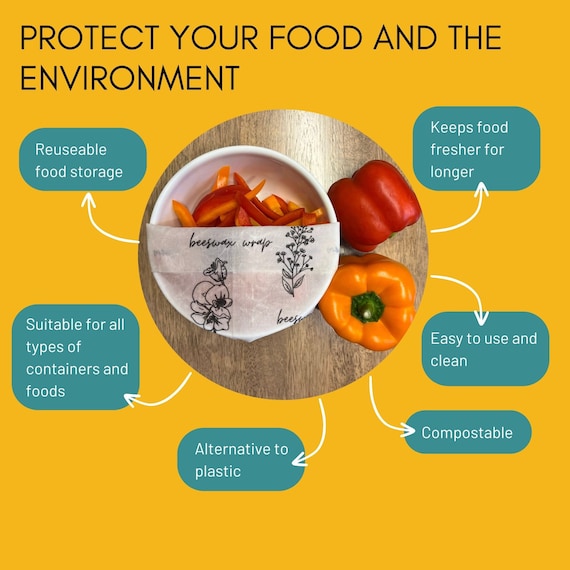
Reusable food wraps offer many advantages for people and the planet. They are practical, eco-friendly, and can help you save money.
Learn how choosing reusable wraps can positively impact the environment, your wallet, and your health.
Environmental Impact
Reusable wraps help reduce plastic waste. They are often made from natural materials like beeswax and cotton.
Using them decreases the demand for single-use plastics, which take years to decompose in landfills.
- Less plastic waste in oceans and landfills
- Fewer resources used in production
- Lower carbon footprint
Cost Savings
Reusable wraps can save you money over time. You buy them once and use them again and again.
This reduces the need to purchase single-use products like plastic wrap or foil.
| Item | Cost Savings |
| Plastic wrap | Reusable wraps replace many rolls |
| Aluminum foil | Less needed for food storage |
Health Advantages
Reusable wraps often use safe, natural materials. They avoid harmful chemicals found in some plastics.
Using them can help keep your food fresh and free from toxins.
- Non-toxic materials like beeswax
- No leaching of chemicals
- Fresh food storage
Credit: www.etsy.com
Types Of Reusable Food Wraps
Reusable food wraps help keep food fresh without waste. They are good for the environment.
There are different types of reusable wraps. Each type has its own features and uses.
Beeswax Wraps
Beeswax wraps are made from cotton cloth coated with beeswax. They are sticky and mold around food.
They are great for wrapping sandwiches, cheese, and fruits. Beeswax wraps are breathable and keep food fresh.
- Natural and biodegradable
- Reusable for up to one year
- Clean with cold water only
- Do not use for raw meat
Silicone Wraps
Silicone wraps are stretchy and flexible. They can cover bowls or wrap food tightly.
These wraps are waterproof and easy to clean. They work well in the freezer and microwave.
- Durable and long-lasting
- Dishwasher safe
- Non-toxic and food safe
- Good for wet or dry foods
Fabric Wraps
Fabric wraps are made from cotton or linen. They often have a waterproof layer inside.
They can wrap bread, snacks, or cover containers. Fabric wraps are soft and washable.
- Machine washable
- Lightweight and breathable
- Available in many designs
- Best for dry foods
Other Eco-friendly Materials
Some reusable wraps use materials like plant-based plastics or recycled fabrics. They aim to reduce waste.
These wraps may combine natural fibers with biodegradable coatings. They offer more options for eco-conscious users.
- Compostable or recyclable
- Safe for different food types
- Varied durability and care needs
- Often handmade or small batch
Factors To Consider When Choosing Wraps
Reusable food wraps help keep food fresh and reduce waste. Picking the right wrap means thinking about key features.
These features affect how safe, useful, and easy your wraps will be in daily use.
Material Safety
Make sure the wrap uses safe materials that do not harm food or health. Natural and non-toxic materials are best.
Check if the wrap is free from harmful chemicals like BPA or phthalates. Food-safe certification is a plus.
Durability And Longevity
Look for wraps that last through many uses. Strong materials save money and reduce waste.
A durable wrap resists tears, holes, and wear from regular use.
- Can the wrap handle cold and warm temperatures?
- Is it resistant to stretching and breaking?
- Will it keep its grip after many uses?
Ease Of Cleaning
Choose wraps that are easy to clean by hand or machine. Cleaning should not damage the wrap.
Some wraps wipe clean quickly. Others may need gentle washing with mild soap.
- Can you wash it in warm water?
- Does it dry quickly to avoid smells?
- Is it reusable without losing quality?
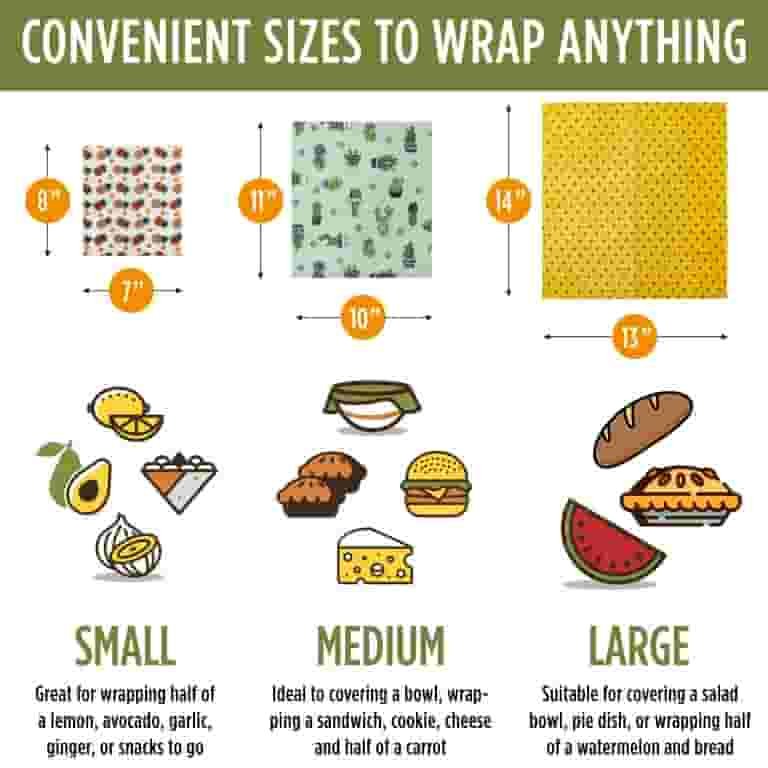
Size And Shape Options
Different foods need different wrap sizes and shapes. Having options helps wrap all kinds of items.
Look for wraps that come in squares, rectangles, or special shapes for bowls and snacks.
- Small wraps for snacks and cut fruits
- Medium wraps for sandwiches and bread
- Large wraps for bowls and big containers
Tips For Using And Maintaining Wraps
Reusable food wraps help reduce waste and keep food fresh. To get the best use, you need to care for them properly.
Good habits will make your wraps last longer and work better every time you use them.
Proper Cleaning Techniques
Clean your reusable wraps gently to keep their coating safe. Avoid harsh chemicals and hot water.
Use mild soap and cool or lukewarm water. Gently wipe or rinse the wraps after use.
- Do not use dishwashers or washing machines
- Do not soak wraps for a long time
- Air dry completely before storing
Storage Suggestions
Store your wraps in a dry, cool place. Keep them away from direct sunlight to avoid damage.
Fold or roll wraps loosely to keep their shape and stickiness. Avoid sharp folds that can crack the material.
- Use a clean container or drawer for storage
- Keep away from heat sources like ovens or radiators
- Do not store wraps near strong-smelling foods
Avoiding Common Mistakes
Do not use reusable wraps on hot foods or in the microwave. Heat can melt the wrap or reduce its lifespan.
Avoid using sharp knives on the wraps. Cuts can cause tears that make the wrap unusable.
- Do not wash wraps with bleach or strong detergents
- Do not use wraps for raw meat unless washed properly afterward
- Do not over-stretch or pull the wraps hard
Where To Buy Quality Reusable Wraps
Reusable food wraps help reduce plastic waste. Choosing good wraps means picking safe and durable materials.
You can find reusable wraps in many places. This guide shows where to buy quality wraps for your kitchen.
Online Retailers
Online shops offer many reusable wrap brands and styles. You can compare prices and reviews easily.
Look for wraps made with natural materials like beeswax or plant-based wax. Check if they are non-toxic and washable.
- Read customer reviews for quality and durability
- Choose sellers with clear product details
- Check shipping options and return policies
Local Eco-friendly Stores
Local eco-friendly shops often sell reusable wraps. You can see and touch the wraps before buying.
These stores usually focus on sustainable products. Staff can help you choose the right size and type.
- Visit zero-waste or health food stores
- Ask about material sources and care tips
- Support local businesses with eco goals
Diy Options
Making your own reusable wraps is a creative choice. You can control the materials and size to fit your needs.
DIY wraps usually use cotton fabric and beeswax. You need simple tools like an iron and parchment paper.
- Use clean cotton or linen fabric
- Apply natural beeswax or plant wax
- Heat wax to coat fabric evenly
- Let wraps dry and harden before use

Credit: www.honeyrunfarm.com
Frequently Asked Questions
What Materials Are Best For Reusable Food Wraps?
The best materials are beeswax, silicone, and cotton with a wax coating. These options are eco-friendly, durable, and non-toxic. They keep food fresh and are easy to clean, making them ideal for sustainable food storage.
How Do I Clean Reusable Food Wraps Properly?
Clean wraps with cool water and mild soap. Avoid hot water, which can melt wax coatings. Let them air dry completely before storing. Proper cleaning extends their lifespan and keeps them hygienic for repeated use.
Are Reusable Food Wraps Safe For All Food Types?
Yes, reusable wraps are safe for most foods like fruits, vegetables, cheese, and sandwiches. Avoid wrapping raw meat or fish to prevent contamination. Always follow the manufacturer’s guidelines for best use and safety.
How Long Do Reusable Food Wraps Typically Last?
Reusable food wraps usually last 6 months to 1 year with proper care. Their lifespan depends on material quality and maintenance. Regular cleaning and gentle handling help maximize durability and effectiveness.
Conclusion
Choosing the right reusable food wrap saves money and helps the planet. Think about what you store and how you use the wraps daily. Check materials for safety and ease of cleaning. Pick wraps that fit your lifestyle and food habits well.
Small changes add up to big benefits over time. Start with one type and see how it works for you. Care for your wraps properly to make them last longer. Enjoy fresh food and less waste every day.