
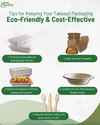
Are you looking for simple ways to reduce waste and protect the environment? Using biodegradable containers can be a great start.
But do you know how to use them correctly to get the most benefits? You’ll discover easy tips that help you make the best choice, store food safely, and dispose of these containers the right way. Keep reading to learn how small changes in your daily routine can make a big difference for the planet—and for you.
Choosing The Right Containers
Biodegradable containers are better for the environment. They break down naturally over time.
Choosing the right container is important. It depends on what you need it for.
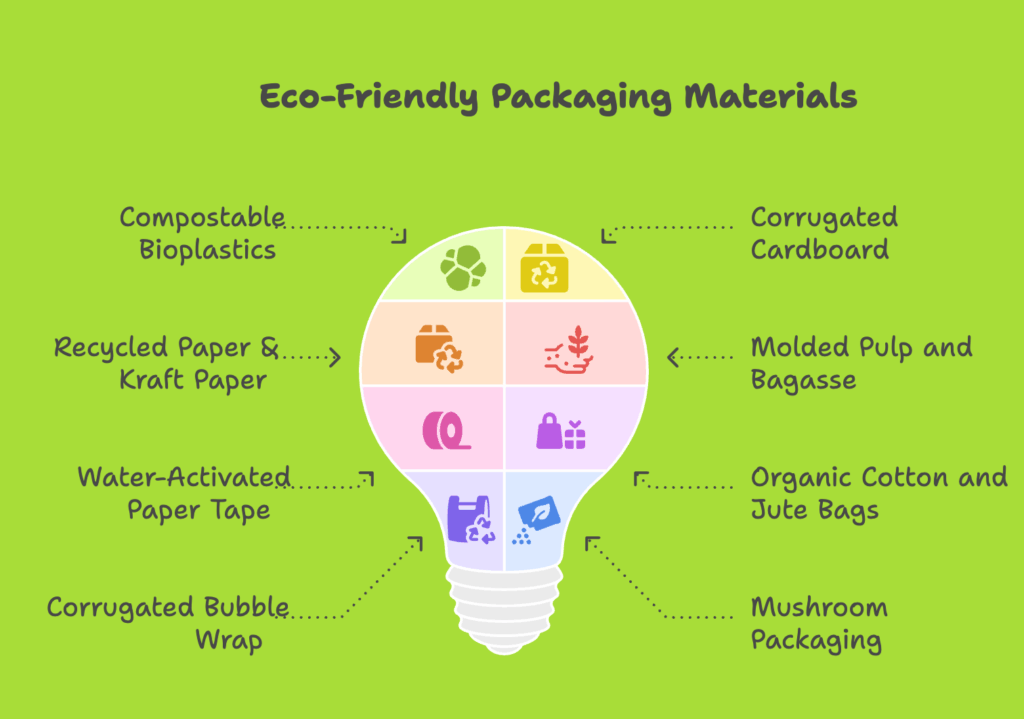
Types Of Biodegradable Materials
There are different types of biodegradable materials. Each has unique features.
Some common materials include paper, bagasse, and PLA. They are popular for various uses.
- Paper is light and easy to use.
- Bagasse comes from sugarcane waste.
- PLA is made from plant-based resources.
Durability And Use Cases
Durability is a key factor in choosing containers. Some are stronger than others.
Use cases vary based on container strength. Consider what you will store inside.
| Material | Durability | Use Case |
| Paper | Low | Snacks, dry items |
| Bagasse | Medium | Takeout, wet foods |
| PLA | High | Hot and cold drinks |
Proper Storage Techniques
Biodegradable containers need careful storage to keep them strong. Proper storage helps stop damage and keeps containers ready to use.
Good storage protects containers from moisture and wrong temperatures. These factors can break down the material too fast.
Avoiding Moisture Damage
Moisture can make biodegradable containers soft and weak. Keep containers in dry places to avoid this problem.
Use shelves or pallets to keep containers off wet floors. Cover them with plastic sheets if humidity is high.
- Store in well-ventilated rooms
- Use moisture absorbers if needed
- Check containers regularly for damp spots
- Keep containers away from water sources
Optimal Temperature Conditions
Heat speeds up the breakdown of biodegradable containers. Store them in cool places to keep them stable.
Avoid direct sunlight and hot areas like near ovens or heaters. Cooler temperatures extend the container’s life.
- Keep storage areas between 15°C and 25°C (59°F to 77°F)
- Avoid places with temperature changes
- Use temperature control if possible
- Do not freeze containers, as this can cause damage
Extending Container Lifespan
Biodegradable containers break down over time. You can use them longer with good care.
Taking simple steps helps keep containers strong and usable. This lowers waste and saves money.
Cleaning Without Harsh Chemicals
Harsh chemicals can damage biodegradable containers. Use gentle cleaning methods instead.
Warm water and mild soap work well. Avoid bleach or strong detergents that break down materials.
- Rinse containers right after use to avoid stains
- Use a soft sponge or cloth to clean surfaces
- Air dry containers fully before storing
Safe Reuse Practices
Reuse containers carefully to extend their life. Check for cracks or damage before each use.
Keep containers away from heat or sunlight. Store them in a cool, dry place to avoid warping.
- Do not use containers for very hot foods or liquids
- Limit reuse to similar types of food to avoid contamination
- Replace containers when they start to break down
Credit: greenworksbio.com
Disposal And Composting Tips
Using biodegradable containers helps reduce plastic waste. Knowing how to dispose of them properly is important.
Composting is a great way to turn these containers into useful soil. This guide will help you manage disposal and composting.
Recognizing Compostable Labels
Look for labels that show the container is compostable. These labels tell you if the product breaks down safely.
Common labels include “compostable,” “biodegradable,” and certification logos. These symbols guide proper disposal.
- Check for certification logos like the “Compostable” or “OK Compost” marks
- Read the label to see if it says home compostable or industrial compostable
- Avoid containers without clear composting information
Setting Up Home Composting
You can compost biodegradable containers at home with the right setup. Start with a compost bin or pile.
Keep the compost moist and turn it regularly. This helps containers break down faster and create rich soil.
- Choose a dry, shaded spot for your compost bin
- Cut containers into smaller pieces to speed decomposition
- Add green waste like food scraps and brown waste like leaves
- Turn the compost every week to add air
- Keep the pile damp but not soaked
- Wait a few months for the material to become dark and crumbly soil
Creative Reuse Ideas
Biodegradable containers are great for the environment. You can reuse them in fun and useful ways.
Reusing these containers helps reduce waste and saves money. Try these simple ideas at home.
Diy Plant Pots
Use biodegradable containers as small plant pots. They are perfect for seedlings and herbs.
These pots break down in soil, so you can plant them directly. This helps young roots grow strong.
- Fill the container with soil and seeds
- Place in a sunny spot indoors or outside
- Water the soil gently to keep it moist
- Plant the whole container in the garden when ready
Organizing Household Items
Biodegradable containers can hold small items like buttons, screws, or office supplies.
Use them to keep your space tidy and find things easily. Label each container for quick access.
- Store craft supplies in different containers
- Use containers to separate drawer items
- Keep small kitchen items like spices or tea bags
- Stack containers to save space on shelves

Credit: www.fsmithandson.co.uk
Shopping Smart For Biodegradable Options
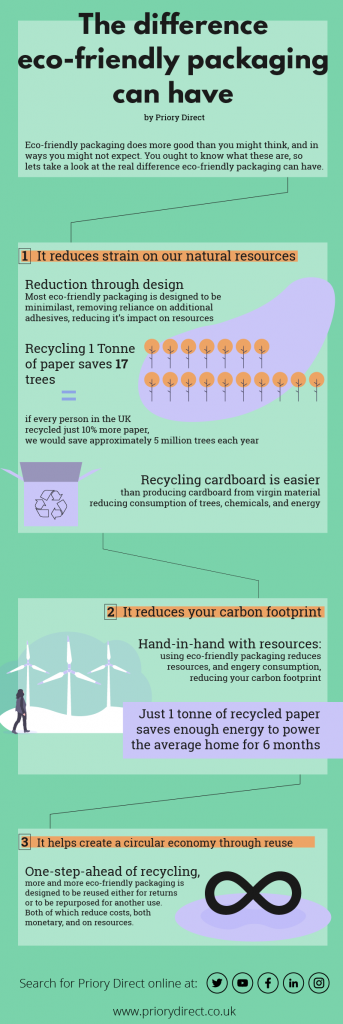
Choosing biodegradable containers helps reduce waste and protect the environment. It is important to shop wisely to find the best options.
Look for containers made from natural materials that break down quickly. Avoid plastics that take years to decompose.
Reading Product Certifications
Check product labels for certifications that show they are truly biodegradable. These labels help you trust the product quality.
Certifications come from trusted organizations that test how fast products break down and if they are safe for nature.
- Look for “Compostable” or “Biodegradable” marks
- Check for certifications like ASTM D6400 or EN 13432
- Beware of vague claims without proof
- Choose products with clear, verified labels
Supporting Sustainable Brands
Buy from brands that care about the environment. These brands use eco-friendly materials and fair practices.
Sustainable brands often share how they make products and reduce waste. Supporting them helps the planet and encourages better business.
- Look for brands with clear sustainability goals
- Choose companies that use recycled or natural materials
- Support brands that reduce packaging waste
- Pick businesses that give back to the environment
Credit: www.priorydirect.co.uk
Frequently Asked Questions
What Are The Benefits Of Using Biodegradable Containers?
Biodegradable containers reduce plastic waste and pollution. They break down naturally, improving soil health. Using them supports sustainability and eco-friendly practices in daily life.
How Long Do Biodegradable Containers Take To Decompose?
Biodegradable containers typically decompose within months to a few years. The exact time depends on material type and environmental conditions like temperature and moisture.
Can Biodegradable Containers Be Used For Hot Foods?
Yes, many biodegradable containers safely hold hot foods. Check product labels to ensure heat resistance and avoid containers not designed for high temperatures.
Are Biodegradable Containers Compostable At Home?
Some biodegradable containers are suitable for home composting. Verify product details, as others require industrial composting facilities for proper breakdown.
Conclusion
Choosing biodegradable containers helps protect our planet. They break down faster and reduce waste. Use them properly to get the best results. Avoid mixing with regular trash to keep recycling effective. Small changes make a big difference over time. Everyone can help by making smart choices daily.
Keep learning and sharing eco-friendly tips with others. Together, we create a cleaner and greener future. Simple steps lead to lasting impact.