
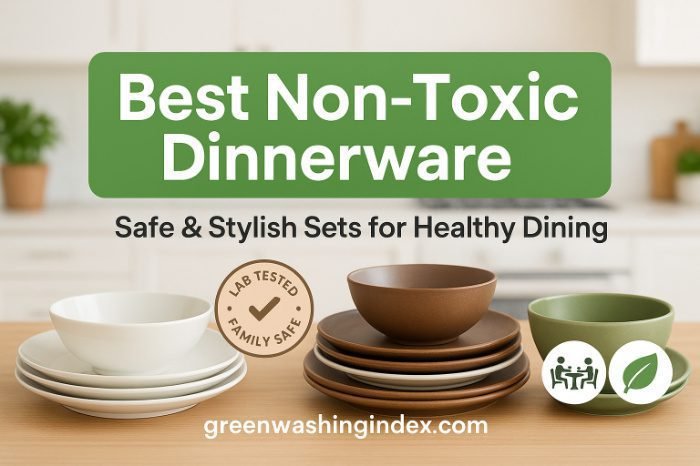
Are you ready to make a simple change that can have a big impact? Switching to sustainable plates is easier than you think, and it helps protect the planet while keeping your meals stylish.
Imagine enjoying your favorite foods knowing you’re reducing waste and supporting a healthier environment. You’ll discover practical tips that fit right into your daily routine. Keep reading to find out how small choices with your plates can lead to big benefits for you and the world around you.
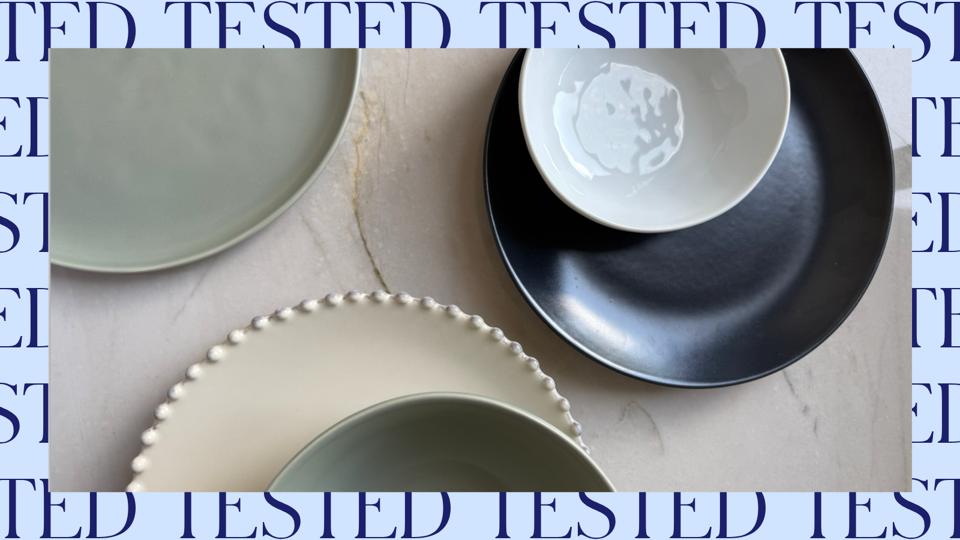
Credit: www.forbes.com
Benefits Of Sustainable Plates
Sustainable plates are good for the environment and your health. They also save money over time.
Switching to eco-friendly plates can make a big difference. Let’s explore the benefits.
Environmental Impact
Sustainable plates reduce waste. They are often made from renewable materials.
Using them helps protect our planet. It means less plastic in oceans and landfills.
- Biodegradable options break down naturally
- Recyclable plates can be reused as new products
- Lower carbon footprint than traditional plates
Health Advantages
Sustainable plates are often free from harmful chemicals. This makes them safer for eating.
They can also be better for your health. They reduce exposure to toxins.
- No harmful plastics leaching into food
- Made from natural, safe materials
- Allergen-free options available
Cost Savings Over Time
Sustainable plates can save money in the long run. They are durable and often reusable.
While the initial cost may be higher, they last longer. This reduces the need to buy new plates often.
- Reusable plates cut down on replacement costs
- Durable materials mean fewer breaks
- Bulk buying can lower costs further
Choosing The Right Materials
Switching to sustainable plates helps reduce waste and protect the environment. Choosing the right material is key for durability and eco-friendliness.
Look for options that balance usability, cost, and impact on nature. This guide covers common materials used in sustainable plates.
Bamboo And Wood Options
Bamboo and wood plates are natural and compostable. Bamboo grows fast, making it a renewable resource.
Wood plates offer a sturdy feel and can be reused several times. Both options break down easily after use.
- Bamboo plates are lightweight and water-resistant
- Wood plates have a rustic look and are durable
- Both materials are biodegradable and chemical-free
- Ideal for picnics, parties, and everyday use
Recycled And Biodegradable Plates
Plates made from recycled paper or plant fibers reduce landfill waste. They break down faster than plastic plates.
Look for plates labeled compostable or biodegradable. These plates are safe for home compost bins.
- Recycled paper plates use less energy to make
- Biodegradable options often come from corn or sugarcane
- Both types reduce plastic use
- Good for single-use with low environmental impact
Ceramic And Glass Alternatives
Ceramic and glass plates last a long time and can be reused many times. They do not harm the environment when cared for properly.
These materials are heavier and need careful handling but reduce waste greatly over time.
- Ceramic plates come in many styles and colors
- Glass plates are easy to clean and dishwasher safe
- Both options avoid single-use waste
- Ideal for home or office use
Simple Swaps For Everyday Use
Switching to sustainable plates helps reduce waste and protect the environment. Small changes in your daily routine can make a big difference.
Using eco-friendly plates is easy and affordable. You only need a few simple swaps to get started.
Replacing Disposable Plates
Disposable plates create a lot of trash. Swap them for reusable or compostable plates instead.
Look for plates made from bamboo, palm leaves, or recycled materials. These break down naturally and do less harm.
- Buy bamboo or palm leaf plates for picnics
- Choose compostable plates certified by trusted labels
- Avoid plastic-coated or foam plates
Using Reusable Plates For Parties
Parties often use many disposable plates. Instead, use durable plates you can wash and reuse.
Choose plates made of ceramic, glass, or sturdy plastic. They look nice and last a long time.
- Plan enough plates for your guests to reuse
- Have a washing station ready for quick clean-up
- Consider renting plates for large events
Packing Eco-friendly Lunches
Use reusable plates or containers for your lunch. This cuts down on single-use waste every day.
Look for lightweight, leak-proof containers made from stainless steel or BPA-free plastic.
- Pack food in reusable containers instead of disposable bags
- Bring reusable cutlery and napkins
- Choose compact plates that fit in lunch bags
Cleaning And Maintenance Tips
Switching to sustainable plates is a great choice for the environment. Proper care helps keep these plates clean and lasts longer.
Follow simple cleaning and maintenance tips to protect your plates and save money over time.
Proper Washing Techniques
Wash sustainable plates gently by hand or use a dishwasher on a gentle cycle. Avoid high heat to prevent damage.
Use warm water and mild soap to clean plates well. Rinse thoroughly to remove all soap residue.
- Use soft sponges or cloths to avoid scratches
- Do not soak plates for too long
- Dry plates with a soft towel or air dry
Extending Plate Lifespan
Handle plates carefully to avoid cracks or chips. Store them in a dry, safe place away from heavy objects.
Rotate your plates often to reduce wear on any one plate. Check plates regularly for any signs of damage.
- Avoid stacking plates too high
- Use plate separators if possible
- Fix minor chips early to stop cracks
Avoiding Harsh Chemicals
Use natural or mild cleaning products. Harsh chemicals can break down sustainable plate materials over time.
Stay away from bleach, strong detergents, and abrasive cleaners. These can cause discoloration and weaken plates.
- Choose eco-friendly soaps and detergents
- Test new cleaners on a small plate area
- Rinse plates well after cleaning
Where To Buy Sustainable Plates
Switching to sustainable plates helps protect the environment. Finding the right place to buy them is important.
You can buy sustainable plates at local stores, online shops, or secondhand markets. Each option has its own benefits.
Local Stores And Markets
Local stores often carry eco-friendly plates made from natural materials. Farmers markets and craft fairs are good places to look.
Buying locally supports small businesses and reduces shipping pollution. You can see and feel the plates before buying.
- Health food stores
- Eco-friendly product shops
- Farmers markets and craft fairs
- Specialty kitchenware stores
Online Eco-friendly Shops
Many online shops specialize in sustainable household items. They offer a wide variety of plates made from recycled or biodegradable materials.
Online shopping is convenient and lets you compare prices and styles easily. Look for shops with clear information about materials and sourcing.
- Stores selling bamboo or palm leaf plates
- Sites with compostable or recycled options
- Brands focusing on zero waste products
- Retailers offering fair trade goods
Secondhand And Thrift Options
Buying secondhand plates saves resources and reduces waste. Thrift stores and online marketplaces often have unique, durable options.
These plates may be vintage or gently used. Cleaning and repurposing them gives them a new life and lowers your environmental impact.
- Thrift shops and charity stores
- Online resale platforms
- Garage sales and flea markets
- Community swap events

Credit: www.theswag.com.au
Incorporating Sustainable Plates In Lifestyle
Switching to sustainable plates helps reduce waste and protect the environment. It also supports a healthier lifestyle by choosing eco-friendly materials.
Small changes in daily life can make a big difference. Here are tips to help you use sustainable plates in your routine.
Hosting Green Gatherings
Use sustainable plates when hosting events or parties. Choose reusable, compostable, or biodegradable plates to lower waste.
Plan your meals to avoid leftovers and reduce food waste. Encourage guests to bring their own plates if possible.
- Pick plates made from bamboo, palm leaves, or recycled materials
- Use cloth napkins instead of paper ones
- Set up a recycling or compost bin at the party
- Limit single-use plastics like cutlery and cups
Educating Family And Friends
Talk to your family and friends about why sustainable plates matter. Share simple facts about how they help the planet.
Show them how to choose and care for sustainable plates. This can inspire others to make greener choices too.
- Explain the impact of plastic waste on oceans and wildlife
- Demonstrate cleaning and storing reusable plates
- Suggest easy swaps like compostable plates for picnics
- Invite them to try sustainable plates at your home
Making Sustainability A Habit
Use sustainable plates regularly to create a lasting habit. Consistency helps reduce single-use waste over time.
Buy plates that fit your lifestyle and are easy to clean. Keep extra sets for guests or busy days.
- Keep reusable plates in a handy spot for daily use
- Wash plates gently to extend their life
- Choose durable materials like ceramic or stainless steel
- Set a goal to replace all disposable plates gradually

Credit: vocal.media
Frequently Asked Questions
What Are Sustainable Plates Made Of?
Sustainable plates are often made from bamboo, palm leaves, or recycled materials. These materials are eco-friendly and biodegradable. They reduce waste and environmental impact compared to plastic or disposable plates.
How Do Sustainable Plates Benefit The Environment?
Sustainable plates reduce landfill waste and pollution. They use renewable resources and often decompose faster. This helps conserve natural resources and lowers carbon footprints.
Are Sustainable Plates Safe For Food Use?
Yes, most sustainable plates are food-safe and non-toxic. They meet safety standards for both hot and cold foods. Always check labels to ensure they are BPA-free and FDA approved.
Can Sustainable Plates Be Reused Or Composted?
Many sustainable plates are compostable, breaking down naturally in weeks. Some can be washed and reused multiple times, depending on material. Composting or reusing reduces waste and supports eco-friendly living.
Conclusion
Switching to sustainable plates helps protect the environment. It reduces waste and saves resources. Choosing the right materials matters for lasting impact. Small changes make a big difference over time. Start with easy steps and build good habits. Your choices inspire others to act responsibly.
Enjoy meals knowing you help the planet stay healthy. Sustainability begins on your table. Keep learning and improving each day. Together, we create a cleaner, greener world.