
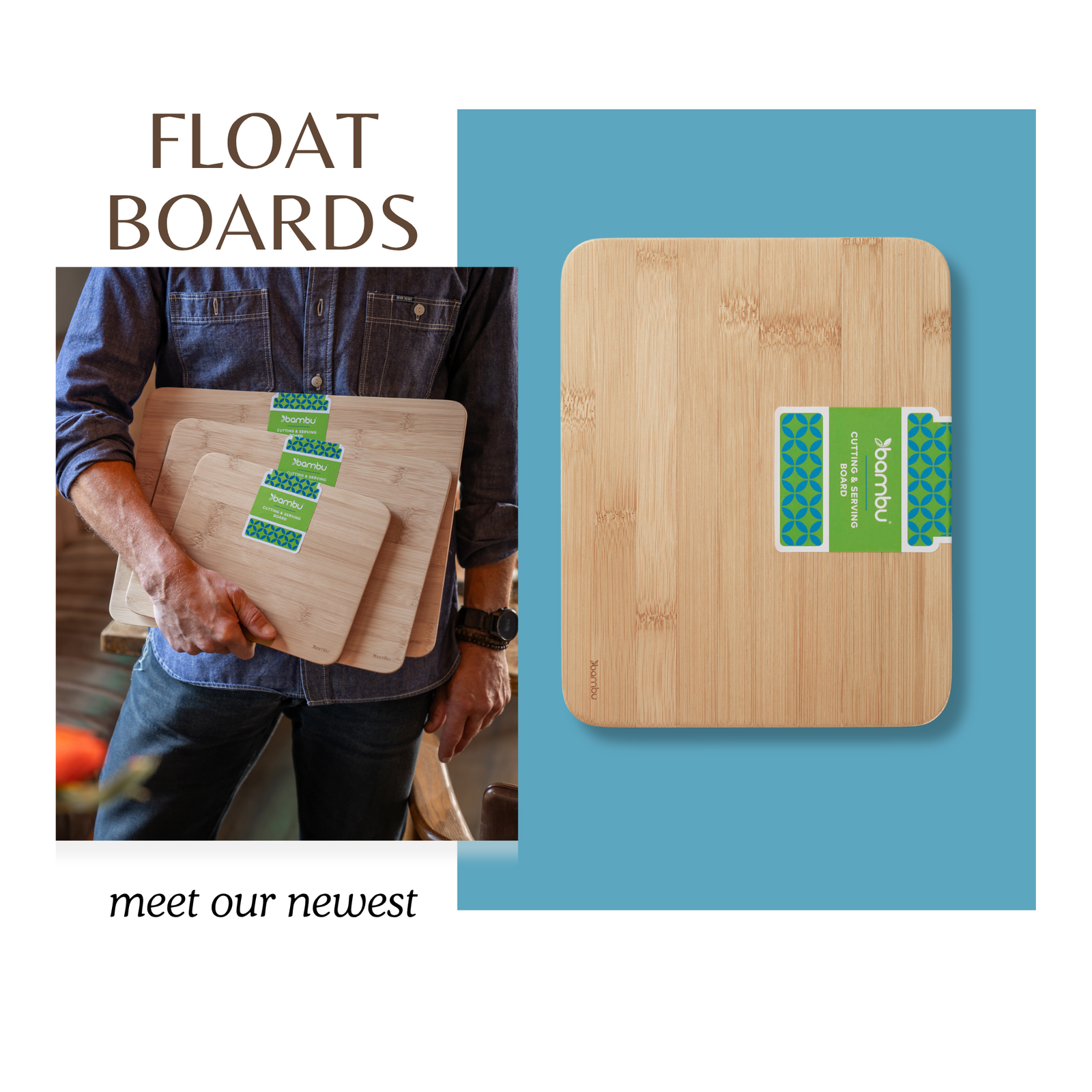
Are you thinking about upgrading your kitchen tools? Switching to bamboo cutting boards could be the simple change that makes a big difference.
Not only are they gentle on your knives, but they also last longer and are better for the environment. Imagine preparing your meals on a surface that’s durable, easy to clean, and naturally resistant to bacteria. Keep reading, and you’ll discover exactly how to make the switch smoothly, so your kitchen feels fresher and more eco-friendly in no time.
Benefits Of Bamboo Boards
Switching to bamboo cutting boards offers many advantages. They are practical and good for the environment.
Bamboo boards are becoming popular because they are durable and have natural benefits.
Eco-friendly Material
Bamboo grows quickly, making it a sustainable choice. It does not require harmful chemicals to grow.
Using bamboo helps reduce deforestation. It is a renewable resource that is kind to the planet.
Durability And Longevity
Bamboo cutting boards are strong and last a long time. They resist scratches better than other materials.
These boards do not warp easily. They maintain their shape and quality after many uses.
Natural Antibacterial Properties
Bamboo naturally fights bacteria. It is a safe surface for preparing food.
This property helps keep your kitchen hygienic. It makes bamboo boards a healthy choice.

Credit: www.amazon.com
Choosing The Right Bamboo Board
Bamboo cutting boards are strong and eco-friendly. Picking the right one helps you cook better and keep your kitchen safe.
Think about how you will use the board. Size, type, and quality all matter for your choice.
Types And Sizes
Bamboo boards come in many shapes and sizes. Some are small and light. Others are big and heavy for big tasks.
- Small boards are good for fruits and small veggies.
- Medium boards fit most kitchen needs.
- Large boards work well for cutting meat and big vegetables.
- Some have grooves to catch juices from meat.
- Flat boards are easy to clean and store.
Quality Indicators
Check the board’s surface. It should be smooth and even. Avoid boards with cracks or rough spots.
Good bamboo boards use tight grain bamboo. This makes them strong and long-lasting.
- Look for boards with no splinters or cracks.
- Choose boards sealed with food-safe oil or wax.
- Boards should not absorb water easily.
- Heavy boards tend to be denser and stronger.
Price Considerations
Bamboo boards cost less than many wood boards. Price varies by size, brand, and quality.
Higher price often means better quality and longer life. But there are good boards at low prices too.
- Small boards cost less and are easy to replace.
- Large or thick boards usually cost more.
- Boards with special finishes or designs cost extra.
- Compare prices and reviews before buying.
Preparing Your Kitchen
Switching to bamboo cutting boards can improve your kitchen’s look. Bamboo is strong and gentle on knives.
Before using bamboo boards, prepare your kitchen well. This makes cooking easier and keeps boards in good shape.
Clearing Space
Clear enough counter space for your bamboo boards. This helps you use them safely and comfortably.
Remove old plastic or glass boards to avoid clutter. Keep the area clean before placing new bamboo boards.
Organizing Cutting Tools
Keep knives and other cutting tools near your bamboo boards. This saves time while cooking.
Use knife blocks or magnetic strips to store knives safely. Avoid placing tools directly on the boards.
- Store knives in a block or on a magnetic strip
- Keep peelers and small tools in drawers nearby
- Separate tools for meat and vegetables to prevent cross-contamination
Setting Up Maintenance Supplies
Gather cleaning and oiling supplies to care for bamboo boards. Proper maintenance extends their life.
Use mild soap and warm water for cleaning. Food-safe mineral oil keeps bamboo from drying out.
- Soft sponge or cloth for cleaning
- Mild dish soap
- Food-safe mineral oil for conditioning
- Dry towel for wiping boards

Credit: www.amazon.com
Transitioning From Other Boards
Switching to bamboo cutting boards means changing your kitchen routine. Bamboo offers a sturdy and eco-friendly option.
Learn how to replace old boards, adjust cutting styles, and get used to bamboo’s unique feel.
Replacing Plastic And Wood Boards
Bamboo boards are harder than plastic and softer than hardwood. You may need to choose the right size and style.
Keep these points in mind when replacing old boards with bamboo:
- Pick bamboo boards that suit your cutting needs.
- Clean bamboo boards with mild soap and water.
- Avoid soaking bamboo boards to prevent warping.
- Use separate boards for meat and vegetables to avoid cross-contamination.
Adjusting Cutting Techniques
Bamboo boards are firm but have a smooth surface. You may notice your knife moves differently than on plastic or wood.
Try these tips to adjust your cutting style:
- Use a gentle touch to avoid dulling your knives quickly.
- Keep your knife sharp for clean cuts on bamboo.
- Cut with smooth, even strokes for best results.
- Rest your wrist to avoid fatigue on the harder surface.
Getting Used To Bamboo’s Texture
Bamboo feels different under your hands. It is less slippery than plastic and less rough than some wood boards.
Here are ways to get comfortable with bamboo texture:
- Handle the board regularly to learn its grip.
- Notice how bamboo absorbs moisture compared to plastic.
- Apply mineral oil to keep the surface smooth and protected.
- Give yourself time to adapt to the new feel in your kitchen.
Caring For Bamboo Boards
Bamboo cutting boards are strong and eco-friendly. Taking care of them helps them last longer.
Proper care keeps your board clean and prevents cracks or stains.
Cleaning Tips
Clean bamboo boards after each use with warm water and mild soap. Do not soak them in water.
Use a soft sponge to avoid scratches. Rinse well and dry immediately with a towel.
- Wash by hand only
- Do not put in dishwasher
- Dry right after washing
Oiling And Conditioning
Oiling your bamboo board keeps it from drying out and cracking. Use food-safe mineral oil or bamboo oil.
Apply oil once a month or when the board looks dry. Rub oil evenly and let it soak for a few hours.
- Use clean cloth or paper towel
- Apply oil on all sides
- Remove excess oil before use
Avoiding Damage
Do not cut on bamboo boards with very sharp or serrated knives to avoid deep cuts. Avoid dropping or hitting the board.
Keep boards away from direct heat or sunlight. Store them in a dry place standing up or flat.
- Use gentle knives for cutting
- Do not expose to heat or sun
- Store in a dry, ventilated spot

Credit: www.youtube.com
Eco-friendly Kitchen Practices
Using bamboo cutting boards helps make your kitchen greener. Bamboo is a fast-growing plant. It renews quickly without harming the environment.
Switching to bamboo reduces the use of plastic and hardwood. This change supports a cleaner planet and safer food prep.
Complementing Bamboo With Sustainable Tools
Pair bamboo boards with other eco-friendly kitchen tools. Look for items made from natural or recycled materials. This helps keep your kitchen green overall.
- Use utensils made from wood or bamboo
- Choose dishcloths from organic cotton
- Select reusable storage containers instead of plastic wrap
Reducing Waste
Bamboo boards last long with proper care. They resist damage better than plastic ones. This means less waste over time.
Clean and oil bamboo boards regularly. Avoid using harsh chemicals. This keeps them safe and useful for years.
- Hand wash with mild soap
- Dry boards completely before storing
- Use mineral oil to keep wood hydrated
Supporting Green Brands
Buy bamboo boards from companies focused on sustainability. These brands use responsible farming and fair labor practices.
Supporting green brands encourages more eco-friendly products. It helps protect forests and reduce pollution.
- Look for certifications like FSC or organic
- Check if companies use recycled packaging
- Choose brands that share their environmental goals
Frequently Asked Questions
What Are The Benefits Of Switching To Bamboo Cutting Boards?
Bamboo boards are eco-friendly, durable, and naturally antibacterial. They resist knife marks and absorb less water than wood, reducing bacteria growth. Bamboo is also lightweight and easy to clean, making it a healthier and sustainable kitchen choice.
How Do I Maintain A Bamboo Cutting Board?
Clean bamboo boards with mild soap and warm water after use. Avoid soaking or dishwasher washing to prevent warping. Regularly oil the board with food-grade mineral oil to keep it moisturized and extend its lifespan.
Are Bamboo Cutting Boards Safe For Food Preparation?
Yes, bamboo boards are safe and hygienic for food prep. Their dense fibers prevent deep knife cuts where bacteria can hide. Proper cleaning and maintenance ensure they remain sanitary and suitable for all types of food.
Can Bamboo Cutting Boards Dull Knives Quickly?
No, bamboo is gentle on knives compared to glass or stone boards. Its hard but smooth surface preserves blade sharpness longer. Using bamboo boards helps maintain your knives’ edge over time.
Conclusion
Switching to bamboo cutting boards brings many benefits. They are strong and gentle on knives. Bamboo is easy to clean and resists bacteria well. These boards last longer than plastic ones. They also help reduce plastic waste. Choosing bamboo means supporting eco-friendly products.
Start with one board and see the difference. Small changes make a big impact over time. Enjoy cooking with a natural, safe surface. Make your kitchen greener today.