
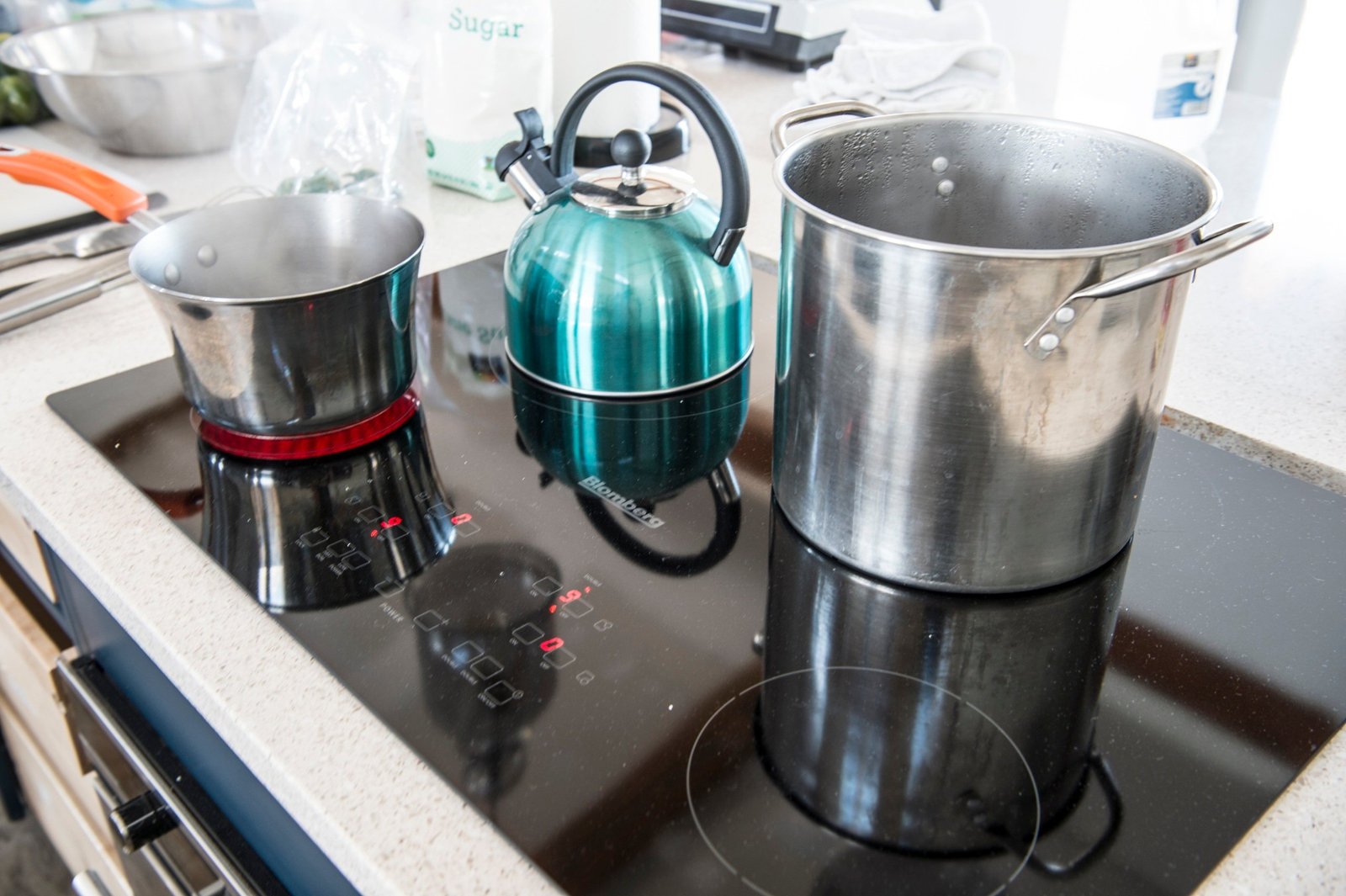
Are you looking to save money on your energy bills and cook smarter? Using energy-efficient stovetops can make a big difference in how much power you use every day.
But do you know the simple tricks that can help you get the most out of your stovetop? You’ll discover easy and practical tips that anyone can follow. By making a few small changes, you’ll not only reduce your energy use but also enjoy faster, better cooking.
Keep reading to find out how you can make your kitchen greener and your wallet happier.

Credit: karinearappliances.com
Choose The Right Stovetop
Choosing an energy-efficient stovetop is smart. It saves energy and reduces bills. Understanding the options helps you make the best choice.
Consider the type, size, and features of the stovetop. Each factor affects performance and efficiency. Let’s explore your options.
Compare Gas And Electric Options
Gas stovetops heat quickly and allow precise control. They work well for many cooking styles. Electric stovetops are easy to clean and maintain. They are often more affordable to buy.
Both types have pros and cons. Consider your cooking habits and budget. Choose the one that suits your needs best.
- Gas: Quick heating, better control
- Electric: Easy cleaning, lower initial cost
Benefits Of Induction Stovetops
Induction stovetops use magnetic fields to heat pots directly. They are energy-efficient and safe. They heat food quickly and evenly.
They also reduce heat in the kitchen, making it comfortable. These stovetops are great for families and frequent cooks.
- Fast and even cooking
- Energy-efficient and safe
- Less heat in the kitchen
Consider Size And Burners
Stovetop size matters. Choose one that fits your kitchen space. The number of burners is important too.
More burners mean more cooking options. Think about your family’s needs. Choose a stovetop that supports your cooking style.
- Match size to kitchen space
- More burners offer flexibility
- Consider family cooking needs

Credit: www.smcsustainability.org
Optimize Heat Usage
Using energy-efficient stovetops saves power and cuts cooking costs. Optimizing heat helps food cook faster.
Proper heat use reduces wasted energy and keeps your kitchen cooler. Small changes make a big difference.
Match Cookware To Burner Size
Using the right pot or pan size fits the burner well. This helps heat move directly to the cookware.
If the pan is too small, heat escapes around the edges. Too big, and some heat does not reach the cookware.
- Use small pans on small burners
- Use large pans on large burners
- Check that the pan base covers the burner rings
Use Lids To Retain Heat
Cover pots and pans with lids to keep heat inside. This speeds up cooking and saves energy.
Lids stop steam from escaping. The trapped heat cooks food evenly and faster.
- Use tight-fitting lids
- Check lids do not block vents
- Remove lids carefully to avoid burns
Adjust Temperature Settings
Set the heat level to match what you are cooking. High heat wastes energy if not needed.
Lower heat keeps food warm or simmers it gently. Use high heat only for boiling or frying.
- Start on medium heat for most cooking
- Raise heat only when necessary
- Turn off burner a few minutes early to use leftover heat
Cook Smart Techniques
Using energy-efficient stovetops saves power and cuts cooking time. Simple cooking habits help you cook smart and reduce energy waste.
These tips focus on how to use your stovetop better. They help you cook meals more efficiently and save energy.
Batch Cooking For Efficiency
Cook many meals at once instead of one at a time. Batch cooking uses heat more efficiently and reduces energy use.
Prepare large portions and store leftovers for later. This way, you cook less often and save time and energy.
- Make multiple dishes at once
- Use large pots or pans
- Store extra food in the fridge or freezer
Use Residual Heat
Turn off the stovetop a few minutes before food is fully cooked. The remaining heat will finish the cooking process.
This method saves energy by using heat that would otherwise go to waste. It works well for soups, stews, and rice.
- Watch your food closely
- Turn off heat early
- Cover pots to keep warmth
Prep Ingredients In Advance
Get all ingredients ready before you start cooking. Chopping vegetables and measuring spices saves time while cooking.
Prepping ahead reduces stove-on time. It helps you cook smoothly and avoid wasting energy by waiting during cooking.
- Chop vegetables before cooking
- Measure spices and liquids
- Organize tools and pots

Credit: wiproappliances.com
Maintain Your Stovetop
Keeping your stovetop in good shape helps it work better and saves energy. Regular care can make your cooking easier and safer.
Simple maintenance tasks can keep your stovetop running efficiently. These tips will help you maintain your energy-efficient stovetop.
Keep Burners Clean
Dirty burners use more energy and cook unevenly. Clean them often to remove food spills and grease.
Use a soft cloth and mild soap. Avoid harsh chemicals that can damage the surface.
- Remove burner caps and clean separately
- Clear clogged holes with a toothpick
- Wipe the stovetop after every use
Check For Proper Functioning
Check your stovetop regularly to ensure all burners work well. This helps avoid energy waste and safety issues.
Look for signs like weak flames or uneven heat. These problems mean your stovetop needs attention.
- Turn on each burner and observe the flame
- Listen for unusual sounds
- Test knobs for smooth operation
Replace Worn Parts Promptly
Old or broken parts reduce your stovetop’s efficiency. Replace them as soon as you notice any damage.
This keeps your stovetop safe and energy-efficient. Use parts made for your stovetop model.
- Check burner caps and igniters for wear
- Replace cracked knobs or handles
- Use correct parts from trusted sources
Energy-saving Accessories
Using energy-efficient stovetops helps save electricity and reduce bills. Accessories can make cooking faster and use less energy.
Simple tools improve heat use and keep your kitchen eco-friendly. Here are some useful tips with energy-saving accessories.
Use Flat-bottomed Cookware
Flat-bottomed pots and pans touch the stovetop evenly. This helps heat spread better and faster.
Cookware with curved or warped bottoms wastes heat. It causes uneven cooking and uses more energy.
- Choose flat and smooth bottoms for better contact
- Check the base size matches the stove burner
- Avoid old cookware with dents or warps
Try Heat Diffusers
Heat diffusers sit between the stove and cookware. They spread heat evenly across the pot or pan.
Diffusers help avoid hot spots and reduce burning. They also protect delicate cookware from direct flame.
- Use on gas stoves for better heat control
- Choose diffusers made of metal or ceramic
- Match diffuser size to your cookware
Explore Pressure Cookers
Pressure cookers cook food faster by raising boiling temperature. They use less energy than regular pots.
Sealed pressure cookers trap steam inside. This speeds cooking and saves heat.
- Ideal for beans, rice, and tough meats
- Use the right size for your family
- Follow safety tips for pressure cooking
Frequently Asked Questions
What Are The Benefits Of Energy-efficient Stovetops?
Energy-efficient stovetops reduce electricity or gas use, lowering utility bills. They also minimize environmental impact by cutting carbon emissions. These stovetops heat faster and maintain consistent temperatures, improving cooking efficiency and saving time in the kitchen.
How Do I Choose The Right Energy-efficient Stovetop?
Look for stovetops with high energy ratings and induction technology. Check features like precise temperature control and quick heating. Consider stovetop size to match your cooking needs. Reading customer reviews helps identify reliable, efficient models.
Can Energy-efficient Stovetops Save Money Long-term?
Yes, they use less energy, reducing monthly bills significantly. Though initial costs may be higher, savings accumulate over time. Their durability also lowers maintenance and replacement expenses, offering great value in the long run.
What Maintenance Keeps Energy-efficient Stovetops Optimal?
Regular cleaning prevents residue buildup, ensuring efficient heat transfer. Use manufacturer-recommended cleaners and avoid abrasive materials. Check for damage or wear periodically. Proper maintenance extends stovetop lifespan and maintains energy efficiency.
Conclusion
Using energy-efficient stovetops saves money and helps the planet. Small changes in cooking habits make a big difference. Choose the right cookware and keep burners clean. Match pot size to the burner for faster cooking. Turn off the heat early to use leftover warmth.
These simple tips reduce energy use and lower bills. Start today and enjoy a greener kitchen tomorrow. Easy steps, great results.