
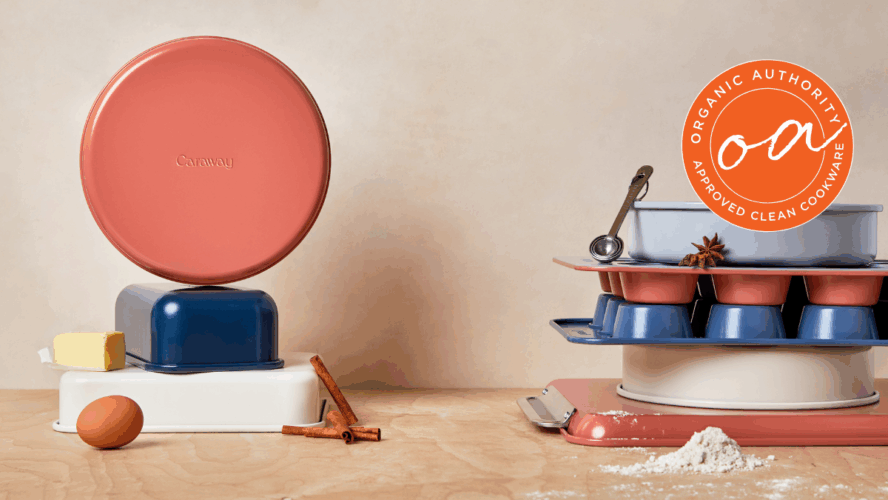
Are you ready to make your baking more eco-friendly without sacrificing quality? Choosing sustainable bakeware isn’t just about helping the planet—it’s about making smarter, healthier choices for you and your family.
But with so many options out there, how do you know what’s truly sustainable? This guide will help you cut through the confusion and find bakeware that lasts longer, uses safer materials, and reduces waste. Keep reading to discover simple tips that make a big difference every time you bake.
Your kitchen—and the Earth—will thank you.
Benefits Of Sustainable Bakeware
Sustainable bakeware helps protect our planet. It also offers many benefits for your health and wallet.
Choosing eco-friendly options reduces waste and ensures a safer cooking environment.
Reducing Environmental Impact
Sustainable bakeware is made from materials that are kind to the Earth. It often uses recycled or natural materials.
This helps lower pollution and saves resources. Less waste ends up in landfills.
- Uses recycled metal or glass
- Reduces plastic waste
- Encourages responsible consumption
Health Advantages
Sustainable bakeware avoids harmful chemicals. This makes cooking safer for your family.
Non-toxic materials prevent chemical leaching into your food. Your meals remain healthy and fresh.
- No harmful coatings
- Non-reactive surfaces
- Safer cooking temperatures
Long-term Cost Savings
While sustainable bakeware may cost more upfront, it lasts longer. This saves money over time.
Durable materials mean fewer replacements. You invest once and enjoy years of baking.
- Lower replacement costs
- Higher quality materials
- Better baking performance
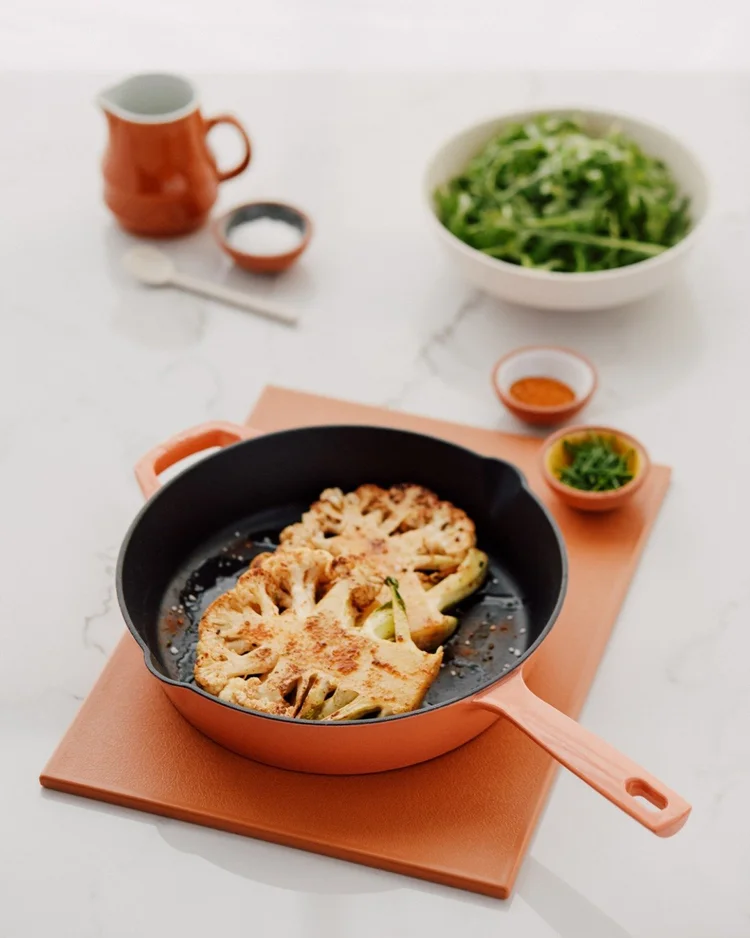
Credit: www.sustainably-chic.com
Key Materials To Look For
Choosing sustainable bakeware helps reduce waste and protect the environment. Some materials last longer and have less impact.
Knowing which materials are eco-friendly guides you to better baking choices. Look for natural, durable, and recyclable options.
Bamboo And Wood
Bamboo and wood are renewable materials that grow quickly. They are biodegradable and do not harm the earth.
Bamboo is strong and water-resistant. Wooden tools add a natural touch to your kitchen and last long if cared for.
Silicone
Silicone bakeware is flexible and non-stick. It can be reused many times, reducing waste from disposable items.
Look for high-quality silicone that is BPA-free and heat resistant. It can handle high baking temperatures safely.
Recycled Metals
Recycled metals like aluminum and steel use less energy than new metals. They are strong and conduct heat well.
Choose bakeware made from recycled metal to support resource saving. These items often last many years with proper care.
Ceramic And Glass
Ceramic and glass bakeware are natural and non-toxic. They do not release harmful chemicals when heated.
Both materials can be recycled or repurposed. They also provide even heat distribution for better baking results.
Avoiding Harmful Ingredients
Choosing sustainable bakeware means picking products without harmful chemicals. Harmful ingredients can affect your health and the environment.
Look closely at the materials and coatings used in bakeware. Avoid items that may release toxins when heated.
Toxic Coatings And Non-stick Surfaces
Some non-stick coatings contain toxic chemicals like PFOA and PFAS. These can release harmful fumes when heated.
Choose bakeware with ceramic or silicone coatings instead. These options are safer and more eco-friendly.
- Avoid Teflon coatings with PFOA or PFAS
- Look for ceramic non-stick surfaces
- Silicone coatings are a safer choice
Plastics To Skip
Some plastics release toxins when exposed to heat. Avoid bakeware made from PVC or BPA plastics.
Use glass, stainless steel, or silicone bakeware instead. These materials do not leach harmful chemicals.
- Skip PVC plastic bakeware
- Avoid BPA-containing plastics
- Choose glass or stainless steel
- Food-grade silicone is safe
Chemical-free Finishes
Chemical-free finishes avoid harmful substances in bakeware. Look for natural or untreated surfaces.
Materials like uncoated cast iron, pure ceramic, or enamel without lead are good choices. They keep your food safe.
- Choose uncoated cast iron
- Use pure ceramic bakeware
- Pick enamel finishes free of lead and cadmium
- Avoid synthetic chemical coatings
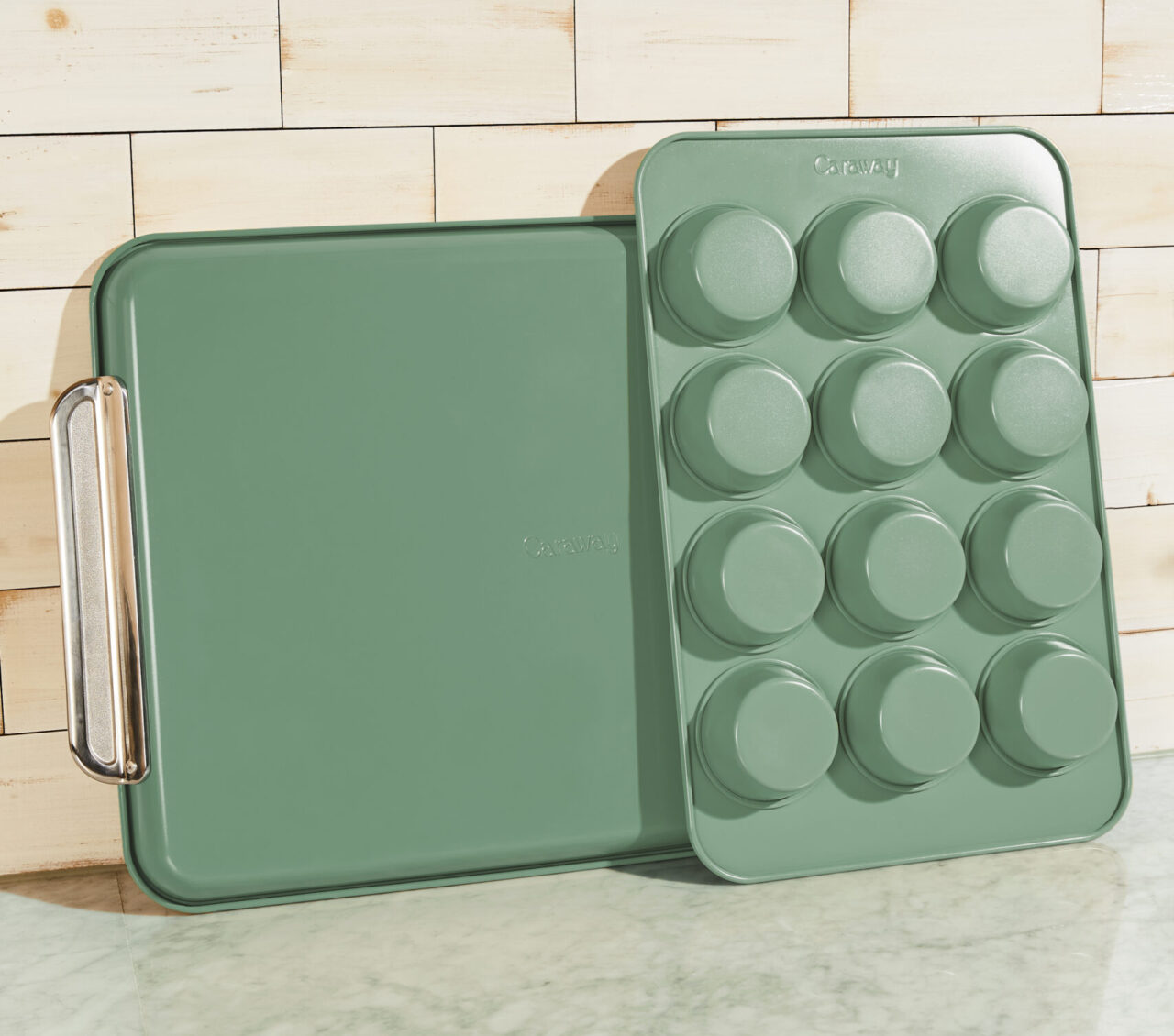
Credit: www.organicauthority.com
Durability And Lifespan
Choosing sustainable bakeware means focusing on items that last long. Durable bakeware reduces waste and saves money over time.
Durability depends on the materials and how well the bakeware is made. Strong, long-lasting bakeware supports eco-friendly cooking habits.
Choosing Sturdy Designs
Look for bakeware with thick, solid construction. Thin or flimsy bakeware can bend or warp easily.
Heavy-gauge metals or reinforced edges often last longer. Simple shapes without weak points reduce breakage risks.
- Thick metal pans resist warping
- Non-stick coatings should be durable and safe
- Handles must be firmly attached and heat-resistant
- Glass or ceramic bakeware should be thick and tempered
Repairability And Maintenance
Choose bakeware that is easy to clean and maintain. Proper care extends its life and keeps it safe to use.
Some bakeware can be repaired if scratched or chipped. Repair options help reduce waste and save resources.
- Check if coatings can be touched up or replaced
- Metal pans may be reshaped if warped slightly
- Use gentle cleaning methods to avoid damage
- Follow manufacturer care instructions to keep bakeware in good condition
Warranty And Brand Reputation
A good warranty shows the brand trusts its bakeware’s durability. Look for products with clear warranty terms.
Brands known for quality usually offer better support and longer-lasting products. Research customer reviews to find reliable options.
- Check length and coverage of the warranty
- See if the warranty covers common issues like warping or coating damage
- Look for brands with positive customer feedback on durability
- Choose brands that focus on sustainability and quality
Certifications And Labels
Choosing sustainable bakeware means looking for trusted certifications and labels. These marks show the product meets environmental and social standards.
Understanding these certifications helps you pick bakeware that is safe for the planet and people.
Eco-friendly Certifications
Eco-friendly certifications prove that bakeware is made with less harm to nature. These labels check for safe materials and good manufacturing.
- Look for certifications like USDA Organic or Green Seal.
- These labels mean fewer toxins and less pollution.
- Certified products often use renewable or recycled materials.
Fair Trade And Ethical Standards
Fair Trade labels show that workers get fair pay and safe conditions. Ethical standards ensure respect for people involved in making bakeware.
- Fair Trade Certified ensures fair wages for workers.
- Look for labels that guarantee no child or forced labor.
- Ethical standards promote community support and good labor practices.
Recyclability Symbols
Recyclability symbols tell you if bakeware materials can be recycled. These signs help reduce waste and keep materials in use longer.
- Check for recycling codes like the triangle with a number.
- Materials such as glass, metal, and some plastics are often recyclable.
- Choosing recyclable bakeware reduces landfill waste.
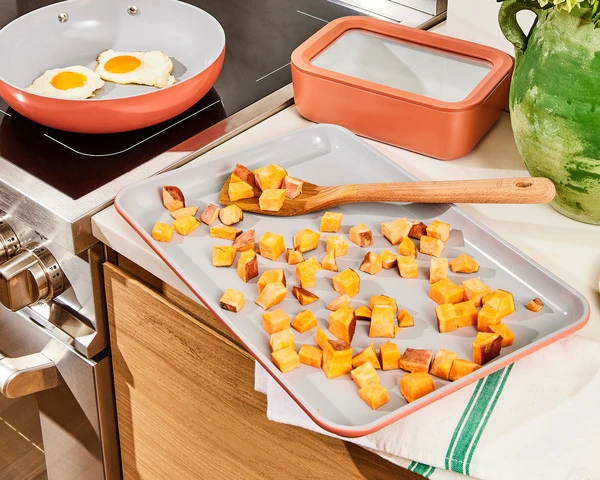
Credit: www.carawayhome.com
Shopping Tips For Sustainable Bakeware
Choosing sustainable bakeware helps protect the environment. It also supports ethical businesses and reduces waste.
Look for options that last long, use safe materials, and have a low environmental impact.
Buying Secondhand Or Vintage
Buying secondhand or vintage bakeware saves resources and reduces waste. These items often have good quality and unique styles.
Check thrift stores, online marketplaces, and garage sales to find used bakeware. Inspect items for damage before buying.
- Look for sturdy materials like cast iron or heavy glass
- Avoid items with cracks or rust
- Clean and sanitize before use
Supporting Local Artisans
Buying from local artisans supports small businesses and reduces shipping emissions. Local makers often use sustainable materials.
Visit craft fairs, farmers’ markets, or local shops to find handmade bakeware. Ask about the materials and production methods.
- Choose items made from natural or recycled materials
- Support artisans who use eco-friendly processes
- Enjoy unique, handmade designs
Comparing Brands
Compare brands to find bakeware that is sustainable and safe. Look for transparency about materials and company practices.
Check if the brand uses recycled or renewable materials. See if they avoid harmful chemicals and reduce packaging waste.
- Review product materials and durability
- Look for certifications like BPA-free or eco-friendly
- Choose brands with clear sustainability goals
Caring For Eco-friendly Bakeware
Eco-friendly bakeware helps protect the environment. Caring for it properly keeps it useful longer. Good care also keeps your food safe and tasty.
Use gentle cleaning and storage methods. These reduce damage and waste. Learning how to care for your bakeware saves money and resources.
Cleaning Best Practices
Clean eco-friendly bakeware with mild soap and warm water. Avoid harsh chemicals or strong scrubbing. These can damage the surface or finish.
Use soft sponges or cloths. Rinse well to remove soap. Dry immediately to stop rust or stains.
- Do not use steel wool or metal brushes
- Skip dishwasher if bakeware is not dishwasher safe
- Remove stuck food with soaking, not scraping
- Check manufacturer instructions for specific care
Storage Tips
Store bakeware in a dry, cool place. Avoid stacking heavy items on top. This prevents warping or dents.
Use cloth or paper towels between pieces. This stops scratches and protects coatings. Keep lids and parts together to avoid loss.
- Keep bakeware away from direct sunlight
- Store in a cabinet or closed shelf
- Use hooks or racks for hanging if possible
- Label containers for easy finding
Extending Product Life
Use bakeware only for its intended purpose. Avoid high heat if not recommended. Follow cooking time limits to protect materials.
Regularly check for damage like cracks or rust. Repair or replace parts when needed. Treat non-stick surfaces gently to keep them safe.
- Preheat oven before placing bakeware inside
- Use silicone mats or parchment paper to reduce sticking
- Apply natural oils if recommended by manufacturer
- Handle with care to avoid drops or bumps
Frequently Asked Questions
What Materials Are Best For Sustainable Bakeware?
Sustainable bakeware is often made from materials like silicone, stainless steel, or recycled glass. These materials last long and reduce waste. Avoid single-use or non-recyclable options to support eco-friendly baking.
How To Identify Eco-friendly Bakeware Brands?
Look for brands with certifications like FSC or those using recycled materials. Check for transparent sourcing and manufacturing practices. Eco-friendly brands prioritize sustainability and minimize environmental impact.
Can Sustainable Bakeware Affect Baking Quality?
Yes, sustainable bakeware can provide excellent heat distribution and durability. Materials like cast iron and silicone often enhance baking results. Choosing quality sustainable bakeware supports both your cooking and the environment.
Is Sustainable Bakeware More Expensive Than Regular Bakeware?
Sustainable bakeware may have a higher upfront cost but lasts longer. This durability reduces replacement frequency, saving money over time. Investing in quality sustainable bakeware benefits both your budget and the planet.
Conclusion
Choosing sustainable bakeware helps protect the planet. It also saves money over time. Pick materials that last long and are safe for baking. Think about how easy it is to clean and reuse. Small changes in your kitchen can make a big difference.
Start with one item and build your collection slowly. Enjoy baking with tools that are better for you and Earth. Sustainable choices feel good and work well. Why not make the switch today?