
You’ve chosen biodegradable containers to help reduce waste and protect the environment. But do you know the best way to care for them?
How you maintain your biodegradable containers can make a big difference in how long they last and how well they break down after use. You’ll discover simple, practical tips that will keep your containers in great shape while ensuring they stay eco-friendly.
Keep reading to learn how to make the most out of your biodegradable containers every time.
Choosing The Right Biodegradable Containers
Biodegradable containers are a great choice for eco-friendly living. They decompose naturally and reduce waste.
Choosing the right container is important for your needs. Consider materials, types, and benefits before buying.
Materials And Types
Biodegradable containers come in various materials. Each material has unique features and benefits.
Common materials include corn starch, sugarcane, and bamboo. These materials break down quickly and safely.
- Corn starch containers are lightweight and sturdy.
- Sugarcane containers are durable and heat-resistant.
- Bamboo containers are strong and reusable.
Environmental Benefits
Biodegradable containers offer many environmental benefits. They reduce plastic pollution and save resources.
Using these containers supports a cleaner planet. They decompose into natural elements, leaving no harmful residue.
| Benefit | Description |
| Reduces Waste | Breaks down quickly, minimizing landfill use. |
| Saves Resources | Made from renewable materials, conserving natural resources. |
| Non-Toxic | Leaves no harmful chemicals in the environment. |
Credit: www.torisegroup.com
Cleaning Techniques
Biodegradable containers need special care to last longer. Cleaning them right keeps them safe to use.
Using gentle cleaning helps keep the containers from breaking down too fast. Avoiding harsh chemicals also protects the material.
Gentle Washing Methods
Wash biodegradable containers with warm water and mild soap. Use a soft cloth or sponge to avoid scratches.
Rinse well to remove all soap. Let the containers air dry to keep their shape and strength.
- Use warm water, not hot
- Choose mild dish soap
- Clean with soft sponge or cloth
- Rinse thoroughly
- Air dry completely
Avoiding Harsh Chemicals
Harsh chemicals can damage biodegradable containers. Avoid bleach, strong detergents, and solvents.
These chemicals break down the material faster and make the containers unsafe to use.
- Do not use bleach
- Avoid strong detergents
- Skip solvents and abrasive cleaners
- Use gentle, natural cleaning products
Proper Storage Tips
Biodegradable containers need special care to keep them in good shape. Proper storage helps them last longer and stay useful.
Storing these containers correctly avoids damage from heat, moisture, and light. Follow these tips for best results.
Dry And Cool Places
Keep biodegradable containers in places that are dry and cool. Moisture can weaken the material and cause mold.
Cool temperatures prevent the containers from breaking down too fast. Avoid storing them near heat sources like ovens or heaters.
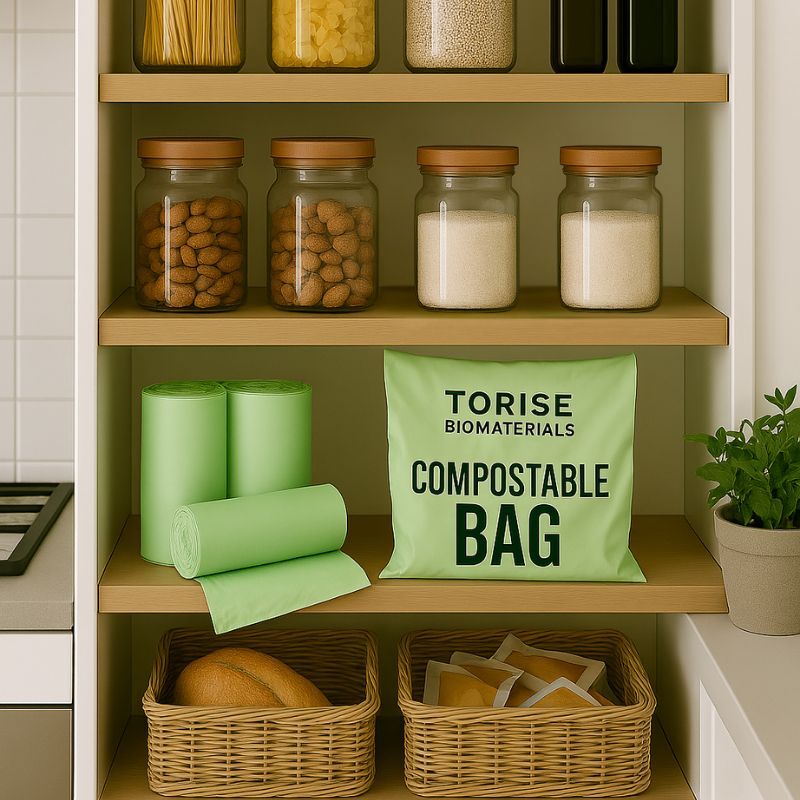
- Store in cupboards or closets away from moisture
- Keep room temperature between 50°F and 77°F (10°C to 25°C)
- Use airtight containers to reduce humidity exposure
Avoiding Direct Sunlight
Sunlight can cause biodegradable containers to break down faster. UV rays weaken the material and cause cracks.
Store containers in shaded areas or inside cabinets to protect them from direct sun exposure. This helps keep them strong and usable.
- Place containers away from windows
- Use storage boxes or covers to block sunlight
- Keep containers inside drawers or shelves

Credit: www.thegreencompany.online
Handling And Usage
Biodegradable containers are eco-friendly options for packaging food and other items. Proper handling helps keep them strong and usable.
Using these containers the right way extends their life and supports the environment.
Preventing Damage
Handle biodegradable containers gently to avoid cracks or breaks. Do not stack heavy items on top of them.
Keep containers dry and clean. Avoid dropping or bending them sharply.
- Store containers flat in a cool, dry place
- Lift containers by their base, not edges
- Use containers only for their intended purpose
- Dispose of damaged containers properly
Safe Temperature Limits
Biodegradable containers have limits on how hot or cold they can get. Avoid extreme temperatures to keep them intact.
Do not use these containers in ovens or on stove tops unless labeled safe for heat.
- Do not freeze unless the container says it is safe
- Heat only in microwaves if container is microwave-safe
- Avoid pouring boiling liquids directly into containers
- Room temperature or slightly warm contents work best
Extending Lifespan Naturally
Biodegradable containers break down easily in nature. Caring for them helps you use them longer. This saves money and reduces waste.
Using natural ways to maintain these containers keeps them strong. It also helps protect the environment.
Regular Maintenance Routines
Clean containers gently with water and mild soap. Avoid harsh chemicals that can weaken the material. Dry them completely before storing.
Store containers in cool, dry places. Keep them away from direct sunlight and heat. This stops early breakdown and keeps them sturdy.
- Wash with soft sponge and mild soap
- Air dry fully before storing
- Keep in shaded, cool area
- Avoid stacking heavy items on top
Repairing Minor Damage
Small cracks or holes can be fixed to extend use. Use natural adhesives like beeswax or plant-based glue. These repairs help keep containers sealed.
Check containers often for damage. Fix problems early to stop them from getting worse. This keeps your containers safe and useful.
- Inspect containers before and after use
- Apply beeswax or plant glue on small cracks
- Let repairs dry fully before reuse
- Replace containers if damage is large
Disposal And Composting
Biodegradable containers break down naturally after use. Proper disposal helps the environment.
Composting these containers turns them into useful soil nutrients. This process reduces waste.
Composting Guidelines
Place biodegradable containers in a compost bin or pile. Avoid mixing with plastic or metal.
Cut containers into small pieces. This speeds up the composting process and helps microbes.
- Keep compost moist but not wet
- Turn the compost regularly for airflow
- Use warm temperatures to break down materials faster
- Avoid adding coated or laminated containers
Environmental Impact Reduction
Using biodegradable containers lowers landfill waste. Composting returns nutrients to the soil.
Proper disposal cuts down pollution and greenhouse gases. It supports a cleaner, healthier planet.
- Reduces plastic pollution in oceans and land
- Decreases methane gas from landfills
- Supports healthy soil and plant growth
- Promotes sustainable waste management habits

Credit: hongrenpacking.com
Frequently Asked Questions
How Do I Clean Biodegradable Containers Properly?
Clean biodegradable containers using mild soap and warm water. Avoid harsh chemicals that can damage the material. Gently scrub with a soft sponge and air dry completely before reuse or composting.
Can Biodegradable Containers Be Reused Safely?
Yes, biodegradable containers can be reused a few times if cleaned gently. However, they degrade faster than plastic, so reuse them sparingly to maintain durability and hygiene.
Are Biodegradable Containers Compostable At Home?
Most biodegradable containers are compostable in home compost bins. Check for certification labels and ensure proper conditions like moisture and temperature for effective breakdown.
How Should I Store Biodegradable Containers?
Store biodegradable containers in a cool, dry place away from direct sunlight. Keep them sealed to prevent moisture and pests, which can accelerate degradation before use.
Conclusion
Maintaining biodegradable containers helps protect the environment. Clean them gently after each use. Store them in a dry, cool place. Avoid harsh chemicals that can damage the material. Follow care instructions to extend their life. Small efforts make a big difference.
Use these containers wisely and often. This supports a greener and cleaner planet. Simple care keeps them working well. Every step counts toward a healthier Earth.