
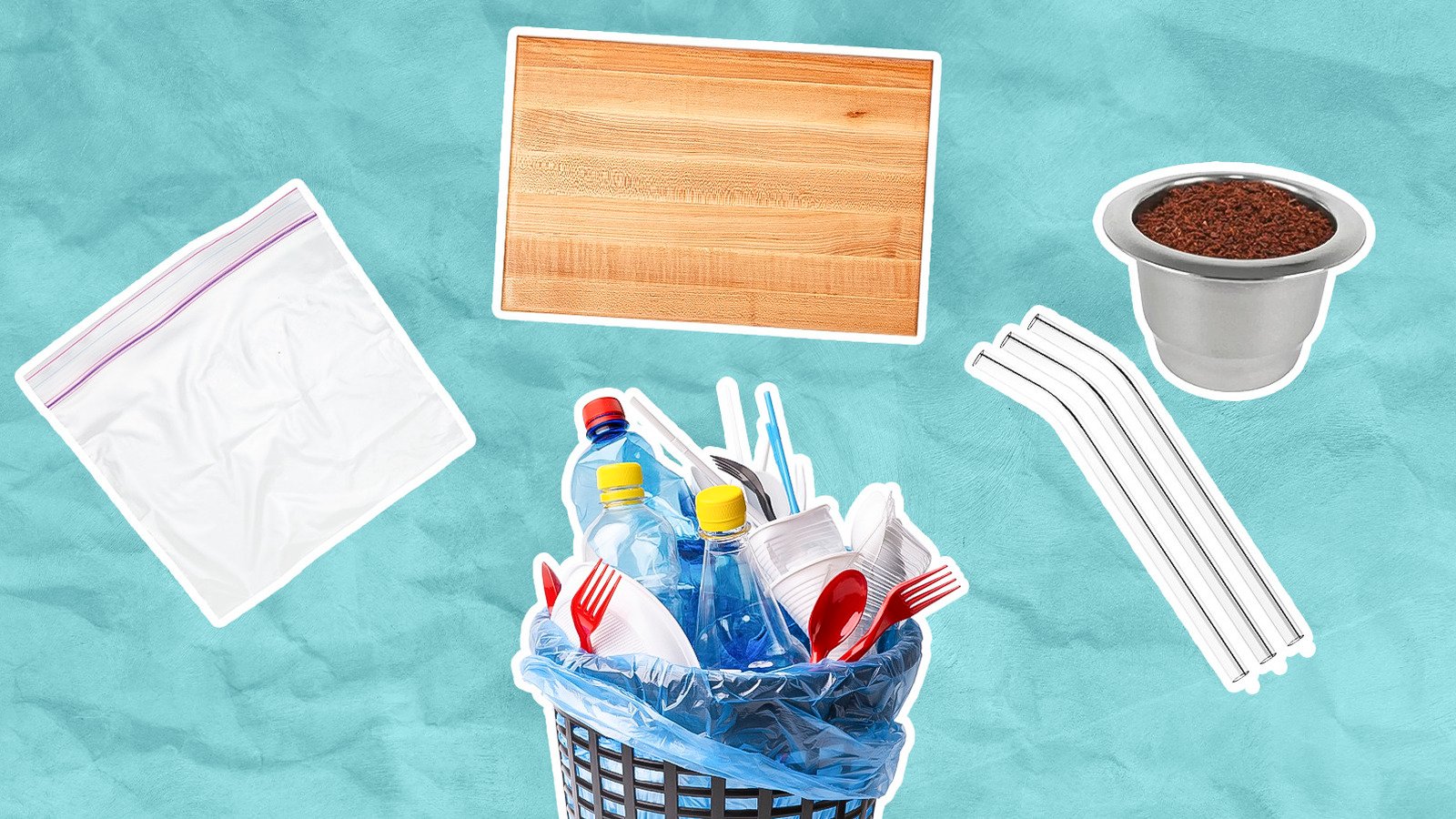
You might not realize it, but your kitchen could be one of the biggest sources of plastic waste in your home. Every day, plastic bags, containers, and wraps pile up, harming the environment and cluttering your space.
But what if you could change that without making your life harder? You’ll discover simple, practical steps to cut down plastic use in your kitchen. These easy swaps and habits will save you money, reduce waste, and make your kitchen a healthier place.
Keep reading to find out how small changes can make a big difference for you and the planet.
Cut Single-use Plastics
Reducing plastic in the kitchen helps the environment. Single-use plastics are used once and then thrown away.
We can make simple changes to cut down on these plastics. Let’s explore easy ways to do this in our kitchens.
Ditch Plastic Bags
Plastic bags are often used for carrying groceries. They contribute to pollution and harm wildlife.
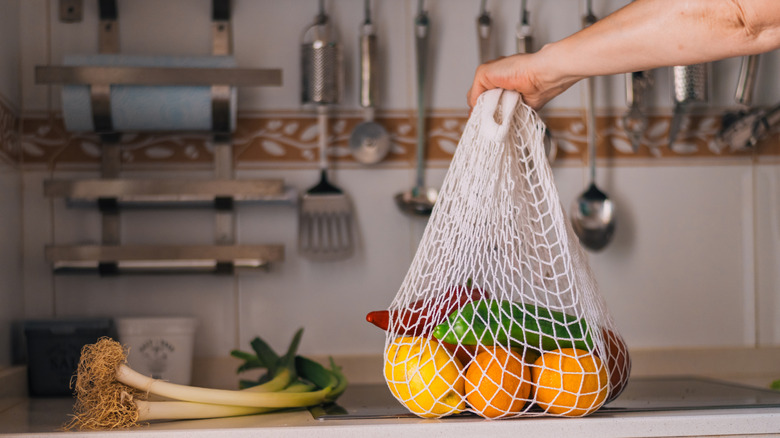
Bring reusable cloth bags when shopping. They last longer and are eco-friendly.
- Keep reusable bags in your car or near the door.
- Choose bags made of cotton or jute.
- Wash them regularly to keep them clean.
Avoid Disposable Cutlery
Disposable cutlery is convenient but creates waste. Plastic forks, spoons, and knives are not biodegradable.
Use metal or bamboo cutlery instead. They are reusable and better for the planet.
- Carry a set of reusable cutlery in your bag.
- Choose stainless steel for durability.
- Rinse them after use to maintain hygiene.
Say No To Plastic Straws
Plastic straws are a major source of ocean pollution. They harm marine life and take years to decompose.
Opt for alternatives like metal, glass, or paper straws. These options are safe and reusable.
- Request no straw when ordering drinks.
- Carry your own reusable straw.
- Rinse and dry after each use to keep them clean.
Choose Reusable Alternatives
Reducing plastic use in your kitchen helps the environment. Choosing reusable items cuts down waste and saves money.
Switching to alternatives made from glass, cloth, metal, or bamboo is easy. These options last longer and are safer for your family.
Switch To Glass Containers
Glass containers replace plastic ones for storing food. They do not absorb smells or stains like plastic does.
Glass is reusable and recyclable. It keeps food fresh and is safe for microwaves and ovens.
Use Cloth Towels Instead Of Paper
Cloth towels reduce the need for paper towels. They can be washed and used many times.
Using cloth towels saves trees and cuts down on trash. Choose soft, absorbent fabrics for cleaning and drying.
Opt For Metal Or Bamboo Utensils
Metal or bamboo utensils last longer than plastic ones. They are strong and easy to clean.
Bamboo is a fast-growing, natural material. Metal utensils can be recycled and do not break easily.
Shop Smart
Reducing plastic in the kitchen starts with smart shopping habits. Changing how you buy food helps cut plastic waste.
Focus on choosing products and stores that use less plastic. This helps protect the environment.
Buy In Bulk
Buying food in bulk means less packaging overall. You can bring your own containers to avoid plastic bags.
Bulk buying saves money and reduces single-use plastic waste in your kitchen.
- Use jars or cloth bags for bulk foods
- Choose dry goods like rice, beans, and nuts
- Refill spices and grains at stores that allow it
Select Plastic-free Packaging
Pick products with paper, glass, or metal packaging. These materials are easier to recycle and reuse.
Avoid items wrapped in plastic wrap or shrink film. Look for brands that use cardboard boxes or glass jars.
- Choose fresh produce without plastic bags
- Buy canned goods instead of plastic containers
- Use bar soap instead of liquid soap in plastic bottles
Support Local Markets
Local markets often use less plastic than big stores. Farmers sell fresh food with little or no packaging.
Shopping at local markets helps reduce plastic bags and containers in your kitchen.
- Bring your own bags and containers
- Buy seasonal fruits and vegetables
- Talk to vendors about plastic-free options

Credit: creators.yahoo.com
Rethink Food Storage
Plastic use in the kitchen adds to pollution. Rethinking how you store food can cut plastic waste.
Using simple alternatives helps keep food fresh and reduces plastic use.
Use Beeswax Wraps
Beeswax wraps replace plastic wrap for covering food. They are made from cotton and beeswax.
These wraps can be washed and reused many times. They keep food fresh and avoid single-use plastic.
Store Food In Silicone Bags
Silicone bags are strong and flexible. They work well for storing snacks, fruits, and leftovers.
These bags are washable and reusable. They do not tear like plastic bags and last longer.
Invest In Airtight Jars
Airtight jars keep food fresh for a long time. Glass or metal jars are good choices.
They prevent spills and stop air from spoiling food. Jars can be used again and again.
Manage Waste Effectively
Reducing plastic in your kitchen starts with managing waste well. Proper waste handling helps cut down plastic pollution.
Sorting trash and choosing eco-friendly options can make a big difference every day.
Recycle Properly
Recycling plastic saves resources and reduces landfill waste. Know what types of plastic your local center accepts.
Clean and dry plastic before recycling to avoid contamination. Remove food residue and rinse containers well.
- Check recycling symbols on packaging
- Sort plastics by type if required
- Flatten bottles to save space
- Never recycle plastic bags in curbside bins
Compost Organic Waste
Composting food scraps reduces the need for plastic trash bags. It also creates natural fertilizer for plants.
Use a kitchen compost bin to collect fruit and vegetable peels, coffee grounds, and eggshells.
- Keep compost dry and aerated
- Do not add meat or dairy
- Turn compost regularly for faster breakdown
- Use finished compost in your garden or pots
Avoid Over-packaged Products
Buy foods with less plastic packaging to reduce waste. Choose loose fruits and vegetables when possible.
Bring your own bags and containers to stores. This helps avoid single-use plastics.
- Pick products in paper or glass packaging
- Support stores that offer refill stations
- Avoid individually wrapped items
- Buy in bulk to reduce plastic use
Credit: www.tastingtable.com
Adopt Eco-friendly Cleaning
Reducing plastic use in the kitchen helps protect the environment. One way is to choose eco-friendly cleaning options.
Eco-friendly cleaning uses natural materials and cuts down on plastic waste. It is safe for your family and the planet.
Use Natural Cleaning Products
Natural cleaning products come from plants and minerals. They do not use plastic bottles or harmful chemicals.
These products clean well and are safer to use around food and children.
- Baking soda removes stains and odors
- White vinegar cleans glass and surfaces
- Lemon juice works as a natural bleach
- Castile soap is a gentle all-purpose cleaner
Avoid Plastic Sponge And Scrubbers
Plastic sponges and scrubbers create a lot of waste. They break down into tiny pieces that harm oceans and wildlife.
Choose natural alternatives that last longer and can be composted.
- Use sponges made from cellulose or plant fibers
- Try scrubbers made from coconut husk or loofah
- Use brushes with wooden handles and natural bristles
Make Diy Cleaners
Making your own cleaners reduces plastic packaging. You can use simple ingredients from your kitchen.
DIY cleaners save money and reduce waste.
- Mix baking soda and water for a gentle scrub
- Combine vinegar and water for an all-purpose spray
- Use lemon juice with salt to clean cutting boards
- Store DIY cleaners in reusable glass bottles

Credit: news.yahoo.com
Frequently Asked Questions
How Can I Avoid Plastic Bags In The Kitchen?
Use reusable cloth or mesh bags for shopping and storage. Avoid single-use plastic bags and opt for eco-friendly alternatives like paper or biodegradable bags. This reduces plastic waste and helps protect the environment.
What Are The Best Plastic-free Food Storage Options?
Glass containers, stainless steel tins, and silicone bags are excellent plastic-free storage options. They are durable, reusable, and safe for food. These alternatives help minimize plastic waste in your kitchen.
How To Replace Plastic Wrap In The Kitchen?
Switch to beeswax wraps, silicone lids, or reusable cloth covers. These options are eco-friendly and keep food fresh without plastic. They are washable and reduce single-use plastic wrap dependency.
Can I Reduce Plastic Use With Kitchen Utensils?
Yes, choose wooden, bamboo, or stainless steel utensils instead of plastic ones. These materials are sustainable, durable, and safe for cooking. This simple change lowers plastic consumption in your kitchen.
Conclusion
Reducing plastic use in the kitchen helps protect the environment. Small changes add up over time and make a difference. Choose reusable bags, containers, and wraps to cut waste. Buy fresh food without plastic packaging whenever possible. Wash and reuse items instead of throwing them away.
These easy habits save money and reduce pollution. Everyone can take simple steps to live more eco-friendly. Start today and enjoy a cleaner, greener kitchen space.