
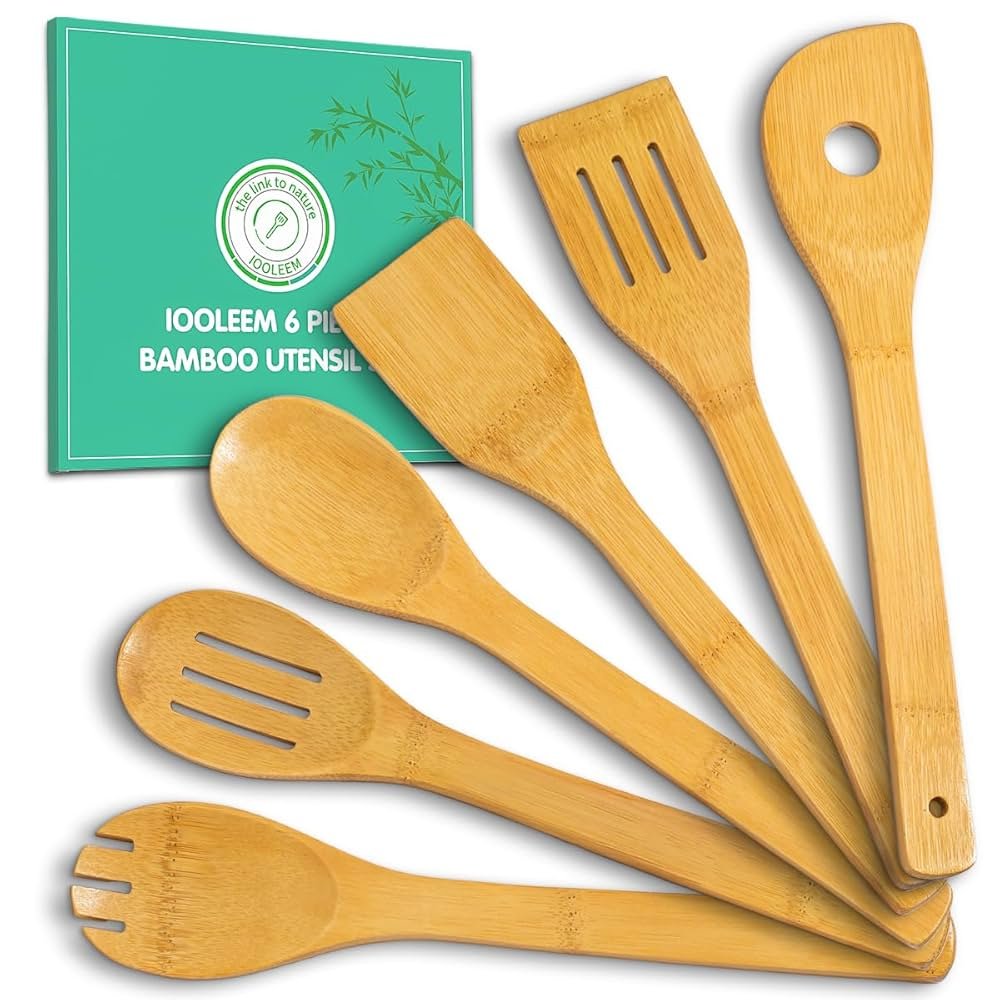
Are you wondering whether bamboo or wooden utensils are the right choice for your kitchen? Choosing the perfect utensils can make a big difference in how you cook and enjoy your meals every day.
You want something durable, safe, and easy to use—but with so many options, it’s easy to feel overwhelmed. This guide will help you understand the key differences between bamboo and wooden utensils, so you can pick the ones that fit your needs perfectly.
Keep reading to discover simple tips that will make your cooking experience better and more enjoyable.

Credit: ecowaretech.com
Benefits Of Bamboo Utensils
Bamboo utensils have become popular in kitchens around the world. They offer several benefits over traditional materials like metal or plastic.
Choosing bamboo or wooden utensils can improve your cooking experience. Let’s explore the advantages of using bamboo utensils.
Eco-friendly Nature
Bamboo is a renewable resource that grows quickly. It can be harvested without damaging the plant. This makes bamboo utensils environmentally friendly.
Using bamboo helps reduce the need for plastic. It is biodegradable and returns to the earth without harm.
Durability And Strength
Bamboo utensils are strong and can last a long time. They resist cracks and do not break easily.
Compared to plastic, bamboo utensils are more reliable. They withstand daily use in the kitchen without wearing out.
Lightweight Design
Bamboo utensils are lightweight, making them easy to handle. You can cook for long periods without feeling tired.
Their light design also makes them easy to store. They take up less space in your kitchen drawers.
Resistance To Stains And Odors
Bamboo utensils do not absorb stains easily. They remain clean and fresh-looking even after repeated use.
They also resist odors. This means your utensils won’t carry smells from one dish to the next.
- Easy to clean and maintain
- Ideal for use with non-stick cookware
- Perfect for a variety of cooking tasks
Advantages Of Wooden Utensils
Wooden utensils have been used for centuries in kitchens worldwide. They offer many benefits that make them a popular choice.
Choosing wooden utensils can improve your cooking experience with their unique qualities and durability.
Natural Aesthetic Appeal
Wooden utensils add a warm and natural look to any kitchen. Their grain patterns are unique and attractive.
They blend well with both modern and traditional kitchen styles, making them a versatile choice for cooking tools.
Heat Resistance
Wood does not conduct heat well. This means wooden utensils stay cool to the touch when cooking.
You can stir hot food without burning your hands or melting the utensil, unlike plastic tools.
Variety Of Wood Types
Wooden utensils come in many types of wood. Each type has different colors and hardness levels.
- Maple: Light color, very durable
- Teak: Darker, resistant to water
- Bamboo: Lightweight and eco-friendly
- Cherry: Reddish tone, smooth finish
This variety lets you pick utensils that fit your taste and cooking needs.
Long-lasting With Proper Care
Wooden utensils last a long time if you take care of them. Clean them gently by hand and dry well.
Oiling wooden utensils regularly keeps the wood from drying out and cracking. This extends their life.
- Wash by hand with mild soap
- Do not soak in water
- Dry completely before storing
- Apply food-safe oil monthly
Comparing Bamboo And Wood
Bamboo and wooden utensils are popular choices for kitchens. Both have unique features that affect their use and care.
Understanding their differences helps you pick the best utensils for your needs and cooking style.
Sustainability Factors
Bamboo grows very fast and can be harvested without killing the plant. This makes it a renewable resource. Wood comes from trees that take longer to grow back.
Bamboo requires less water and pesticides than many trees. Wood depends on forest health and logging practices.
- Bamboo is highly renewable and eco-friendly
- Wood depends on sustainable forestry
- Bamboo uses less water and chemicals
- Wood can support biodiversity if sourced well
Maintenance Requirements
Bamboo utensils are harder and less porous than many wooden ones. This makes bamboo easier to clean and less likely to stain.
Wood utensils may need regular oiling to prevent cracking and drying. Both need hand washing to last longer.
- Bamboo resists water and stains better
- Wood needs oiling to stay smooth
- Both should avoid soaking or dishwasher use
- Hand wash and dry quickly for best care
Cost Differences
Bamboo utensils often cost less than wood ones. Bamboo grows fast and is easier to produce in large amounts.
Wood utensils, especially from hardwoods, tend to be pricier. They may offer a more traditional look and feel.
- Bamboo is usually budget-friendly
- Wood can be more expensive, depending on type
- Hardwood utensils may last longer
- Price varies by craftsmanship and brand
Suitability For Cooking Tasks
Bamboo utensils are strong and good for stirring and mixing. Their smooth surface prevents food from sticking.
Wood utensils are gentle on cookware. They work well for flipping, scraping, and serving hot dishes.
- Bamboo is durable and lightweight
- Wood is soft and safe on non-stick pans
- Both handle heat without melting
- Choose based on your cooking style
:max_bytes(150000):strip_icc()/wooden-spoons-for-cooking-7-piece-7f588bd1f8864d0c94f3d5735798d7f7.jpg)
Credit: www.allrecipes.com
Key Features To Look For
Choosing bamboo or wooden utensils means finding items that are safe and long-lasting. Pay attention to certain features to get the best tools for your kitchen.
Focus on quality, comfort, and safety when you pick utensils. These details make a big difference in daily use.
Smooth Finish And Quality
Look for utensils with a smooth surface. Rough or splintery wood can hurt your hands and damage cookware.
High-quality bamboo or wood should feel solid and well-made. Check for even color and no cracks.
- Check for smooth edges and no rough spots
- Choose dense wood or tightly packed bamboo
- Avoid utensils with cracks or splits
Non-toxic Treatment
Utensils should be treated with safe, non-toxic oils or finishes. This protects the wood without adding harmful chemicals.
Look for items that use natural oils like mineral oil or beeswax. Avoid plastic coatings or chemical sealants.
- Natural oils keep utensils safe for food contact
- Non-toxic finishes prevent health risks
- Untreated wood may absorb stains or odors
Ergonomic Design
Choose utensils that feel comfortable in your hand. They should be easy to hold and use without strain.
Look for handles that fit your grip and balance well. This makes cooking safer and more enjoyable.
- Rounded handles prevent blisters
- Lightweight design reduces hand fatigue
- Balanced utensils improve control
Size And Shape Options
Pick utensils in sizes that match your cooking needs. Different shapes work better for stirring, flipping, or serving.
Consider having a variety of shapes and sizes for different tasks in the kitchen.
- Long handles keep hands safe from heat
- Flat shapes are good for flipping foods
- Spoons with deep bowls work for serving
Care Tips For Longevity
Bamboo and wooden utensils can last a long time with the right care. Proper cleaning and storage keep them strong and safe to use.
Following simple tips helps prevent cracks, stains, and warping. Take care of your utensils to enjoy them for years.
Cleaning Methods
Wash bamboo and wooden utensils by hand. Use warm water and mild soap to clean them gently. Avoid soaking to stop damage.
- Rinse immediately after use to remove food
- Use a soft sponge or cloth
- Do not use harsh chemicals or bleach
- Dry with a towel right after washing
Avoiding Damage
Keep utensils away from heat and water for too long. Avoid putting them in dishwashers or microwaves. These can cause cracks and warping.
- Do not leave utensils soaking in water
- Avoid cutting hard foods on wooden surfaces
- Keep away from direct sunlight for long periods
- Handle with care to prevent drops and breaks
Storage Suggestions
Store utensils in a dry place with good air flow. Avoid closed containers that trap moisture. Keep them separated to avoid scratches.
- Use utensil holders or racks
- Keep them upright to dry fully
- Store in a cool, dry kitchen area
- Do not stack heavy items on top
Periodic Maintenance
Apply natural oil to wooden and bamboo utensils regularly. This keeps them from drying out and cracking. Use food-safe oils like mineral or coconut oil.
- Clean utensils before oiling
- Apply a small amount of oil with a cloth
- Let oil soak for a few hours or overnight
- Wipe off excess oil before use
Where To Buy Bamboo And Wooden Utensils
Choosing the right place to buy bamboo or wooden utensils affects your satisfaction. Quality, price, and style vary by store. Knowing where to shop helps you find the best utensils.
Some options include online marketplaces, specialty stores, local artisans, and comparing price versus quality. Each has advantages for different buyers.
Online Marketplaces
Online marketplaces offer a wide selection of bamboo and wooden utensils. You can compare many brands and styles in one place. Reviews help you learn about product quality.
Shopping online is convenient and often has competitive prices. Look for sellers with good ratings and clear product descriptions.
Specialty Stores
Specialty stores focus on kitchen tools and eco-friendly products. They usually stock high-quality bamboo and wooden utensils. Staff can answer questions and offer advice.
These stores let you see and feel the utensils before buying. They may also carry unique or handmade items.
Local Artisans
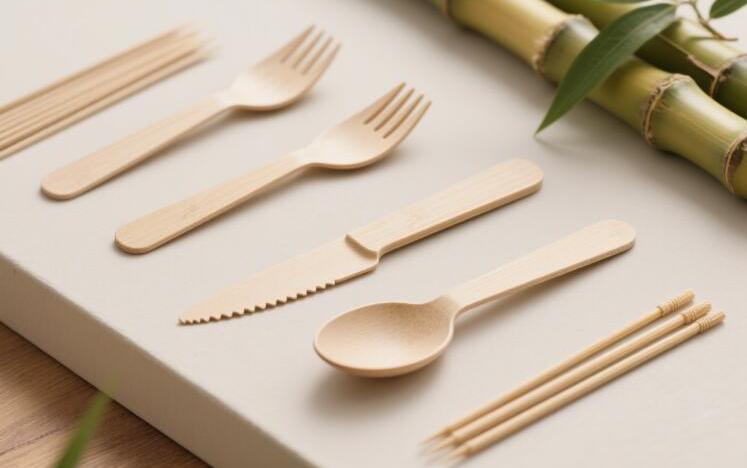
Local artisans craft bamboo and wooden utensils by hand. Their work is often unique and supports small businesses. You can find them at craft fairs or local markets.
Buying from artisans lets you ask about the materials and crafting process. You get a special utensil with a personal touch.
Price Vs Quality
Price does not always equal quality in bamboo and wooden utensils. Cheap utensils may wear out quickly or have rough finishes. Higher prices often mean better materials and craftsmanship.
Balance what you pay with how long you want the utensils to last. Investing in good quality saves money over time.
- Low price: may be less durable
- Mid price: good quality and value
- High price: best materials and craftsmanship
Credit: www.sanyangwood.com
Frequently Asked Questions
What Are The Benefits Of Bamboo Utensils Over Wooden Ones?
Bamboo utensils are eco-friendly, lightweight, and naturally antimicrobial. They resist water better than wood, reducing warping and cracking. Bamboo grows quickly, making it more sustainable. Wooden utensils, however, offer a classic look and durability but need more care. Choose based on your preference and usage.
How To Maintain Bamboo And Wooden Utensils Properly?
Clean utensils with mild soap and warm water immediately after use. Avoid soaking to prevent damage. Dry thoroughly before storing. Occasionally, oil wooden utensils with food-safe mineral oil to keep them hydrated. Bamboo needs less oiling but benefits from occasional conditioning to maintain longevity.
Are Bamboo And Wooden Utensils Safe For Cooking?
Yes, both bamboo and wooden utensils are safe for cooking. They do not react with acidic foods or leach harmful chemicals. They are gentle on cookware surfaces, especially non-stick pans. Always ensure utensils are food-grade and untreated with harmful finishes for safety.
Which Is More Durable: Bamboo Or Wooden Utensils?
Bamboo utensils tend to be more durable due to their dense fibers and resistance to moisture. Wooden utensils can last long but may crack or warp if not cared for properly. Durability depends on the wood type and maintenance. Bamboo is generally a sturdier option.
Conclusion
Choosing bamboo or wooden utensils depends on your needs and style. Both types offer durability and a natural look. Bamboo is lightweight and eco-friendly. Wooden utensils bring a classic feel to your kitchen. Think about how often you cook and clean.
Also, consider the care each requires. Pick utensils that feel right in your hand. Enjoy cooking with tools that match your values and taste. Simple choices can make your kitchen warm and inviting.