
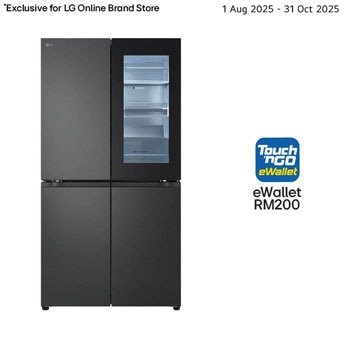
Are you tired of high electricity bills and worried about your impact on the environment? Switching to an energy-efficient refrigerator can save you money and reduce your carbon footprint.
But how do you choose the right one, and what steps should you take to make the switch smooth and effective? This guide will walk you through everything you need to know, helping you make smart choices that benefit both your home and the planet.
Keep reading to discover simple tips and tricks that will make your switch easier than you ever thought.
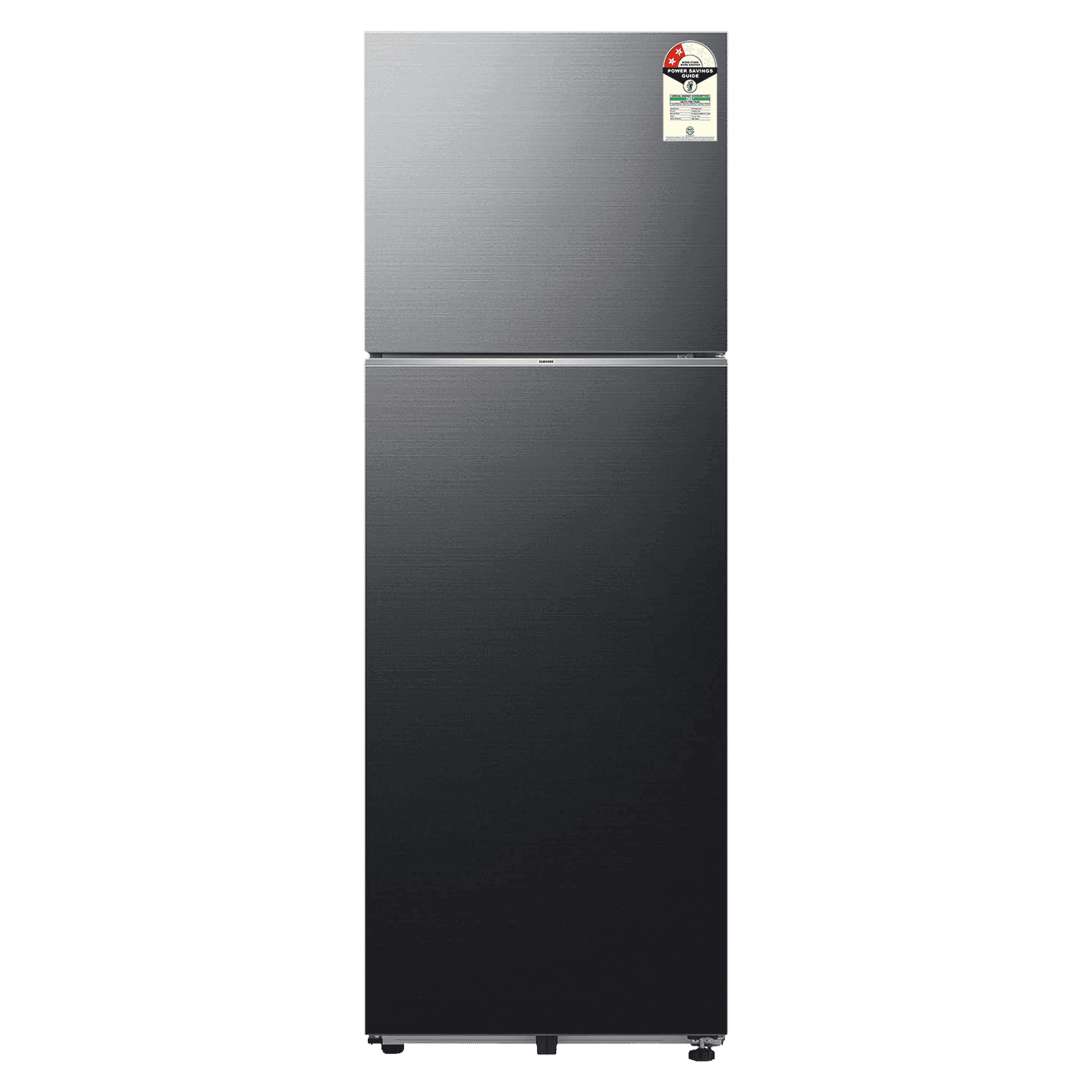
Credit: www.tataneu.com
Benefits Of Energy-efficient Refrigerators
Switching to energy-efficient refrigerators offers many advantages. These modern appliances are designed to consume less electricity, helping you save money and reduce your carbon footprint.
They also provide better cooling performance, ensuring your food stays fresh longer. Let’s explore these benefits in detail.
Lower Electricity Bills
Energy-efficient refrigerators use advanced technology to minimize power consumption. This means they use less electricity compared to older models.
By using less power, your monthly electricity bills decrease. Over time, this can lead to significant savings for your household.
Reduced Environmental Impact
Using less energy is not only good for your wallet but also for the environment. Energy-efficient refrigerators produce fewer greenhouse gas emissions.
This means they help reduce the impact on climate change. Choosing these appliances supports a more sustainable future.
Improved Cooling Performance
Energy-efficient refrigerators are designed to offer superior cooling. They maintain a consistent temperature, which keeps your food fresh.
With better temperature control, food lasts longer, reducing waste. This ensures that you get the most out of your groceries.
- Consistent cooling keeps food fresh
- Reduces food waste
- Better storage options
Choosing The Right Energy-efficient Model
Switching to an energy-efficient refrigerator can lower your electricity bills. It also helps reduce your home’s carbon footprint.
Choosing the right model is important. You need one that fits your needs and saves energy.
Energy Star Ratings
Look for the Energy Star label on refrigerators. This label means the fridge meets energy-saving rules set by experts.
Energy Star refrigerators use about 10% less energy than standard models. This saves money and helps the environment.
- Check the Energy Star logo on the fridge
- Review the estimated yearly energy cost
- Compare energy use between models
Size And Capacity Considerations
Choose a refrigerator size that fits your household. Too big wastes energy, too small may not store enough food.
Think about the space you have in your kitchen. Measure the area before buying to avoid fitting problems.
- Small fridges work for 1-2 people
- Medium fridges fit families of 3-4
- Large fridges suit bigger families or meal preppers
- Consider door openings and shelf layouts
Features To Look For
Energy-efficient refrigerators have features that help save power. Look for these features to get the best model.
Some features keep food fresh longer and reduce waste. Others lower energy use during busy or slow times.
- LED lighting uses less energy than bulbs
- Adjustable thermostats keep temperature steady
- Frost-free models reduce ice build-up
- Smart sensors adjust cooling based on usage
- Separate temperature zones for fridge and freezer
Steps To Replace Your Old Refrigerator
Switching to an energy-efficient refrigerator saves money and helps the environment. Start by planning each step carefully.
This guide shows how to assess your current fridge, budget for a new one, and dispose of the old appliance properly.
Assessing Your Current Appliance
Check how old your refrigerator is and how much energy it uses. Older models often waste more electricity.
Look for signs like frequent repairs or rising energy bills. These can mean it is time to replace your fridge.
- Check the age and model of your fridge
- Review your energy bills for high usage
- Note any frequent breakdowns or repairs
Budgeting For The Upgrade
Decide how much money you can spend on a new refrigerator. Energy-efficient models may cost more upfront but save money over time.
Look for rebates or discounts from local utilities or stores to reduce the price.
- Set a budget based on your finances
- Compare energy-efficient models and prices
- Check for local rebates or deals
Disposal And Recycling Options
Find safe ways to dispose of your old refrigerator. Many parts can be recycled to reduce waste and protect the environment.
Contact local recycling centers or appliance stores to learn about pickup or drop-off services.
- Ask if your store offers old fridge removal
- Locate nearby appliance recycling centers
- Follow local rules for hazardous materials
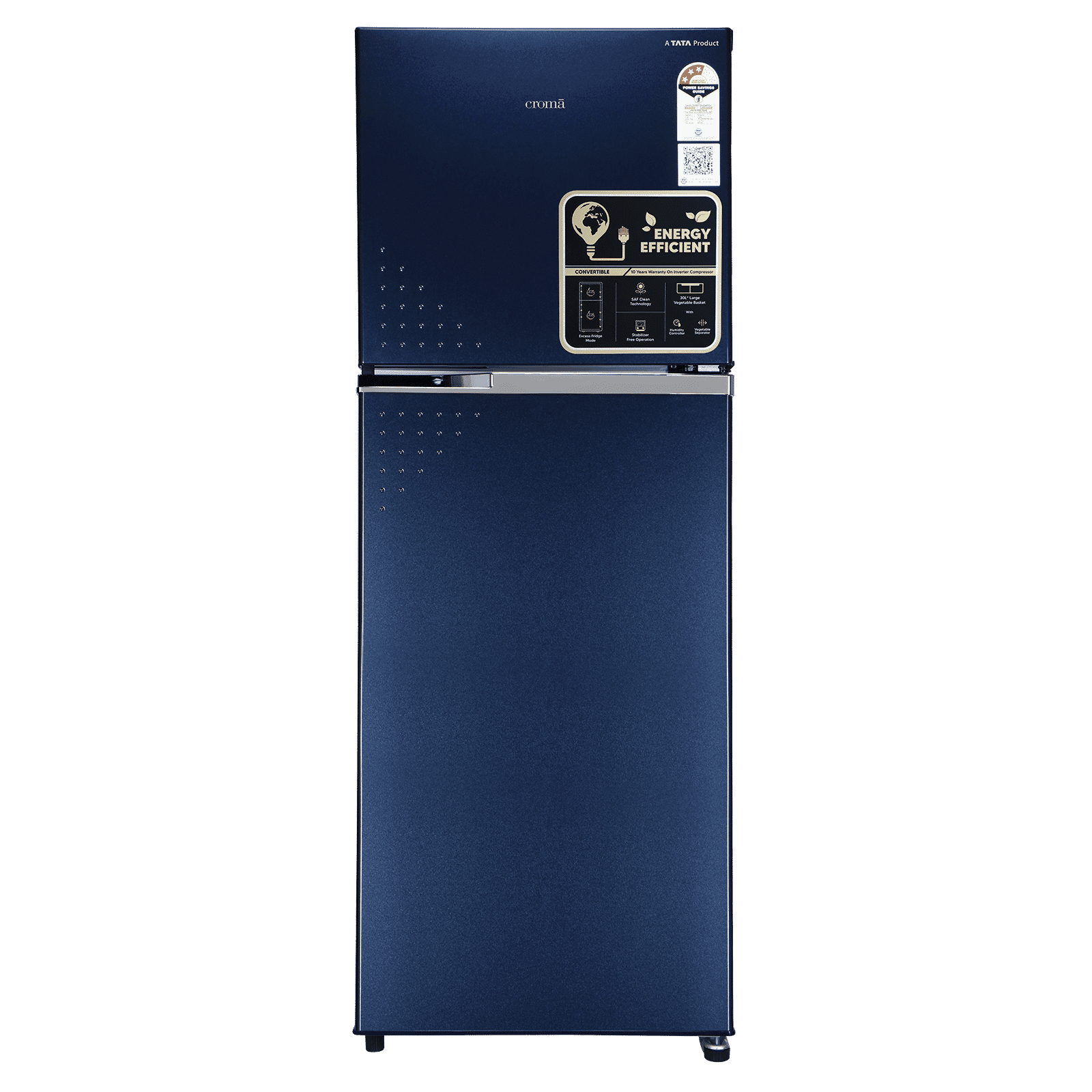
Credit: www.tataneu.com
Maximizing Savings After Installation
Switching to an energy-efficient refrigerator helps lower electricity bills. Proper use and care keep those savings going strong.
Small habits and regular upkeep make your fridge work better. This reduces energy use and extends its life.
Optimal Temperature Settings
Setting the right temperature keeps food fresh and saves energy. Too cold or too warm settings waste power.
Keep your refrigerator between 37°F and 40°F. Set the freezer at 0°F for best results.
- Refrigerator: 37°F to 40°F (3°C to 4°C)
- Freezer: 0°F (-18°C)
- Check settings monthly with a thermometer
Regular Maintenance Tips
Clean your fridge regularly to keep it efficient. Dust and dirt on coils make it use more energy.
Check door seals often. Tight seals stop cold air from escaping and reduce power use.
- Clean condenser coils every 6 months
- Check and replace door gaskets if damaged
- Defrost freezer when ice builds up over 1/4 inch
- Keep vents inside the fridge clear
Smart Usage Habits
Use your refrigerator wisely to save energy. Open the door less and organize food well.
Keep the fridge full but not overcrowded. This helps it keep cold air inside better.
- Plan what you need before opening the door
- Close the door quickly after use
- Store food in airtight containers
- Let hot food cool before placing inside
- Do not block air vents inside the fridge
Incentives And Rebates For Energy-efficient Appliances
Switching to an energy-efficient refrigerator saves money on electricity bills. Many programs offer incentives to help lower the cost.
These incentives make it easier for people to buy eco-friendly appliances. Learn about different ways to get rebates and discounts.
Government Programs
Governments often run programs to encourage buying energy-efficient appliances. These programs give cash rebates or tax credits.
Check local or national government websites to see which programs apply to you. Some programs require you to buy specific refrigerator models.
- Federal tax credits for energy-efficient appliances
- State rebates for upgrading old refrigerators
- Local grants to reduce energy use at home
Utility Company Offers
Utility companies often provide discounts or rebates for energy-efficient refrigerators. These offers help lower your energy use and bills.
Some utilities send rebates after you buy and install the new appliance. Others offer instant discounts at stores.
- Rebates for replacing old refrigerators
- Special rates on energy-efficient appliances
- Free home energy audits with purchase
Manufacturer Discounts
Appliance makers sometimes offer discounts on energy-efficient refrigerators. These deals help reduce the upfront cost.
Look for seasonal sales or promotions on models with Energy Star labels. Some manufacturers also provide mail-in rebates.
- Seasonal price cuts on energy-saving models
- Mail-in rebates for Energy Star products
- Bundles with other energy-efficient appliances
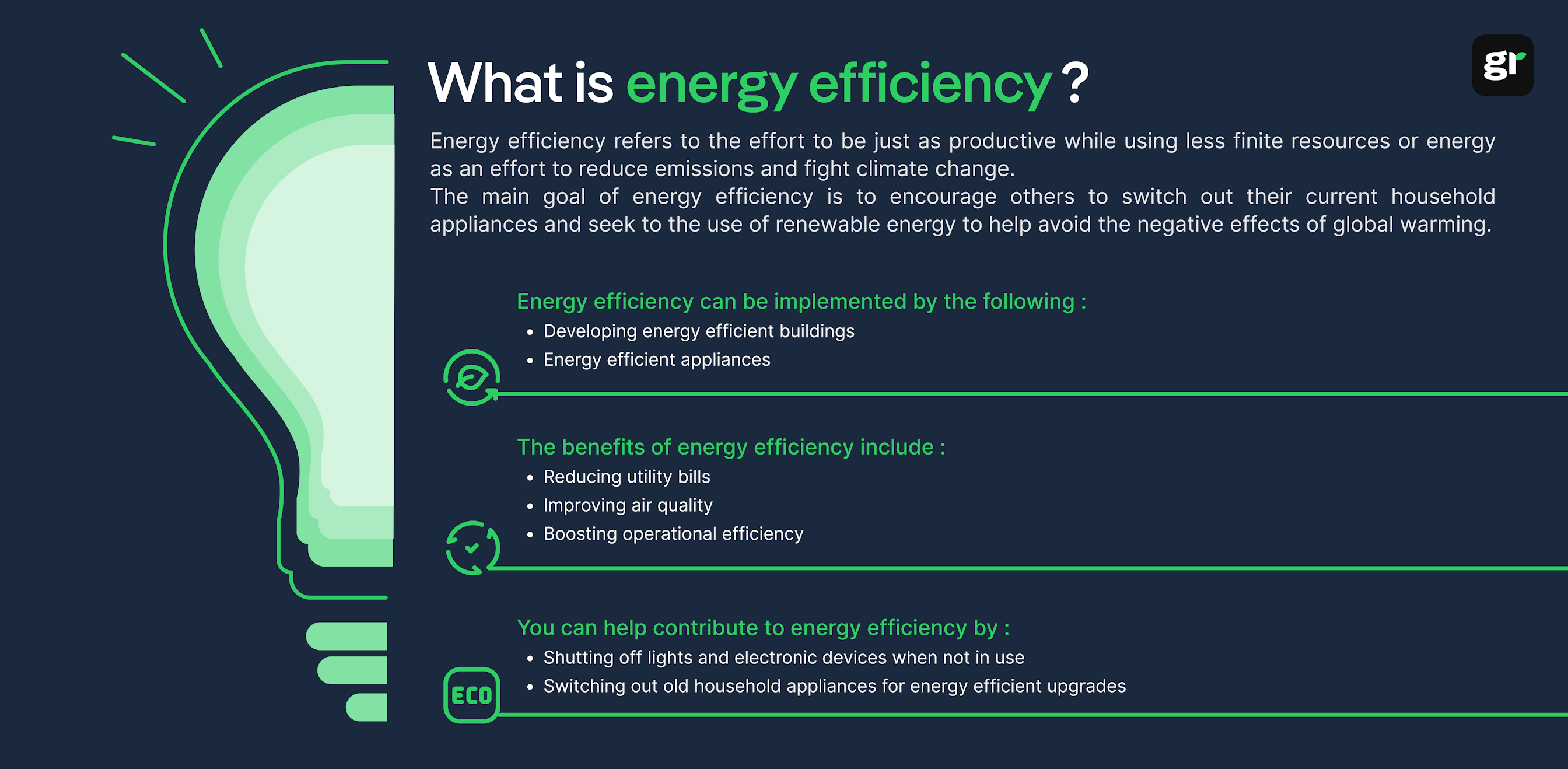
Credit: greenly.earth
Frequently Asked Questions
What Are The Benefits Of Energy-efficient Refrigerators?
Energy-efficient refrigerators reduce electricity bills significantly. They lower carbon footprints by using less power. These models also offer better cooling technology and longer lifespan, making them cost-effective and eco-friendly choices for any household.
How To Choose The Right Energy-efficient Refrigerator?
Look for the ENERGY STAR label when selecting a refrigerator. Compare energy consumption ratings and sizes that fit your space. Consider features like inverter compressors and eco modes to maximize efficiency and save on energy costs.
Are Energy-efficient Refrigerators More Expensive Upfront?
Yes, they often cost more initially due to advanced technology. However, energy savings over time offset the higher price. Lower electricity bills and potential rebates make them a smart long-term investment.
How Much Energy Can I Save By Switching?
Energy-efficient refrigerators use about 10-50% less electricity than older models. Savings depend on usage and model efficiency. This reduction translates to noticeable cuts in monthly energy bills and environmental impact.
Conclusion
Switching to an energy-efficient refrigerator saves money and helps the planet. Choose models with the ENERGY STAR label for best results. Measure your space before buying to avoid fitting issues. Unplug old fridges properly to avoid energy waste. Small changes make a big difference in energy use.
Start today to enjoy lower bills and a greener home. Simple steps lead to smarter, cleaner living.