
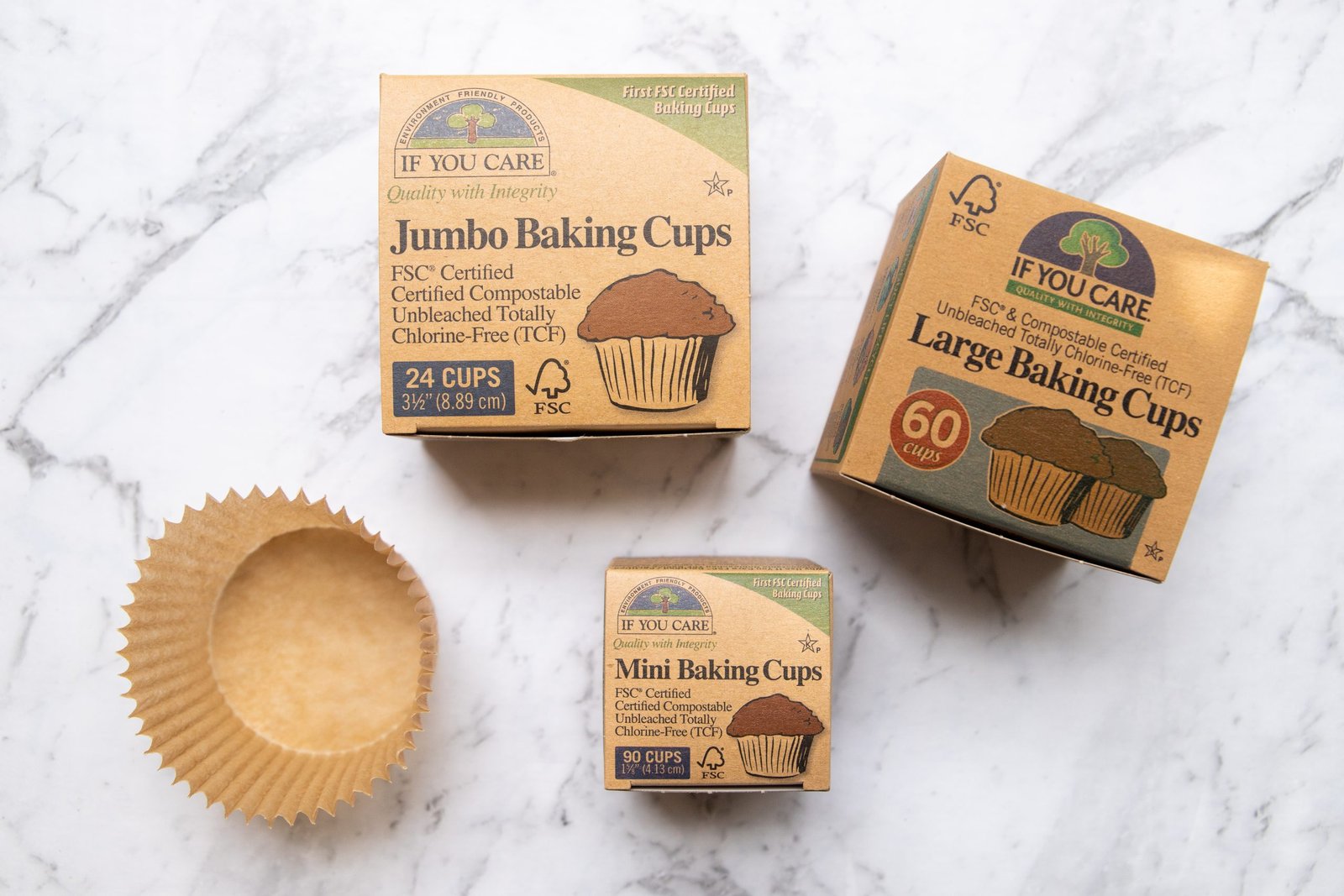
Are you tired of using baking cups that harm the environment or ruin your delicious treats? Choosing the right compostable baking cups can make a big difference—not just for your baked goods, but for the planet too.
But with so many options out there, how do you know which ones are truly eco-friendly and effective? You’ll discover simple tips to pick baking cups that fit your needs, keep your kitchen clean, and help reduce waste. Keep reading to find out how to make the best choice for your baking and the environment.
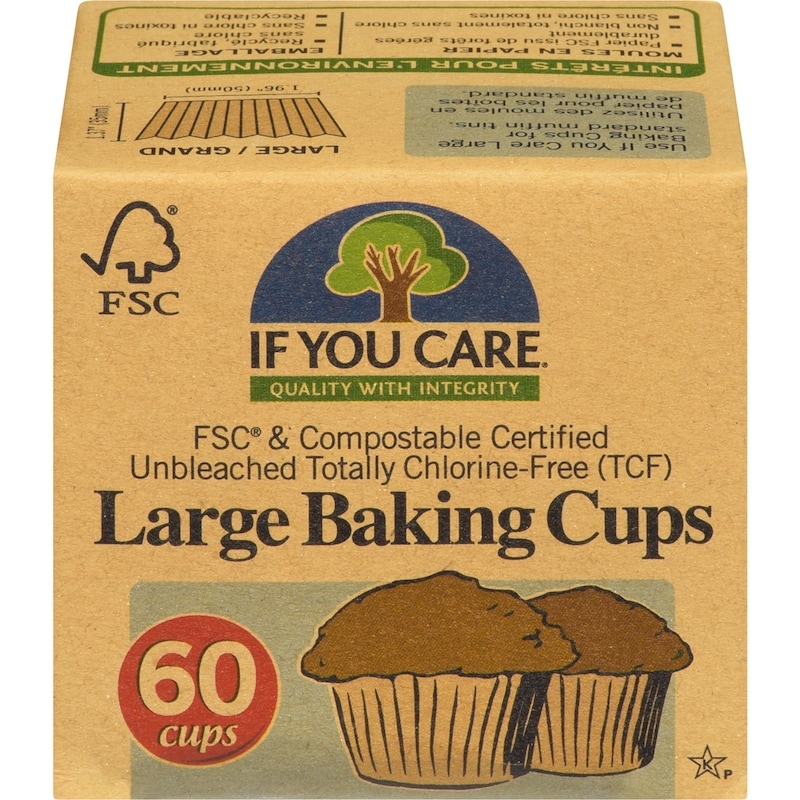
Credit: www.realcanadiansuperstore.ca
Benefits Of Compostable Baking Cups
Compostable baking cups are a smart choice for eco-friendly baking. They offer multiple advantages over traditional options.
These cups break down naturally and do not harm the environment. They are safe and cost-effective for baking needs.
Environmental Impact
Compostable baking cups are made from natural materials. This means they decompose easily in compost bins.
They reduce waste in landfills and help protect wildlife. Choosing these cups supports sustainable practices.
- Biodegradable materials
- Less landfill waste
- Eco-friendly production
Health And Safety
Compostable baking cups are safe for food contact. They are free from harmful chemicals and toxins.
Using these cups ensures that your food remains healthy. They are also heat-resistant and durable.
- Non-toxic materials
- Food-safe and heat-resistant
- No harmful residues
Cost Considerations
Compostable baking cups may cost slightly more than regular ones. However, they offer long-term savings by reducing environmental impact.
Buying in bulk can lower the cost per unit. This makes them an affordable option for eco-conscious bakers.
- Bulk purchasing saves money
- Long-term environmental savings
- Affordable for eco-friendly baking
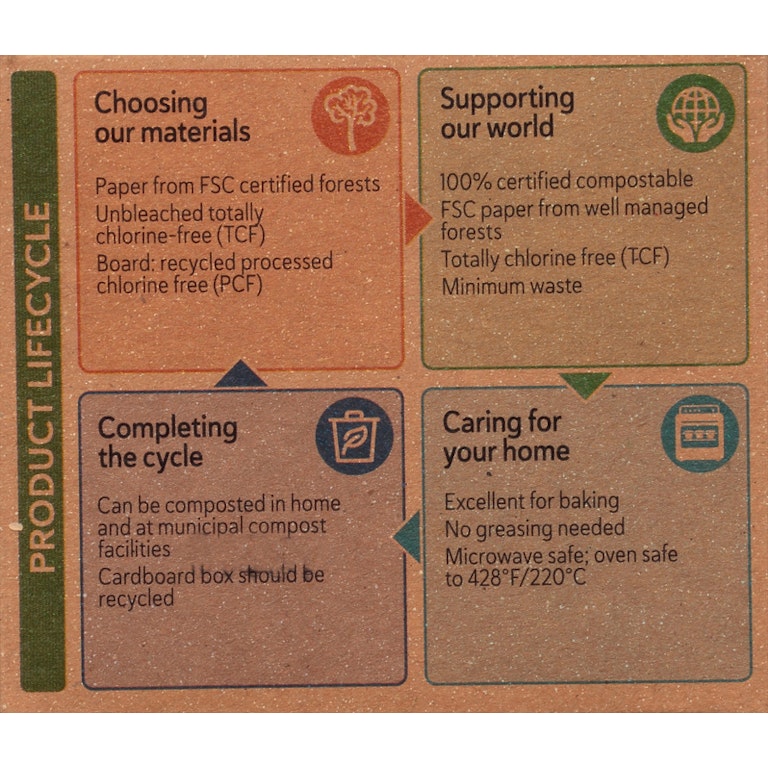
Credit: www.gianteagle.com
Materials Used In Compostable Cups
Compostable baking cups are made from materials that break down naturally. These materials help reduce waste and protect the environment.
Choosing the right materials affects how well the cups compost and how safe they are for baking.
Plant-based Fibers
Plant-based fibers come from renewable sources like wood, bamboo, or sugarcane. These fibers form the main structure of compostable baking cups.
They are strong enough to hold batter and can break down easily in compost settings.
- Wood pulp is soft and biodegradable
- Bamboo fibers grow fast and are sustainable
- Sugarcane fibers (bagasse) are a byproduct and eco-friendly
Biodegradable Coatings
Biodegradable coatings protect baking cups from grease and moisture. These coatings help keep the cup intact while baking.
Unlike plastic, these coatings break down quickly and safely in compost environments.
- Starch-based coatings are made from corn or potato starch
- PLA (polylactic acid) is a plant-based plastic alternative
- Cellulose coatings come from plant fibers and are compostable
Certifications To Look For
Certifications show that baking cups meet compostable standards. They help you trust the product’s environmental claims.
Look for these common certifications on packaging or product details.
- Compostable certification by organizations like ASTM D6400 or EN 13432
- FDA approval for food contact safety
- OK Compost label indicating home or industrial compostability
Performance Factors
Choosing the right compostable baking cups depends on how well they perform during baking. Key factors include heat resistance, grease and moisture barrier, and durability.
These factors affect baking results and ease of use. Understanding them helps you pick the best cups for your needs.
Heat Resistance
Compostable baking cups must handle oven temperatures without burning or melting. Good heat resistance keeps the cup shape and protects the baked goods.
Look for cups made from materials that can withstand at least 400°F (204°C). This range covers most baking needs safely.
- Prevents warping or burning in the oven
- Maintains shape for even baking
- Keeps food safe without melting chemicals
Grease And Moisture Barrier
Baking cups should block grease and moisture to avoid leaks and sogginess. A good barrier keeps the baking cup clean and intact.
Choose cups with a natural or compostable lining that resists oil and moisture. This helps maintain the texture of your baked goods.
- Prevents oil stains on the outside
- Stops moisture from weakening the cup
- Keeps cupcakes and muffins fresh
Durability During Baking
Durability means the baking cup holds up from start to finish. It should not tear or collapse when filled with batter or removed from the tray.
Look for sturdy compostable materials that support the batter weight and stay firm after baking.
- Supports batter without bending
- Easy to peel off without breaking
- Holds shape after baking and cooling
Credit: www.gianteagle.com
Sizing And Design Options
Choosing the right compostable baking cups is important for baking success. Size and design affect how your baked goods turn out and look.
Different sizes and styles fit various recipes and occasions. Understanding options helps you pick the best cups for your needs.
Cup Sizes For Different Bakes
Compostable baking cups come in several sizes to fit different baked goods. Small cups work well for mini cupcakes and muffins.
Larger sizes fit standard cupcakes or muffins. Extra-large cups hold bigger treats or layered desserts.
- Mini size: perfect for bite-sized treats
- Standard size: fits most cupcakes and muffins
- Jumbo size: good for large cupcakes or desserts
Shapes And Colors
Baking cups come in different shapes like round, fluted, or square. Shape affects how your baked goods hold their form.
Colors add visual appeal. You can choose plain white, natural brown, or vibrant colors to match themes.
- Round: classic and common shape
- Fluted: adds decorative edges
- Square: modern and unique look
- Colors: white, brown, red, blue, and more
Customization Possibilities
Some compostable baking cups allow customization. You can print logos, patterns, or messages on the cups.
Custom designs help personalize your baked goods for events or brands. Check if the supplier offers this service.
- Printed logos for branding
- Patterns for holiday or party themes
- Custom messages or names
- Mix and match colors and shapes
Where To Buy Compostable Baking Cups
Finding the right place to buy compostable baking cups is important. These cups help reduce waste and are good for the environment.
You can buy compostable baking cups from several sources. Each option offers different benefits and choices.
Online Retailers
Online stores have a wide range of compostable baking cups. You can compare prices and read reviews easily.
Shopping online lets you find different sizes, colors, and materials. Many sites offer fast shipping.
- Large selection of products
- Easy to compare brands and prices
- Convenient home delivery
Local Eco Stores
Local eco stores often carry compostable baking cups. They focus on products that are good for the planet.
Visiting these stores helps you see the product before buying. You can also ask staff for advice.
- Supports local businesses
- Offers eco-friendly product choices
- Personal help from store staff
Wholesale Suppliers
Wholesale suppliers sell compostable baking cups in bulk. This option is good for bakeries or events.
Buying wholesale usually lowers the price per cup. You get enough supply for large baking needs.
- Lower cost per unit
- Large quantities available
- Good for businesses and parties
Tips For Proper Composting
Choosing compostable baking cups is great for the environment. To make sure they break down well, proper composting is important. This guide helps you compost baking cups the right way.
Follow simple rules for home or commercial composting. Avoid mistakes that can harm compost quality. Let’s look at key tips for composting baking cups.
Home Composting Guidelines
Home composting is easy but needs care. Baking cups must be fully compostable and free from plastic coatings. Tear them into small pieces to help break down faster.
Keep your compost pile moist and turn it often. Hot temperatures help decompose baking cups. Add green materials like kitchen scraps and brown materials like dry leaves.
- Check baking cups for compostable labels
- Remove any foil or plastic parts
- Cut cups into smaller pieces
- Keep compost moist but not wet
- Turn compost every 1-2 weeks
Commercial Composting Facilities
Commercial composting works faster because it uses high heat and machines. Make sure baking cups are accepted by the facility. Some cups need special industrial composting to break down.
Contact your local composting center for rules. Drop off or arrange pickup for baking cups and other compostables. This helps reduce waste in landfills.
- Verify compostable certification on packaging
- Ask facility about accepted materials
- Keep baking cups free from food waste
- Use designated compost bins
- Follow local composting rules
Avoiding Contamination
Contamination can ruin compost. Avoid mixing baking cups with non-compostable trash. Clean cups from heavy grease or food to speed composting.
Use separate bins for compost and trash. Teach family or coworkers to sort waste correctly. Clear labels on bins help prevent mistakes.
- Do not compost plastic or foil cups
- Remove food scraps that won’t compost easily
- Keep compost area clean
- Use clear signs on compost bins
- Regularly check compost for wrong items
Frequently Asked Questions
What Are Compostable Baking Cups Made Of?
Compostable baking cups are made from natural materials like unbleached paper, cornstarch, or sugarcane fibers. These materials break down easily in compost conditions, reducing waste and environmental impact compared to traditional plastic or foil cups.
How To Identify Truly Compostable Baking Cups?
Look for certifications like ASTM D6400 or EN 13432 on packaging. These labels ensure the cups meet standards for compostability and biodegradation in industrial compost facilities, guaranteeing eco-friendly disposal.
Are Compostable Baking Cups Microwave And Oven Safe?
Yes, most compostable baking cups can withstand oven and microwave heat. However, always check product instructions to confirm temperature limits and avoid burning or melting during baking.
Can Compostable Baking Cups Be Recycled?
No, compostable baking cups should not go into recycling bins. They are designed to break down in compost, not recycling plants, which require different processing methods.
Conclusion
Choosing the right compostable baking cups helps the planet and your kitchen. Think about the materials, size, and how they break down. Pick cups that suit your baking style and disposal options. Small steps like this reduce waste and protect nature.
Remember, simple choices create a big difference over time. Start baking with care, and enjoy tasty treats that leave no harm behind.