
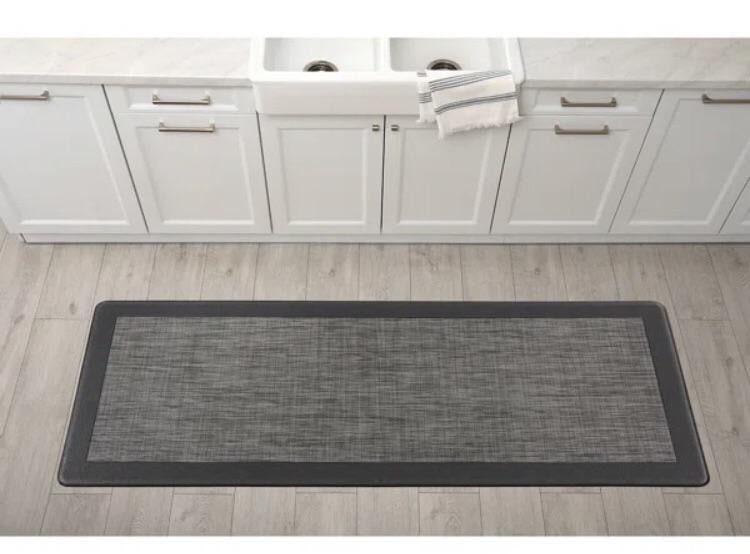
Are you ready to make a simple change that can protect your home and the planet? Switching to sustainable kitchen mats is easier than you think—and it can make a big difference.
Your kitchen is one of the busiest spots in your home, so choosing mats that are eco-friendly and safe for your family matters. You’ll discover practical tips and smart choices to help you find the perfect sustainable kitchen mat. Keep reading to learn how a small swap can lead to a healthier home and a greener future.
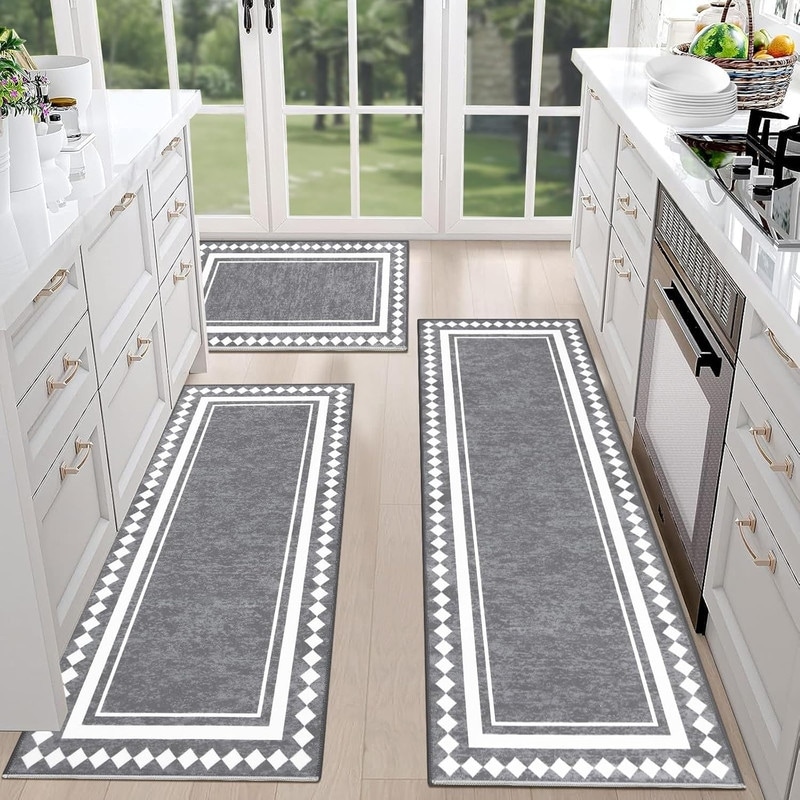
Credit: www.bedbathandbeyond.com
Benefits Of Sustainable Kitchen Mats
Sustainable kitchen mats are an excellent choice for an eco-friendly home. They offer many benefits, from health to cost savings.
Switching to these mats can improve your kitchen experience. Learn about their advantages below.
Health And Safety Advantages
Sustainable kitchen mats are made from non-toxic materials. They do not emit harmful chemicals into the air.
These mats provide a non-slip surface. This reduces the risk of falls and injuries in the kitchen.
- Non-toxic materials
- Reduces falls
- Easy to clean
Environmental Impact
Sustainable mats use materials like recycled rubber or natural fibers. This reduces waste and conserves resources.
They are often biodegradable or recyclable. This helps decrease landfill waste.
- Recycled materials
- Biodegradable options
- Less landfill waste
Durability And Cost Efficiency
Sustainable mats are built to last. They can withstand wear and tear better than synthetic mats.
Though they may cost more initially, their durability saves money over time. You won’t need to replace them as often.
- Long-lasting materials
- Fewer replacements needed
- Cost-effective in the long run

Credit: www.amazon.com
Choosing The Right Eco-friendly Material
Switching to sustainable kitchen mats helps reduce waste and pollution. Choosing the right material is key for a greener home.
Eco-friendly mats come in many types. Each option has unique benefits for the environment and your kitchen.
Natural Fibers
Natural fiber mats use materials from plants or animals. They break down easily and do not harm nature.
Common natural fibers include cotton, jute, and coir. These mats are soft and durable for kitchen use.
- Cotton mats absorb water and are machine washable
- Jute mats have a rough texture and dry fast
- Coir mats resist mold and last a long time
Recycled And Upcycled Options
Recycled mats use materials that would otherwise be trash. Upcycled mats give old items a new life.
These options cut down on waste and save resources. They often have unique looks and textures.
- Mats made from recycled rubber offer good grip and durability
- Upcycled fabric mats use scraps from other products
- Plastic bottle mats reduce ocean waste and pollution
Non-toxic And Biodegradable Mats
Non-toxic mats do not release harmful chemicals into your home. Biodegradable mats break down safely in soil.
Look for mats made without PVC, lead, or harmful dyes. These mats protect your health and the planet.
- Natural rubber mats are free of toxins and decompose naturally
- Biodegradable mats often use plant-based materials
- Choose mats labeled non-toxic for safe indoor use
Where To Find Sustainable Kitchen Mats
Choosing sustainable kitchen mats helps reduce waste and protect the environment. These mats use natural or recycled materials that last longer and are safer.
You can find sustainable kitchen mats in different places. Some options include local shops, online stores, and even making your own.
Local Stores And Markets
Many local stores offer eco-friendly kitchen mats. Check home goods shops, organic markets, or specialty stores. Staff can help you find mats made from natural fibers.
Farmers markets and craft fairs sometimes have handmade mats. These support local makers and reduce shipping pollution.
Online Eco-friendly Retailers
Online shops offer a wide range of sustainable kitchen mats. Many focus on eco-friendly materials like bamboo, cork, or recycled rubber.
Look for websites that provide clear information about materials and production methods. This helps you pick truly green products.
- Search for mats made from organic cotton or jute
- Choose recycled or biodegradable materials
- Read customer reviews to check quality
Diy And Handmade Alternatives
Making your own kitchen mat is a great way to be sustainable. Use old fabric scraps or natural fibers you already have.
You can also find handmade mats on craft websites. These mats often use natural dyes and traditional methods.
- Use recycled cloth or old towels
- Try weaving or knotting natural fibers
- Support local artisans by buying handmade mats
Tips For Maintaining Eco-friendly Mats
Eco-friendly kitchen mats help reduce waste and protect the environment. Keeping them clean and well-maintained makes them last longer.
Follow simple care tips to keep your sustainable mats fresh and durable. This helps you enjoy their benefits for many years.
Cleaning Without Chemicals
Use natural ingredients to clean your mats instead of harsh chemicals. This keeps the mats safe and eco-friendly.
Mix baking soda and water to make a gentle scrub. Use a soft brush or cloth to remove dirt and stains.
- Sprinkle baking soda on the mat
- Scrub gently with a damp cloth or brush
- Rinse with clean water
- Air dry completely before use
Proper Drying Techniques
Dry your mats well after cleaning to stop mold and bad smells. Avoid direct sunlight to protect the material.
Lay the mat flat or hang it in a shaded, airy place. Make sure it is fully dry before putting it back on the floor.
- Dry in a cool, shaded area
- Use a drying rack or hang the mat
- Flip the mat to dry both sides
- Do not use a dryer or heater
Extending Mat Lifespan
Take care of your eco-friendly mats to help them last longer. Avoid heavy pressure and sharp objects on the surface.
Clean mats regularly and store them rolled up when not in use. This prevents damage and keeps them in good shape.
- Clean mats every few weeks
- Roll mats gently to store
- Keep mats away from heat sources
- Do not place heavy furniture on mats
Integrating Sustainable Mats Into Your Kitchen
Sustainable kitchen mats help reduce waste and protect the environment. They are made from eco-friendly materials like natural rubber, bamboo, or recycled fibers.
Switching to sustainable mats brings comfort and style to your kitchen. It also supports a greener lifestyle with small but important changes.
Styling And Placement Ideas
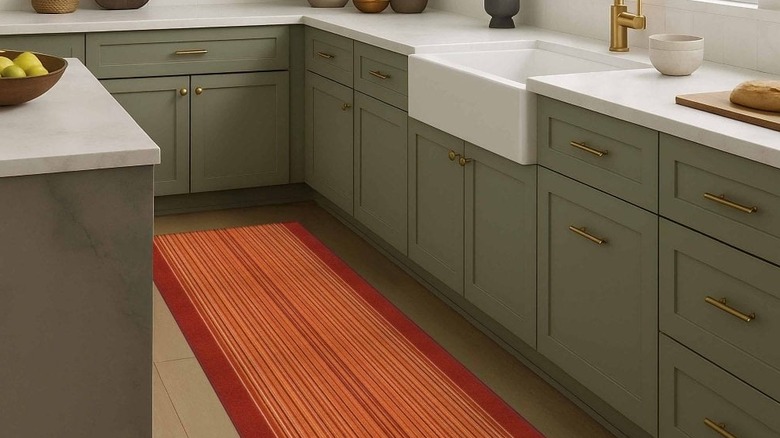
Choose mats with colors and patterns that match your kitchen decor. Place mats in areas where you stand the most, like in front of the sink or stove.
Mix different textures and shapes to add interest. Round or runner mats can fit narrow spaces well.
- Use a soft mat near the sink for comfort while washing dishes
- Place a durable mat by the stove to catch spills
- Try a runner mat along counters for extra cushioning
- Choose colors that blend or contrast with your kitchen walls and cabinets
Combining With Other Eco-friendly Practices
Pair sustainable mats with other green kitchen habits. Use reusable dishcloths instead of paper towels. Choose energy-efficient appliances to save power.
Recycle kitchen waste and compost food scraps. These actions support your eco-friendly kitchen goals together with sustainable mats.
- Switch to reusable containers for leftovers
- Use water-saving faucets
- Recycle plastic, glass, and paper properly
- Choose organic or local produce
Encouraging Household Adoption
Talk with family about the benefits of sustainable mats. Show how they improve comfort and help the planet. Let everyone pick their favorite mat style.
Set reminders to care for the mats properly. Cleaning and maintaining them keeps them lasting longer. Involve kids by teaching simple eco-friendly habits.
- Explain why eco-friendly choices matter
- Make mat care a shared task
- Celebrate small green changes
- Lead by example with your own habits
Credit: www.housedigest.com
Frequently Asked Questions
What Are Sustainable Kitchen Mats Made Of?
Sustainable kitchen mats are made from eco-friendly materials like natural rubber, organic cotton, or recycled fibers. These materials reduce environmental impact and promote durability. Choosing such mats supports waste reduction and healthier indoor environments.
How Do I Choose Eco-friendly Kitchen Mats?
Look for mats made from biodegradable or recycled materials with non-toxic dyes. Check for certifications like OEKO-TEX or GOTS. Prioritize durability and ease of cleaning to ensure long-term use and sustainability.
Are Sustainable Kitchen Mats Safe For Food Preparation?
Yes, sustainable kitchen mats are typically free from harmful chemicals and toxins. They provide a safe surface for kitchen tasks. Always verify product labels to ensure food-safe certifications and non-toxic materials.
How To Maintain Sustainable Kitchen Mats Effectively?
Clean your sustainable mat regularly with mild soap and water. Avoid harsh chemicals or machine washing unless specified. Proper care extends the mat’s lifespan and keeps it hygienic.
Conclusion
Choosing sustainable kitchen mats helps protect the environment and your home. These mats last longer and use eco-friendly materials. They reduce waste and keep your kitchen safe and clean. Small changes, like switching mats, add up to big benefits. Start with one mat and see the difference it makes.
Making green choices feels good and supports a healthier planet. Your kitchen can be stylish and kind to nature. Simple steps create a better future for everyone.