
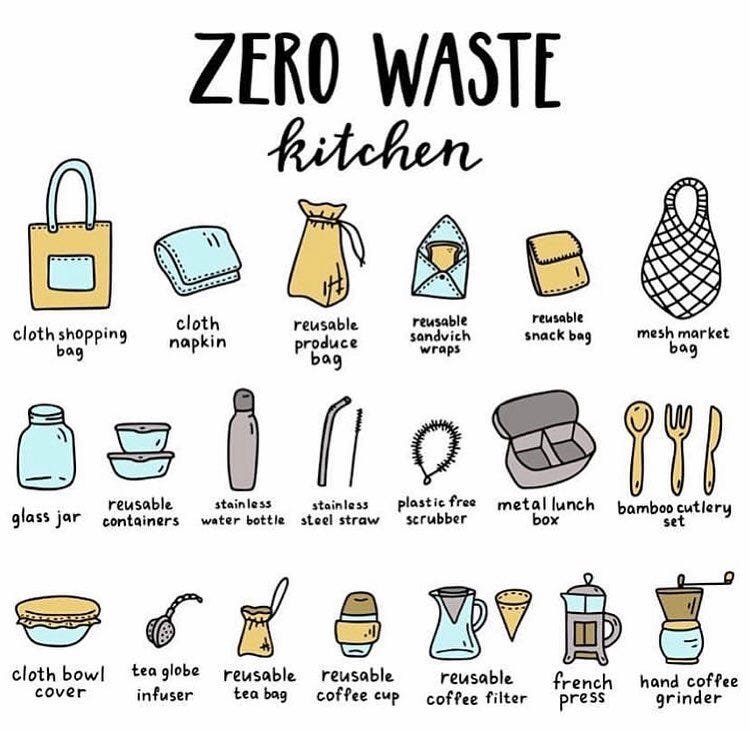
Are you ready to make your kitchen more eco-friendly and organized? Using reusable kitchen bags is a simple change that can save you money, reduce waste, and keep your food fresher.
But to get the most out of them, you need the right tips and tricks. You’ll discover easy ways to use your reusable kitchen bags effectively, so you can enjoy a cleaner, greener, and more efficient kitchen. Keep reading to transform the way you store and carry your groceries!

Credit: www.thekitchn.com
Choosing The Right Bags
Reusable kitchen bags are eco-friendly and practical. It’s important to choose the right ones for your needs.
Consider materials, size, shape, and durability before purchasing. This ensures you get the best use from them.
Materials To Consider
Different materials offer unique benefits. Choose based on your storage needs and environmental goals.
- Silicone bags are flexible and heat-resistant.
- Canvas bags are durable and washable.
- Biodegradable plastics decompose faster.
Size And Shape Options
Size and shape affect what you can store. Think about your typical kitchen tasks.
- Small bags are great for snacks.
- Medium bags fit sandwiches and leftovers.
- Large bags store bulk items like grains.
Durability Factors
Durability ensures long-term use. Strong bags save money and reduce waste.
Check for reinforced seams and high-quality zippers. This prevents leaks and extends lifespan.
Cleaning And Maintenance
Reusable kitchen bags help reduce waste. Keeping them clean is important for safety and durability.
Proper cleaning and care stop germs and keep bags fresh for many uses.
Washing Techniques
Wash reusable bags after each use to remove food residue. Use warm water and mild soap for cleaning.
Machine wash bags if the label allows it. Use a gentle cycle to avoid damage.
- Turn bags inside out before washing
- Use a soft brush for tough stains
- Avoid bleach or harsh chemicals
- Rinse bags thoroughly to remove soap
Drying And Storage Tips
Dry bags completely before storing to stop mold and bad smells. Air drying is best.
Store bags in a clean, dry place. Avoid tight spaces where moisture can build up.
- Hang bags to dry on a clothesline or rack
- Keep bags open during drying for airflow
- Fold bags loosely for storage
- Check bags regularly for damage or dirt
Avoiding Contamination
Use separate bags for raw meat, fruits, and vegetables. This stops cross-contamination.
Label bags or use different colors to know what each bag holds. Clean bags after contact with raw food.
- Never reuse bags for raw meat without washing
- Keep bags away from cleaning chemicals
- Check bags for holes or tears before use
- Replace bags if they show damage or stains
Maximizing Bag Usage
Reusable kitchen bags help reduce waste and save money. Using them well keeps food fresh and organized.
Learn how to get the most from your reusable bags with smart tips. These simple steps help you use them often.
Organizing Groceries
Sort groceries by type before placing them in bags. This makes unpacking easier and keeps items safe.
Keep heavy items separate from light ones to avoid crushing. Use different bags for fragile and sturdy goods.
- Place canned goods in one bag
- Put bread and baked items in a soft bag
- Group snacks and dry goods together
- Keep cold items in insulated or thicker bags
Storing Produce Properly
Use breathable bags for fruits and vegetables. This prevents moisture build-up and extends freshness.
Clean your bags regularly to avoid bacteria. Dry them well before storing to keep produce safe.
- Use mesh bags for leafy greens
- Choose cotton bags for root vegetables
- Keep fruits like apples separate from other produce
- Label bags for easy identification
Using Bags For Different Foods
Designate bags for specific food groups. This helps prevent cross-contamination and keeps flavors fresh.
Wash bags often, especially after storing raw foods. Use separate bags for meats, grains, and snacks.
- Use waterproof bags for meat and fish
- Use cloth bags for bread and pastries
- Keep dry foods like nuts in sealed bags
- Use clear bags to see food inside quickly
Eco-friendly Benefits
Using reusable kitchen bags helps protect the environment. These bags reduce waste and save resources.
Choosing reusable bags is a simple way to support a cleaner planet. It lowers pollution and conserves energy.
Reducing Plastic Waste
Reusable kitchen bags cut down the use of single-use plastic bags. This helps stop plastic from filling landfills and oceans.
Less plastic waste means fewer animals get harmed by trash. It also means cleaner streets and parks.
- Reusable bags last longer than plastic bags
- They prevent thousands of plastic bags from being thrown away
- Using them reduces the amount of litter in nature
Lowering Carbon Footprint
Making plastic bags uses a lot of energy and oil. Using reusable bags lowers the demand for new plastic production.
Fewer plastic bags mean less pollution from factories. This helps reduce greenhouse gases that cause climate change.
- Reusable bags reduce the need for plastic manufacturing
- They cut down harmful gas emissions
- They support cleaner air and water
Supporting Sustainable Practices
Reusable kitchen bags often use natural or recycled materials. This supports companies that care about the planet.
By choosing these bags, you encourage more eco-friendly products and reduce waste in production.
- Many reusable bags are made from cotton or recycled fabrics
- Buying them helps businesses focus on green options
- It promotes a culture of reusing and recycling
Practical Tips For Daily Use
Reusable kitchen bags help reduce plastic waste and keep your food fresh. Using them every day can save money and protect the environment.
Learn simple ways to pack, label, and carry your reusable bags for better convenience and hygiene.
Packing Efficiently
Pack your reusable bags with care to keep food fresh and save space. Use different bags for fruits, vegetables, and dry goods.
Fold bags flat when not full to avoid wrinkles and save room in your kitchen or grocery cart.
- Fill bags lightly to avoid crushing soft items
- Use smaller bags for nuts, seeds, or spices
- Keep wet and dry foods separate
- Roll bags to store easily
Labeling Bags
Labeling reusable bags helps you find items quickly. It also keeps your kitchen organized and reduces food waste.
Use washable markers or reusable tags to write the contents and date on each bag.
- Write the food name for easy identification
- Add the packing date to track freshness
- Use color codes for different food groups
- Clean labels before reusing
Traveling With Reusable Bags
Bring your reusable bags on trips to avoid single-use plastic bags. Carry them folded in your purse or backpack.
Keep bags clean and dry to use them for snacks, souvenirs, or extra items you pick up while traveling.
- Choose bags that fold small for easy carrying
- Wash bags after travel to keep them fresh
- Bring extra bags for unexpected needs
- Use bags for both shopping and storage

Credit: www.getcleanpeople.com

Credit: www.kimecopak.ca
Frequently Asked Questions
How Do I Clean Reusable Kitchen Bags Properly?
To clean reusable kitchen bags, wash them with warm water and mild soap. Air dry completely before reuse to prevent mold. Some bags are machine washable; check the label for instructions. Regular cleaning maintains hygiene and extends bag lifespan.
What Materials Are Best For Reusable Kitchen Bags?
Cotton, mesh, and silicone are popular materials for reusable kitchen bags. Cotton is breathable and washable. Mesh bags allow air circulation, ideal for produce. Silicone bags are durable and leak-proof, perfect for liquids and snacks.
Can Reusable Kitchen Bags Replace Plastic Bags Completely?
Yes, reusable kitchen bags can replace plastic bags for shopping and storage. They reduce waste and are eco-friendly. Using them regularly helps minimize plastic pollution and supports sustainable living.
How Do I Store Reusable Kitchen Bags Efficiently?
Fold reusable kitchen bags neatly and store them in a drawer or hang them on hooks. Keep them dry and accessible for convenience. Proper storage prevents damage and keeps bags clean for repeated use.
Conclusion
Reusable kitchen bags help reduce waste and save money. Clean them often to keep food fresh and safe. Choose the right size for each use. Store them properly to avoid damage. Small changes make a big difference for the planet.
Start using reusable bags today and help protect the environment. Easy, simple steps create a cleaner kitchen and world.