
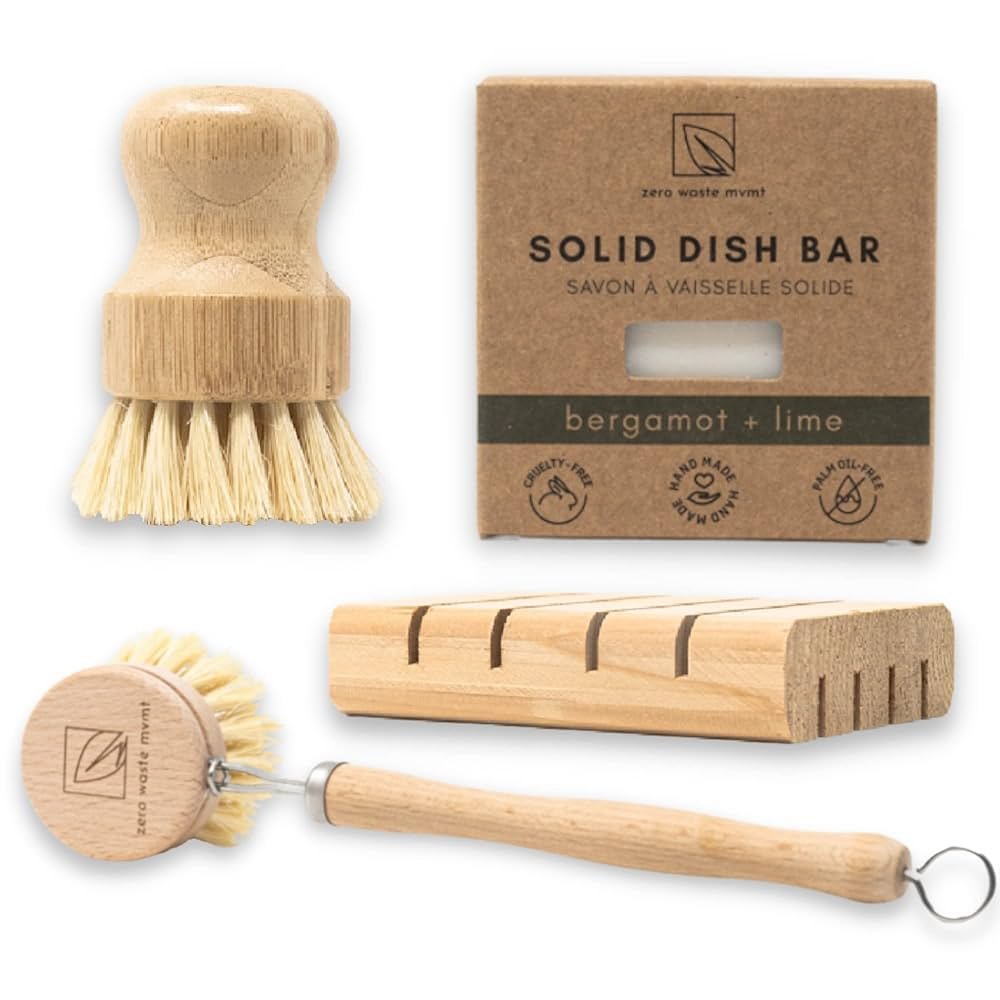
Are you tired of wasting money on dish brushes that wear out quickly and harm the environment? Choosing the right eco-friendly dish brush can make a big difference for your kitchen and the planet.
But with so many options, how do you pick one that cleans well, lasts long, and stays kind to nature? You’ll discover simple, practical tips to help you find the perfect eco-friendly dish brush. Keep reading to make your kitchen greener and your cleaning easier.
Benefits Of Eco-friendly Dish Brushes
Eco-friendly dish brushes are a great choice for your kitchen. They offer several benefits that help both the environment and your home.
These brushes are made from natural materials and are biodegradable. This makes them a sustainable option for everyday use.
Reducing Plastic Waste
Eco-friendly dish brushes help cut down on plastic waste. Traditional brushes often contain plastic that takes years to decompose.
Using brushes made from bamboo or wood reduces the need for plastic. This helps keep our oceans and landfills cleaner.
Health And Safety Advantages
Eco-friendly brushes are safer for your health. They are free from harmful chemicals often found in plastic products.
Natural materials like coconut fibers and wood are non-toxic. This ensures your dishes stay clean and safe for use.
Durability And Cost Efficiency
Eco-friendly brushes are durable and last longer. They can withstand regular use without breaking down quickly.
This makes them a cost-effective option. You save money by not having to replace them as often.
- Bamboo handles are strong and durable
- Coconut bristles are tough and long-lasting
- Natural brushes can be composted when worn out
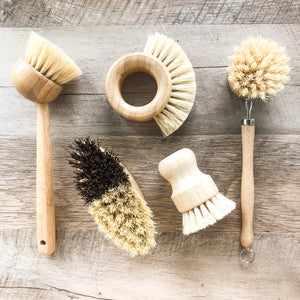
Credit: smileboutiques.com
Materials To Look For
Choosing eco-friendly dish brushes means picking materials that are kind to the earth. These materials should be natural, sustainable, and safe to use.
Focus on parts like the handle and bristles. These are the main areas where materials matter most.
Bamboo Handles
Bamboo is a fast-growing plant that uses less water than wood. It is strong and lasts a long time.
Brush handles made from bamboo are biodegradable. They break down naturally without harming the soil.
Natural Fiber Bristles
Bristles made from natural fibers come from plants or animals. Examples include coconut husk, tampico, or boar hair.
These fibers clean well and do not add plastic waste. They also decompose after use.
- Coconut husk bristles are tough and water-resistant
- Tampico fibers come from agave plants and are soft
- Boar hair bristles work well for gentle scrubbing
Recycled And Biodegradable Options
Some dish brushes use recycled plastics or biodegradable materials. These reduce waste and pollution.
Look for handles or bristles made from recycled materials or those that break down in compost.
- Recycled plastic handles cut down new plastic use
- Biodegradable brushes break down in months
- Some brushes combine recycled and natural parts
Avoiding Harmful Components
Choosing eco-friendly dish brushes helps protect your health and the planet. Many brushes contain harmful materials that can cause pollution or health issues.
Learn to spot toxic chemicals and non-biodegradable parts. This way, you select safer, greener options for your kitchen.
Toxic Chemicals In Plastics
Some plastic dish brushes have chemicals like BPA and phthalates. These can leak into food or water and harm your body.
Try to avoid brushes made with unknown or mixed plastics. Look for products labeled BPA-free or made from natural materials instead.
- BPA can disrupt hormones
- Phthalates affect reproductive health
- Some plastics release toxins when heated or worn
Non-biodegradable Materials
Many dish brushes use plastic handles and parts that never break down. These add to landfill waste and ocean pollution.
Choose brushes with wooden handles or plant-based materials. These decompose faster and cause less harm to the environment.
- Plastic handles last for hundreds of years
- Wood and bamboo break down naturally
- Biodegradable materials reduce landfill size
Synthetic Bristles Risks
Synthetic bristles often come from nylon or polyester. These shed tiny plastic fibers during washing and pollute waterways.
Look for brushes with natural bristles made from plant fibers or animal hair. These are safer and break down in nature.
- Microplastics harm aquatic life
- Natural bristles do not release microplastics
- Synthetic bristles wear out faster and pollute more

Credit: www.amazon.ca
Types Of Eco-friendly Dish Brushes
Eco-friendly dish brushes are made from natural or recycled materials. They help reduce plastic waste in kitchens.
Choosing the right type depends on your cleaning needs and preferences. Here are common types to consider.
Scrubbing Brushes
Scrubbing brushes have stiff bristles to remove tough stains. Many are made with bamboo handles and plant-based fibers.
They are good for pots, pans, and dishes with stuck food. The bristles dry quickly to prevent bacteria.
- Bamboo or wood handles
- Natural fiber bristles like tampico or coconut
- Biodegradable and compostable materials
Sponges With Handles
Sponges with handles combine a soft sponge and a long handle. They keep your hands dry and clean.
Look for sponges made from cellulose or plant-based foam. Handles are often bamboo or recycled plastic.
- Cellulose sponge heads for easy cleaning
- Bamboo or recycled plastic handles
- Replaceable sponge parts to reduce waste
Multi-purpose Brushes
Multi-purpose brushes work on dishes, fruits, and vegetables. They often have softer bristles and ergonomic handles.
These brushes use natural materials and can replace several cleaning tools. They help cut down on clutter.
- Bamboo or wood handles for durability
- Soft natural bristles safe for various surfaces
- Biodegradable and reusable designs
Maintenance And Longevity Tips
Eco-friendly dish brushes can last longer with the right care. Proper maintenance keeps them clean and strong.
Simple habits help you get the most from your brush while reducing waste.
Cleaning Your Brush Naturally
Rinse your brush with warm water after use. Use natural cleaners like vinegar or baking soda to remove grease.
Soak the brush in a mix of water and vinegar for 10 minutes. This kills bacteria without harsh chemicals.
- Rinse brush well after soaking
- Use a small brush to clean bristles if needed
- Avoid bleach or synthetic cleaners
Drying And Storage
After cleaning, shake off water and dry the brush completely. Moisture causes mold and weakens the brush.
Store your brush in a dry, airy place. Hang it or place it bristle-side down to let air flow.
- Keep brush away from closed containers
- Do not leave brush in water
- Allow full drying before next use
When To Replace
Replace your brush when bristles are worn or bent. Old brushes clean less well and can hold bacteria.
Look for signs like loose bristles, cracks in the handle, or a bad smell you cannot wash out.
- Change brush every 2-3 months
- Replace sooner if heavily used
- Recycle or compost old brushes if possible
Where To Buy Eco-friendly Brushes
Choosing eco-friendly dish brushes helps reduce plastic waste. It also supports a cleaner environment.
You can find eco-friendly brushes in various places. Some options include local stores, online shops, and making your own.
Local Zero-waste Stores
Local zero-waste stores often sell eco-friendly dish brushes. These stores focus on reducing plastic use.
Visiting these stores lets you see and feel the brush before buying. Staff can also give advice on which brush is best.
- Look for brushes made from bamboo or wood
- Check for natural bristles like plant fibers
- Support local businesses that care about the environment
Online Eco Retailers
Many online shops offer a wide range of eco-friendly brushes. You can compare brands and prices easily.
Read product descriptions carefully to check materials and durability. Reviews help you know if others liked the brush.
- Search for brushes made with sustainable materials
- Choose sellers with clear eco-friendly policies
- Look for products with minimal packaging
Diy Options
You can make your own eco-friendly dish brush at home. This option lets you reuse materials and save money.
Use natural fibers and wooden handles. Simple tools and materials can create a brush that cleans well and lasts long.
- Use old wooden spoons or sticks for handles
- Attach natural fiber bristles like coconut or sisal
- Tie bristles with jute twine or cotton thread
Supporting Sustainable Brands
Choosing eco-friendly dish brushes helps reduce waste. Supporting brands with strong values makes a bigger impact.
Look for companies that care about the environment and communities. This guide shows what to check before buying.
Certifications To Check
Certifications prove a product meets environmental standards. They show the brand follows honest green practices.
- Look for USDA Organic or FSC labels
- Check for biodegradable or compostable marks
- Certifications like Fair Trade ensure ethical work
- Eco-labels show reduced carbon footprint
Company Environmental Practices
Good brands use eco-friendly materials like bamboo or recycled plastic. They reduce harmful chemicals in products.
Check if the company recycles waste or uses renewable energy. Transparent reports show real commitment to the planet.
- Use of natural or recycled materials
- Waste reduction and recycling programs
- Renewable energy in production
- Minimal plastic packaging
Community Impact
Brands that support local communities create positive change. They may offer fair wages and safe work environments.
Some companies give back through donations or education programs. This helps build stronger and healthier communities.
- Fair pay and safe working conditions
- Support for local farmers or artisans
- Charity or community donations
- Educational or health programs

Credit: www.amazon.ie
Frequently Asked Questions
What Materials Are Best For Eco-friendly Dish Brushes?
Bamboo and recycled wood are top eco-friendly materials. They are biodegradable, durable, and sustainable. Avoid plastic handles to reduce waste. Natural fiber bristles like coconut or plant-based fibers are ideal for cleaning and composting.
How Do I Maintain My Eco-friendly Dish Brush?
Rinse your brush thoroughly after each use. Allow it to air dry to prevent mold. Clean it weekly with vinegar or baking soda. Proper care extends its lifespan and keeps it hygienic, reducing the need for frequent replacements.
Are Eco-friendly Dish Brushes Effective For Tough Stains?
Yes, eco-friendly dish brushes with firm natural bristles clean tough stains well. Bamboo handles provide good grip and durability. Many eco brushes perform as effectively as plastic ones, ensuring cleanliness without harming the environment.
Where Can I Buy Eco-friendly Dish Brushes?
Eco-friendly dish brushes are available online and in eco-stores. Check sustainable brands or zero-waste shops. Look for certifications or reviews confirming their environmental benefits. Buying locally reduces carbon footprint further.
Conclusion
Choosing an eco-friendly dish brush helps protect our planet. Look for natural materials like bamboo or recycled plastic. A good brush lasts long and cleans well. Small changes in daily life make a big difference. Caring for the environment starts with simple choices.
Make your kitchen greener with the right dish brush. Save resources and reduce waste easily. Every eco-friendly step counts toward a healthier Earth.