
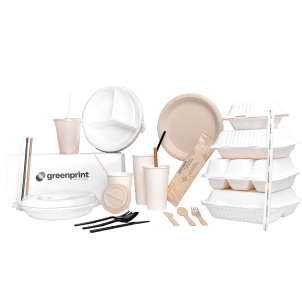
Choosing the right compostable plates and cups can feel overwhelming. You want something that looks good, holds up well, and truly breaks down without harming the planet.
But how do you know which ones are worth your money and effort? You’ll discover simple, clear tips to pick the best compostable tableware for your needs. By the end, you’ll feel confident making eco-friendly choices that protect the environment and impress your guests.
Keep reading to find out exactly what to look for and avoid.
Benefits Of Compostable Tableware
Compostable plates and cups are good for the environment. They break down into natural materials.
Choosing compostable tableware helps reduce waste. It is also safer for people and nature.
Environmental Impact
Compostable plates and cups help the earth. They decompose quickly and return to nature.
Unlike plastic, they do not stay in landfills forever. This reduces pollution and saves space.
- Less plastic waste in oceans
- Less energy used for production
- Reduces carbon footprint
Health Advantages
Compostable tableware is made from plants. It is free from harmful chemicals.
Using these products means fewer toxins. This is better for your health and your family.
- No harmful plastics
- Safe for food use
- Non-toxic materials
Waste Reduction
Compostable products reduce garbage. They can be turned into compost, not trash.
This leads to less waste in landfills. It helps cities manage waste better.
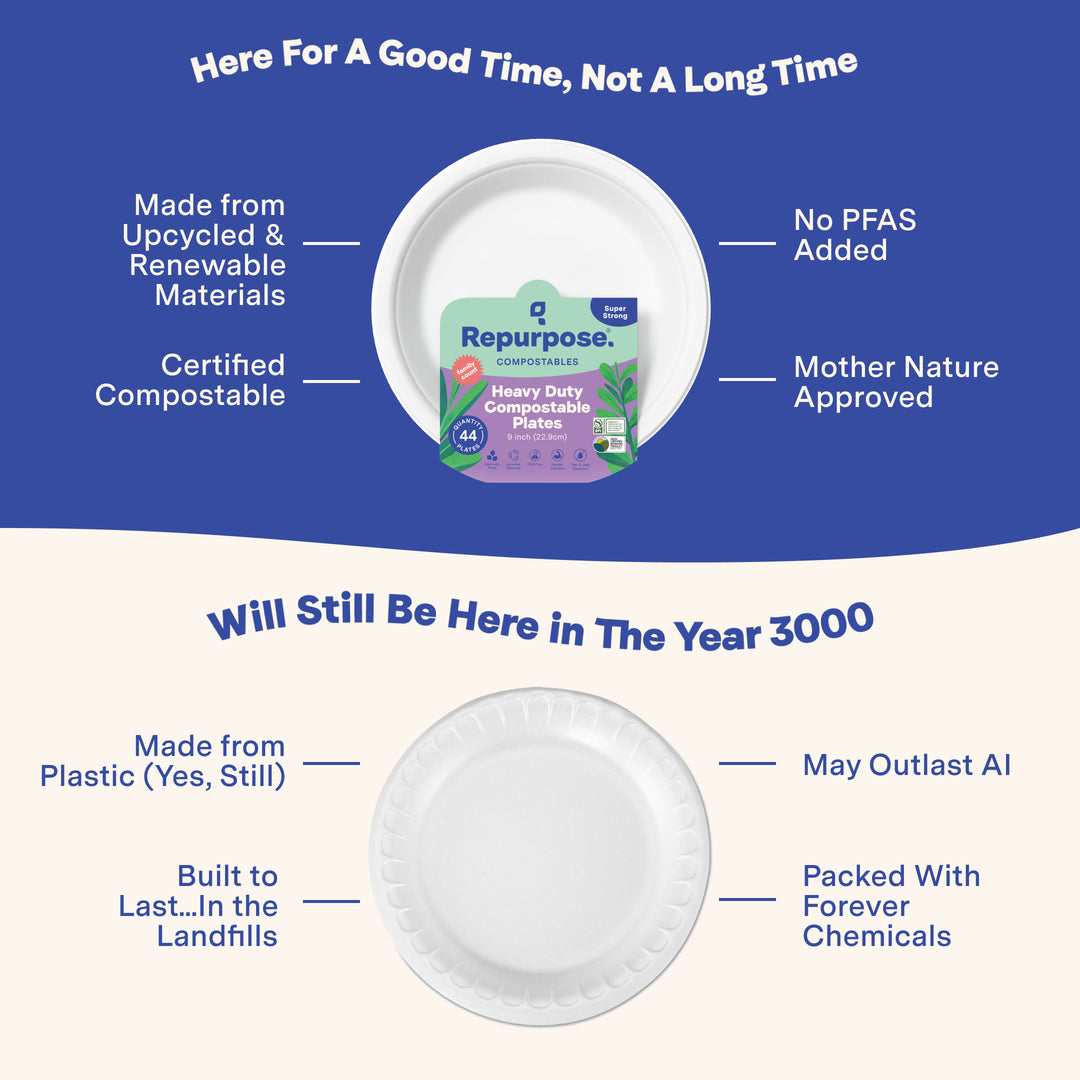
| Compostable Plates | Break down in weeks |
| Plastic Plates | Last hundreds of years |
Materials Used In Compostable Plates And Cups
Compostable plates and cups are made from natural materials. These materials break down easily in composting conditions. They help reduce plastic waste and protect the environment.
Choosing the right material is important for durability and compostability. Below are common materials used in compostable plates and cups.
Plant-based Fibers
Plant-based fibers come from natural plants like wheat, bamboo, and palm leaves. These fibers are strong and can be molded into plates and cups. They break down quickly after use.
These fibers do not need plastic coatings. They are safe for hot and cold foods. They are also usually free from chemicals.
Bagasse And Sugarcane
Bagasse is a fiber left after extracting juice from sugarcane. It is a popular material for compostable plates and cups. Bagasse is sturdy and heat resistant.
Using bagasse helps recycle sugarcane waste. It can handle greasy and wet foods well. Bagasse products break down in about 60 days in compost.
Pla And Corn Starch
PLA is a plastic made from corn starch or sugar. It looks like regular plastic but breaks down in industrial composting. PLA is often used as a coating on paper cups.
Corn starch can also be molded into plates and cups. These items are lightweight and clear or white. They need special composting conditions to break down fully.
Certifications To Look For
Choosing the right compostable plates and cups means checking for trusted certifications. These labels show if the products meet environmental and safety rules.
Certifications help you pick items that break down properly and are safe for food use. This guide explains key certifications to look for.
Compostability Labels
Compostability labels prove that plates and cups can turn into compost in a certain time. These labels confirm the product meets strict composting rules.
- Look for labels from trusted organizations like the Biodegradable Products Institute (BPI)
- Check if the product meets ASTM D6400 or EN 13432 standards for compostability
- Some labels show if items are home compostable or require industrial composting
Biodegradability Standards
Biodegradability standards tell you how fast and fully a product will break down in the environment. These standards help avoid plastics that last for years.
Look for products tested under ASTM D5338 or ISO 14855. These prove the product biodegrades safely without leaving harmful residue.
- ASTM D5338 tests biodegradation in composting conditions
- ISO 14855 measures aerobic biodegradation in controlled environments
- Products meeting these show they break down within months
Food Safety Certifications
Food safety certifications ensure plates and cups do not leak harmful chemicals into food. These are important for healthy use.
Look for FDA approval or EU food contact certification. These confirm the product is safe to hold hot or cold foods without risk.
- FDA approval means the product meets U.S. food safety laws
- EU food contact certification shows compliance with European rules
- Products with these certifications are tested for chemical safety
Credit: repurpose.com
Choosing Plates And Cups For Different Occasions
Compostable plates and cups are a great choice for a green lifestyle. Picking the right ones depends on the event and how you use them.
Think about the size, strength, and style you need. This helps reduce waste and keeps your event eco-friendly.
Everyday Use
For daily meals, choose plates and cups that are sturdy but simple. They should handle regular food without bending or leaking.
Look for items that fit your family size and are easy to store. Small sets often work best for daily use.
- Pick medium-sized plates for meals
- Use cups that hold about 12 ounces
- Choose items that clean easily if reusable
- Look for compostable materials like sugarcane or bamboo
Parties And Events
For bigger gatherings, select plates and cups that match the event style. Stronger materials help handle heavier foods and drinks.
Choose designs and sizes that suit the number of guests. You might want larger plates for meals or smaller ones for snacks.
- Use large plates for main courses
- Offer small plates for appetizers and desserts
- Pick cups in different sizes for drinks
- Choose bright or themed designs for fun
- Buy in bulk to save cost and reduce packaging
Commercial And Catering Needs
Commercial use needs plates and cups that are very durable. They must hold up well during long service times.
Look for products that meet health codes and composting rules. Strong materials like molded fiber work well.
- Choose plates that resist grease and moisture
- Use cups with lids to prevent spills
- Pick sizes that fit your menu items
- Ensure products are certified compostable
- Consider supplier reliability and delivery options
Durability And Performance Factors
Choosing compostable plates and cups means thinking about how well they hold up. These items must work as well as regular ones.
Durability and performance are key to a good experience. The right products should be strong and reliable.
Heat Resistance
Compostable plates and cups should handle hot foods and drinks. Heat resistance stops them from bending or melting.
Look for products that say they resist heat up to certain temperatures. This ensures safety and comfort while eating or drinking.
Leak Proofing
Leak proofing keeps liquids inside cups and plates. It prevents spills and messes during use.
Good leak proofing means tight seals and strong materials. This is very important for soups, sauces, and drinks.
- Check for smooth edges on plates
- Look for cups with secure rims
- Choose materials that do not absorb liquids
Strength And Flexibility
Strength stops plates and cups from breaking under weight. Flexibility lets them bend without cracking.
Choose compostable products that balance strength and flexibility. This helps avoid spills and waste.
- Thicker materials usually add strength
- Flexible items fit better in hands
- Good products hold their shape when used
Cost Considerations And Budgeting
Choosing compostable plates and cups means thinking about price and budget. These items can cost more than regular ones.
Planning your budget helps you find the best balance between cost and quality.
Price Comparisons
Prices for compostable plates and cups vary by brand and material. Some use sugarcane, others use corn or bamboo.
Compare prices from different sellers to find the best deal. Look at the cost per item, not just the total price.
- Check the price per plate or cup
- Compare materials used
- Look at shipping fees
- Read customer reviews for value
Bulk Buying Benefits
Buying compostable plates and cups in bulk lowers the cost per item. Stores often offer discounts for large orders.
Bulk buying also reduces shipping costs. It can save money if you use these products regularly.
- Lower price per unit
- Fewer shipping charges
- Less frequent ordering needed
- Good for events or businesses
Balancing Quality And Cost
Cheap compostable plates and cups may not be strong or fully compostable. Quality matters to avoid waste and complaints.
Look for products that fit your budget and meet your needs. Sometimes paying a bit more saves money in the long run.
- Check product strength and durability
- Ensure items are fully compostable
- Read reviews about product quality
- Choose trusted brands if possible
Proper Disposal And Composting Tips
Choosing compostable plates and cups is good for the planet. Knowing how to dispose of them properly helps reduce waste.
Composting breaks down materials into useful soil. Follow these tips to compost your items correctly and avoid problems.
Home Composting Methods
Home composting works well for many compostable plates and cups. Make sure your compost pile stays warm and moist. Chop bigger pieces into smaller bits to help them break down faster.
Turn the compost pile every few days to add air. Avoid putting coated or plastic-lined items in home compost. Check if the product label says it is safe for home composting.
- Cut plates and cups into smaller pieces
- Keep compost moist but not wet
- Turn pile regularly to add oxygen
- Use only products labeled for home compost
- Avoid plastic or foil-lined items
Commercial Composting Facilities
Commercial composting handles more materials and breaks them down faster. These facilities use higher temperatures and controlled conditions. Many compostable plates and cups need commercial composting to break down fully.
Find local facilities that accept compostable products. Follow their rules about what you can drop off. This helps prevent waste and supports recycling programs.
- Check if your product needs commercial composting
- Locate nearby commercial composting sites
- Follow facility guidelines for drop-off
- Separate compostables from trash and recycling
Avoiding Contamination
Contamination happens when non-compostable trash mixes with compostables. This can ruin the compost and cause extra work. Keep compostable plates and cups clean and free from food scraps when possible.
Use clear bins and labels to separate compostables from other waste. Teach your family or guests how to sort waste correctly. This helps the composting process work well.
- Rinse plates and cups before composting
- Do not mix plastic or metal with compost
- Label bins for compost, recycling, and trash
- Educate others on sorting waste properly

Credit: ecotact.co.uk
Common Myths And Misconceptions
Choosing compostable plates and cups can be confusing. Many people have wrong ideas about how these products work.
This guide clears up common myths. It helps you make smart choices for the environment.
Compostable Vs Biodegradable
People often think compostable and biodegradable mean the same thing. They do not.
Biodegradable means something breaks down over time. It might take years and leave harmful waste.
Compostable means the item breaks down quickly in a compost setting. It turns into safe soil nutrients.
- Biodegradable products may not be safe for compost piles
- Compostable items must meet strict standards
- Look for certified compostable labels to be sure
Impact On Recycling
Many think compostable plates and cups can be recycled with plastics. This is wrong.
Compostable products usually cannot go in regular recycling bins. They can ruin the recycling process.
Put compostable items in compost bins or home compost piles. This helps reduce waste properly.
- Do not mix compostable plates with plastic recyclables
- Check local rules for composting options
- Proper sorting helps protect recycling systems
Performance Concerns
Some believe compostable plates and cups break easily or leak. This is not always true.
Good quality compostable products perform well for food and drinks. They are strong and leak-resistant.
Look for products made from materials like sugarcane bagasse or PLA. These last well during use.
- Choose trusted brands with product testing
- Check if plates and cups hold hot and cold items
- Test products yourself before large use
Credit: plantplates.com
Frequently Asked Questions
What Materials Are Compostable Plates And Cups Made Of?
Compostable plates and cups are made from plant-based materials like cornstarch, sugarcane bagasse, or bamboo. These materials break down naturally in composting environments, reducing landfill waste and pollution.
How To Identify Truly Compostable Plates And Cups?
Look for certifications like ASTM D6400 or EN 13432 on the packaging. These labels ensure the products meet compostability standards and will break down safely in industrial composting facilities.
Can Compostable Plates And Cups Be Composted At Home?
Most compostable plates and cups require industrial composting conditions to break down properly. Home composting may not provide enough heat or moisture for complete decomposition.
Are Compostable Plates And Cups Safe For Hot Foods And Drinks?
Yes, many compostable plates and cups are designed to withstand heat without melting or leaking. Always check product specifications for temperature limits before use.
Conclusion
Choosing the right compostable plates and cups helps protect our planet. Check materials carefully to ensure they break down easily. Look for certifications that prove items are truly compostable. Think about your event’s needs and how long items last. Simple choices can reduce waste and support eco-friendly habits.
Small steps add up to a cleaner environment. Keep learning about green products to make smart decisions. Every eco-friendly choice counts toward a healthier future.