
Choosing the right mixing bowls might seem simple, but have you ever thought about how they affect the environment? Your kitchen tools can make a big difference.
When you pick eco-friendly mixing bowls, you’re not just cooking—you’re helping the planet. Imagine using bowls that are safe for your family and kind to the Earth. Curious about how to find these perfect bowls without the guesswork? Keep reading, and you’ll discover easy tips to select mixing bowls that match your values and lifestyle.
Materials To Choose
Eco-friendly mixing bowls are a great choice for your kitchen. They help the planet and come in many different materials.
Choosing the right material is important for durability and environmental impact. Let’s explore some popular options.
Bamboo And Wood Options
Bamboo and wood are natural choices for mixing bowls. They are biodegradable and renewable. These materials are also very stylish.
Wooden bowls can be durable and add warmth to your kitchen. Bamboo grows quickly and requires less water than trees.
- Bamboo is lightweight and strong
- Wood offers a classic look
- Both are biodegradable
Recycled Glass And Metal
Recycled glass bowls are eco-friendly and elegant. They are made from glass that has been used before. This reduces waste.
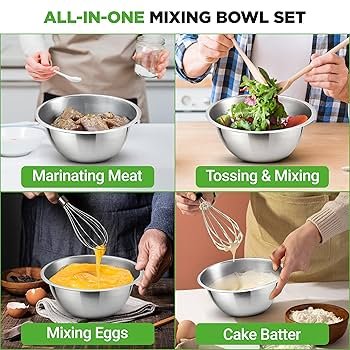
Metal bowls made from recycled materials are durable. They are perfect for heavy-duty mixing tasks in the kitchen.
| Recycled Glass | Elegant and eco-friendly |
| Recycled Metal | Strong and long-lasting |
Silicone And Bioplastics
Silicone bowls are flexible and easy to clean. They are made from sand, not plastic. This makes them a good eco-friendly choice.
Bioplastics are made from plants. They are a newer option for eco-friendly kitchenware. These bowls are designed to break down faster than regular plastic.
- Silicone is heat resistant and non-stick
- Bioplastics are made from renewable resources
- Both are easy to maintain

Credit: www.amazon.com
Durability And Longevity
Choosing eco-friendly mixing bowls means thinking about how long they last. Durable bowls save money and reduce waste.
Good quality materials help bowls stay strong and useful for years.
Resistance To Wear And Tear
Eco-friendly bowls should resist scratches, cracks, and stains. This keeps them safe and looking good.
Materials like bamboo, stainless steel, and silicone last longer and handle daily use well.
- Bamboo resists cracks and is naturally strong
- Stainless steel does not chip or break easily
- Silicone bends without damage and resists stains
Maintenance Tips
Proper care helps your bowls stay durable and safe. Clean them gently and avoid harsh chemicals.
Dry bowls completely to stop mold and warping. Store them in dry places.
- Hand wash with mild soap to protect materials
- Air dry or use a soft cloth to avoid scratches
- Avoid dishwasher if the bowl’s material is sensitive
Avoiding Single-use Bowls
Choose bowls that you can use many times instead of disposable ones. This helps the planet.
Look for strong, reusable bowls that clean easily and keep their shape.
- Pick materials that last longer than plastic disposables
- Use bowls that can be cleaned and reused daily
- Steer clear of thin or fragile bowls that break fast
Health And Safety
Choosing eco-friendly mixing bowls is important for your health. Safe bowls reduce risks from harmful chemicals.
Look for bowls made with materials that do not release toxins. This keeps your food safe and healthy.
Non-toxic Materials
Non-toxic materials do not release harmful substances into your food. They keep your meals safe to eat.
Choose bowls made from glass, stainless steel, or bamboo. These materials are natural and safe for food use.
- Glass is easy to clean and does not absorb odors.
- Stainless steel is durable and resists rust.
- Bamboo is renewable and biodegradable.
Bpa And Chemical-free Choices
BPA is a chemical found in some plastics. It can harm your health over time.
Select mixing bowls that are labeled BPA-free. Also, avoid plastics with other harmful chemicals.
- Look for bowls made from Tritan or other safe plastics.
- Check labels for “phthalate-free” and “PVC-free”.
- Use alternatives like glass or metal if possible.
Allergen Considerations
Some materials may cause allergic reactions. Avoid bowls made from allergens if you have sensitivities.
Common allergens include latex and certain woods. Know your allergies before choosing your bowls.
- Choose hypoallergenic materials like glass or stainless steel.
- Check if bamboo is treated with chemicals that cause allergies.
- Always clean bowls well to avoid cross-contact with allergens.
Sustainability Certifications
Choosing eco-friendly mixing bowls means looking for products with sustainability certifications. These labels show that products meet certain environmental standards.
Certifications help buyers find items made with less harm to the planet. They also guide makers to follow good practices.
What To Look For
Check if the mixing bowls have labels from trusted groups. These labels prove the bowls use safe materials and eco-friendly methods.
Look for certifications that cover the whole product life cycle. This means from making to recycling or disposal.
- Materials: Are they natural or recycled?
- Manufacturing: Is energy use low and waste reduced?
- Durability: Will the bowls last long to reduce waste?
- End of life: Can the product be recycled or composted?
Popular Eco Labels
Many eco labels show a product is sustainable. Some focus on materials, others on fair work or low pollution.
- FSC (Forest Stewardship Council): Ensures wood or bamboo comes from well-managed forests.
- GOTS (Global Organic Textile Standard): Covers organic fibers and safe processing.
- Green Seal: Focuses on overall product sustainability and low toxins.
- Cradle to Cradle: Certifies products designed for reuse or recycling.
- OEKO-TEX: Tests textiles for harmful chemicals.
Verifying Authenticity
Check labels carefully to avoid fake certifications. Fake labels mislead buyers and harm trust in eco products.
Visit official websites to confirm labels. Use QR codes or certification numbers if available.
- Look for official logos and marks on packaging.
- Scan QR codes that link to certification details.
- Check certification expiration dates.
- Research the certifying organization’s reputation.
Size And Functionality
Choosing eco-friendly mixing bowls means thinking about size and how you will use them. Picking the right size helps reduce waste and saves space.
Functional bowls make cooking easier. They should fit your kitchen needs and last a long time.
Choosing Versatile Sizes
Select bowls in different sizes to cover many tasks. Small bowls are good for spices and sauces. Large bowls work well for mixing dough or salads.
Having a few sizes helps reduce the need for more bowls. This choice saves resources and space.
- Small (1-2 cups): for sauces and small ingredients
- Medium (3-5 cups): for mixing batters or salads
- Large (6-10 cups): for dough and big batches
Stackability And Storage
Stackable bowls save kitchen space. Look for bowls that fit inside each other well. This helps keep your kitchen neat and organized.
Good storage options protect the bowls and keep them clean. This makes eco-friendly bowls last longer.
- Choose bowls with smooth edges for easy stacking
- Look for bowls that nest without sticking
- Consider bowls with lids for better storage
Multi-purpose Use
Pick bowls that work for many kitchen tasks. They should be safe for mixing, serving, and storing food. Multi-purpose bowls reduce the need for extra items.
Bowls made from eco-friendly materials can often go in the fridge or dishwasher. This adds to their usefulness and saves energy.
- Use bowls for mixing, serving, and storage
- Choose materials that are dishwasher safe
- Pick bowls that can handle hot and cold foods

Credit: cribsi.com
Brands And Price Points
Choosing eco-friendly mixing bowls means thinking about brands and prices. Some brands focus on sustainability and use safe materials.
Prices can vary a lot. You can find affordable options or decide to invest in high-quality bowls that last longer.
Top Eco-friendly Brands
Many brands make mixing bowls from recycled or natural materials. These brands care about the planet and your health.
- Ekobo: Bamboo fiber bowls that are light and durable
- Preserve: Made from recycled plastic, safe for food
- GreenLife: Uses ceramic non-stick coating and recycled materials
- Core Bamboo: Natural bamboo bowls with simple designs
Budget-friendly Picks
You can find eco-friendly bowls without spending much. Look for smaller sets or simple designs to save money.
- Check sets of smaller bowls made from bamboo or recycled plastic
- Look for sales on eco-friendly kitchen products
- Choose brands with good reviews but lower prices
- Buy from stores that focus on sustainable goods
Investing In Quality
High-quality eco-friendly bowls cost more but last longer. They resist stains and damage better than cheap bowls.
Buying quality helps reduce waste. You save money in the long run by not replacing bowls often.
- Choose brands with strong warranties or guarantees
- Look for bowls made from durable materials like bamboo or stainless steel
- Read reviews about how bowls hold up over time
- Consider the bowl’s weight and feel before buying
Disposal And Recycling
Choosing eco-friendly mixing bowls means thinking about what happens after use. Proper disposal and recycling help protect the environment.
Understanding how to handle old or damaged bowls is key to reducing waste and supporting sustainability.
End-of-life Options
Eco-friendly mixing bowls have several end-of-life options. You can donate, recycle, or compost them depending on the material.
Some bowls last longer and can be reused or passed on to others. This reduces waste and saves resources.
Composting Possibilities
Bowls made from natural materials like bamboo or wood can sometimes be composted. Check if your bowl is compostable before disposal.
Composting breaks down these bowls into soil, helping plants grow and reducing landfill waste.
- Remove any plastic or metal parts before composting
- Cut large pieces into smaller ones for faster breakdown
- Use home or community compost bins if allowed
Recycling Programs
Many eco-friendly bowls are made from recyclable materials like stainless steel or certain plastics. Find local recycling programs that accept these.
Recycling turns old bowls into new products, saving energy and reducing landfill space.
- Clean bowls before recycling to remove food residue
- Check with local waste centers for accepted materials
- Separate different materials when required

Credit: www.worldmarket.com
Frequently Asked Questions
What Materials Are Best For Eco-friendly Mixing Bowls?
Eco-friendly mixing bowls are typically made from bamboo, recycled glass, or stainless steel. These materials are sustainable, durable, and non-toxic. They minimize environmental impact and avoid harmful chemicals found in plastics. Choosing these materials supports a greener kitchen and reduces waste.
How To Identify Truly Sustainable Mixing Bowls?
Look for certifications like FSC for bamboo or recycled content labels. Check if the manufacturer uses eco-friendly practices. Avoid plastic or non-recyclable materials. Transparent sourcing and durability also indicate sustainability. These factors ensure the bowl is genuinely eco-friendly and long-lasting.
Are Biodegradable Mixing Bowls Safe For Food Use?
Yes, biodegradable bowls made from natural fibers or plant-based materials are food-safe. They avoid harmful chemicals and break down naturally after use. However, ensure they are certified for food contact. This ensures safety and environmental benefits in your kitchen.
Can Eco-friendly Mixing Bowls Withstand Heat And Stains?
Many eco-friendly bowls, especially stainless steel and bamboo, resist heat and stains well. However, some biodegradable or recycled plastic bowls may degrade with high heat. Check product specifications to ensure durability and suitability for cooking and mixing tasks.
Conclusion
Choosing eco-friendly mixing bowls helps protect our planet. Look for materials like bamboo, stainless steel, or recycled glass. These options last long and reduce waste. Easy to clean and safe for food use matter too. Small changes in your kitchen make a big difference.
Start with one bowl and add more over time. Your choices support a healthier environment for everyone. Simple, smart decisions create a greener future.