
Are you tired of seeing piles of single-use kitchen items cluttering your space and harming the environment? What if you could easily cut down on waste without changing your daily routine too much?
Reducing single-use kitchen items is simpler than you think, and it can save you money while making your kitchen greener. You’ll discover practical tips that fit right into your lifestyle. Keep reading to learn how small changes in your kitchen can make a big difference for you and the planet.
Credit: www.tastingtable.com
Why Cut Down Single-use Items
Reducing single-use kitchen items is important for our planet. These items often end up as waste in landfills.
Using fewer single-use items helps save money and improves health. Let’s explore the reasons why cutting down is beneficial.
Environmental Impact
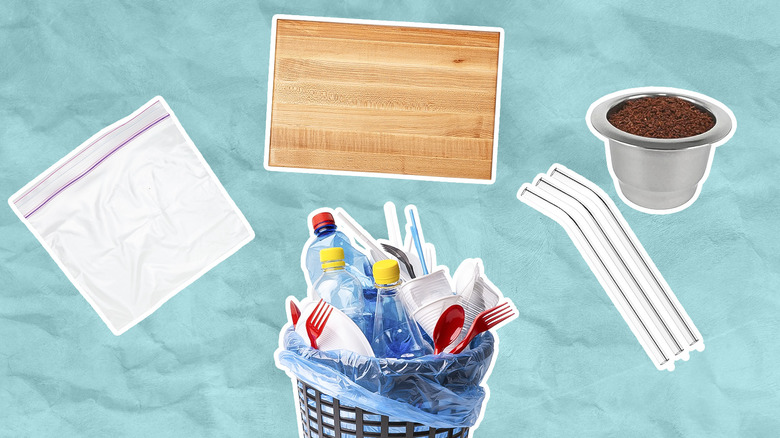
Single-use items like plastic forks and straws harm the environment. They take hundreds of years to break down.
Reducing these items can decrease pollution. It helps protect oceans and wildlife.
- Less plastic waste in landfills
- Fewer animals harmed by plastic
- Cleaner oceans and beaches
Cost Savings
Single-use items add up in cost. Buying reusable items can save money over time.
Investing in quality items means fewer purchases. It also reduces household waste.
- Lower monthly expenses
- Fewer shopping trips needed
- Long-lasting kitchen tools
Health Benefits
Single-use items can contain harmful chemicals. These chemicals may transfer to food.
Using glass or metal reduces this risk. It helps ensure safer meals for families.
- Safer food storage
- Fewer chemicals in meals
- Better for long-term health
Common Single-use Kitchen Items
Many kitchens use items that we throw away after one use. These items create a lot of waste. Learning about them helps us reduce trash.
This guide looks at common single-use kitchen items. It shows easy ways to use less of them every day.
Plastic Wrap And Bags
Plastic wrap and bags keep food fresh but are used once and thrown away. They take many years to break down in landfills.
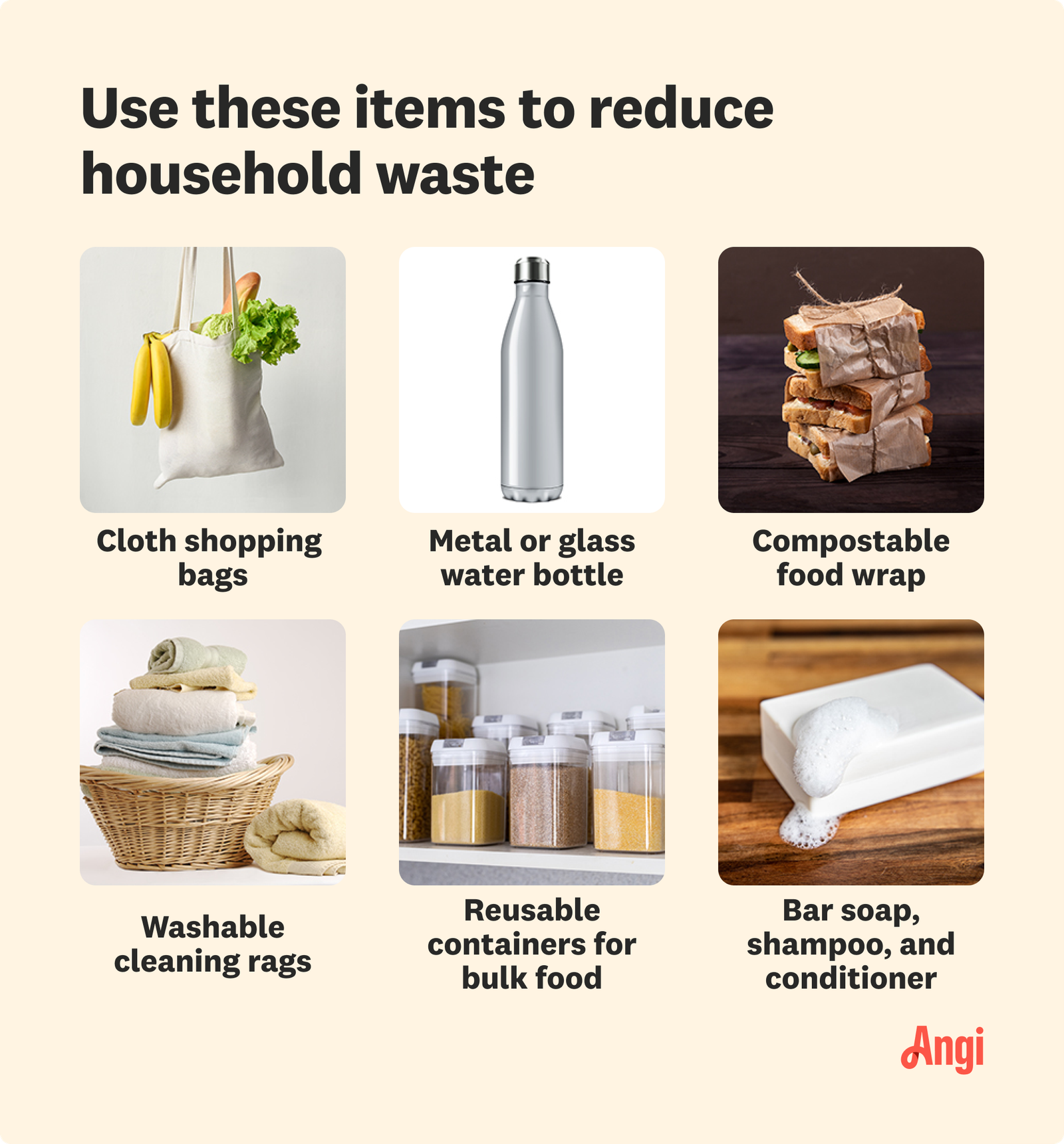
Try using reusable silicone covers or beeswax wraps instead. Cloth bags can replace plastic bags for storing food or snacks.
- Use beeswax wraps for sandwiches and fruits
- Store leftovers in glass containers with lids
- Choose cloth bags for shopping and storage
- Wash and reuse plastic bags if you must use them
Paper Towels
Paper towels clean spills and messes but create a lot of waste. They are used once and then thrown away.
Use cloth towels or rags instead. They can be washed and used many times. This reduces trash and saves money.
- Keep cloth towels near the sink for quick cleaning
- Use microfiber cloths for wiping and drying
- Repurpose old clothes as cleaning rags
- Hang towels to dry between uses
Disposable Cutlery And Plates
Disposable cutlery and plates are handy but create a lot of trash. They break down slowly and harm the environment.
Switch to reusable plates, forks, knives, and spoons made of metal or bamboo. Wash them after use to keep them clean.
- Use metal cutlery for everyday meals
- Choose bamboo or wooden utensils for outdoor use
- Bring your own plates and forks to picnics
- Recycle disposable items if recycling is available
Reusable Alternatives To Try
Reducing single-use kitchen items helps the environment and saves money. Many reusable options work well in the kitchen.
Switching to reusable items is easy and can cut down on waste in your home.
Silicone Food Covers
Silicone food covers fit over bowls, cups, and plates to keep food fresh. They replace plastic wrap and foil.
These covers are stretchy, easy to clean, and last a long time. They come in different sizes for many dishes.
- Stretch to fit various container shapes
- Dishwasher safe for easy cleaning
- Reusable hundreds of times
- Free from harmful chemicals
Cloth Towels And Napkins
Cloth towels and napkins replace paper towels and disposable napkins. They can be washed and reused many times.
Using cloth helps cut down on waste and saves money over time. Choose soft, absorbent fabrics for best use.
- Use cloth towels to clean spills
- Napkins can be cloth or cotton blends
- Wash regularly to keep fresh
- Choose colors and patterns you like
Stainless Steel And Bamboo Utensils
Stainless steel and bamboo utensils replace disposable plastic ones. They are strong and eco-friendly.
These utensils last for years and look good in any kitchen. Bamboo is lightweight, and stainless steel is very durable.
- Use bamboo forks, spoons, and knives
- Choose stainless steel for cooking tools
- Easy to clean and maintain
- Great for home or travel use

Credit: www.yahoo.com
Smart Shopping Tips
Reducing single-use kitchen items starts with smart shopping choices. These choices help cut waste and save money.
Making small changes in how you shop can protect the environment. Let’s explore some easy tips to shop wisely.
Buy In Bulk
Buying in bulk reduces packaging waste. You use less plastic and paper with bigger portions.
Choose stores that allow you to bring your own containers. This way, you avoid single-use bags and boxes.
- Buy grains, nuts, and spices in bulk
- Use reusable jars or cloth bags
- Store bulk items in airtight containers at home
Choose Eco-friendly Packaging
Look for products with recyclable or compostable packaging. This helps reduce landfill waste.
Avoid plastic wraps and foam containers. Pick paper, glass, or metal packaging instead.
- Pick cardboard boxes over plastic
- Choose glass jars for sauces and jams
- Buy products wrapped in paper or compostable film
Support Local Producers
Local producers often use less packaging. Buying from them helps reduce single-use waste.
Visit farmers markets or local shops. You can find fresh food with minimal packaging.
- Bring your own bags or containers
- Ask vendors about packaging options
- Buy seasonal produce to lower environmental impact
Easy Kitchen Habits To Adopt
Reducing single-use kitchen items helps protect the environment. Small changes in your kitchen can make a big difference.
Simple habits save money and cut down waste. Start with easy steps anyone can follow.
Meal Planning To Reduce Waste
Plan your meals for the week to buy only what you need. This lowers the chance of throwing food away.
Write a shopping list based on your meal plan. Stick to the list to avoid extra purchases.
- Check what you already have before buying
- Choose recipes that use similar ingredients
- Cook meals that can be reused for lunch or dinner
Proper Food Storage Techniques
Store food correctly to keep it fresh longer. This helps you use food before it spoils.
Use reusable containers or glass jars instead of plastic wrap or bags. Label leftovers with dates to track freshness.
- Keep fruits and vegetables in the right place in the fridge
- Wrap cheeses in wax paper, not plastic wrap
- Freeze leftovers in portion sizes for easy meals
Regular Kitchen Cleanups
Clean your kitchen often to spot expired or unused items. This prevents clutter and waste.
Organize your pantry so older items are in front. Use clear containers to see contents easily.
- Set a weekly time for fridge and pantry checks
- Donate unopened, non-perishable foods before they expire
- Recycle packaging and compost food scraps
Diy Eco-friendly Kitchen Solutions
Reducing single-use kitchen items helps cut waste and protect the environment. You can make simple changes at home to use less plastic and disposable products.
DIY eco-friendly solutions are easy and save money. They also make your kitchen cleaner and greener.
Make Your Own Beeswax Wraps
Beeswax wraps replace plastic wrap for food storage. They are reusable, breathable, and keep food fresh longer.
To make your own wraps, you need cotton fabric, beeswax, and an iron or oven. Melt the beeswax and spread it on the fabric. Let it dry flat.
- Cut cotton fabric into squares
- Place fabric on baking paper
- Sprinkle beeswax evenly
- Use an iron or oven to melt wax
- Let wraps cool and harden
- Use wraps to cover bowls or wrap snacks
Create Reusable Cleaning Cloths
Single-use paper towels create a lot of waste. Reusable cleaning cloths can replace them. Old cotton shirts or towels work well.
Cut fabric into squares and wash them after use. They clean surfaces, dry hands, and wipe spills without trash.
- Choose soft cotton fabric
- Cut into 10×10 inch squares
- Keep cloths in the kitchen for easy use
- Wash in hot water to remove stains
- Use again and again
Natural Cleaning Products
Many cleaning products have chemicals that harm the environment. You can make natural cleaners with simple ingredients.
Use vinegar, baking soda, lemon juice, and castile soap to clean different kitchen areas safely.
- Mix equal parts water and white vinegar for all-purpose spray
- Use baking soda as a gentle scrub for sinks and counters
- Lemon juice removes stains and smells
- Add castile soap to water for dishwashing liquid
- Store cleaners in reusable spray bottles
Involving Family And Friends
Reducing single-use kitchen items is easier with support from family and friends. Everyone can help create lasting habits.
Working together makes waste reduction more fun and effective. Sharing ideas helps find better solutions.
Educate On Waste Reduction
Teach your family and friends why reducing waste matters. Explain how single-use items harm the environment.
Show simple ways to cut down on plastic and paper waste in the kitchen. Share facts about pollution and landfill problems.
- Discuss the impact of plastic on oceans and wildlife
- Explain how waste takes years to break down
- Share tips on choosing reusable options
Share Reusable Items
Encourage family and friends to use reusable kitchen items. Let them borrow or try items like cloth napkins or glass containers.
Swapping single-use items for reusable ones helps everyone see the benefits. It also builds habits that last longer.
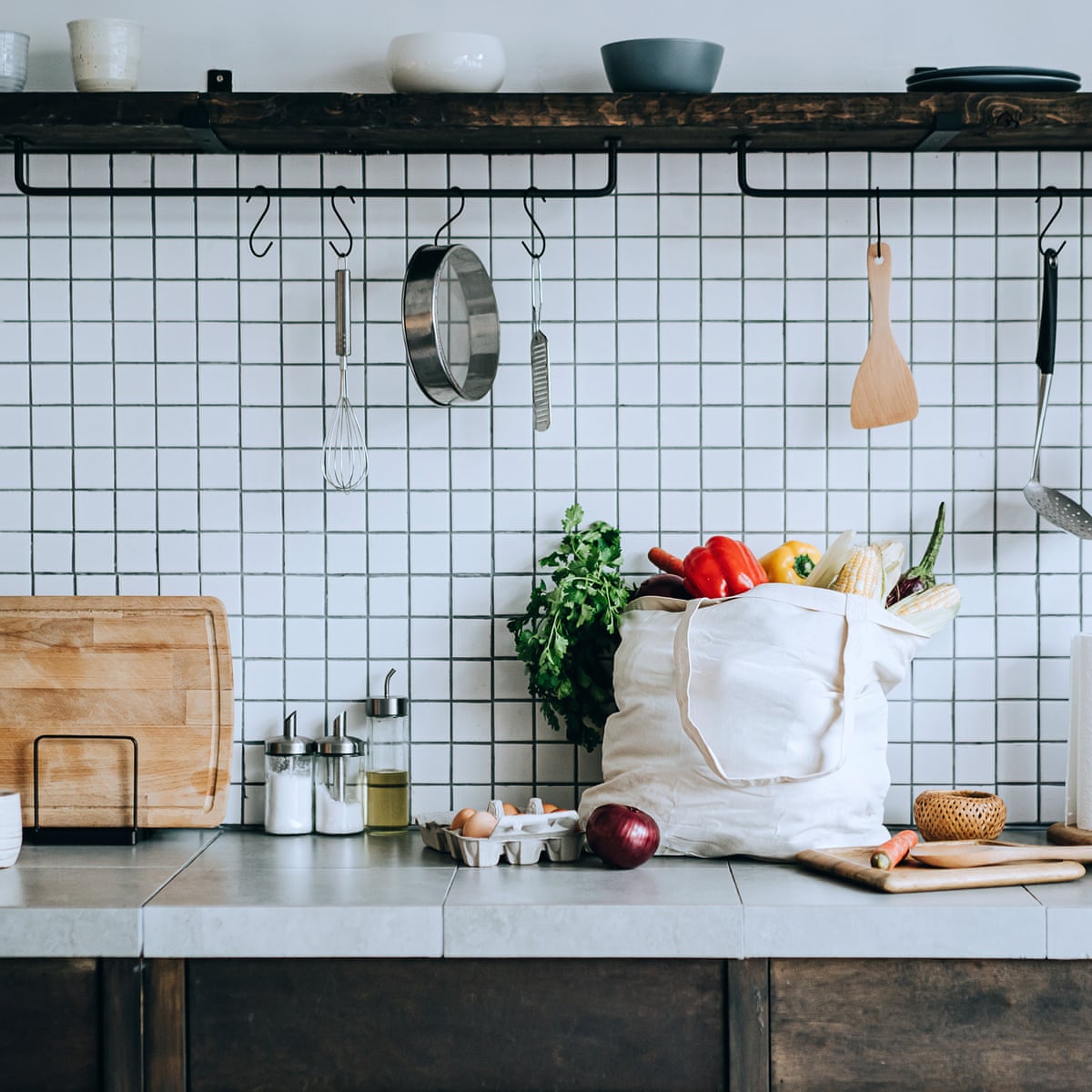
- Share reusable shopping bags and produce bags
- Offer beeswax wraps instead of plastic wrap
- Give reusable straws and cutlery sets to try
Organize Community Swaps
Set up a swap event where people bring reusable kitchen items. This helps families get new items without buying more plastic.
Community swaps build a caring group that supports waste reduction. They also let people share ideas and save money.
- Choose a local place for the swap
- Invite neighbors, friends, and family
- Ask everyone to bring clean reusable items
- Exchange items like containers, cloth bags, and jars
- Talk about ways to reduce kitchen waste
Credit: www.theguardian.com
Frequently Asked Questions
What Are Common Single-use Kitchen Items To Avoid?
Common single-use kitchen items include plastic straws, disposable cutlery, paper plates, and plastic bags. Avoiding these reduces waste and environmental impact.
How Can I Replace Single-use Kitchen Items Sustainably?
Use reusable alternatives like metal straws, bamboo cutlery, cloth napkins, and glass or ceramic plates. These options are eco-friendly and durable.
Why Is Reducing Single-use Kitchen Items Important?
Reducing single-use items minimizes plastic pollution, conserves resources, and lowers landfill waste. It supports a healthier planet and sustainable living.
What Are Easy Habits To Reduce Kitchen Waste?
Plan meals, buy in bulk, use reusable containers, and compost food scraps. These habits cut down single-use waste significantly.
Conclusion
Reducing single-use kitchen items helps protect the environment. Small changes in daily habits make a big difference. Use reusable bags, containers, and cloth towels instead. Save money and reduce waste at the same time. Everyone can join in to create a cleaner kitchen.
Start today with simple swaps and thoughtful choices. The planet will thank you for it.