
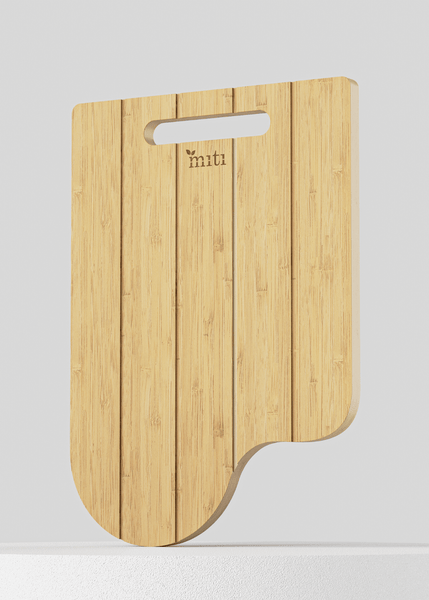
If you love cooking, you know how important a good cutting board is. Bamboo cutting boards are a popular choice because they are strong, eco-friendly, and gentle on your knives.
But to get the most out of your bamboo board, you need to use and care for it the right way. You’ll discover simple tips that help your bamboo cutting board last longer, stay clean, and keep your kitchen safe.
Keep reading to learn how to make your bamboo board a trusted kitchen companion every day.
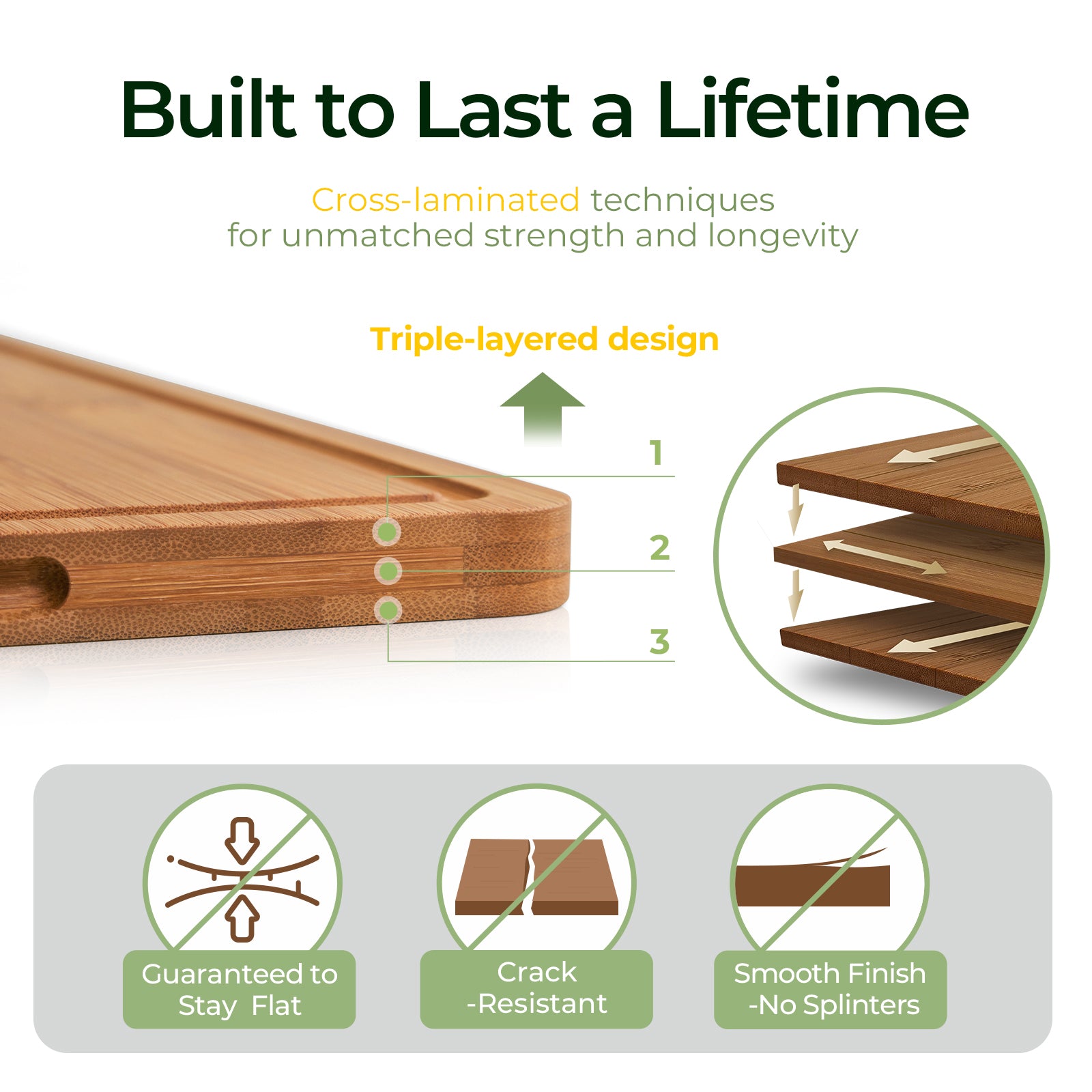
Credit: www.keecheehome.com
Choosing The Right Bamboo Board
Bamboo cutting boards are popular for their durability and eco-friendliness. Selecting the right board is important for your kitchen needs.
Consider factors like type, size, and surface texture to ensure you get the best bamboo board for your cooking tasks.
Types Of Bamboo Boards
Bamboo boards come in different types. Each type is suitable for various tasks.
- Solid bamboo boards are strong and long-lasting.
- End-grain bamboo boards are gentle on knives.
- Edge-grain bamboo boards are lightweight and easy to handle.
Size And Thickness Considerations
The size and thickness of your bamboo board affect its usability. Choose one that fits your kitchen space.
Thicker boards are more stable but heavier. Thinner boards are easier to store.
| Board Size | Best For |
| Small | Quick tasks and small kitchens |
| Medium | Everyday use |
| Large | Big meals and gatherings |
Surface Texture Options
Surface texture affects how food stays in place during cutting. Smooth surfaces are easy to clean.
Textured surfaces prevent slipping but may need more cleaning effort.
- Smooth surfaces for easy cleaning
- Textured surfaces for better grip
Initial Cleaning And Preparation
Before using your bamboo cutting board, it needs proper cleaning. This keeps it safe and ready for food.
Preparing the board well helps it last longer and stay in good shape.
Washing Before First Use
Wash the bamboo board with warm water and mild soap. Use a soft sponge to clean all surfaces.
Rinse well to remove soap and dry the board completely with a clean towel.
Oiling The Board
Apply food-grade mineral oil to protect the bamboo and keep it from drying out.
Use a clean cloth to spread oil evenly. Let it soak for a few hours or overnight.
- Apply oil every few weeks to maintain the board
- Do not use cooking oils as they can go rancid
- Oiling helps prevent cracks and warping
Daily Cleaning Tips
Bamboo cutting boards need regular cleaning to stay safe and last longer. Clean them every day after use.
Good cleaning stops bacteria from growing and keeps the board looking nice.
Hand Washing Techniques
Always wash bamboo boards by hand. Use warm water and a soft sponge or cloth.
Scrub the surface gently to remove food bits. Avoid soaking the board in water for a long time.
Avoiding Harsh Detergents
Use mild soap to clean your bamboo board. Strong detergents can damage the wood and remove natural oils.
Stay away from bleach or abrasive cleaners. These can cause cracks and make the board dry out.
Drying Methods
After washing, dry the board right away. Use a clean towel to wipe off water.
Stand the board upright or place it on a rack to air dry completely. Avoid leaving it flat to stop moisture build-up.

Credit: www.listful.com
Preventing Damage
Bamboo cutting boards are strong but need care to last long. Protect them from damage to keep them useful.
Simple habits can stop cracks, warping, and stains. Follow these tips to protect your bamboo board.
Avoiding Excessive Moisture
Too much water can cause bamboo to swell and crack. Never soak your cutting board in water.
Wash the board quickly with warm soapy water. Dry it right away using a clean towel.
- Do not put bamboo boards in the dishwasher
- Wipe off water after each use
- Store the board in a dry place
Keeping Away From Heat Sources
Heat can dry out and crack bamboo. Keep your cutting board away from ovens and stovetops.
Avoid placing hot pots or pans on the board. This stops the wood from warping or burning.
- Do not leave the board near a heater
- Keep it off direct sunlight for long periods
- Use heat-resistant mats for hot items
Using Both Sides
Use both sides of your bamboo board evenly. This helps prevent uneven wear and warping.
Flip the board after each use. This gives time for each side to dry and rest.
- Alternate sides when cutting different foods
- Check both sides for damage regularly
- Keep both sides clean and dry
Regular Maintenance
Bamboo cutting boards need care to stay in good shape. Regular cleaning and upkeep keep them lasting longer.
Simple maintenance steps help keep the board smooth and safe for food use. Follow these tips to protect your board.
Reapplying Mineral Oil
Mineral oil keeps bamboo from drying out and cracking. Apply it every few weeks or after deep cleaning.
Use a clean cloth to rub the oil into the board’s surface. Let it soak in overnight, then wipe off extra oil.
- Choose food-grade mineral oil
- Apply a thin, even layer
- Allow at least 8 hours to absorb
- Wipe off excess to avoid stickiness
Sanding Out Stains And Scratches
Sandpaper can remove stains and smooth scratches on your bamboo board. Use fine-grit sandpaper for best results.
Lightly sand the affected area in the direction of the grain. Clean off dust before reapplying mineral oil.
- Use 220-grit sandpaper or finer
- Sand gently to avoid deep marks
- Always sand with the grain
- Clean surface with a damp cloth afterward
Deodorizing Techniques
Bamboo boards can absorb food smells. Use natural ingredients to remove odors and keep the board fresh.
Rub the board with lemon juice or baking soda paste. Let it sit for a few minutes, then rinse and dry well.
- Cut a lemon and rub the board surface
- Make a paste with baking soda and water
- Apply paste and let sit for 5-10 minutes
- Rinse with warm water and dry completely
Safe Usage Practices
Bamboo cutting boards are a popular kitchen tool. They are strong and last a long time. To keep them safe to use, follow some simple rules. This will help you avoid germs and keep your food fresh.
Using bamboo boards properly protects your health. It also keeps your kitchen clean and your knives sharp.
Avoiding Cross-contamination
Cross-contamination happens when germs from one food spread to another. This can make you sick. Always clean your bamboo board well after cutting raw meat or fish. Use hot water and soap to wash it.
Dry the board completely before using it again. This stops bacteria from growing. Never use the same board for raw meat and ready-to-eat food without cleaning it first.
Using Separate Boards For Different Foods
Using different boards for different foods is a good habit. It lowers the risk of germs spreading. Use one board for raw meat and another for vegetables or bread.
- One board for raw meat and poultry
- One board for vegetables and fruits
- One board for cooked foods and bread
Label or color-code your boards to remember their use. This keeps your kitchen safe and organized.
Proper Knife Handling
Use knives carefully on your bamboo board to avoid damage. Always cut with a sharp knife. Dull knives need more force and can slip, causing accidents.
Cut gently to keep the board smooth. Avoid chopping directly on the edges. This helps the board last longer and protects your knives.
- Keep knives sharp and clean
- Use smooth cutting motions
- Avoid twisting knives on the board
- Store knives safely after use
When To Replace Your Bamboo Board
Bamboo cutting boards are strong and last a long time. Still, they wear out after a while. Knowing when to replace yours keeps your kitchen safe.
Replacing your board at the right time helps avoid health risks and keeps your food preparation clean and easy.
Signs Of Wear And Tear
Look for cracks, deep cuts, or splinters on your bamboo board. These can trap bacteria and make cleaning hard.
If your board starts to smell bad or the surface feels rough, it may be time to get a new one.
- Visible cracks or splits
- Deep knife marks or grooves
- Surface feels rough or splintery
- Persistent bad odor
Health Considerations
Bacteria can hide in cuts and cracks on your bamboo board. This can lead to food contamination and illness.
Replace the board if cleaning does not remove stains or smells. A worn board can affect your food safety.
- Bacteria build-up risks
- Hard to clean deeply cut surfaces
- Possible cross-contamination
- Food safety decreases over time
Disposal And Recycling
Old bamboo boards can be composted if they have no chemicals or finishes. Check local rules for wood recycling.
If composting is not an option, dispose of the board with other wood waste. Avoid throwing it in regular trash if possible.
- Compost if untreated and natural
- Recycle as wood waste if available
- Do not burn treated boards indoors
- Check local disposal rules

Credit: www.keecheehome.com
Frequently Asked Questions
How Do I Clean Bamboo Cutting Boards Properly?
Clean bamboo cutting boards with warm soapy water immediately after use. Avoid soaking or using harsh chemicals to prevent damage. Dry them thoroughly to avoid warping and bacteria growth.
Can Bamboo Cutting Boards Be Used For Raw Meat?
Yes, bamboo cutting boards can be used for raw meat. However, clean them thoroughly after use to prevent cross-contamination and bacteria buildup.
How Often Should I Oil My Bamboo Cutting Board?
Oil your bamboo cutting board every 1 to 2 months. Use food-grade mineral oil to maintain moisture, prevent cracking, and extend its lifespan.
Are Bamboo Cutting Boards More Durable Than Wood?
Yes, bamboo cutting boards are typically harder and more durable than traditional wood boards. They resist scratches and knife marks better.
Conclusion
Bamboo cutting boards offer great durability and natural beauty. Clean them gently with warm water and mild soap. Avoid soaking to keep them strong and long-lasting. Use different boards for meat and vegetables to stay safe. Regular oiling helps prevent cracks and keeps the board smooth.
These simple steps keep your bamboo board useful for years. Enjoy cooking with a reliable, eco-friendly kitchen tool. A little care goes a long way.