
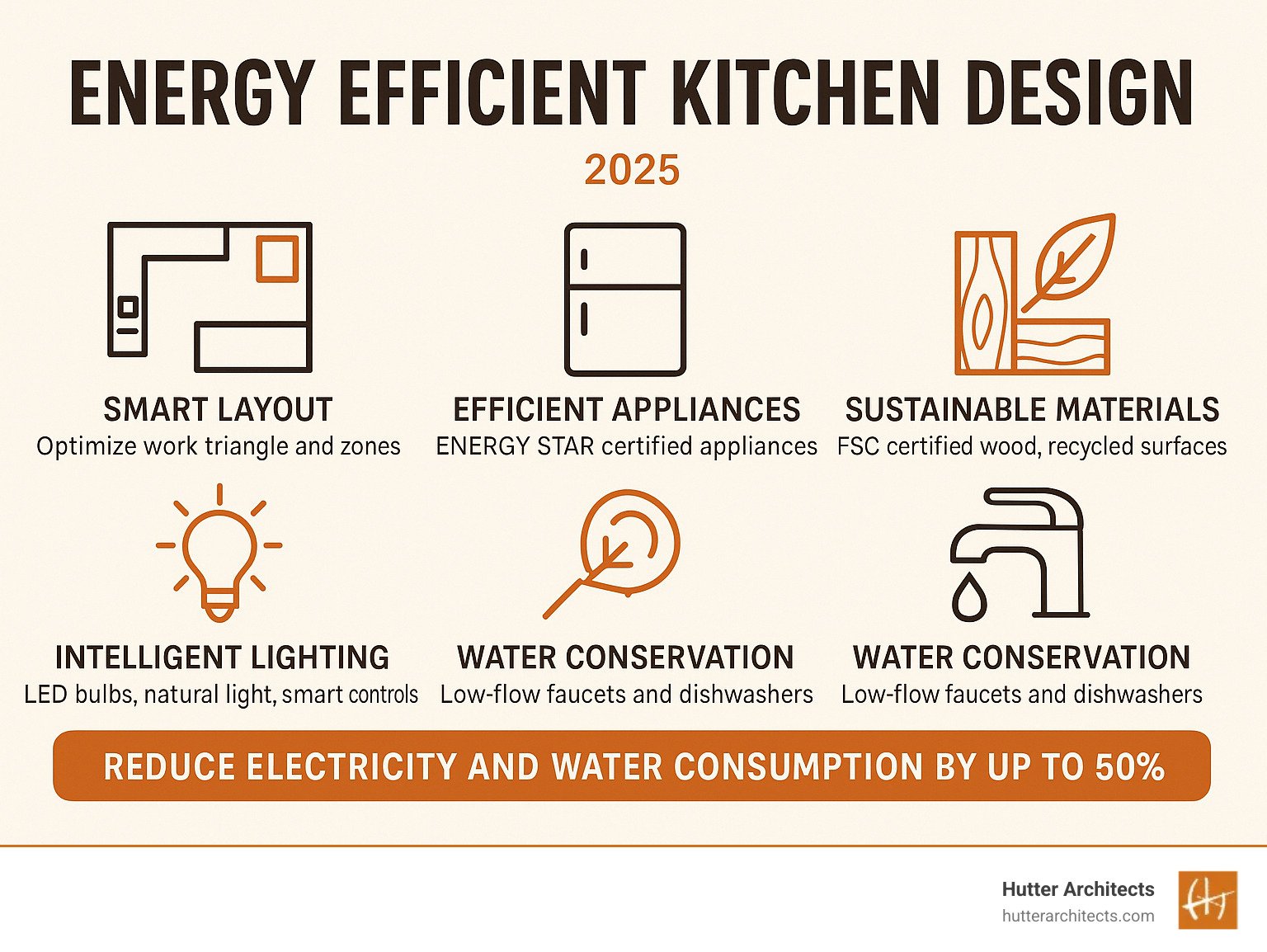
Are you tired of high energy bills every time you use your kitchen? Imagine cutting those costs without sacrificing your favorite meals or daily routines.
Your kitchen can be more energy-efficient, and it’s easier than you think. By making a few simple changes, you can save money, help the environment, and enjoy a more comfortable cooking space. Keep reading to discover practical tips that will transform the way you use energy in your kitchen—starting today.
Cutting Energy Waste
Reducing energy waste in the kitchen helps save money. It also protects the environment by using less energy.
Efficient kitchen practices can make a big difference. Start by focusing on sealing and insulating, as well as optimizing appliance use.
Seal And Insulate
Sealing and insulating the kitchen prevents energy loss. Check for gaps around windows and doors. Use weather stripping to seal them.
Insulating pipes under the sink saves hot water energy. It keeps heat from escaping and reduces water heating costs.
- Seal gaps with caulk or weather stripping
- Insulate hot water pipes
- Check window and door seals regularly
Optimize Appliance Use
Using appliances efficiently can lower energy bills. Run dishwashers and washing machines with full loads. This saves water and electricity.
Unplug appliances when not in use to stop phantom energy. Keep refrigerator coils clean to ensure they run efficiently.
- Run full loads in dishwashers and washers
- Unplug appliances to save energy
- Clean refrigerator coils regularly
Smart Cooking Habits
Saving energy in the kitchen helps lower your bills and protect the environment. Simple changes to how you cook can make a big difference.
Using smart cooking habits lets you prepare meals while using less energy. These tips are easy to use every day.
Use Lids And Smaller Pots
Cover pots with lids to keep heat inside. This helps food cook faster and uses less energy. Choose pots that fit the amount of food you cook.
Smaller pots heat up quicker and waste less energy. Avoid using large pots for small meals.
- Keep lids on to save heat
- Use pots sized for your food amount
- Heat smaller pots faster
Batch Cooking Benefits
Cooking many meals at once saves energy. You use your stove or oven less often. It also saves time on busy days.
Store meals in the fridge or freezer. Reheat only what you need. This lowers energy use over the week.
- Cook large portions at once
- Store leftovers for later use
- Reheat small portions as needed
Microwave And Pressure Cooker Tips
Microwaves use less energy than ovens. Use them for reheating and small meals. Pressure cookers cook food fast and save energy too.
Choose the right appliance for your cooking task. This cuts cooking time and energy use.
- Use microwave for quick heating
- Pressure cookers reduce cooking time
- Match appliance to meal size and type
Energy-efficient Appliances
Kitchen appliances use a lot of electricity. Choosing energy-efficient ones helps save power and lowers bills.
Energy-efficient appliances work well but use less energy. This makes your kitchen greener and cheaper to run.
Choosing Energy Star Rated
Look for the Energy Star label when buying kitchen appliances. This label shows the product uses less energy.
Energy Star appliances meet strict rules for efficiency. They save energy without reducing performance.
- Refrigerators with Energy Star use 15% less energy
- Energy Star ovens cook well with less power
- Dishwashers with this label use less water and electricity
- Microwaves with Energy Star save energy during cooking
Maintenance For Efficiency
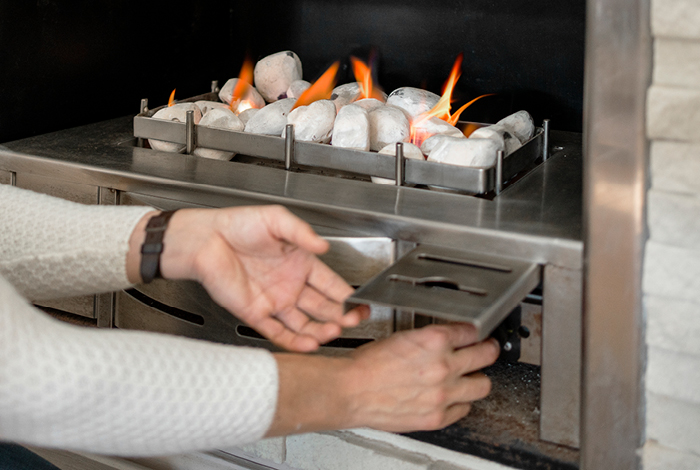
Keep your kitchen appliances clean and in good shape. Regular care helps them use less energy.
Check seals on refrigerators and ovens. Fix or replace broken parts to avoid energy loss.
- Clean refrigerator coils every six months
- Defrost freezer regularly to improve cooling
- Replace oven door seals if damaged
- Clean dishwasher filters often for better washing
- Check microwave door seals for leaks
Credit: www.fortisbc.com
Lighting And Ventilation
Reducing energy use in the kitchen helps save money and protects the environment. Lighting and ventilation are key areas to focus on.
Using efficient lights and fans can cut energy waste. Let’s explore some easy ways to do this.
Switch To Led Lighting
LED lights use much less energy than traditional bulbs. They last longer and give bright light for cooking and cleaning.
Replacing old bulbs with LEDs is an easy way to lower electricity bills and reduce energy use in your kitchen.
Use Natural Light
Open windows and curtains during the day. Natural light brightens your kitchen without using electricity.
Arrange your kitchen workspace near windows to make the most of sunlight. This helps reduce the need for artificial lights.
Efficient Ventilation Fans
Use ventilation fans that have good energy ratings. They remove cooking smells and moisture while using less power.
Turn fans on only when needed. Running fans for a shorter time saves energy and keeps your kitchen fresh.
- Choose fans with ENERGY STAR or similar labels
- Clean fan filters regularly for better airflow
- Use timers or switches to control fan run time
Water Heating Savings
Water heating uses a lot of energy in the kitchen. Saving energy here lowers bills and helps the environment.
Small changes can cut energy waste and keep your kitchen running efficiently.
Lower Water Heater Settings
Setting your water heater to a lower temperature saves energy. Most homes do not need very hot water.
Try setting the heater to 120°F (49°C). This temperature is safe and uses less power.
- Reduces energy used to heat water
- Lowers risk of scalding
- Extends the life of the water heater
Fix Leaks Promptly
Leaky faucets waste hot water and energy. Fix leaks quickly to save water and money.
Check pipes and faucets for drips. Even small leaks add up over time.
- Turn off dripping taps
- Replace worn washers or seals
- Call a plumber if the leak is large

Credit: afsreps.com
Smart Power Management
Reducing energy use in your kitchen saves money and helps the environment. Smart power management is a simple way to cut down on wasted energy.
Using smart habits and tools can lower your kitchen’s electricity use without much effort.
Unplug Idle Devices
Many kitchen devices use power even when turned off. This is called standby power or phantom load. Unplugging devices stops this waste.
Small appliances like toasters, coffee makers, and microwaves often stay plugged in all day. Unplug them when not in use.
- Unplug blenders and mixers after use
- Disconnect phone chargers not in use
- Remove power cords from rarely used gadgets
Use Smart Power Strips
Smart power strips can cut power to devices automatically. They detect when a main device turns off and shut off power to other devices.
This helps reduce energy waste from devices in standby mode. It also makes managing many devices easier.
- Plug your TV and speakers into a smart strip
- Use strips for coffee makers and kettles
- Choose strips with auto shut-off features

Credit: www.aepenergy.com
Frequently Asked Questions
How Can I Save Energy While Cooking?
Use energy-efficient appliances and cook with lids on pots. Avoid preheating ovens unnecessarily and match pot size to burners. These steps reduce energy waste in the kitchen effectively.
What Kitchen Appliances Use The Most Energy?
Refrigerators, ovens, dishwashers, and microwaves consume the most energy. Choosing Energy Star-rated models and maintaining them well can lower your kitchen’s overall energy use.
Is It Better To Use Microwave Or Oven For Cooking?
Microwaves use less energy for small meals or reheating. Ovens consume more energy and are best for large or slow-cooked dishes. Use the microwave for quick, energy-efficient cooking.
How Does Sealing Windows Help Reduce Kitchen Energy Use?
Sealing windows prevents heat loss or gain, reducing heating and cooling needs. This helps maintain a stable kitchen temperature, lowering your overall energy consumption effectively.
Conclusion
Reducing kitchen energy saves money and helps the planet. Small changes make a big difference every day. Turn off appliances when not in use. Use energy-efficient tools and cook smartly. Keep your fridge and oven clean for best use. These steps keep your kitchen green and cost less.
Start today and enjoy a brighter, cleaner future. Simple habits bring lasting savings and comfort.