
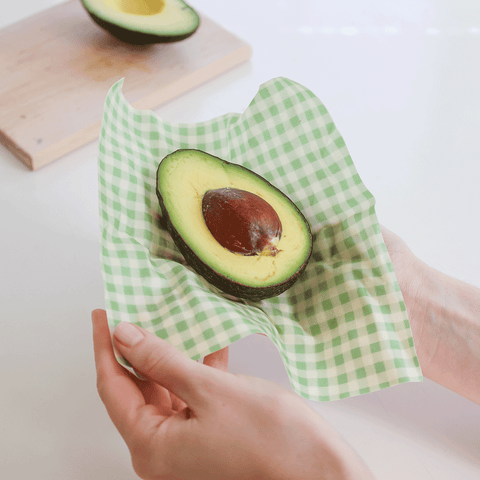
Are you looking for a simple way to reduce plastic waste in your kitchen? Compostable food wraps might be just what you need.
They keep your food fresh while breaking down naturally, helping you protect the planet. But to get the best results and make them last longer, you need to know a few key tips. Keep reading to discover how you can use compostable food wraps effectively and make a positive impact every day.
Choosing The Right Compostable Wrap
Compostable food wraps are eco-friendly alternatives to plastic. They help reduce waste and are safe for the environment. Picking the right wrap is important for effectiveness and sustainability.
Here are some tips to guide you in selecting compostable wraps. Consider materials, certifications, and brands for the best choice.
Materials To Look For
Compostable wraps are made from natural materials. These materials break down easily. Look for wraps made from cellulose, beeswax, or soy proteins.
- Cellulose: Derived from plants, it is biodegradable.
- Beeswax: Natural and provides a good seal.
- Soy proteins: A plant-based option that is compostable.
Certifications And Labels
Check for certifications to ensure the wrap is truly compostable. Certifications guarantee that the product meets environmental standards.
Look for labels like BPI Certified Compostable or TUV OK Compost. These labels show the wrap meets strict guidelines.
- BPI Certified Compostable: Recognized certification for compostability.
- TUV OK Compost: Ensures the wrap is safe for home composting.
Best Brands In The Market
Several brands offer high-quality compostable wraps. These brands focus on sustainability and effectiveness. Choosing a trusted brand helps ensure you get a reliable product.
Some popular brands include Bee’s Wrap, Etee, and If You Care. These brands offer a range of options to suit your needs.
- Bee’s Wrap: Known for reusable beeswax wraps.
- Etee: Offers plant-based wraps.
- If You Care: Provides certified compostable wraps.

Credit: berkeleyca.gov
Preparing Food For Wrapping
Using compostable food wraps helps reduce plastic waste. Preparing food properly makes wrapping easier and keeps food fresh.
Follow simple steps to get your food ready before wrapping it. This improves the wrap’s effectiveness and prevents mess.
Cleaning And Drying Tips
Clean your food to remove dirt and bacteria. Wash fruits and vegetables under running water before wrapping.
Dry food completely to help the wrap stick better. Use a clean towel or let the food air dry before wrapping.
- Rinse food under cold water
- Use a soft brush for rough surfaces
- Pat dry with a clean cloth or paper towel
- Allow food to air dry if needed
Cutting To Size
Cut the compostable wrap to fit your food. Use enough wrap to cover the food completely without waste.
Use scissors or a knife to cut the wrap. Cutting it to the right size makes wrapping easier and neater.
- Measure food size before cutting wrap
- Leave extra space to fold edges
- Cut straight edges for easy folding
Avoiding Excess Moisture
Too much moisture can affect the wrap’s seal and cause food to spoil faster. Remove excess water before wrapping.
Use paper towels to absorb extra moisture. Keep wrapped food in a cool place to prevent sweating inside the wrap.
- Drain wet foods before wrapping
- Use absorbent paper for moist items
- Store wrapped food in the fridge
Effective Wrapping Techniques
Using compostable food wraps is a smart way to reduce waste. To keep food fresh, use proper wrapping methods.
Good wrapping keeps moisture and air out. It also helps food stay tasty longer.
Sealing Tips For Freshness
Make sure the wrap fits tightly around the food. Press the edges firmly to seal in freshness.
Use warm hands to soften the wrap slightly. This helps it stick better and close gaps.
- Wrap food snugly without stretching too much
- Press all edges to seal air out
- Use overlapping layers on large items
Wrapping Different Food Types
Different foods need different wrapping styles. Soft fruits need gentle wrapping to avoid bruises.
For vegetables, wrap tightly to keep moisture inside. Cheese needs a breathable wrap to stay fresh.
- Soft fruits: wrap loosely to avoid damage
- Vegetables: wrap tightly to lock moisture
- Cheese: wrap with slight air gaps to breathe
Layering For Extra Protection
Use more than one layer for foods that spoil quickly. Extra layers block air and keep food fresh longer.
Layer wraps with a thin cloth or paper towel inside. This absorbs moisture and prevents sogginess.
- Wrap food first with compostable wrap
- Add a dry cloth or paper towel layer
- Finish with another wrap layer for sealing

Credit: refreshpackaging.ca
Storing Wrapped Food
Using compostable food wraps is a smart way to store your food. These wraps help keep food fresh while being good for the planet.
It is important to store wrapped food properly. This helps keep food safe and tasty for longer.
Refrigeration And Freezing
Compostable wraps work well in the fridge. They keep moisture in and stop food from drying out. Place wrapped food in airtight containers for extra protection.
Freezing with compostable wraps is possible but needs care. Use wraps designed for freezing. Wrap food tightly to avoid freezer burn and keep food fresh.
Shelf Life Expectations
Compostable wraps do not last as long as plastic wraps. They work best for short-term storage. Use wrapped food within a few days for best taste and safety.
Check food often for signs of spoilage. Smell, look, and feel your food before eating. Compostable wraps break down faster, so store food wisely.
Avoiding Cross-contamination
Keep raw and cooked foods separate when wrapping. Use different wraps or containers to stop germs from spreading. Wash hands before handling wraps and food.
- Wrap raw meat separately
- Use fresh wraps for cooked foods
- Clean surfaces before wrapping food
- Store wrapped foods in separate fridge areas
Composting Used Wraps
Compostable food wraps are good for the environment. They break down naturally and add nutrients to soil.
Knowing how to compost these wraps helps reduce waste and supports healthy soil growth.
Preparing Wraps For Composting
Before composting, clean the wraps by removing food scraps. This keeps the compost healthy.
If the wrap has oil or sticky food, wipe it with a paper towel. Avoid using soap or chemicals.
- Remove large food pieces
- Wipe off oil or sticky residue
- Do not wash with soap
- Cut wraps into small pieces for faster composting
Home Vs. Commercial Composting
Home composting works well for many wraps but may take longer. Warm, moist conditions help speed up breakdown.
Commercial composting uses higher heat and special machines. It breaks down wraps faster and more completely.
- Home composting: slower, needs good care
- Commercial composting: faster, uses heat and machines
- Check product label to see composting type
- Some wraps need commercial facilities to fully break down
Troubleshooting Composting Issues
If wraps do not break down, check moisture and temperature. Dry or cold compost slows decomposition.
Too much plastic or non-compostable items can stop the process. Remove these to improve compost quality.
- Keep compost moist but not wet
- Turn compost to add air
- Remove non-compostable items
- Be patient; some wraps take longer to break down
Eco-friendly Wrap Maintenance
Compostable food wraps help reduce plastic waste. Taking care of them properly keeps them useful longer.
Good maintenance saves money and protects the environment. Learn simple ways to clean and reuse these wraps.
Cleaning And Reusing Tips
Clean wraps gently with cool water and mild soap. Avoid hot water because it can melt the wrap.
Use a soft cloth or sponge to remove food bits. Do not scrub hard or use harsh chemicals.
- Rinse with cool water right after use
- Use mild soap and soft cloth
- Air dry completely before storing
- Store wraps flat or rolled to avoid creases
Extending Wrap Lifespan
Keep wraps away from heat sources like microwaves or ovens. Heat damages the material and shortens life.
Use wraps only for dry or slightly moist foods. Avoid wrapping raw meat or very wet items to prevent odor and stains.
- Store in a cool, dry place
- Use wraps for cheese, bread, fruits, and vegetables
- Do not fold too many times to avoid cracks
- Keep away from sharp objects
When To Replace Wraps
Replace wraps if they lose stickiness or develop cracks. These signs mean the wrap no longer protects food well.
Check for stains or odors that do not go away after cleaning. Old wraps can affect food taste and safety.
- Wrap becomes less sticky or dry
- Visible cracks or tears appear
- Persistent stains or bad smells
- Wrap feels brittle or hard
Common Mistakes To Avoid
Compostable food wraps are great for the environment. Using them correctly helps reduce waste. Avoid these common mistakes to get the best results.
Knowing what not to do saves you time and keeps your food fresh. Learn how to handle these wraps safely and properly.
Using Wraps With Hot Foods
Compostable wraps can melt or lose shape with heat. Do not use them on hot foods straight from the oven or microwave.
Heat can cause chemicals to break down, making the wrap less safe or less effective.
- Wait until food cools to below 40°C (104°F) before wrapping
- Use other containers for hot meals
- Check wrap instructions for heat limits
Mixing With Non-compostable Waste
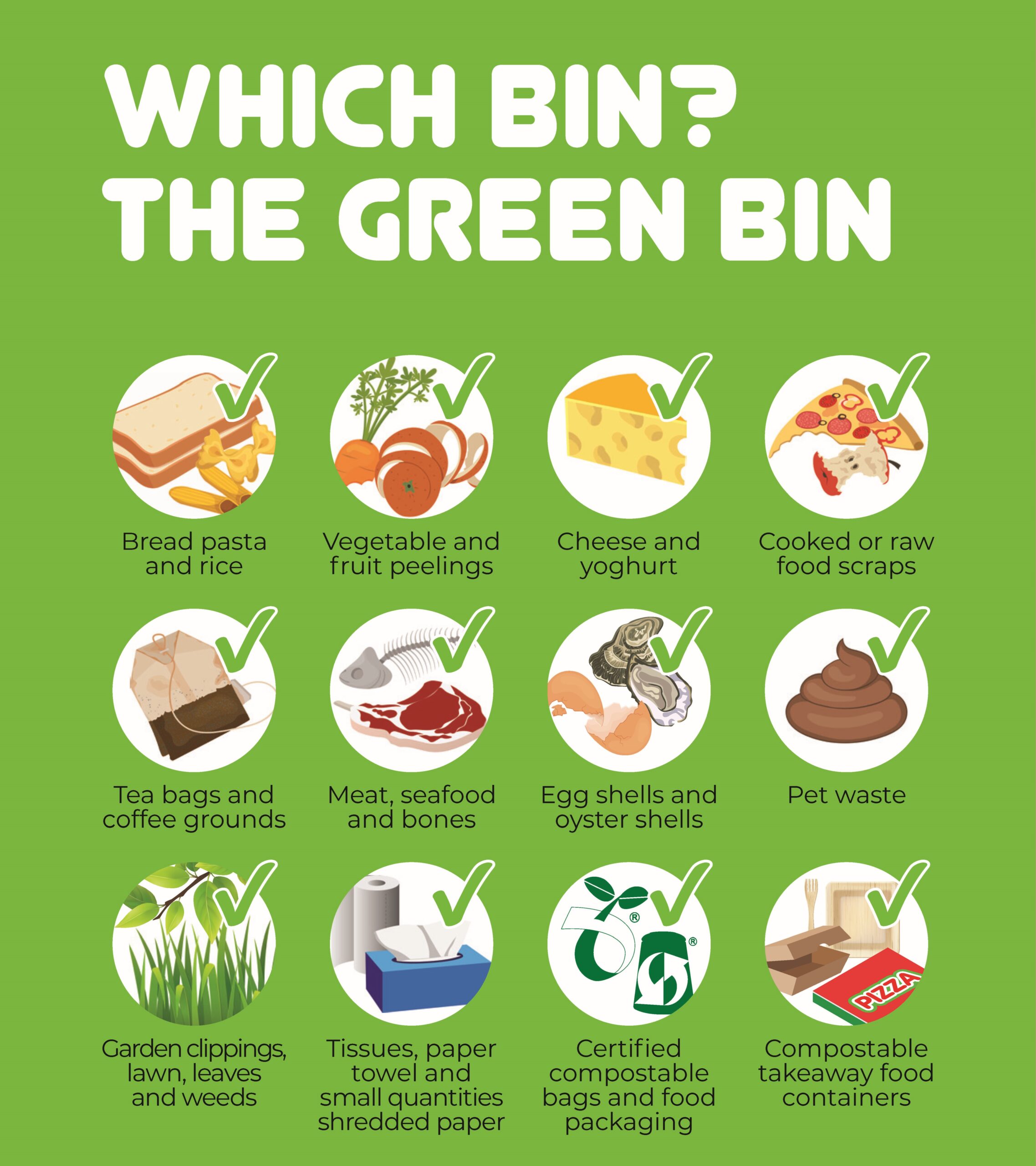
Throwing compostable wraps in the trash with plastic or metal stops them from breaking down. Keep them separate from non-compostable waste.
Mixing wastes confuses compost facilities and causes contamination.
- Only compost wraps that are free of food residue
- Do not mix with plastic bags or foil
- Use clear labels or bins for compostable waste
Overlooking Storage Instructions
Storing wraps in damp or hot places can ruin them. Follow storage instructions to keep wraps fresh and usable.
Ignoring storage tips may cause wraps to become sticky or brittle.
- Store wraps in a cool, dry place
- Keep wraps in their original packaging until use
- Avoid exposure to direct sunlight or heat
Credit: www.eastwaste.com.au
Frequently Asked Questions
What Are Compostable Food Wraps Made Of?
Compostable food wraps are made from natural materials like beeswax, plant fibers, and biodegradable resins. These materials break down easily in compost environments, reducing plastic waste and supporting eco-friendly practices in food storage.
How Do Compostable Food Wraps Work?
They create a breathable, reusable barrier that keeps food fresh longer. Unlike plastic, they allow moisture to escape, preventing mold and spoilage while being safe for the environment when composted.
Can Compostable Wraps Be Reused Multiple Times?
Yes, most compostable food wraps can be reused several times with proper care. Gently wash with cool water and mild soap, then air dry. Avoid heat sources to maintain their effectiveness and longevity.
Are Compostable Food Wraps Safe For All Food Types?
Compostable wraps are safe for fruits, vegetables, cheese, and bread. Avoid using them with raw meat or fish, as they are not designed to prevent cross-contamination or handle heavy moisture.
Conclusion
Compostable food wraps offer an eco-friendly way to store food. They help reduce plastic waste and keep food fresh. Use them properly to get the best results. Clean wraps gently and air dry before storing. Avoid wrapping hot or oily foods to protect the material.
Small changes make a big difference for the planet. Try compostable wraps to support a greener lifestyle. Simple steps create lasting habits for a cleaner environment.