
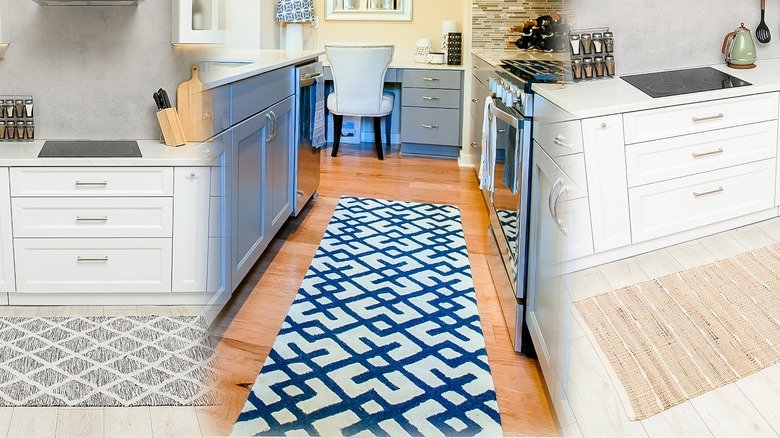
Choosing the right kitchen mat might seem simple, but have you ever thought about how it affects your health and the planet? Your kitchen mat is more than just a comfy spot to stand on—it can make a big difference in creating a safer, cleaner, and eco-friendly space.
If you want to protect your family and make smarter choices, understanding how to pick a sustainable kitchen mat is key. Keep reading, and you’ll discover easy tips that help you find the perfect mat that feels good, lasts long, and supports a greener lifestyle.

Credit: www.tasteofhome.com
Benefits Of Sustainable Kitchen Mats
Sustainable kitchen mats offer many benefits for homes and the planet. They are made from eco-friendly materials and support a healthier lifestyle. Choosing sustainable mats can also save money in the long run.
These mats are crafted to reduce harm to the environment. They are designed to be durable and comfortable, making them a smart choice for any kitchen.
Environmental Impact
Sustainable kitchen mats are made from renewable resources. This helps to reduce waste and pollution. These mats often use materials like bamboo, recycled rubber, or organic cotton.
Using eco-friendly mats helps conserve natural resources. It also reduces the carbon footprint of your household.
- Reduces landfill waste
- Uses fewer natural resources
- Decreases carbon emissions
Health Advantages
Sustainable mats are free from harmful chemicals. This means they are safer for your family. They help improve indoor air quality by reducing toxins.
These mats can also provide better support for your feet. They are often designed to reduce fatigue and discomfort while standing.
- Non-toxic materials
- Improves air quality
- Offers better comfort
Cost-effectiveness
Sustainable kitchen mats are built to last. They may have a higher upfront cost, but they save money over time. Durable mats reduce the need for frequent replacements.
Long-lasting mats mean fewer purchases, saving you money. Investing in quality products can be more economical in the long run.
- Reduces replacement frequency
- Saves money over time
- Investing in durability
Key Materials For Eco-friendly Mats
Choosing a sustainable kitchen mat means picking the right materials. Eco-friendly mats help reduce waste and pollution.
Many materials offer durability and good looks while being kind to the planet. Understanding these materials helps you make a smart choice.
Natural Fibers
Natural fibers come from plants or animals. They are renewable and break down easily after use.
Common natural fibers include cotton, jute, and coir. These fibers absorb water well and feel soft underfoot.
- Cotton is soft and easy to clean.
- Jute is strong and has a rustic look.
- Coir comes from coconut husks and dries fast.
Recycled Materials
Mats made from recycled materials reduce landfill waste. They reuse plastics or fabrics that would be thrown away.
Recycled mats often use plastic bottles or old textiles. They are durable and help lower demand for new resources.
- Recycled PET comes from plastic bottles.
- Reclaimed fabric mats use leftover cloth.
- These mats resist stains and wear well.
Biodegradable Options
Biodegradable mats break down naturally in soil. They do not leave harmful chemicals behind.
Materials like natural rubber and bamboo fiber are good choices. These mats offer comfort and environmental safety.
- Natural rubber is flexible and lasts long.
- Bamboo fiber grows quickly and renews fast.
- Both materials compost easily after use.
Durability Factors To Consider
Choosing a sustainable kitchen mat means thinking about how long it will last. Durability is key for a mat that handles daily use.
Durability depends on several factors. These include how well the mat resists wear, handles moisture, and how easy it is to clean.
Wear Resistance
Wear resistance means the mat can handle foot traffic and kitchen activities without breaking down. A mat that wears out quickly is not sustainable.
Look for mats made with strong fibers and tight weaves. These materials last longer and keep their shape.
- Natural fibers like coir or jute offer good durability
- Synthetic fibers such as recycled rubber resist heavy wear
- Check product details for abrasion resistance ratings
Moisture Handling
A kitchen mat must deal with spills and wet floors. Good moisture handling helps avoid mold and damage.
Choose mats that absorb water but dry quickly. Some mats have natural water resistance or quick-dry features.
- Materials like rubber and bamboo resist water well
- Natural fibers should be treated to prevent mold
- Avoid mats that stay wet and feel soggy
Ease Of Cleaning
Cleaning a kitchen mat should be simple to keep it fresh. Easy cleaning extends the mat’s life and use.
Look for mats that can be washed or wiped clean. Materials that do not trap dirt make cleaning faster.
- Machine-washable mats save time and effort
- Non-porous surfaces wipe clean with a damp cloth
- Avoid mats that need special cleaning products
Design And Comfort Features
Choosing sustainable kitchen mats means thinking about design and comfort. These features help you enjoy your kitchen space more.
Look for mats that support your body and match your kitchen style. Comfort and design go hand in hand for a better experience.
Anti-fatigue Properties
Anti-fatigue mats reduce strain on your feet and legs. They make standing for long times easier and less tiring.
Choose mats with cushioning materials like foam or gel. These help absorb pressure and improve comfort while cooking.
- Soft cushioning supports joints
- Reduces leg and back pain
- Improves blood flow during standing
Non-slip Surfaces
A non-slip surface keeps the mat in place. It prevents accidents in a busy kitchen environment.
Look for mats with rubber or textured backs. These provide good grip on different floor types like tile or wood.
- Prevents slipping and sliding
- Keeps mat stable during use
- Improves kitchen safety
Aesthetic Choices
Pick mats that match your kitchen’s look. Choose colors and patterns that fit your style.
Natural materials like bamboo or recycled fibers add eco-friendly charm. Simple designs can blend well with many kitchens.
- Choose colors that complement cabinets
- Pick patterns that suit your taste
- Consider natural materials for a green look
Certifications And Labels To Look For
Choosing sustainable kitchen mats means checking their certifications. These labels show if the mats meet eco-friendly and safety rules.
Certifications help you find mats that are safe for your home and kind to the planet.
Eco-certifications
Eco-certifications prove that kitchen mats are made with green methods. They confirm low environmental impact during production.
- GOTS (Global Organic Textile Standard) ensures organic fibers
- OEKO-TEX Standard 100 tests for harmful chemicals
- GreenGuard certifies low chemical emissions
- FSC (Forest Stewardship Council) supports responsible forestry
Safety Standards
Safety labels show that mats do not cause harm at home. They check for fire resistance and slip resistance.
- ASTM standards test durability and safety
- NFPA (National Fire Protection Association) rates fire safety
- Anti-slip certifications reduce fall risks
Material Transparency
Material transparency means brands share full details about what mats are made of. This helps you avoid hidden toxic parts.
Look for labels that list all materials clearly. Check if the mats use recycled or natural fibers.
- Clear ingredient lists on packaging
- Use of recycled rubber or natural cotton
- Information on biodegradability or recyclability

Credit: www.reddit.com
Tips For Maintaining Kitchen Mats
Keeping your kitchen mats clean and in good shape helps them last longer. Proper care also keeps your kitchen safe and tidy.
Here are some simple tips to help you maintain your sustainable kitchen mats.
Cleaning Techniques
Regular cleaning stops dirt and stains from building up on your kitchen mats. Use gentle cleaning methods to protect the material.
Wipe mats with a damp cloth or sponge using mild soap. Avoid harsh chemicals that can damage the mat’s surface.
- Shake or vacuum mats to remove loose dirt
- Spot clean spills quickly to prevent stains
- Air dry mats completely before placing them back
Storage Suggestions
Store your kitchen mats in a dry, cool place when not in use. Proper storage keeps them from warping or growing mold.
Roll mats instead of folding to avoid creases. Keep them away from direct sunlight to prevent fading.
- Clean mats before storing
- Use a breathable bag or cover
- Place mats flat or rolled
Extending Lifespan
Taking small steps can help your kitchen mats last longer. Avoid heavy traffic and sharp objects on the mats.
Rotate mats regularly to spread out wear. Check for damage and repair small tears quickly to stop them from growing.
- Use mats only in the kitchen area
- Keep nails and pet claws trimmed
- Replace mats when they lose grip or get damaged
Where To Buy Sustainable Mats
Finding sustainable kitchen mats is easier when you know where to look. Many places offer eco-friendly options made from natural or recycled materials.
Choosing the right seller helps support ethical businesses and ensures quality products. Here are good places to find sustainable kitchen mats.
Specialty Eco Stores
Specialty eco stores focus on products that are kind to the environment. They often carry kitchen mats made from organic fibers or recycled materials.
These stores carefully select items that meet strict sustainability standards. Shopping here supports brands that care about the planet.
Online Marketplaces
Online marketplaces offer a wide range of sustainable mats. You can compare many styles, prices, and materials in one place.
Look for products with clear information about their eco-friendly features. Reviews can help you choose mats that last and stay safe for your home.
Local Artisans
Local artisans create handmade mats using natural or recycled materials. Buying from them supports your community and reduces shipping impact.
These mats often have unique designs and high quality. You can ask artisans about how they make their products and what materials they use.

Credit: www.tasteofhome.com
Frequently Asked Questions
What Materials Make A Kitchen Mat Sustainable?
Sustainable kitchen mats are made from natural, renewable, or recycled materials. Common options include organic cotton, bamboo, jute, and recycled rubber. These materials reduce environmental impact and are often biodegradable or recyclable, promoting eco-friendly living in your kitchen space.
How To Choose Eco-friendly Kitchen Mats?
Look for mats made from non-toxic, biodegradable, or recycled materials. Check for certifications like OEKO-TEX or GOTS. Also, consider durability and ease of cleaning to ensure long-lasting use, which reduces waste and supports sustainability.
Are Natural Fiber Mats Better For Sustainability?
Yes, natural fibers like jute, coir, or organic cotton are biodegradable and renewable. They have a lower environmental footprint than synthetic mats and often support sustainable farming practices, making them an excellent choice for eco-conscious kitchens.
Can Recycled Materials Be Durable For Kitchen Mats?
Absolutely. Recycled rubber or plastic mats can be highly durable and water-resistant. Choosing recycled materials reduces landfill waste and conserves resources, making these mats both practical and sustainable for everyday kitchen use.
Conclusion
Choosing sustainable kitchen mats helps protect the planet and your home. Select mats made from natural, recycled, or biodegradable materials. Consider durability and ease of cleaning to save money and effort. Small choices like these make a big difference over time.
Your kitchen can stay eco-friendly without losing style or comfort. Keep these tips in mind for smarter, greener purchases. Every step counts toward a healthier environment. Start with a simple change today.