
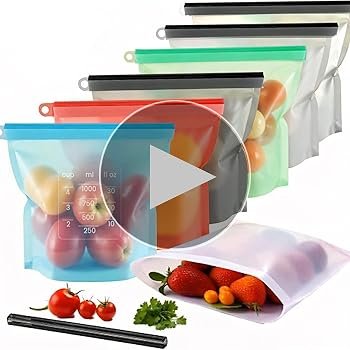
Are you tired of wasting money on single-use plastic bags that harm the environment and clutter your kitchen? Silicone food storage bags offer a smart, eco-friendly alternative that can save you time, money, and stress.
But how exactly do you use them to get the most out of their benefits? You’ll discover simple, practical tips to make silicone bags a game-changer in your daily routine. Ready to transform the way you store food and protect the planet?
Let’s dive in.

Credit: www.moonmoon.co.uk
Benefits Of Silicone Food Bags
Silicone food storage bags are a great choice for keeping food fresh. They are reusable and safe for many uses.
These bags help reduce waste and are easy to clean. Let’s explore their benefits in detail.
Durability And Reusability
Silicone bags are strong and can last a long time. They do not tear easily and can be used many times.
Unlike plastic bags, they do not wear out quickly. This makes them a cost-effective choice for families.
- Can be used hundreds of times
- Resistant to tears and punctures
- Cost-saving over time
Eco-friendly Choice
Silicone bags help reduce plastic waste. They are made from a material that is safe for the environment.
Using these bags can lower the amount of single-use plastics we throw away. This helps protect our planet.
- Reduces single-use plastic waste
- Made from sustainable materials
- Promotes a cleaner environment
Safe For Various Temperatures
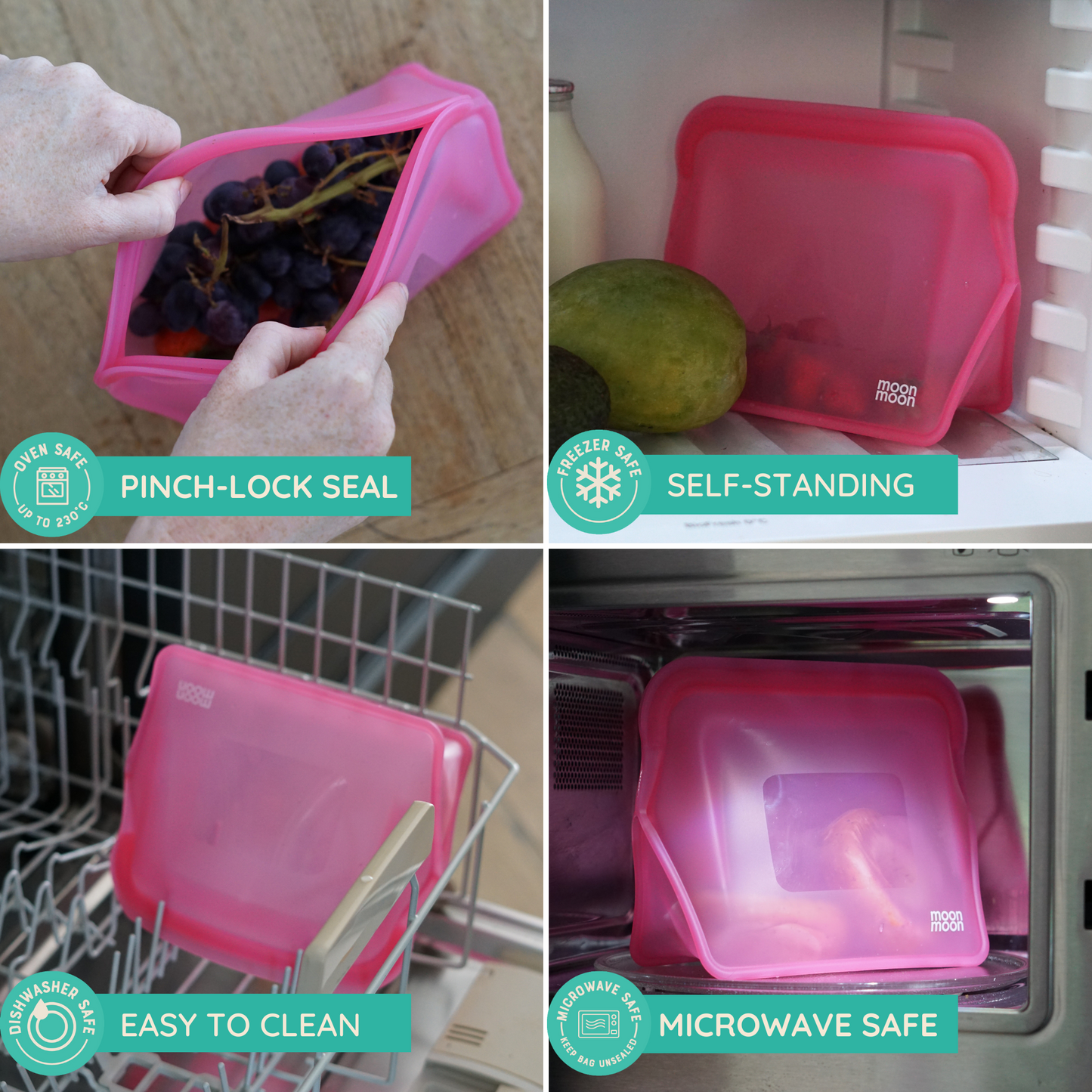
Silicone food bags can handle hot and cold temperatures. You can use them in the freezer, microwave, and dishwasher.
This makes them versatile for storing and heating food. They are convenient for everyday use in the kitchen.
- Freezer safe for storing leftovers
- Microwave safe for quick reheating
- Dishwasher safe for easy cleaning
Choosing The Right Silicone Bag
Silicone food storage bags are useful for keeping food fresh. Choosing the right bag helps you store food safely and easily.
Look at different features before you buy. This guide covers sizes, seal types, and material quality.
Sizes And Shapes
Silicone bags come in many sizes and shapes. Pick sizes that fit the food you store most often.
Small bags work well for snacks or sandwiches. Large bags are good for storing leftovers or bulk items.
- Small: holds snacks, nuts, or small fruits
- Medium: fits sandwiches or medium portions
- Large: stores leftovers or big vegetables
- Shapes: flat, stand-up, or pouch styles
Seal Types
The seal keeps the bag closed and stops air from entering. Choose a seal type that is easy to use and tight.
Some silicone bags have zip locks. Others use slide seals or press seals. Pick one you find simple to open and close.
- Zip lock: simple, good for daily use
- Slide seal: very tight, prevents leaks
- Press seal: easy to close but may be less secure
Material Quality
High-quality silicone is safe for food and lasts a long time. Look for bags made from food-grade silicone without harmful chemicals.
Good silicone bags resist heat and cold. They work in the freezer, microwave, and dishwasher.
- Food-grade silicone is BPA-free and non-toxic
- Thicker silicone lasts longer and resists tears
- Look for FDA or similar safety certifications
- Easy to clean and dishwasher safe
Preparing Bags For Use
Silicone food storage bags are reusable and eco-friendly. Before using them, you need to prepare the bags properly.
Preparing includes cleaning the bags and checking them for any damage. This helps keep your food safe and the bags long-lasting.
Cleaning Before First Use
Clean your silicone bags before using them the first time. This removes any dust or residues from manufacturing.
Use warm water with mild soap and rinse well. Make sure to dry the bags completely before use.
- Wash with warm water and mild soap
- Rinse thoroughly to remove soap
- Air dry or dry with a clean towel
Inspecting For Damage
Check your silicone bags for any holes, tears, or weak spots before use. Damaged bags can leak or spoil food.
Look closely at seams and edges. If you find damage, do not use that bag for food storage.
- Check all sides for holes or tears
- Inspect seams for weak or loose areas
- Discard any bags with visible damage
Credit: www.moonmoon.co.uk
Filling And Sealing Tips
Silicone food storage bags are reusable and safe for many uses. Filling and sealing them correctly keeps food fresh longer.
Follow simple steps to avoid spills and leaks. This guide helps you fill and seal the bags the right way.
Avoid Overfilling
Do not fill silicone bags to the top. Leave space for air and to seal the bag properly.
Overfilled bags may burst or leak. It also makes sealing difficult and can cause spills.
- Fill bags about 2/3 full
- Leave room for expansion if freezing
- Keep liquid levels below the seal line
Proper Sealing Techniques
Press the seal edges firmly together. Run your fingers along the seal to close it tightly.
Check for any gaps or openings after sealing. A good seal stops air and moisture from getting in.
- Align the edges evenly before sealing
- Apply even pressure along the seal
- Double-check the seal by gently pressing the bag
Handling Liquids Safely
Pour liquids slowly into the bag to avoid spills. Use a funnel if needed for better control.
Keep the bag upright while sealing liquids. This prevents leaks and keeps the seal clean.
- Fill liquids only up to the seal line
- Wipe the seal area dry before closing
- Store bags upright to avoid leaks
Storing Different Foods
Silicone food storage bags are useful for keeping many types of foods fresh. They are flexible, reusable, and easy to clean.
You can store fruits, vegetables, meats, seafood, dry goods, and snacks safely in them. Using the right way helps food last longer.
Fruits And Vegetables
Silicone bags keep fruits and vegetables fresh by blocking air and moisture. Wash and dry produce before storing.
Use bags to store cut fruit, leafy greens, or small veggies. Keep some bags in the fridge for freshness.
- Seal bags tightly to prevent spoilage
- Do not overfill to avoid crushing
- Label bags with date to track freshness
Meats And Seafood
Silicone bags are good for storing raw or cooked meats and seafood. They keep odors contained and prevent leaks.
Place meat or fish in the bag and remove as much air as possible. Store them in the fridge or freezer depending on use.
- Use separate bags for different meats
- Freeze bags flat for easy stacking
- Label with date and type of meat
Dry Goods And Snacks
Silicone bags keep dry goods like nuts, grains, and snacks fresh and crunchy. They block air and moisture well.
Store items like chips, cookies, or cereal in sealed bags. They are easy to open and close for snacking.
- Keep bags clean and dry before use
- Use smaller bags for portion control
- Label bags to avoid confusion
Freezing And Microwaving With Silicone Bags
Silicone food storage bags are great for keeping food fresh. They work well in the freezer and microwave.
This guide explains how to freeze and microwave food safely using silicone bags.
Freezing Guidelines
Silicone bags handle freezing temperatures without breaking. They keep food fresh and prevent freezer burn.
Leave some space inside the bag for food to expand as it freezes.
- Fill the bag but do not overpack it.
- Remove as much air as possible before sealing.
- Label the bag with the date and contents.
- Lay bags flat in the freezer for easy storage.
Microwave Safety Tips
Silicone bags are microwave safe but use caution when heating food. Avoid overheating or melting.
Always open or vent the bag to release steam before microwaving.
- Use medium heat settings to warm food evenly.
- Do not microwave bags with metal parts or zippers.
- Check the bag after heating to avoid burns from hot steam.
- Let food cool slightly before removing the bag.
Cleaning And Maintenance
Silicone food storage bags are reusable and eco-friendly. Proper cleaning helps keep them safe and long-lasting.
Learn how to clean and maintain your silicone bags to avoid odors and stains.
Hand Washing Vs Dishwasher
Hand washing silicone bags is gentle and lets you clean small corners well. Use warm water and mild soap.
Dishwashers also clean silicone bags easily. Place them on the top rack to avoid heat damage.
- Hand wash with a soft sponge or cloth
- Use warm, soapy water
- Rinse thoroughly to remove soap
- Dishwasher safe on the top rack
- Avoid harsh scrubbers or bleach
Removing Odors And Stains
Silicone bags can keep smells from strong foods. Cleaning may not remove all odors immediately.
Use simple tricks to remove odors and stains effectively without damaging the bags.
- Soak bags in a mix of baking soda and water for a few hours
- Rub stains gently with a paste of baking soda and water
- Leave bags open in fresh air to help odors fade
- Use lemon juice or vinegar to neutralize strong smells
- Dry bags completely before storing to prevent mold

Credit: www.moonmoon.co.uk
Troubleshooting Common Issues
Silicone food storage bags are popular for keeping food fresh. Sometimes, users face small problems with them.
Knowing how to fix common issues helps you use these bags better and longer.
Seal Failures
A poor seal can cause leaks or spoil food inside the bag. This usually happens if the seal is not clean or closed properly.
Check the seal for crumbs, liquids, or damage before closing. Press firmly along the seal to ensure it is fully closed.
- Clean the seal area before closing the bag.
- Make sure the seal is dry and free of food bits.
- Press the seal firmly from one end to the other.
- Do not overfill the bag to avoid pressure on the seal.
- Replace the bag if the seal is torn or worn out.
Bag Warping Or Damage
Bags may warp or get damaged if exposed to very high heat or sharp objects. This affects how well they work.
Use the bags within the recommended temperature range. Avoid contact with knives or rough surfaces.
- Do not use silicone bags in direct flame or on stovetops.
- Handle bags gently to avoid tears or holes.
- Check for warping after washing in hot water or the dishwasher.
- Replace bags with visible cracks or holes.
Maximizing Freshness And Longevity
Silicone food storage bags help keep food fresh longer. Using them correctly can save money and reduce waste.
Good habits with these bags improve food quality and safety. Follow simple tips to get the best results.
Proper Food Preparation
Clean and dry food before storing it in silicone bags. Remove excess moisture to prevent spoilage.
Cut large items into smaller pieces to cool faster and stay fresh. Avoid overfilling the bags for better sealing.
- Wash fruits and vegetables well
- Dry foods completely before storage
- Cut meats and cheeses into smaller parts
- Leave space for air removal
Storage Environment Tips
Store silicone bags in cool, dark places to keep food fresh. Avoid places with high heat or sunlight.
Use the freezer for long-term storage. Remove as much air as possible before sealing to slow down spoilage.
- Keep bags sealed tightly
- Label bags with dates
- Store in the fridge for short-term use
- Freeze for long-term storage
Frequently Asked Questions
What Are Silicone Food Storage Bags Used For?
Silicone food storage bags store, freeze, and cook food safely. They replace plastic bags, reducing waste and preserving freshness. These bags are durable, reusable, and can handle heat and cold, making them versatile for various kitchen tasks.
How Do You Clean Silicone Food Storage Bags?
Clean silicone bags with warm, soapy water or in the dishwasher. Avoid harsh scrubbers to prevent damage. Dry thoroughly before storing to prevent mold and odors. Regular cleaning keeps them hygienic and odor-free for repeated use.
Can Silicone Bags Be Used In The Microwave?
Yes, silicone bags are microwave-safe. They withstand heat without melting or releasing toxins. Use them to steam vegetables or reheat leftovers. Always follow manufacturer guidelines for safe microwave use to avoid damage or safety risks.
Are Silicone Food Storage Bags Safe For Freezer Use?
Silicone bags are freezer-safe and protect food from freezer burn. Their flexibility allows easy storage and prevents cracking in cold temperatures. Use them to store meats, fruits, and leftovers efficiently while maintaining food quality.
Conclusion
Silicone food storage bags help keep food fresh longer. They are easy to clean and reuse many times. These bags save space and reduce plastic waste. Use them for snacks, leftovers, or meal prep. Remember to seal the bags tightly to prevent spills.
Store them in the fridge, freezer, or pantry. Choosing silicone bags supports a healthier planet. Simple, safe, and smart. Try them and see the difference yourself.