
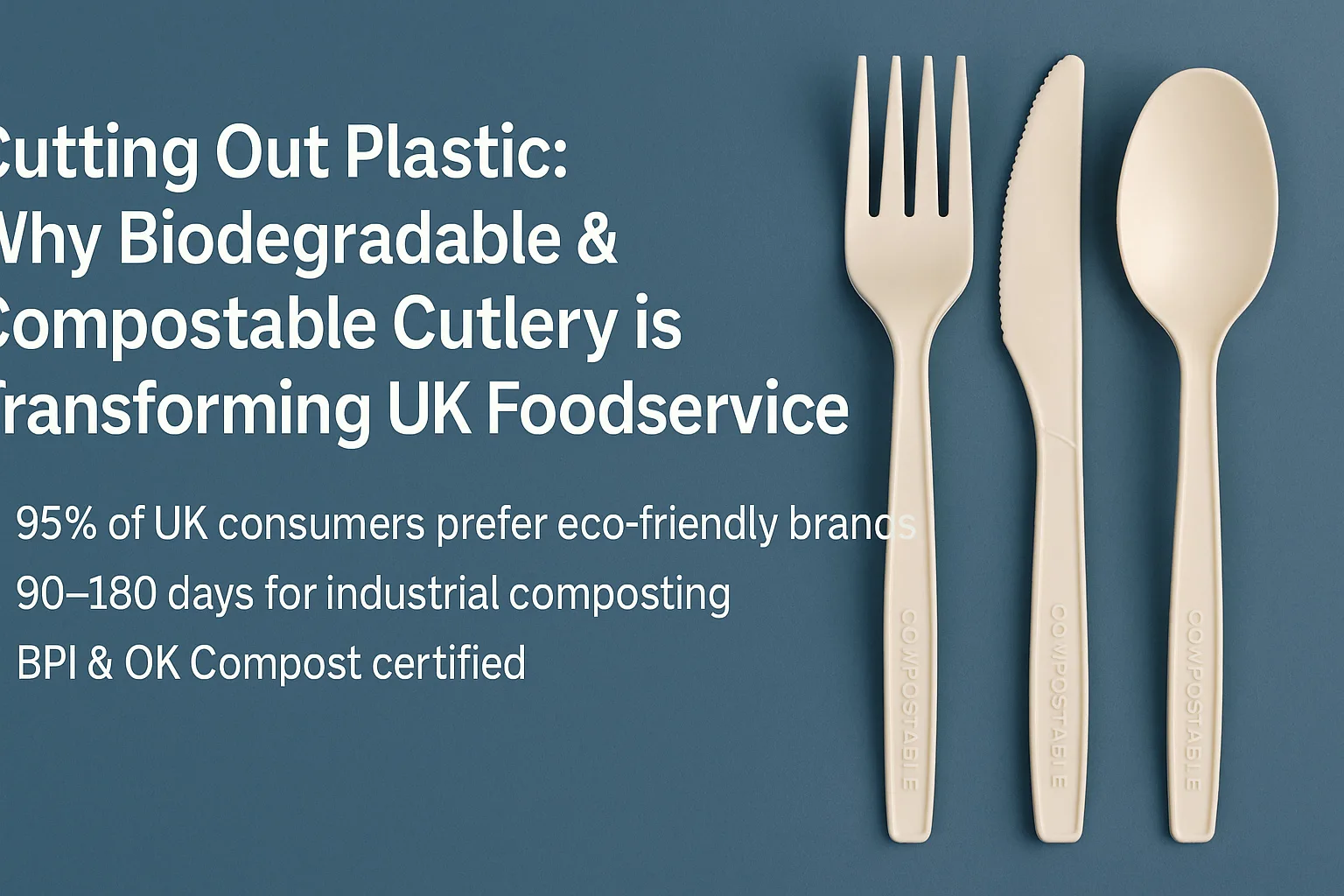
Are you tired of using plastic cutlery that harms the environment? Switching to compostable cutlery is a simple change that can make a big difference.
Imagine enjoying your meals knowing your utensils won’t end up polluting the planet. You’ll learn easy steps to make the switch without stress. Keep reading to discover how you can help reduce waste, protect nature, and still enjoy convenience every day.
Your small action can lead to a cleaner, greener future.
Benefits Of Compostable Cutlery
Compostable cutlery is a great alternative to plastic utensils. It helps reduce waste and is better for the environment.
Switching to compostable cutlery can have many benefits for our planet and health. Let’s explore some of these benefits.
Environmental Impact
Compostable cutlery breaks down faster than plastic. It reduces landfill waste and pollution.
This type of cutlery is made from renewable resources. It helps conserve natural resources and supports sustainable practices.
- Biodegrades within 90 to 180 days
- Made from corn starch or bamboo
- Less energy used in production
Health And Safety Advantages
Compostable cutlery is free from harmful chemicals. It is safer for food contact and reduces health risks.
Using compostable materials limits exposure to toxins. This is important for both consumers and the environment.
- No BPA or phthalates
- Safe for hot and cold foods
- Minimal chemical leaching
Cost Considerations
Compostable cutlery can be more expensive than plastic. However, the environmental benefits often outweigh the cost.
Bulk purchasing can help reduce costs. Look for suppliers who offer discounts on large orders.
- Higher initial cost
- Long-term savings on waste management
- Bulk discounts available
Types Of Compostable Cutlery
Compostable cutlery is a great way to reduce plastic waste. It breaks down naturally and helps the environment.
There are different types of compostable cutlery made from various materials. Knowing about them helps you choose the best option.
Materials Used
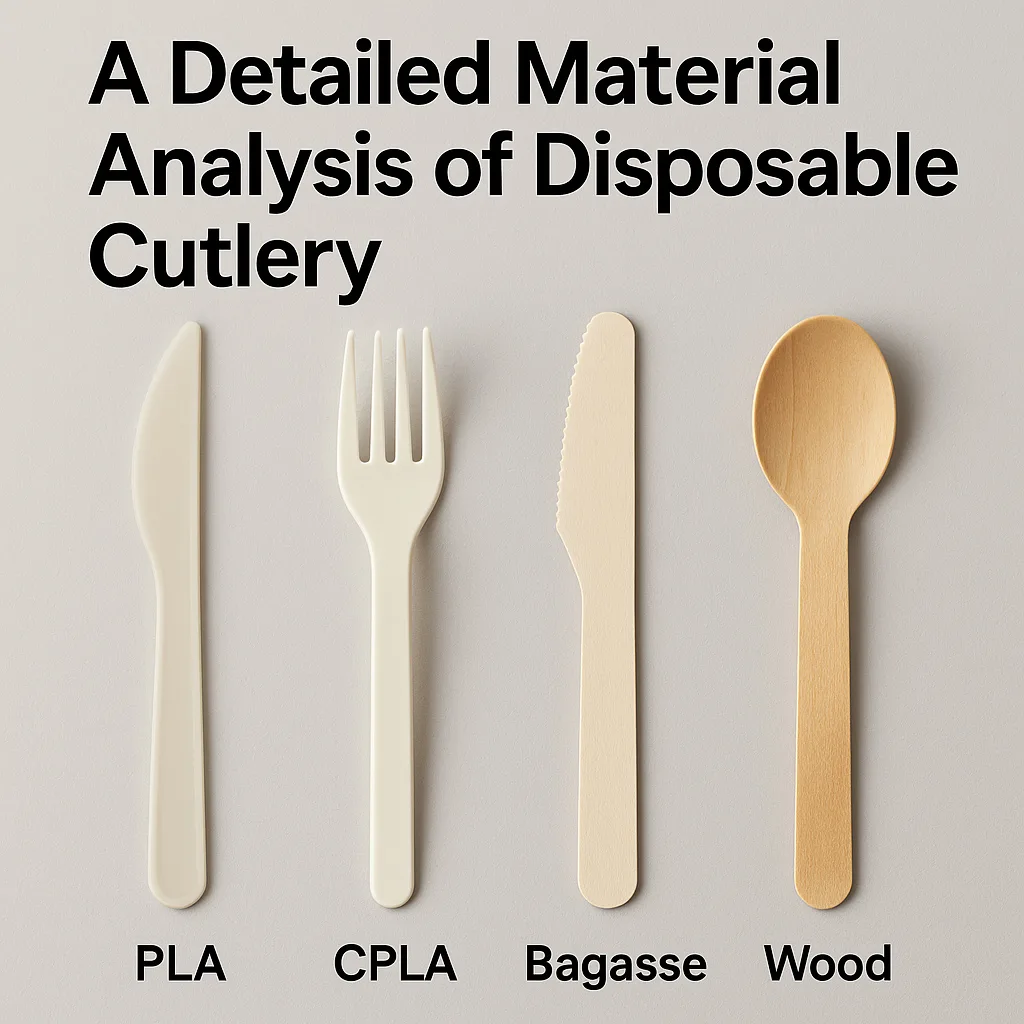
Compostable cutlery is made from natural materials that decompose easily. Common materials include corn starch, bamboo, and sugarcane bagasse.
Corn starch cutlery looks like plastic but breaks down quickly. Bamboo cutlery is strong and reusable. Sugarcane bagasse cutlery comes from leftover plant fibers.
- Corn starch
- Bamboo
- Sugarcane bagasse
- Wood
- PLA (Polylactic Acid)
Durability And Usability
Compostable cutlery can be just as useful as plastic. Some types are strong enough for hot and cold foods.
Bamboo and wooden cutlery are sturdy and good for heavy meals. Corn starch and PLA cutlery work well for light use and soft foods.
- Bamboo: strong, reusable, good for hot foods
- Wood: sturdy, single-use, natural look
- Corn starch: plastic-like, single-use, breaks down fast
- PLA: made from plants, good for cold foods
Certifications To Look For
Certifications show that compostable cutlery meets environmental standards. They ensure the product will break down safely.
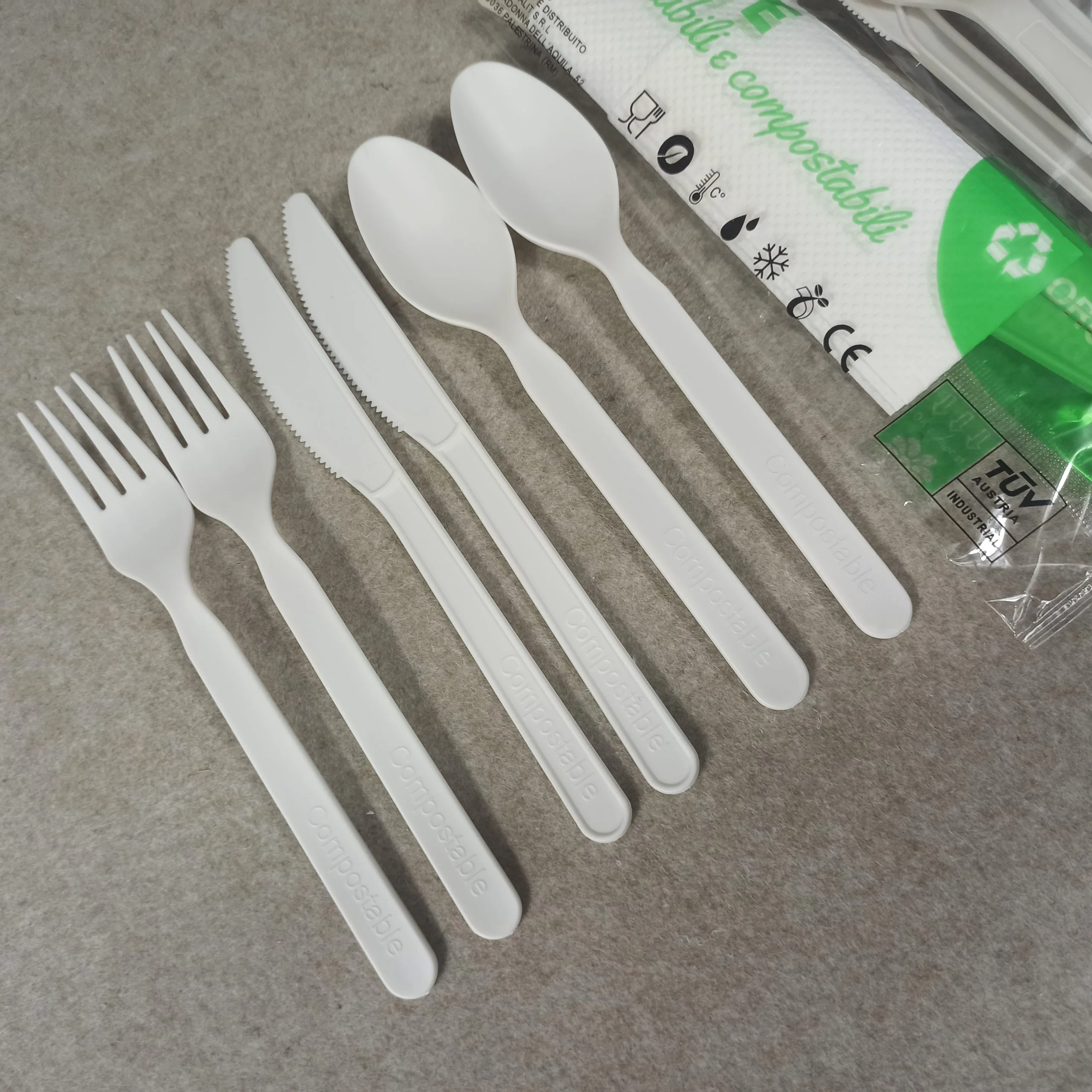
Look for certifications like ASTM D6400, EN 13432, and OK Compost. These labels mean the cutlery is tested for compostability and safety.
- ASTM D6400: US standard for compostable plastics
- EN 13432: European standard for compostable products
- OK Compost: certifies industrial composting suitability
- Seedling logo: shows product is biodegradable
Where To Buy Compostable Cutlery
Switching to compostable cutlery helps reduce plastic waste. You can find eco-friendly options in many places.
Buying the right compostable cutlery depends on your needs and where you live. Here are some good places to start.
Online Retailers
Online shops offer a wide variety of compostable cutlery. You can compare prices and read reviews before buying.
Many online retailers provide fast shipping and eco-friendly packaging for their products.
- Amazon
- Eco-friendly specialty stores
- Zero waste product websites
Local Stores And Markets
Check local grocery stores or health food shops for compostable cutlery. Some stores focus on sustainable products.
Farmers markets and eco fairs often have vendors selling compostable utensils. This supports local businesses too.
- Health food stores
- Organic markets
- Eco-friendly shops
Bulk Purchasing Options
Buying compostable cutlery in bulk can save money. This is useful for parties, events, or businesses.
Wholesalers and specialized suppliers offer bulk packs with different sizes and materials.
- Restaurant supply stores
- Wholesale eco product distributors
- Direct orders from manufacturers
Credit: www.bioleaderpack.com
Switching Tips For Home Use
Switching to compostable cutlery at home helps reduce plastic waste. It is a simple way to care for the environment.
Follow these tips to make the change easy and effective for your family.
Gradual Replacement
Start by replacing plastic cutlery with compostable ones little by little. This helps everyone get used to the change.
Keep some plastic cutlery for special occasions while using compostable cutlery daily.
- Buy compostable cutlery in small packs first
- Use compostable cutlery for meals at home
- Slowly reduce buying plastic cutlery
- Check if compostable cutlery fits your family’s needs
Proper Storage
Store compostable cutlery in a dry and cool place. This keeps them clean and ready to use.
Avoid places with high humidity to stop cutlery from getting soft or damaged.
- Use a sealed container or a drawer
- Keep away from heat sources like stoves
- Label the storage area to avoid confusion
Educating Household Members
Explain to everyone in the house why compostable cutlery is better. Clear information helps make the switch easier.
Teach how to use and dispose of compostable cutlery properly to avoid mistakes.
- Share facts about plastic waste and composting
- Show how to separate compostable cutlery from trash
- Encourage questions and share tips
- Remind regularly about the benefits
Adopting Compostable Cutlery In Businesses
Switching to compostable cutlery helps businesses reduce plastic waste. It supports a cleaner environment.
Many businesses want to make this change but need guidance. This guide covers key steps to adopt compostable cutlery.
Supplier Selection
Choose suppliers that offer certified compostable cutlery. Check their products meet safety and composting standards.
Compare prices and delivery options. Reliable suppliers help keep your business running smoothly.
- Look for certifications like ASTM D6400 or EN 13432
- Request samples before buying in bulk
- Check supplier reviews and reputation
- Ensure the supplier can meet your order volume
Staff Training
Train staff on why compostable cutlery is important. Explain how to use and dispose of it properly.
Make sure employees can answer customer questions. Proper training helps customers feel confident about the change.
- Provide simple guides or quick training sessions
- Show how to separate compostable items from trash
- Encourage staff to promote the new cutlery politely
- Review training regularly to keep knowledge fresh
Customer Communication
Inform customers about your switch to compostable cutlery. Explain its benefits clearly and simply.
Use signs, menus, or staff to share this message. Clear communication can increase customer support.
- Place signs near checkout and dining areas
- Add notes on menus or receipts
- Train staff to mention the change politely
- Encourage customers to compost after use
Credit: www.bioleaderpack.com
Composting Your Cutlery
Switching to compostable cutlery helps reduce plastic waste. Composting these items returns them to the soil safely.
Knowing how to compost your cutlery properly is key to making this change effective and eco-friendly.
Home Composting Methods
You can compost some compostable cutlery at home if it meets certain conditions. Check if your cutlery is certified for home composting.
Break the cutlery into smaller pieces to speed up decomposition. Add it to your compost bin with food scraps and yard waste.
- Use a compost bin or pile in your backyard
- Keep the compost moist but not wet
- Turn the compost regularly for air flow
- Avoid adding cutlery with coatings or additives
Community Composting Programs
Many areas offer community composting programs that accept compostable cutlery. These programs handle larger amounts and reach higher temperatures.
Find a local drop-off point or collection service that takes compostable utensils. Follow their rules for sorting and cleaning.
- Locate community compost sites near you
- Clean cutlery before dropping it off
- Separate compostable cutlery from plastics
- Ask if any special preparation is needed
Avoiding Contamination
Contamination can spoil compost and cause cutlery to be sent to landfills. Avoid mixing compostable cutlery with plastics or metals.
Rinse off food residue before composting. Use only cutlery labeled as compostable to prevent problems in the composting process.
- Do not compost plastic or metal cutlery
- Remove stickers or labels from cutlery
- Keep compostable cutlery free of heavy grease
- Check local guidelines for accepted items
Overcoming Common Challenges
Switching to compostable cutlery can help reduce plastic waste. Many people face challenges when making the change. Understanding these issues can make the switch easier.
This guide covers common challenges and ways to deal with them. Learn how to handle cost, availability, and durability concerns.
Cost Barriers
Compostable cutlery often costs more than plastic options. This higher price can stop some buyers from switching.
Buying in bulk can lower costs. Look for local suppliers who offer discounts. Also, consider that compostable cutlery can save money on waste disposal fees.
- Buy large quantities to get better prices
- Compare prices from different suppliers
- Factor in savings from less waste disposal
Availability Issues
Finding compostable cutlery can be hard in some areas. Not all stores carry these products yet.
Check online stores or specialty shops. Ask local businesses to stock compostable cutlery. This support can increase availability in your area.
- Search online for reliable sellers
- Visit eco-friendly stores nearby
- Request local shops to offer compostable items
Durability Concerns
Some worry compostable cutlery is weaker than plastic. This can cause problems when eating certain foods.
Choose cutlery made from strong materials like cornstarch or bamboo. Test the cutlery before large use. This helps find the best option for your needs.
- Select compostable cutlery with good reviews
- Try samples before buying in bulk
- Use cutlery designed for the food type
Credit: www.bioleaderpack.com
Frequently Asked Questions
What Are Compostable Cutlery Benefits?
Compostable cutlery reduces plastic waste and pollution. It breaks down naturally, enriching soil without harmful chemicals. Using it supports sustainable living and lowers carbon footprints. It’s ideal for eco-friendly events, businesses, and homes aiming to protect the environment.
How To Identify Truly Compostable Cutlery?
Look for certifications like ASTM D6400 or EN 13432 on packaging. These ensure the cutlery meets compostability standards. Check labels for materials like cornstarch, PLA, or bamboo. Avoid items labeled biodegradable without compostable certification, as they may not break down properly.
Can Compostable Cutlery Be Used For Hot Foods?
Yes, many compostable cutlery pieces withstand moderate heat. However, check product specifications for temperature limits. Some materials may soften or warp with very hot foods. Choose heat-resistant compostable cutlery for serving hot meals to ensure durability and safety.
Where To Dispose Of Compostable Cutlery Properly?
Dispose of compostable cutlery in industrial composting bins or facilities. Home composting may not reach required temperatures for breakdown. Avoid throwing it in regular trash or recycling bins. Proper disposal ensures it decomposes efficiently and benefits the environment.
Conclusion
Switching to compostable cutlery helps reduce plastic waste. It protects the environment and supports a cleaner planet. Choosing compostable options is easy and affordable today. Small changes add up to big positive impacts. Start using compostable cutlery in your daily life.
Make a choice that benefits nature and future generations. Every effort counts in building a greener world. Your actions inspire others to join the movement. Together, we create a healthier Earth for all.