
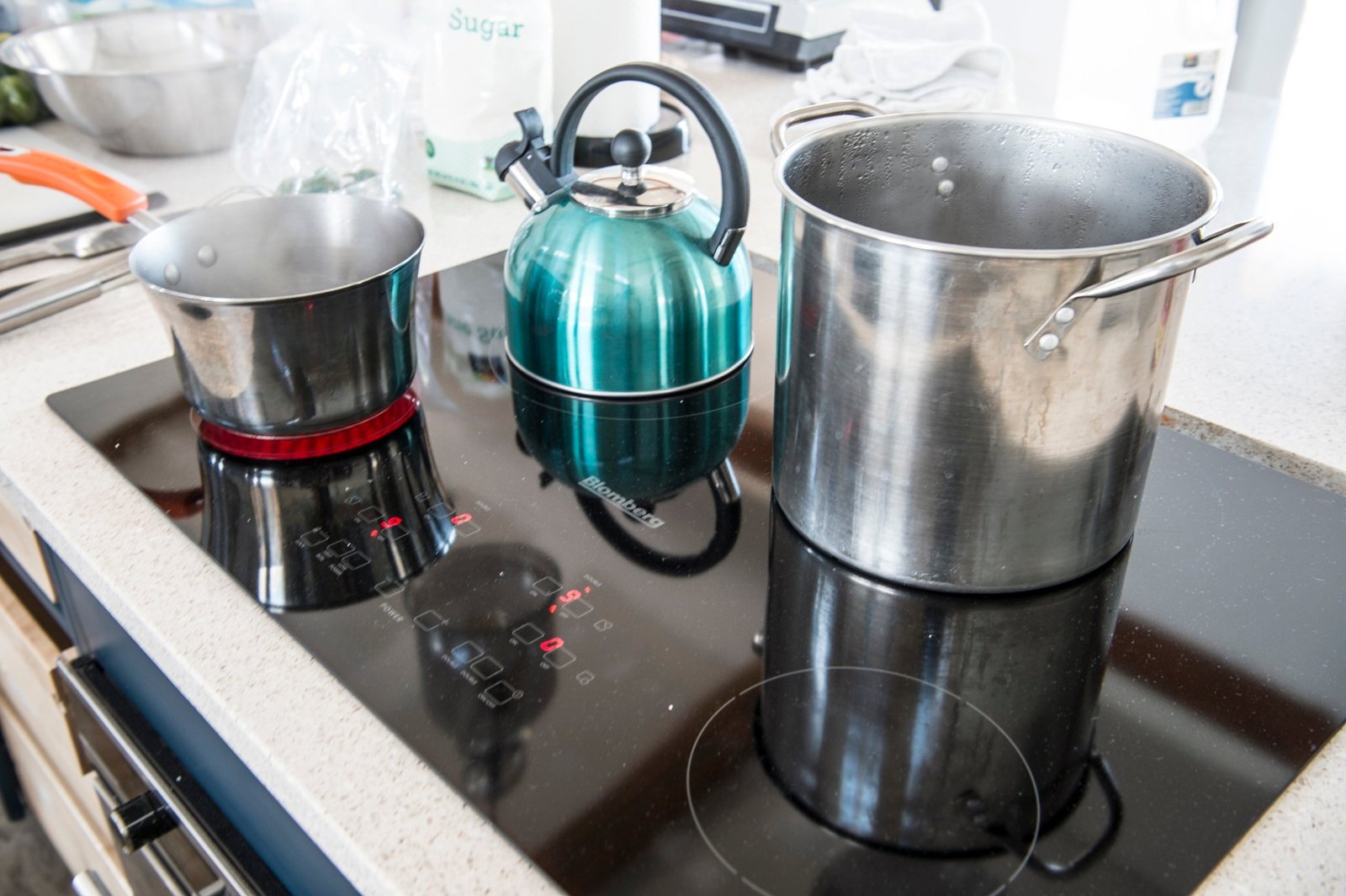
Are you tired of high energy bills and slow cooking times? Switching to an energy-efficient stovetop can change the way you cook and save you money every month.
Imagine preparing your favorite meals faster while using less power. You’ll discover simple steps to make the switch easily and effectively. Ready to boost your kitchen’s performance and cut down on waste? Keep reading to find out how you can transform your cooking experience today.
Benefits Of Energy-efficient Stovetops
Switching to energy-efficient stovetops can save money and help the planet. They offer many advantages for cooking and daily life.
Let’s explore how these stovetops can lower bills, reduce impact on the environment, and improve cooking.
Lower Utility Bills
Energy-efficient stovetops use less electricity or gas. This means you pay less on your utility bills each month.
They are designed to heat quickly and evenly, saving energy and time.
- Less energy waste
- Faster cooking times
- Reduced monthly costs
Environmental Impact
Energy-efficient stovetops help reduce carbon emissions. They use technology that lowers environmental harm.
By using less power, these stovetops help conserve natural resources.
- Less carbon footprint
- Conserves energy resources
- Supports a cleaner planet
Improved Cooking Performance
Energy-efficient stovetops provide better cooking control. They heat pans evenly, making cooking easier.
With precise temperature control, cooking becomes more consistent and enjoyable.
- Even heat distribution
- Precise temperature settings
- Enhanced cooking results

Credit: www.smcsustainability.org
Types Of Energy-efficient Stovetops
Choosing an energy-efficient stovetop helps save electricity and reduce bills. Different stovetops use energy in smart ways.
This guide explains common types of energy-efficient stovetops. Knowing their features makes switching easier.
Induction Cooktops
Induction cooktops use magnetic energy to heat pots directly. This method wastes less energy than other types.
They heat food quickly and keep the surface cool. This makes cooking safer and faster.
- Use magnetic cookware for best results
- Heat transfers directly to the pot
- Surface stays cooler and easier to clean
- Energy use is lower than electric coils
Ceramic Glass Stoves
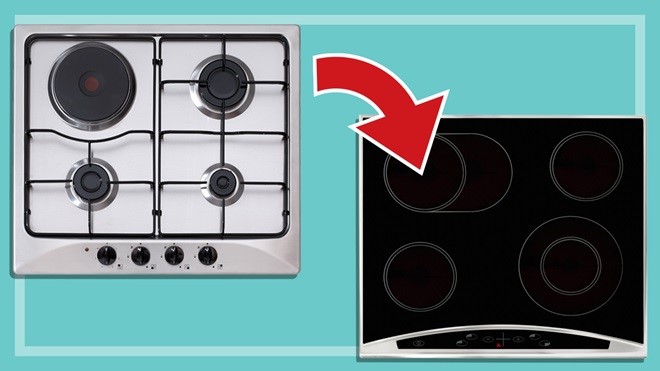
Ceramic glass stoves have smooth tops with heating elements below. They look modern and are easy to clean.
They use radiant heat to warm pans. They are less efficient than induction but better than older coil stoves.
- Heats by glowing heating elements under glass
- Surface gets hot, so use caution
- Good for even heat distribution
- Easier to wipe clean than coil stoves
Gas Stovetops With Efficiency Features
Gas stovetops can be energy efficient if they have special features. These reduce wasted heat and gas use.
Look for models with sealed burners and precise flame control. These features help cook food faster with less fuel.
- Sealed burners keep heat focused on pots
- Flame control allows exact temperature settings
- Some have automatic ignition to save gas
- Use pots that cover the flame to avoid heat loss
Choosing The Right Stovetop For Your Kitchen
Switching to an energy-efficient stovetop can save money and reduce energy use. Picking the right stovetop fits your cooking style and kitchen space.
Think about how you cook and your kitchen setup. Also, consider your budget before buying a new stovetop.
Assessing Your Cooking Needs
Look at the types of meals you make most often. Some stovetops heat faster or cook more evenly, which matters for certain dishes.
Consider how many burners you need. Larger families or people who cook a lot may want more burners.
- Do you cook simple or complex meals?
- How many pots or pans do you use at once?
- Do you need quick heating or precise temperature control?
Considering Kitchen Layout
Check the space where your stovetop will go. Some models need more room or special ventilation.
Think about how your stovetop fits with your counters and cabinets. A good fit helps keep your kitchen organized and safe.
- Measure the available space carefully.
- Note the type of power or gas connection you have.
- Check if your kitchen has good airflow or needs extra vents.
Budget And Cost Factors
Energy-efficient stovetops can cost more upfront but save money over time. Think about your budget and how long you plan to use it.
Look at the price of the stovetop, installation fees, and any needed kitchen changes.
- Compare prices of different stovetop types.
- Include installation and maintenance costs.
- Consider energy savings on your utility bills.
Credit: asthma.org.au
Installation And Setup Tips
Switching to energy-efficient stovetops saves energy and lowers bills. Proper installation ensures safety and good performance.
This guide covers key tips for installing and setting up your new stovetop the right way.
Professional Vs Diy Installation
Professional installation offers expert work and can prevent damage or risks. They know local codes and safety rules.
DIY installation saves money but requires tools and basic knowledge. It may void warranty if done wrong.
- Professional installers check electrical or gas connections carefully.
- DIY requires reading manuals and following instructions closely.
- Professionals handle complex setups better.
- DIY is best for simple stovetop models.
Safety Considerations
Safety is important when installing any stovetop. Avoid risks like gas leaks or electrical shorts.
Always turn off power or gas supply before starting. Use proper tools and wear safety gear.
- Check for damaged cords or pipes before installation.
- Keep flammable items away from the stovetop area.
- Test connections after installation to detect leaks or faults.
- Follow local safety codes and regulations strictly.
Maximizing Efficiency From The Start
Set up your energy-efficient stovetop to save the most energy. Proper use makes a big difference.
Place the stovetop in a well-ventilated area and keep it clean. Use cookware that fits the burners well.
- Match pot size to burner size for less energy waste.
- Keep burners and stovetop surfaces clean for better heat transfer.
- Use lids on pots to cook faster and save energy.
- Adjust heat to the right level; avoid overheating.
Maintenance For Long-term Savings
Switching to energy-efficient stovetops helps save money over time. Proper maintenance keeps them working well.
Taking care of your stovetop avoids costly repairs and improves energy use. Small tasks make a big difference.
Regular Cleaning
Clean your stovetop after every use to stop dirt build-up. Use gentle cleaners and soft cloths to protect surfaces.
Remove food spills quickly. Keep burners and controls free from grease and dust to work efficiently.
- Wipe down stovetop with a damp cloth
- Use mild soap for tough stains
- Clean burner parts regularly
- Check for clogged burner holes
Troubleshooting Common Issues
Look for signs like uneven heat or strange smells. These can mean your stovetop needs attention.
Fix small problems early to avoid bigger repairs. Check power connections and burner alignment.
- Burners not heating properly
- Clicks or sparks without ignition
- Control knobs feel loose or sticky
- Unusual noises during use
When To Upgrade Or Repair
If your stovetop breaks often, repairs may cost more than a new one. Energy savings might be less if parts wear out.
Upgrade if your model is old or inefficient. Repair when the problem is small and parts are available.
- Replace if energy use is high
- Repair simple issues like knobs or igniters
- Upgrade for better safety features
- Choose repair when costs are low
Additional Ways To Boost Kitchen Energy Efficiency
Switching to energy-efficient stovetops helps save power. You can do more to cut energy use in your kitchen.
Small changes with cookware and cooking habits improve efficiency. Using the right appliances also lowers energy waste.
Using Cookware Wisely
Choose pots and pans that match your stovetop size. This helps heat food faster and uses less energy.
Use flat-bottom cookware for better contact with the stove surface. This improves heat transfer and saves power.
- Match pan size to burner size
- Use lids to keep heat in
- Use cookware with good heat conductivity
- Avoid using damaged or warped pans
Optimizing Cooking Habits
Cook multiple dishes at once to use heat efficiently. This reduces the total cooking time and energy use.
Turn off the stove a few minutes before food is done. The leftover heat finishes cooking without extra energy.
- Prepare meals in batches
- Use timers to avoid overcooking
- Keep stove and burners clean for better heat
- Use residual heat to finish cooking
Complementary Energy-saving Appliances
Use appliances like pressure cookers and slow cookers. They cook food using less energy than stovetops.
Choose energy-efficient refrigerators and dishwashers. These lower your kitchen’s overall power consumption.
- Pressure cookers reduce cooking time
- Slow cookers use low energy over time
- Energy Star-rated kitchen appliances save power
- Microwaves use less energy for small meals
Credit: www.familyhandyman.com
Frequently Asked Questions
What Are The Benefits Of Energy-efficient Stovetops?
Energy-efficient stovetops reduce electricity use, saving money on bills. They heat faster and cook food evenly, lowering energy waste. They also contribute to a greener environment by reducing carbon emissions.
How To Choose The Right Energy-efficient Stovetop?
Look for stovetops with high energy ratings and induction technology. Consider your cooking needs, budget, and kitchen size. Read reviews and check for safety features to ensure optimal performance and efficiency.
Are Induction Stovetops More Energy-efficient Than Gas?
Yes, induction stovetops use electromagnetic energy, which heats pans directly. This minimizes heat loss, making them more efficient than traditional gas stovetops. They also cool faster and offer precise temperature control.
What Installation Steps Are Needed For Energy-efficient Stovetops?
Ensure your kitchen wiring supports the new stovetop’s power requirements. Hire a professional for safe installation and proper ventilation. Follow manufacturer guidelines to optimize performance and maintain warranty coverage.
Conclusion
Switching to energy-efficient stovetops saves money and energy. These stovetops cook food faster and use less power. Choosing the right model fits your kitchen and budget. Simple changes make a big difference in your energy bills. Start small and enjoy a greener, cleaner home.
Every step toward efficiency helps the planet. Make cooking easier and more eco-friendly today.