
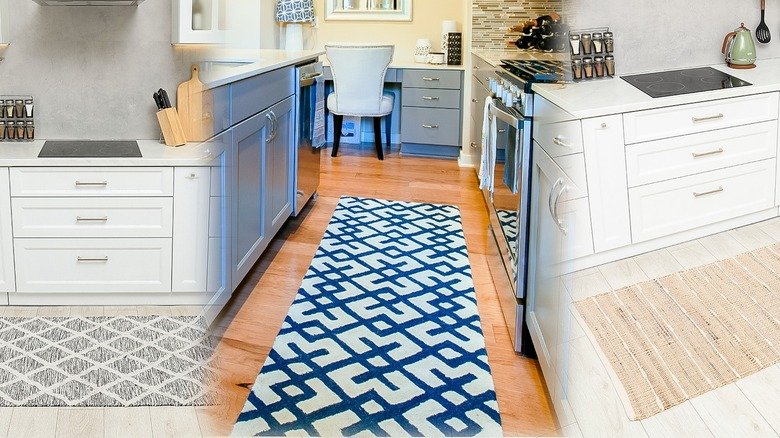
Choosing the right kitchen mat might seem simple, but have you ever stopped to think about how it impacts your home and the planet? Your kitchen mat is more than just a cushion for your feet—it can affect your health, comfort, and the environment.
If you want a mat that feels good, lasts long, and supports a greener lifestyle, this guide will help you make the best choice. Keep reading to discover how to pick sustainable kitchen mats that match your needs and values.

Credit: www.tasteofhome.com
Benefits Of Sustainable Kitchen Mats
Sustainable kitchen mats are good for the planet and your home. They offer eco-friendly options that are safe and durable.
These mats are made from materials that do not harm the environment. They provide comfort and support while cooking.
Environmental Impact
Sustainable kitchen mats help reduce waste. They are often made from recycled or renewable materials.
- Use less energy in production
- Reduce carbon footprint
- Biodegradable options available
Health And Safety Advantages
These mats are safe for your family. They are free from harmful chemicals and provide a non-slip surface.
They help prevent accidents in the kitchen. The materials are gentle on the skin and easy to clean.
Durability And Cost Efficiency
Sustainable mats last longer than regular ones. They are designed to withstand heavy use.
They save money over time because you do not need to replace them often. The upfront cost is balanced by long-term savings.
Materials For Eco-friendly Mats
Choosing sustainable kitchen mats helps protect the planet. The material used affects how eco-friendly the mat is.
Look for mats made from natural, recycled, or biodegradable materials. These options reduce waste and pollution.
Natural Fibers
Natural fibers come from plants or animals. They are renewable and break down easily after use.
Common natural fibers include cotton, jute, and coir. These fibers are strong and safe for your home.
- Cotton is soft and absorbent, good for comfort.
- Jute is durable and has a rustic look.
- Coir comes from coconut husks and resists water well.
Recycled Materials
Recycled mats use materials that were once waste. This lowers the need for new resources.
Plastic bottles and old fabrics are often turned into kitchen mats. These mats help keep trash out of landfills.
- Recycled PET comes from plastic bottles and is water-resistant.
- Recycled rubber mats provide good grip and durability.
- Recycled fabric mats are soft and colorful.
Biodegradable Options
Biodegradable mats break down naturally in the environment. They do not add to long-term waste.
Look for mats made with biodegradable materials like natural rubber or plant-based fibers. They are better for composting.
- Natural rubber mats are flexible and eco-friendly.
- Bamboo fiber mats dry quickly and biodegrade fast.
- Hemp mats resist mold and break down over time.
Features To Consider
Choosing a sustainable kitchen mat means looking at its key features. These features affect safety, health, and ease of use.
Focus on materials and design that support your eco-friendly goals. This helps you select a mat that lasts and stays safe.
Non-toxic Adhesives And Dyes
Check if the kitchen mat uses non-toxic adhesives and dyes. These keep harmful chemicals out of your home.
Mats with safe adhesives and natural dyes protect your family and the environment. Avoid mats with strong chemical smells.
- Look for mats labeled free from harmful chemicals
- Choose mats dyed with natural or water-based dyes
- Non-toxic adhesives reduce indoor air pollution
Slip Resistance
Slip resistance is important for kitchen safety. A mat that stays in place helps prevent falls and injuries.
Select mats with non-slip backing or textured surfaces. These features provide better grip on smooth kitchen floors.
- Look for rubber or latex backing for grip
- Textured surfaces increase friction underfoot
- Test mats by pressing on them before buying
Ease Of Cleaning
Choose kitchen mats that are easy to clean. Regular cleaning keeps mats fresh and safe to use.
Materials like natural fibers or washable fabrics work well. Avoid mats that trap dirt or stain easily.
- Look for machine-washable or wipe-clean mats
- Avoid mats that absorb liquids deeply
- Easy cleaning extends the mat’s life
Certifications And Labels
Choosing sustainable kitchen mats means looking for trusted certifications. These labels show the mat is made responsibly.
Certifications help you find products that are safe for people and the planet.
Organic And Fair Trade Certifications
Organic certifications ensure mats use natural materials without harmful chemicals. They support soil health and reduce pollution.
Fair Trade labels mean workers get fair wages and good conditions. This helps support communities.
- Look for GOTS (Global Organic Textile Standard) for organic fibers
- Fair Trade Certified shows ethical labor practices
- OEKO-TEX Standard 100 tests for harmful substances in textiles
Environmental Seals
Environmental seals show products meet eco-friendly standards. They focus on reducing waste and pollution.
These seals help you pick mats that use less energy and water in production.
- Look for the EPA Safer Choice label for safer chemicals
- Cradle to Cradle certification means materials can be reused
- Forest Stewardship Council (FSC) ensures wood comes from safe forests
Third-party Testing
Third-party testing checks if mats meet safety and quality rules. Independent groups test for toxins and durability.
This testing adds trust. It proves the mat’s claims are true.
- Look for certifications from UL Environment or SGS
- Check for tests on chemical safety and material strength
- Third-party marks show honest product reviews
Top Brands For Sustainable Mats
Choosing a sustainable kitchen mat helps reduce waste and protect the environment. Many brands now focus on eco-friendly materials and ethical production.
This guide highlights some top brands that make sustainable kitchen mats. You will find options for different budgets and styles.
Popular Eco-friendly Brands
Several brands use natural or recycled materials for their kitchen mats. These brands focus on quality and sustainability.
- Gaiam – uses natural rubber and jute fibers
- EarthHero – offers mats made from recycled plastics
- Floortex – produces mats with recycled PVC and low VOCs
- Barefoot Floors – focuses on biodegradable materials
Budget-friendly Options
Affordable sustainable mats are available for those on a budget. These options still use eco-friendly materials but cost less.
- Home Basics – mats made from recycled fibers at low prices
- Gorilla Grip – affordable mats with recycled rubber
- iPrimio – budget mats with natural bamboo and cotton blends
Look for sales and discounts to get better deals on these mats.
Premium Choices
Premium sustainable mats offer durability and design. They use high-quality materials and ethical production methods.
- Vermont Woods Studios – mats made with organic cotton and natural latex
- Avocado Green – natural rubber mats with organic fabrics
- Patagonia – eco-conscious mats using recycled and natural materials
These mats often last longer and have better comfort for kitchen use.

Credit: www.tasteofhome.com
Maintaining And Disposing
Choosing sustainable kitchen mats is a smart step for the environment. Keeping them clean and fixing small problems helps them last longer. When the mats wear out, disposing of them properly protects nature.
Good care can save money and reduce waste. Learning how to clean, repair, and recycle mats makes a big difference.
Cleaning Tips For Longevity
Cleaning kitchen mats regularly stops dirt from building up. Use mild soap and warm water to keep mats fresh. Avoid harsh chemicals that can damage the material.
Dry mats completely before placing them back on the floor. This helps prevent mold and bad smells.
- Shake mats outside to remove loose dirt
- Use a soft brush for stubborn spots
- Clean spills immediately to avoid stains
- Air dry mats fully to stop mold growth
Repairing Small Damages
Fix small holes or tears quickly to stop them from growing. Use glue made for fabric or rubber if the mat material allows. Patch kits can work for larger holes.
Check mats often for wear and tear. Early repairs keep mats safe and comfortable.
- Use fabric glue for cloth mats
- Rubber adhesive suits rubber mats
- Apply patches on the underside
- Press repair areas firmly to set glue
Eco-friendly Disposal Methods
Throwing mats in the trash harms the environment. Look for recycling centers that accept kitchen mats. Some stores offer take-back programs for used mats.
Composting is an option if mats are made from natural materials. Cutting mats into smaller pieces speeds up the process.
- Recycle mats at local facilities
- Use take-back programs by manufacturers
- Compost natural fiber mats
- Donate mats if still usable

Credit: www.reddit.com
Frequently Asked Questions
What Materials Make A Kitchen Mat Sustainable?
Sustainable kitchen mats are made from natural fibers like jute, bamboo, or organic cotton. These materials are biodegradable and eco-friendly. They reduce environmental impact by avoiding synthetic chemicals and plastics. Choosing mats with certifications like GOTS ensures they meet sustainability standards.
How To Choose Eco-friendly Kitchen Mats?
Select mats made from renewable, biodegradable materials. Check for non-toxic dyes and low VOC emissions. Prefer mats with recycled content or natural fibers. Look for certifications indicating environmental responsibility. Also, consider durability to reduce waste from frequent replacements.
Are Organic Cotton Mats Better For Kitchens?
Yes, organic cotton mats are better as they avoid harmful pesticides. They are biodegradable and gentle on the environment. Organic cotton offers durability and comfort underfoot. Choosing these mats supports sustainable farming practices and reduces chemical exposure indoors.
How Do Sustainable Mats Improve Kitchen Safety?
Sustainable mats often feature natural anti-slip backings like rubber or cork. These materials provide firm grip and reduce slipping hazards. Natural fibers can absorb moisture, preventing puddles. They also offer cushioning, reducing fatigue during prolonged kitchen tasks.
Conclusion
Choosing sustainable kitchen mats helps protect the earth and your home. Pick mats made from natural, eco-friendly materials that last long. Think about comfort and safety while shopping. Small choices add up to big changes. A green kitchen mat can brighten your space and reduce waste.
Start with one mat and see the difference it makes. Every step toward sustainability counts. Make your kitchen a healthier place today.