
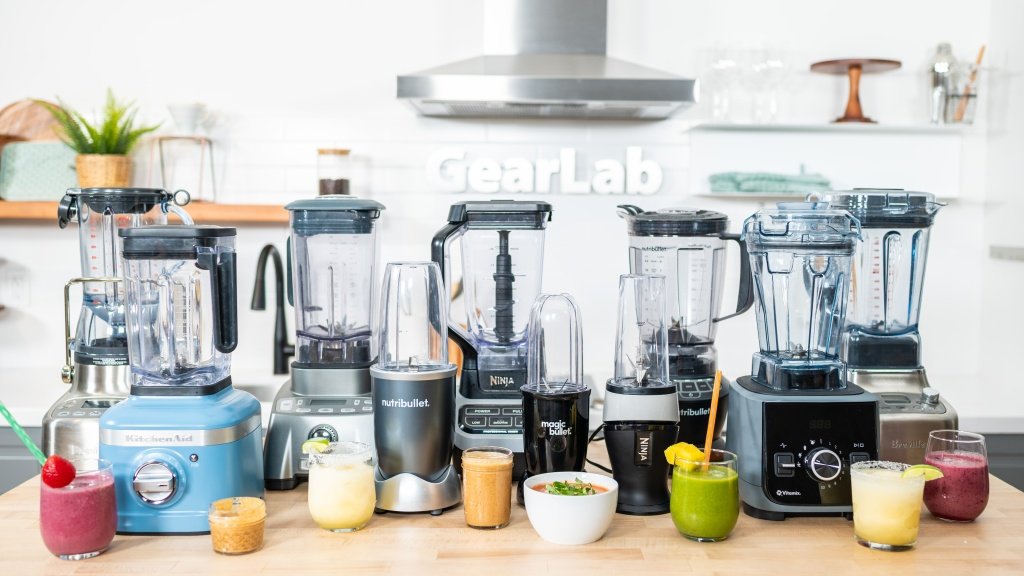
Are you tired of high electricity bills and bulky kitchen gadgets that waste energy? Choosing the right blender can make a big difference—not just for your wallet but also for the environment.
But how do you find an energy-efficient blender that fits your needs without compromising on performance? You’ll discover simple tips and practical advice to help you pick a blender that saves power, works efficiently, and lasts longer. Keep reading to make a smart choice that benefits both you and your home.
Benefits Of Energy-efficient Blenders
Energy-efficient blenders help save energy and money. They also have a positive impact on the environment.
Understanding their benefits can guide you in selecting the right blender for your needs.
Lower Electricity Bills
Energy-efficient blenders use less power. This means you spend less money on electricity.
They are designed to perform efficiently without wasting energy.
- Less energy means lower monthly bills
- Efficient motors reduce power consumption
Environmental Impact
Using less energy reduces your carbon footprint. This helps protect the environment.
Energy-efficient appliances support a sustainable future for the planet.
- Conserves natural resources
- Reduces greenhouse gas emissions
Long-term Savings
While energy-efficient blenders may cost more upfront, they save money over time.
Reduced energy costs and longer-lasting appliances lead to significant savings.
| Initial Cost | Higher |
| Monthly Savings | Consistent |
| Total Savings | Substantial over years |
Key Features To Consider
Choosing an energy-efficient blender helps save electricity and reduce bills. Look at features that use power wisely.
Check parts that affect energy use and performance. This guide shows important features to focus on.
Power Consumption
Power consumption shows how much electricity a blender uses. Lower watts mean less energy use.
Choose blenders with enough power to handle tasks but not too high to waste energy.
- Look for wattage between 300 and 700 watts for efficiency
- Avoid very high wattage if you blend simple foods
- Check energy labels if available
Motor Efficiency
The motor turns the blades and uses most energy. Efficient motors use less power for the same work.
Motors with good cooling and strong magnets last longer and save electricity.
- Look for brushless or permanent magnet motors
- Check for quiet operation as a sign of efficiency
- Consider motors with overload protection
Blade Design
Blade shape and sharpness affect how fast and well a blender works. Good blades need less power.
Blades made of strong steel with angled edges cut food better and save energy.
- Choose blades with multiple edges or layers
- Look for stainless steel blades for durability
- Check if blades are easy to clean to keep sharpness
Speed Settings
Speed settings let you control blending power. More options help use only needed energy.
Low speeds use less power for soft foods. High speeds are for tough ingredients but use more energy.
- Select blenders with multiple speed levels
- Look for pulse function for short bursts of power
- Use lower speeds for energy savings
Types Of Energy-efficient Blenders
Energy-efficient blenders use less power to blend your food well. They save electricity and reduce bills.
Different types of blenders offer energy savings in various ways. Knowing these types helps you choose better.
Countertop Blenders
Countertop blenders are the most common. They have a large jar and a strong motor. Energy-efficient models use motors that adjust speed and power.
These blenders blend quickly, so they use less energy overall. Look for models with smart controls and energy-saving features.
- Large capacity for family use
- Variable speed settings to save energy
- Powerful motors with automatic shut-off
Personal Blenders
Personal blenders are small and made for single servings. They use less power because of their size. This makes them energy-efficient.
They are great for quick tasks like smoothies or shakes. Their simple design helps reduce energy use and speeds blending.
- Compact size uses less electricity
- Easy to clean and quick to operate
- Perfect for small, fast blending jobs
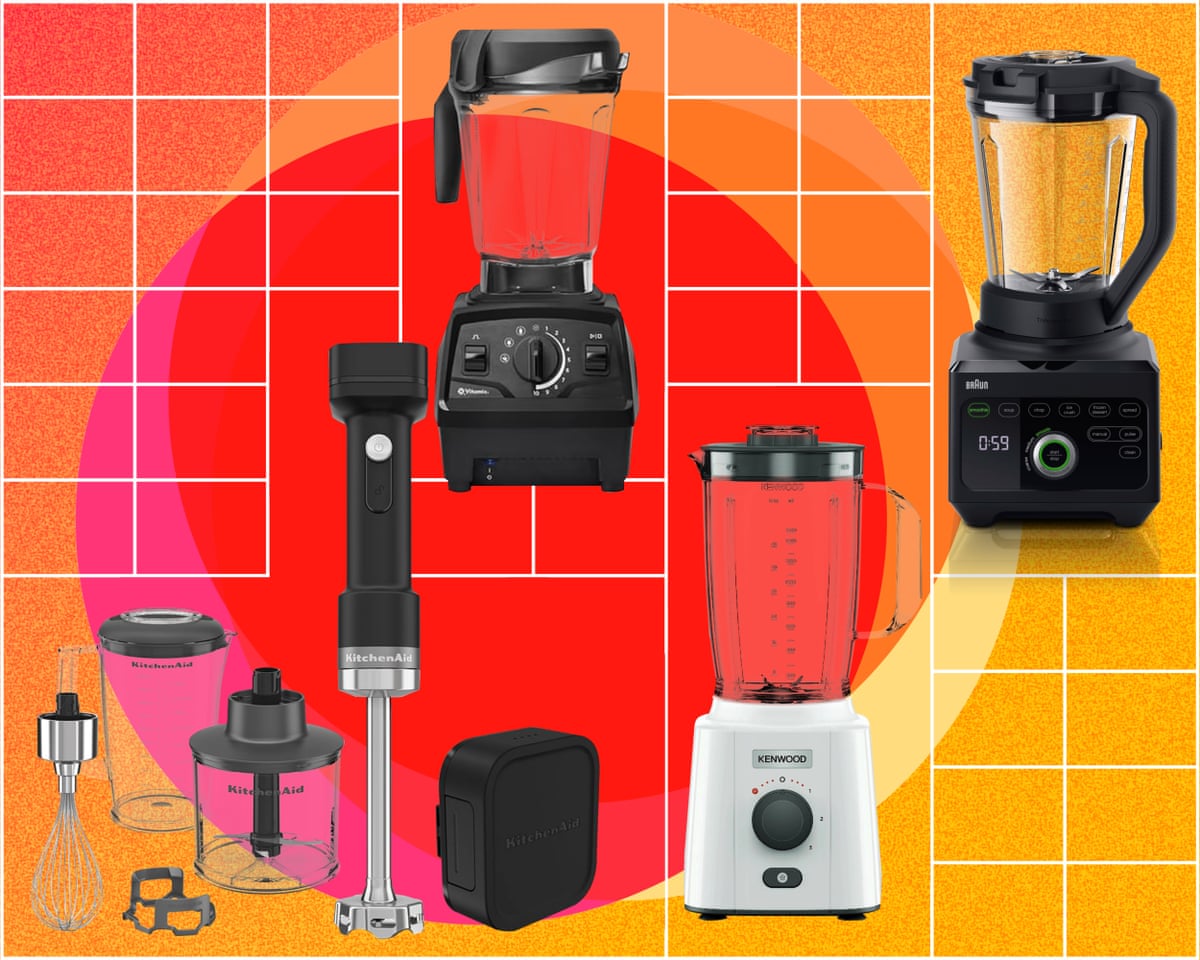
Immersion Blenders
Immersion blenders are handheld and used directly in pots or bowls. They use low power but still blend well.
These blenders are energy-efficient because they only run as long as you hold the button. They are good for small tasks and quick blending.
- Handheld and easy to control
- Runs only when pressed, saving power
- Ideal for soups, sauces, and small blends
Credit: www.theguardian.com
Energy Ratings And Certifications
Choosing an energy-efficient blender saves electricity and helps the environment. Energy ratings and certifications guide you to pick the best models.
These labels show how much power a blender uses. They help you compare products easily and make smart choices.
Energy Star Certification
The Energy Star label means a blender meets strict energy-saving rules. It uses less power than regular models.
Energy Star blenders reduce electricity bills and lower carbon footprints. Look for this label to find efficient appliances.
Other Eco-labels
Besides Energy Star, other labels show eco-friendly features. These include low power use and safe materials.
- EU Energy Label: Shows energy class from A to G
- Green Seal: Focuses on environmental impact
- Blue Angel: German label for low energy use
Check these labels to choose blenders that protect the planet.
How To Read Energy Labels
Energy labels give useful facts about blender power use. They often show energy classes or stars.
Look for these details on the label:
- Energy class rating (A is best, G is worst)
- Annual energy consumption in kilowatt-hours (kWh)
- Additional info like noise level or water use
Compare labels to pick blenders that use less energy and save money.
Material And Build Quality
Choosing an energy-efficient blender means checking its material and build quality. These factors affect how long the blender lasts and how well it works.
Good materials help the blender use less energy and stay strong during daily use.
Durability Factors
Durability is key to saving energy over time. A strong blender needs fewer repairs and replacements.
Look for blenders with metal parts and sturdy designs. These last longer than cheap plastic models.
- Stainless steel blades resist wear and stay sharp
- Metal housing protects the motor and parts
- Thick, high-quality plastic adds toughness
- Sealed motor compartments prevent dust damage
Eco-friendly Materials
Eco-friendly materials reduce harm to the environment. They also help lower the blender’s energy use.
Choose blenders made from recycled or biodegradable plastics and metals. These materials save resources during production.
- Recycled plastics reduce waste and energy use
- Biodegradable parts break down naturally
- Energy-efficient motors often come with eco-friendly builds
- Minimal use of toxic chemicals improves safety
Ease Of Cleaning
Easy cleaning keeps your blender working well and saves energy. Dirt and food residue can slow the motor down.
Pick blenders with removable parts and smooth surfaces. These features help clean the blender fast and well.
- Removable blades and jars for quick washing
- Dishwasher-safe parts save effort and water
- Smooth surfaces prevent food buildup
- Simple design means fewer crevices for dirt
Price Vs. Performance
Choosing an energy-efficient blender means finding a balance between price and performance. You want a blender that saves power and works well without costing too much.
This guide will help you see which blenders offer good value for different budgets. You can pick one that fits your needs and wallet.
Budget-friendly Options
Budget-friendly blenders cost less but can still be energy-efficient. These models usually have smaller motors that use less power.
They work well for simple tasks like making smoothies or sauces. Look for blenders with good ratings for energy use and reliability.
- Lower wattage to save electricity
- Basic settings for easy use
- Smaller jars for less power needed
- Good for light kitchen use
Premium Models
Premium blenders cost more but often have strong motors that finish tasks quickly. They may use more power but save time.
Many come with advanced energy-saving features like auto shut-off and variable speed control. These help reduce wasted energy.
- High wattage but efficient motor design
- Multiple speed and pulse options
- Smart energy-saving settings
- Built for heavy and frequent use
Value For Money
Value means getting the best performance for what you pay. Some mid-range blenders blend energy efficiency with good power.
Check for models that offer energy-saving modes and strong build quality. These blenders last longer and cost less to run.
- Moderate wattage with energy-saving tech
- Good motor power for many tasks
- Durable parts reduce replacement costs
- Balanced price and features
User Reviews And Brand Reputation
Choosing an energy-efficient blender is easier with user reviews and brand reputation. These help you find models that save power and work well.
Reading what others say and knowing trusted brands can guide your decision. It reduces the risk of buying a low-quality blender.
Top Brands For Efficiency
Some brands are known for making energy-efficient blenders. They use better motors and smart designs to save electricity.
Brands with strong research and quality control often produce blenders that last long and use less power.
- Blendtec
- Vitamix
- Ninja
- KitchenAid
- Oster
Customer Feedback Insights
Customers often mention how much power the blender uses and if it performs well. Look for comments on energy savings.
Feedback on noise, speed control, and durability also shows if the blender is efficient in real life.
- Check for consistent energy-saving claims
- Note any reports of high electricity use
- Look for long-term use experiences
- See if users mention cost savings on bills
Warranty And Support
A good warranty shows the brand trusts its blender’s efficiency and quality. It protects your purchase if problems arise.
Support services help fix issues that might reduce energy efficiency over time. Reliable brands offer easy repairs and parts.
- Look for at least 1-year warranty on parts and motor
- Check if customer support is available and helpful
- See if replacement parts are easy to get
- Consider brands with service centers near you
Credit: www.techgearlab.com
Tips For Maximizing Blender Efficiency
Using a blender efficiently saves energy and extends its life. Small habits make a big difference.
This guide shares simple tips to use and care for your blender wisely. Follow these for better results.
Proper Usage Techniques
Use your blender at the right speed for each task. High speed is not always best.
Fill the jar only up to the recommended level. Overfilling can strain the motor and waste power.
- Start blending on low speed, then increase if needed
- Cut ingredients into small pieces before blending
- Avoid running the blender empty or for too long
Maintenance And Care
Keep the blender clean to help it work well. Dirt and residue can reduce efficiency.
Check the blades and motor regularly. Fix or replace parts that wear out to save energy.
- Wash the jar and blades right after use
- Dry all parts completely before reassembling
- Inspect the power cord for damage or frays
- Lubricate moving parts if the manual suggests it
Energy-saving Habits
Use the blender only when needed. Avoid unnecessary blending to save electricity.
Blend larger batches at once instead of many small ones. This reduces start-stop cycles.
- Plan recipes to blend all ingredients together
- Use a timer to avoid over-blending
- Unplug the blender when not in use
- Choose energy-efficient blender models if replacing

Credit: www.jackery.com
Frequently Asked Questions
What Features Make A Blender Energy-efficient?
Energy-efficient blenders use motors with low power consumption. They have variable speed settings and insulated motors. These features reduce electricity use while maintaining performance. Choosing such blenders saves energy and lowers your utility bills.
How To Compare Wattage For Energy-efficient Blenders?
Lower wattage blenders consume less power but may lack strong performance. Aim for models with 300-600 watts for balance. Check reviews to ensure efficiency without compromising blending quality.
Are Energy-efficient Blenders More Expensive Initially?
Energy-efficient blenders may cost more upfront due to advanced technology. However, they save money long-term via reduced electricity bills. Investing in efficiency pays off over time.
Can Energy-efficient Blenders Handle Tough Ingredients?
Yes, many energy-efficient blenders include powerful motors and sharp blades. Look for those with variable speeds and pulse options to blend hard ingredients effectively while using less energy.
Conclusion
Choosing an energy-efficient blender saves money and helps the environment. Focus on power use, speed settings, and blade quality. A good blender works well without using too much electricity. Check product reviews and energy labels before buying. Simple steps lead to better choices and less energy waste.
Your kitchen can be greener and smarter with the right blender. Keep these tips in mind for your next purchase.