
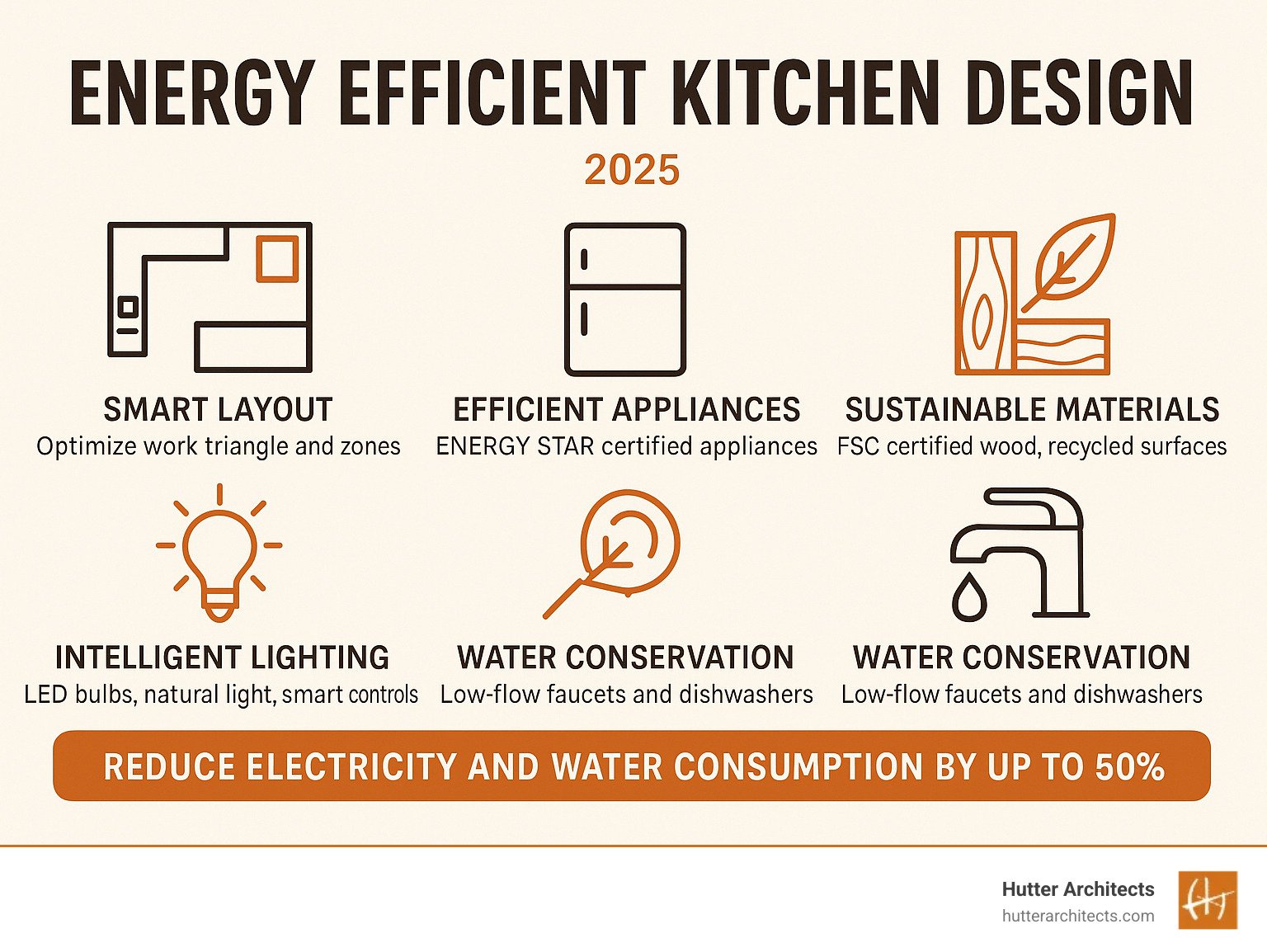
Are you tired of high energy bills every time you cook or clean in your kitchen? What if you could cut those costs without sacrificing convenience or comfort?
Reducing your kitchen’s energy consumption is easier than you think, and it can make a big difference in your monthly expenses. You’ll discover simple, effective ways to save energy right where you cook and prepare meals. Keep reading to learn practical tips that will help your wallet and the environment at the same time.

Credit: leadingcatering.com.au
Energy-efficient Appliances
Reducing kitchen energy consumption helps save money and the environment. Energy-efficient appliances are key to achieving this goal.
Choosing the right appliances can lower your kitchen’s energy use. Let’s explore how you can make smart choices.
Choosing The Right Refrigerator
Refrigerators are always on, so they need to be energy-efficient. Look for models with the Energy Star label to ensure savings.
Consider the size of your refrigerator. A bigger fridge uses more energy. Choose the right size for your family’s needs.
- Energy Star models use 15% less energy
- Top-mount freezers are more efficient
- Check the energy guide label
Using Energy-saving Ovens And Stoves
Ovens and stoves can use a lot of energy. Choosing energy-saving models can help reduce this.
Convection ovens are more efficient than traditional ones. They cook food faster and at lower temperatures.
- Convection ovens use fans to circulate heat
- Self-cleaning ovens are better insulated
- Use ceramic or glass pans for better heat retention
Benefits Of Induction Cooktops
Induction cooktops are a great choice for energy efficiency. They heat pans directly, wasting less energy.
Induction cooktops are safer, too. They stay cool and only heat the pan, reducing burn risks.
- Heat food faster and with less energy
- Easy to clean and maintain
- Precise temperature control
Smart Cooking Habits
Saving energy in the kitchen is easy with smart cooking habits. Small changes can lower your energy use.
Using the right techniques helps cook meals faster and uses less power. These tips work for everyone.
Batch Cooking To Save Energy
Cooking large amounts of food at once saves energy. It uses heat more efficiently than cooking many small meals.
You can store extra food in the fridge or freezer. Reheat only what you need to save power.
- Cook meals for several days in one session
- Use slow cookers or ovens to cook big batches
- Freeze leftovers in portions for later use
Using Lids And Smaller Pots
Covering pots with lids keeps heat inside. This cooks food faster and saves energy.
Choose pots that match the size of your burner. Smaller pots use less energy and heat quickly.
- Always use lids to trap heat and steam
- Pick pot size based on the amount of food
- Avoid using large pots for small meals
Preheating Wisely
Only preheat the oven when the recipe needs it. Avoid preheating for long times to save energy.
Turn on the oven just before you put food inside. This reduces wasted heat and cuts power use.
- Check if preheating is required for your recipe
- Limit preheating time to the minimum needed
- Put food in the oven right after preheating
Lighting And Ventilation
Reducing energy use in the kitchen helps save money and protects the environment. Lighting and ventilation are two key areas where small changes can make a big difference.
Using energy wisely in these areas keeps your kitchen bright and fresh without wasting power. Let’s look at some simple ways to do this.
Switching To Led Bulbs
LED bulbs use less energy than traditional bulbs. They last longer and produce less heat, which helps reduce cooling costs.
Replacing old bulbs with LEDs in your kitchen is easy and saves money over time.
- Choose LED bulbs with the right brightness for your kitchen.
- Use LED bulbs in all kitchen light fixtures.
- Turn off lights when you leave the kitchen.
Maximizing Natural Light
Natural light brightens your kitchen and saves electricity. Open curtains and blinds during the day to let sunlight in.
Arrange your kitchen workspace near windows to use daylight for cooking and cleaning.
- Keep windows clean to allow more light inside.
- Use light-colored walls and surfaces to reflect sunlight.
- Trim outdoor plants that block sunlight from entering.
Efficient Use Of Exhaust Fans
Exhaust fans remove cooking smells and moisture. Use them only when needed to save energy.
Run the fan while cooking, then turn it off soon after to avoid wasting power.
- Clean fan filters regularly for better airflow.
- Use the fan on lower speeds when possible.
- Choose energy-efficient exhaust fans if replacing old ones.

Credit: www.aepenergy.com
Water Heating Tips
Heating water uses a lot of energy in the kitchen. Reducing this energy helps save money and protect the planet.
Simple changes in how you heat and use hot water can lower your energy use. Here are some tips to help.
Using Hot Water Efficiently
Use hot water only when needed. Turn off taps while not using water, like when scrubbing dishes.
Set your water heater to a moderate temperature, about 120°F (49°C). This is hot enough but saves energy.
- Fix leaks to avoid wasting hot water
- Use cold water for tasks that do not need heat
- Fill sinks or basins instead of running water
Insulating Water Pipes
Cover water pipes with insulation to keep water hot as it moves. This saves energy and reduces heat loss.
Insulated pipes deliver hot water faster. You waste less water waiting for it to heat up.
- Use foam pipe insulation sleeves
- Focus on pipes near the water heater
- Check for damaged insulation and replace it
Energy-saving Dishwashing
Wash dishes in a way that uses less hot water and energy. Full loads save more energy than small ones.
Use energy-saving dishwasher settings or wash dishes by hand with less hot water.
- Run the dishwasher only when full
- Choose eco or energy-saving wash cycles
- Use a basin to wash dishes by hand
- Air dry dishes instead of using heat drying
Maintenance And Upkeep
Keeping your kitchen appliances in good shape helps save energy. Regular care makes them work better and last longer.
Small maintenance tasks can cut down your energy use. This keeps your kitchen running smoothly and lowers bills.
Regular Appliance Cleaning
Clean your appliances often to keep them efficient. Dirt and grease can make them use more energy.
Wipe ovens, stovetops, and microwaves after use. Clean filters in dishwashers and range hoods regularly.
- Remove dust from refrigerator coils
- Clean oven racks and trays
- Clear crumbs from toasters
- Wash dishwasher filters monthly
Sealing Refrigerator Doors
Check the seals on your refrigerator doors. Bad seals let cold air escape and waste energy.
Use a dollar bill to test the seal. If it slides out easily, the seal needs fixing or replacing.
- Clean door seals with warm, soapy water
- Replace cracked or torn seals
- Close doors gently to avoid damage
Checking For Energy Leaks
Look for places where energy escapes in your kitchen. Fixing leaks saves power and money.
Inspect around windows, doors, and vents. Use weather stripping or caulk to seal gaps.
- Check window frames for cracks
- Seal gaps around door edges
- Cover vents when not in use
- Use draft stoppers under doors
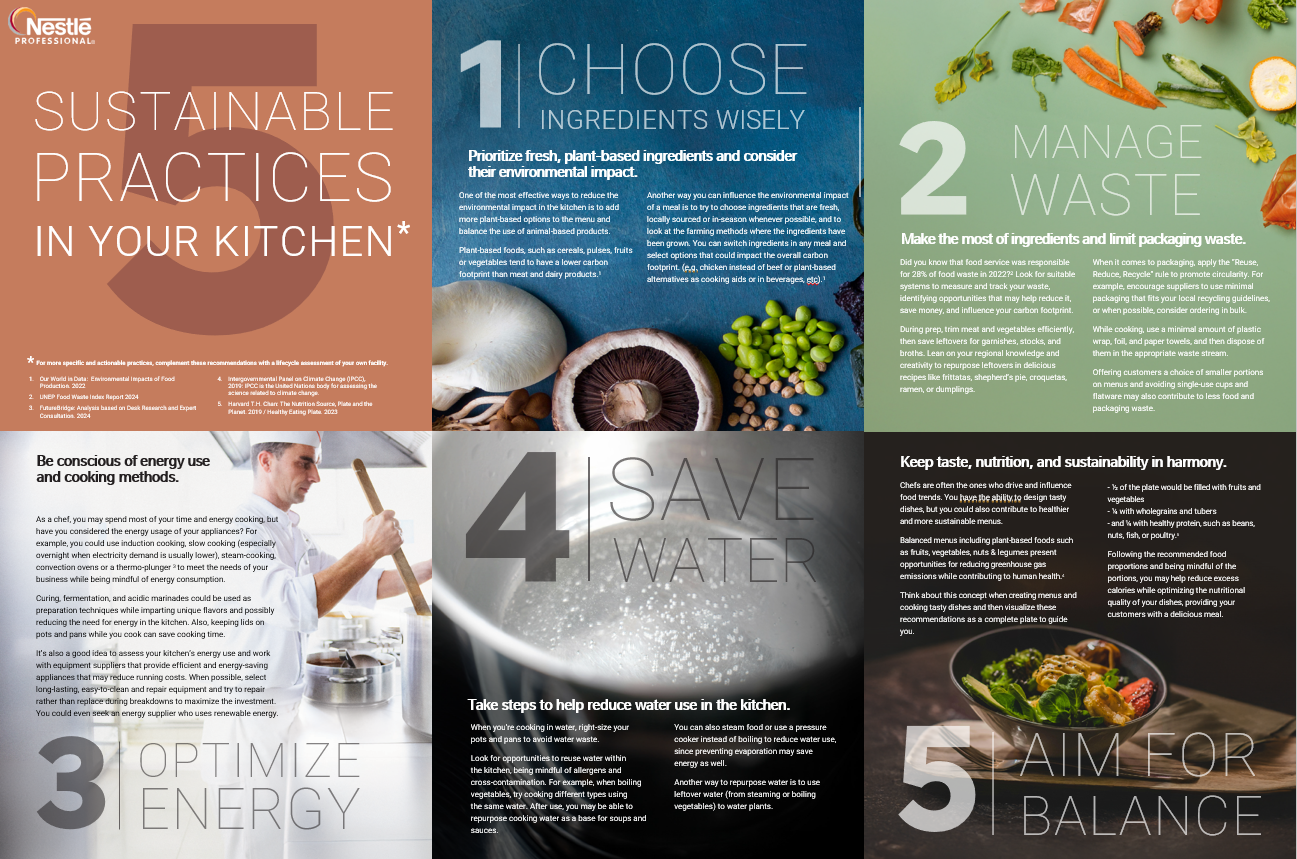
Credit: www.nestleprofessional.com
Behavioral Changes
Changing how we act in the kitchen can save a lot of energy. Small habits make a big difference.
By being mindful of energy use, we reduce waste and lower bills. It helps the environment too.
Turning Off Unused Devices
Many kitchen devices stay on even when not in use. Turning them off stops energy waste.
Switch off lights, fans, and appliances after cooking or cleaning. This habit cuts energy use.
Unplugging Chargers And Small Appliances
Chargers and small appliances use power even when not in use. Unplugging saves energy.
Take out phone chargers, coffee makers, and toasters after use. This reduces standby power.
- Unplug phone and tablet chargers
- Disconnect coffee machines and kettles
- Remove toasters and blenders from outlets
Setting Energy-saving Reminders
Reminders help keep energy-saving habits on track. Use notes or alarms to stay aware.
Place sticky notes near switches or set phone alarms. These prompts encourage turning off devices.
- Put notes near light switches
- Set daily phone alarms
- Use timers for appliances
Frequently Asked Questions
How Can I Save Energy While Cooking?
Use energy-efficient appliances and cook with lids on pots. Avoid preheating ovens unnecessarily. Utilize residual heat by turning off appliances early.
What Kitchen Appliances Consume The Most Energy?
Refrigerators, ovens, and dishwashers are the biggest energy consumers. Choose energy-efficient models and maintain them regularly to reduce usage.
Does Using Led Lighting Reduce Kitchen Energy Use?
Yes, LED lights consume up to 80% less energy than traditional bulbs. They also last longer, saving replacement costs.
How Does Proper Fridge Management Cut Energy Costs?
Keep your fridge between 37-40°F and freezer at 0°F. Avoid overloading and ensure door seals are tight to conserve energy.
Conclusion
Saving energy in the kitchen helps lower your bills and protects the planet. Small changes like using lids on pots or turning off lights can make a big difference. Choose energy-efficient appliances and cook smarter to use less power. Pay attention to your habits daily.
Every little step counts toward reducing energy use. Start today and enjoy a greener, cheaper kitchen tomorrow. Simple actions lead to lasting benefits for you and the environment.