
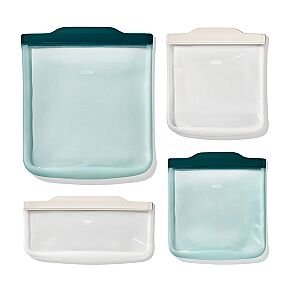
If you’re looking for an easy way to cut down on plastic waste and keep your food fresh, reusable silicone bags are a game-changer. But to get the most out of them, you need to know a few simple tips.
Using these bags the right way can save you money, protect the environment, and make your kitchen routine smoother. Ready to discover how to make your reusable silicone bags last longer and work better? Keep reading—you’ll find practical advice that anyone can use every day.

Credit: www.johnlewis.com
Benefits Of Silicone Bags
Reusable silicone bags are a great alternative to plastic bags. They offer many benefits for the environment and your wallet.
These bags are versatile and can be used for a variety of purposes. Let’s explore the advantages they bring to our daily lives.
Eco-friendly Advantages
Silicone bags help reduce plastic waste. They are reusable and last a long time.
Using silicone bags means fewer plastic bags end up in landfills. This helps protect wildlife and the planet.
- Safe for the environment
- Reduces plastic pollution
- Reusable for many years
Durability And Versatility
Silicone bags are strong and durable. They can withstand heat and cold, making them perfect for storing food.
You can use them in the freezer, microwave, and dishwasher. This makes them very versatile for everyday use.
- Heat and cold resistant
- Microwave and freezer safe
- Easy to clean in the dishwasher
Cost Savings Over Time
Though silicone bags may cost more upfront, they save money over time. You buy them once and use them for years.
This reduces the need to buy disposable bags frequently. Over time, you will notice a decrease in waste and spending.
- Initial investment saves money long-term
- Reduces need for disposable bags
- Lowers household waste

Credit: www.moonmoon.co.uk
Choosing The Right Silicone Bag
Reusable silicone bags help store food safely and reduce plastic waste. Picking the right bag makes using them easier and more effective.
Consider size, material, and features to find the best option for your needs. This guide helps you choose wisely.
Size And Capacity Options
Silicone bags come in different sizes and shapes. Choose a size that fits the food you want to store.
Small bags are good for snacks or small portions. Large bags work well for bulk items or leftovers.
- Small (around 1 cup) for nuts, snacks, or small fruits
- Medium (around 2-4 cups) for sandwiches or chopped vegetables
- Large (6 cups or more) for soups, bulk storage, or large meals
Material Quality And Safety
Look for food-grade silicone that is BPA-free and non-toxic. This ensures the bag is safe for food contact.
High-quality silicone lasts longer and resists odors and stains. It also handles heat well, so it can be used in freezers and microwaves.
- Choose FDA-approved or food-grade silicone
- Check for BPA-free and phthalate-free labels
- Make sure the bag can handle freezing and heating
Features To Look For
Some silicone bags have extra features that add convenience. Look for bags with strong seals to keep food fresh.
Wide openings make filling and cleaning easier. Some bags are stand-up style to save space in your kitchen.
- Leak-proof zip or slider seals
- Wide mouth for easy filling and cleaning
- Stand-up design for better storage
- Measurement markings for portion control
Cleaning And Maintenance
Reusable silicone bags are great for saving waste. Keeping them clean helps them last longer. Good care keeps your food safe.
Learn simple ways to wash, remove stains, and store your silicone bags. These tips keep them fresh and ready.
Washing Techniques
Rinse the bags with warm water after use. Use mild soap and a soft sponge to clean inside and out. Avoid harsh scrubbers that can damage silicone.
You can also wash these bags in the dishwasher. Place them on the top rack to avoid heat damage. Let them air dry fully before storing.
Stain And Odor Removal
Stains and smells can stay in silicone bags after use. Use natural cleaners to keep them fresh without chemicals. Baking soda and vinegar work well.
- Make a paste with baking soda and water, scrub the inside gently.
- Soak the bag in a mix of vinegar and water for 10 minutes, then rinse.
- Leave the bag open in sunlight to help remove odors.
Storage Tips
Store silicone bags dry and open to avoid moisture build-up. Keep them in a cool, dark place away from direct sunlight. Fold them loosely to keep their shape.
- Make sure bags are fully dry before storing.
- Store bags upright or hanging to keep air inside.
- Avoid heavy items on top to prevent damage.

Credit: shop.natissy.eu
Best Uses For Silicone Bags
Reusable silicone bags are great for many tasks at home. They are strong, flexible, and easy to clean.
You can use silicone bags for food storage, cooking, and even for non-food purposes. They help reduce waste and save space.
Food Storage Ideas
Silicone bags keep food fresh longer than plastic bags. They seal tightly to lock in flavors and prevent spills.
Use them to store snacks, fruits, vegetables, and leftovers. They work well for both dry and wet foods.
- Store chopped vegetables or fruit slices
- Keep sandwiches fresh for lunch
- Hold nuts, seeds, and dried fruits
- Carry snacks like crackers or granola bars
- Keep marinated foods sealed in the fridge
Freezing And Cooking Applications
Silicone bags handle low and high temperatures well. They are safe to use in the freezer, microwave, and oven.
Freeze soups, sauces, or fruits in these bags. You can also cook sous vide meals or steam vegetables inside them.
- Freeze leftovers or meal prep ingredients
- Microwave steamed veggies or reheated meals
- Cook sous vide dishes with sealed bags
- Use in boiling water for gentle cooking
- Store dough or batter before baking
Non-food Uses
Silicone bags are useful beyond the kitchen. Their durable and waterproof design helps organize many household items.
Keep small items safe and tidy while traveling or at home. They protect electronics, cosmetics, and craft supplies.
- Store chargers, cables, and small gadgets
- Keep makeup and toiletries organized
- Hold craft materials like beads or buttons
- Protect important documents from moisture
- Use as travel bags for jewelry or snacks
Avoiding Common Mistakes
Reusable silicone bags are great for saving waste and keeping food fresh. Using them correctly helps them last longer.
Many people make simple mistakes that cause leaks or damage. Learning the right ways can save time and money.
Overfilling Tips
Do not fill silicone bags too full. Leave some space at the top for sealing and expanding.
Overfilling can cause spills or stop the bag from closing well. It also makes cleaning harder.
- Fill bags only up to 2/3 full
- Leave room for air and food expansion
- Use smaller bags for small items
Proper Sealing Methods
Seal the bags carefully to avoid leaks. Press the seal firmly from one side to the other.
Check the seal by gently pressing the bag. If air escapes, reseal it until tight.
- Align the edges before sealing
- Press the zipper all along the seal
- Test the seal by squeezing the bag
Temperature Guidelines
Silicone bags handle heat well but follow temperature limits. Avoid very high heat to prevent damage.
Do not use silicone bags directly on open flames or in ovens above 400°F (204°C).
- Safe for freezer and microwave use
- Avoid boiling water for long times
- Check manufacturer’s temperature limits
Maximizing Longevity
Reusable silicone bags help reduce plastic waste. Taking care of them properly keeps them useful for a long time.
Simple habits can protect your bags from damage. This guide shows how to handle, repair, and know when to replace them.
Handling And Care
Always clean bags after use. Use warm water and mild soap to avoid damage. Avoid harsh scrubbing or sharp tools.
Keep bags dry before storing. Store them open or flat in a cool, dry place. Avoid direct sunlight and heat sources.
- Wash with gentle soap and warm water
- Do not use abrasive scrubbers
- Air dry completely before storage
- Store away from heat and sunlight
Repairing Small Damages
Small holes or tears can be fixed to extend bag life. Use food-safe silicone sealants or patches made for silicone.
Clean the damaged area before repair. Apply sealant evenly and let it dry fully. Check for leaks after repairing.
- Clean and dry the damaged spot
- Apply food-safe silicone patch or sealant
- Allow full drying time
- Test for leaks before reuse
When To Replace
Replace bags if damage is large or repair fails. Look for cracks, deep cuts, or leaks that cannot be fixed.
Using damaged bags may cause spills or food contamination. Replace to keep food safe and avoid messes.
- Large tears or holes
- Repeated leaks after repair
- Strong odor that won’t go away
- Discoloration or stiffness
Frequently Asked Questions
What Are The Best Uses For Reusable Silicone Bags?
Reusable silicone bags are great for food storage, meal prep, and freezing leftovers. They keep food fresh longer and reduce plastic waste. Use them for snacks, sandwiches, marinating, and storing liquids safely without leaks.
How Do You Clean Reusable Silicone Bags Properly?
Wash silicone bags with warm, soapy water or place them in the dishwasher. Avoid harsh chemicals to maintain their durability. Make sure to dry them completely before storing to prevent mold and odors.
Can Reusable Silicone Bags Be Used In The Freezer?
Yes, reusable silicone bags are freezer safe. They withstand low temperatures without cracking. Use them to store fruits, vegetables, and leftovers. They help keep food fresh and prevent freezer burn.
Are Reusable Silicone Bags Safe For Hot Foods?
Reusable silicone bags can handle hot foods up to around 400°F (204°C). They are microwave and boiling water safe. Always check manufacturer guidelines for specific temperature limits before use.
Conclusion
Reusable silicone bags save money and reduce waste. Clean them well after each use. Store different foods safely to avoid smells. Use bags for freezing, cooking, or snacks. Small habits make a big difference over time. Choose silicone bags for a greener kitchen.
Enjoy easy storage and less plastic trash. Try these tips to get the best results. Simple steps help you stay eco-friendly every day.