
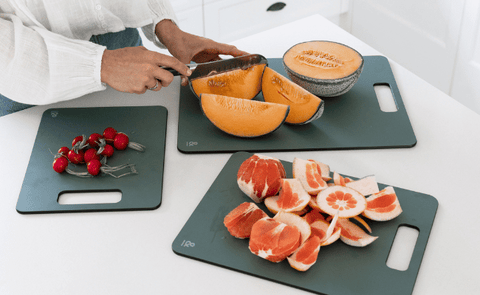
If you care about your kitchen and the planet, choosing the right chopping board is more important than you might think. Eco-friendly chopping boards not only protect your knives but also reduce waste and keep your food safer.
But how do you get the most out of them? You’ll discover simple, practical tips that make using eco-friendly chopping boards easy and effective. Keep reading to learn how small changes in your kitchen routine can make a big difference for you and the environment.

Credit: www.mychemicalfreehouse.net
Choosing Sustainable Materials
Eco-friendly chopping boards are better for the planet. They use materials that are kind to the environment.
Choosing the right material can make your kitchen more sustainable. Here are some options to consider.
Bamboo Boards
Bamboo grows quickly and doesn’t need much water. This makes it a great choice for eco-friendly products.
Bamboo boards are also strong and durable. They won’t dull your knives easily.
- Fast-growing plant
- Low water requirement
- Durable and knife-friendly
Recycled Plastic Options
Recycled plastic boards help reduce waste. They use plastic that might otherwise end up in landfills.
These boards are durable and often come in fun colors. They are easy to clean, too.
- Reduces landfill waste
- Durable and colorful
- Easy to clean
Hardwood Benefits
Hardwood boards are made from trees like maple and oak. They last a long time if cared for properly.
These boards are sturdy and resist bacteria. They can be sanded to look new again.
- Long-lasting with care
- Sturdy and bacteria-resistant
- Can be sanded to refresh
Credit: en.brilio.net
Proper Cleaning Techniques
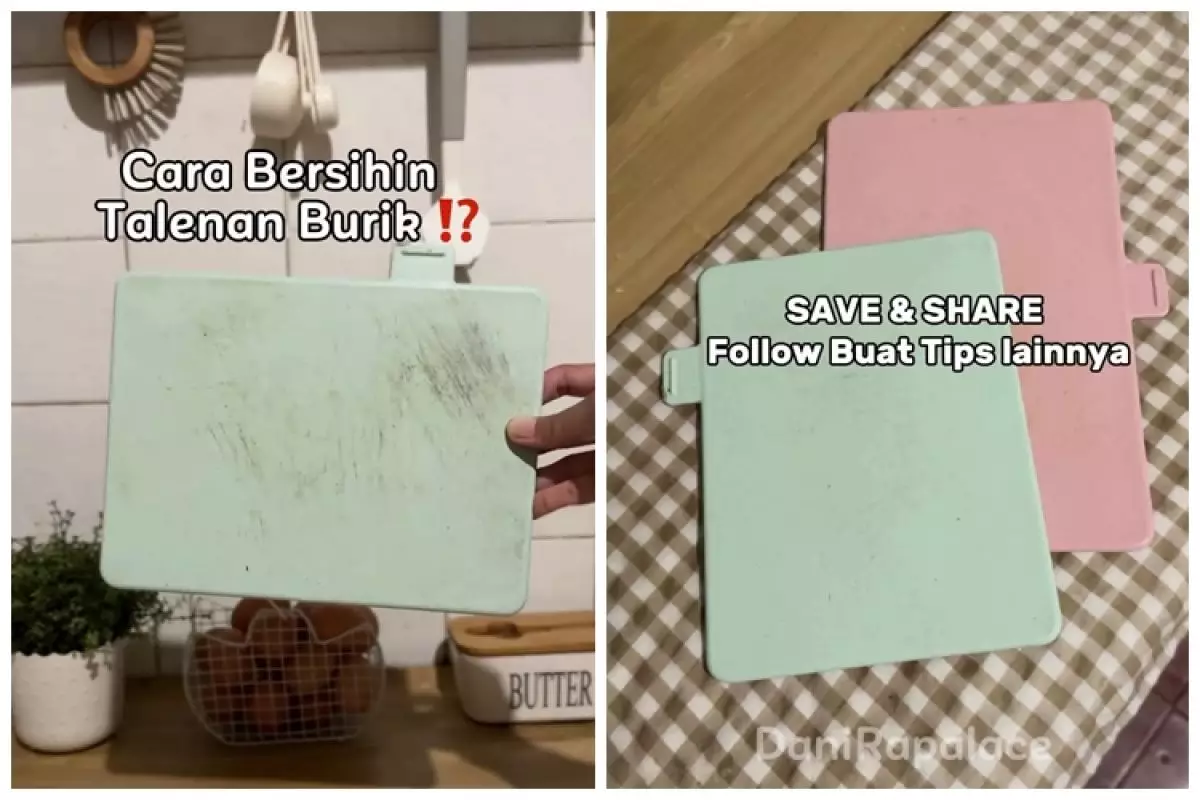
Eco-friendly chopping boards need special care to last longer. Cleaning them the right way keeps them safe and fresh.
Using gentle cleaning methods stops damage and avoids harmful chemicals. This helps keep your kitchen healthy.
Natural Cleaning Solutions
Natural cleaners work well on eco-friendly boards. They remove stains and germs without hurting the wood or bamboo.
Simple ingredients like vinegar, lemon, and baking soda clean and freshen your board safely.
- Use white vinegar to kill bacteria by wiping the board.
- Rub lemon juice on the surface to remove odors and stains.
- Sprinkle baking soda and scrub lightly to clean tough spots.
Avoiding Harsh Chemicals
Strong soaps and bleach can damage eco-friendly boards. They can dry out or crack the material.
Avoid using bleach, ammonia, or antibacterial sprays. These can leave harmful residues on the board.
- Do not soak boards in harsh chemicals.
- Use mild dish soap with warm water instead.
- Rinse well to remove all soap before drying.
Maintaining Hygiene
Keeping eco-friendly boards dry and clean stops germs from growing. Regular care keeps food safe.
After washing, dry boards with a clean towel. Store them upright in a dry place to air out fully.
- Clean boards after each use to avoid bacteria buildup.
- Use separate boards for meats and vegetables to prevent cross-contamination.
- Apply food-safe oil to wooden boards to keep them from drying out.
Extending Board Lifespan
Eco-friendly chopping boards need care to last longer. Taking simple steps helps keep them strong and safe.
Proper care also keeps your board looking good and stops cracks or warping.
Regular Oiling
Oiling your board keeps the wood moist and stops it from drying out. This prevents cracks and warping.
Use food-safe oils like mineral oil or beeswax. Apply oil once a month or when the board looks dry.
- Apply a small amount of oil with a soft cloth
- Rub oil evenly over the entire surface
- Let the oil soak in for a few hours or overnight
- Wipe off any extra oil before use
Avoiding Excess Moisture
Too much water can damage eco-friendly chopping boards. It can cause wood to swell or crack.
Do not soak your board in water or put it in the dishwasher. Clean it quickly with a damp cloth instead.
- Wash board by hand with mild soap and warm water
- Rinse quickly and dry immediately with a towel
- Never leave the board wet or submerged
- Use a drying rack to air dry standing up
Proper Storage
Store your chopping board in a dry place. Avoid areas with high heat or humidity.
Keep the board standing on its edge or flat with good air flow. This stops moisture build-up and warping.
- Store board upright on a rack or shelf
- Avoid stacking heavy items on top
- Keep away from direct sunlight or heaters
- Allow air to circulate around the board
Reducing Waste
Eco-friendly chopping boards help protect the environment. Using them wisely can reduce waste in your kitchen.
Simple care and smart ideas keep your boards useful for a long time. This lowers the need to buy new ones often.
Repairing Small Damages
Small cracks or cuts can be fixed to extend your board’s life. Fixing keeps the board safe and clean to use.
Use sandpaper to smooth rough spots. Apply food-safe oil to protect the wood after repairs.
- Sand the damaged area gently
- Clean the board after sanding
- Apply mineral oil or beeswax
- Let the oil soak before use
Repurposing Old Boards
Old chopping boards can have a new use instead of throwing them away. This reduces waste and saves money.
Use worn boards as trays, plant stands, or wall art. Make sure to clean them well before reuse.
- Turn into serving trays for dry foods
- Use as a base for small plants
- Decorate and hang as kitchen art
- Cut into pieces for craft projects
Composting Tips
Wooden chopping boards can be composted if they are untreated. Composting returns nutrients to the soil.
Break the board into small pieces before adding to compost. Avoid boards with paint or chemicals.
- Remove any nails or screws
- Cut into small chunks or chips
- Add to your green and brown compost mix
- Turn compost regularly for faster breakdown
Eco-friendly Usage Habits
Eco-friendly chopping boards help reduce waste and protect the environment. Using them correctly keeps your kitchen safe and clean.
Simple habits can extend the life of these boards and save energy. Here are useful tips for eco-friendly use.
Using Separate Boards For Food Types
Use different chopping boards for meat, vegetables, and fruits. This prevents mixing germs and keeps food safe.
Label or color-code boards to easily identify their use. This habit helps avoid mistakes and keeps your kitchen organized.
- Red board for raw meat
- Green board for vegetables
- Yellow board for fruits
- Blue board for cooked food
Minimizing Cross-contamination
Wash boards after each use to stop bacteria from spreading. Use hot water and soap for better cleaning.
Keep boards dry to prevent mold and bacteria growth. Store them standing up to air-dry faster.
- Clean boards immediately after use
- Use separate knives for different foods
- Keep boards away from raw juices
- Check boards for deep cuts and replace if needed
Energy-efficient Washing
Wash chopping boards using less water and energy. Hand washing saves energy compared to dishwashers.
Use warm water, not hot. This cleans well without wasting energy or hurting the board.
- Soak boards in warm soapy water
- Scrub gently with a sponge or brush
- Rinse quickly with clean water
- Dry boards naturally in open air

Credit: miti-life.com
Frequently Asked Questions
What Materials Are Best For Eco-friendly Chopping Boards?
Bamboo and sustainably sourced wood are top eco-friendly materials. They are durable, renewable, and biodegradable. Avoid plastic boards to reduce environmental impact.
How Do I Maintain An Eco-friendly Chopping Board?
Clean your board with mild soap and warm water. Avoid soaking it in water. Regularly oil wooden boards to prevent cracking and extend lifespan.
Can Eco-friendly Chopping Boards Prevent Cross-contamination?
Yes, using separate boards for meat and vegetables reduces cross-contamination. Eco-friendly boards are safe and hygienic when cleaned properly after each use.
Are Bamboo Chopping Boards Truly Sustainable?
Bamboo grows quickly and requires minimal resources. Its fast renewability makes bamboo boards a sustainable choice for eco-conscious kitchens.
Conclusion
Eco-friendly chopping boards help protect the environment and your health. Choose boards made from natural materials like bamboo or wood. Clean them gently to keep them safe and long-lasting. Avoid harsh chemicals that can damage the board and your food.
Small changes in the kitchen can make a big difference. Use these tips to care for your eco-friendly chopping boards well. Your kitchen, health, and planet will thank you. Simple steps create a cleaner, greener cooking space every day.