

Are you ready to make a simple change that helps both your wallet and the planet? Using reusable produce bags is an easy step that can reduce waste and keep your fruits and veggies fresh longer.
But to get the most out of them, you need to know a few smart tips. Keep reading, and you’ll discover how to use your reusable bags in a way that saves time, money, and the environment—all while making your grocery trips smoother and more enjoyable.
Your next shopping trip will never be the same!

Credit: tlppackaging.com
Choosing The Right Bags
Reusable produce bags are great for shopping. They help reduce plastic waste. Choose the right bags to make your shopping easier.
Consider different features when picking reusable bags. This guide will help you choose wisely.
Materials To Consider
Bag materials affect durability and use. Cotton and mesh are popular choices. Each material has its own benefits.
- Cotton:Soft and washable, good for fruits.
- Mesh:Allows airflow, keeps produce fresh.
- Nylon:Strong and lightweight, lasts long.
Sizes And Shapes
Pick bags in different sizes and shapes. This helps fit various types of produce. Large bags hold bulky items. Small bags are good for herbs.
- Large:Good for leafy greens and bulk items.
- Medium:Perfect for apples and oranges.
- Small:Ideal for garlic and nuts.
Breathability And Durability
Bags need to be breathable for freshness. Durability ensures they last long. Choose bags that balance both features.
Breathable bags allow airflow. This keeps produce fresh and crisp. Durable bags withstand heavy loads.
Cleaning And Maintenance
Reusable produce bags help reduce plastic waste. Keeping them clean is important for safety.
Proper cleaning and care make your bags last longer and stay fresh.
Washing Tips
Wash your reusable bags after each use to remove dirt and bacteria. Use warm water and mild soap.
Check the care label for washing instructions. Hand washing is gentle and effective for many bags.
- Use gentle detergent without bleach
- Hand wash or use a gentle machine cycle
- Rinse thoroughly to remove soap
- Avoid fabric softeners that reduce bag breathability
Drying Techniques
Dry your produce bags completely before storing them. This stops mold and bad smells.
Air drying is best. Lay bags flat or hang them in a clean, dry place.
- Do not use a dryer unless the label says it is safe
- Avoid direct sunlight to prevent fabric damage
- Make sure bags are fully dry inside and out
Storage Ideas
Store your reusable bags in a dry, cool place to keep them fresh. Avoid damp areas.
Use a dedicated container or drawer to keep bags organized and clean.
- Fold bags neatly to save space
- Keep bags away from food spills and dirt
- Label storage spots to find bags easily
Shopping With Reusable Bags
Using reusable produce bags helps reduce plastic waste at the store. They are easy to carry and clean.
It is important to use them correctly for the best experience. Follow these tips to shop smart with your bags.
Packing Strategies
Pack heavy items at the bottom of your bag. This keeps the bag balanced and stops lighter items from getting crushed.
Use separate bags for different types of produce. This helps keep your items organized and easy to find.
- Put root vegetables like potatoes or carrots at the bottom
- Place delicate items like berries or leafy greens on top
- Keep fruits and vegetables in different bags
Weighing Produce
Most stores allow you to weigh produce with your reusable bags. Use bags without metal parts to avoid errors.
Ask the cashier to tare the weight of your bag before scanning. This ensures you pay only for the produce.
- Place the empty bag on the scale first
- Press the tare button to reset the weight
- Add your produce to the bag and weigh again
Avoiding Cross-contamination
Keep raw meats and seafood out of your reusable produce bags. These foods can carry harmful bacteria.
Wash your bags after each use to stay safe. Clean bags help prevent germs from spreading to your food.
- Use separate bags for produce and meat
- Wash bags with warm water and soap
- Dry bags completely before storing
Maximizing Eco Savings
Using reusable produce bags helps protect the environment. These bags reduce waste and save money over time.
Learn simple tips to get the most eco benefits from reusable produce bags.
Reducing Plastic Waste
Reusable bags cut down the need for single-use plastic bags. This lowers plastic pollution in landfills and oceans.
Using cloth or mesh bags again and again helps keep plastic out of the environment.
- Carry bags to the store every time you shop
- Wash bags regularly to keep them clean
- Choose bags made from natural or recycled materials
Saving Money Over Time
Reusable produce bags cost more at first but save money in the long run. Many stores charge for plastic bags.
Using your own bags means you do not pay for plastic bags each visit. This adds up to big savings.
- Buy durable bags that last for years
- Keep bags in your car or purse to avoid forgetting them
- Track how much you save by not buying plastic bags
Supporting Sustainable Brands
Many brands offer reusable bags made with eco-friendly materials. Choosing these supports better business practices.
Buying from sustainable brands encourages companies to make more green products.
- Look for certifications like organic cotton or recycled fabrics
- Choose brands that donate to environmental causes
- Support local or small businesses with eco products
Troubleshooting Common Issues
Reusable produce bags are great for the environment but can sometimes have small problems. Knowing how to fix these issues helps keep your bags clean and useful.
This guide covers tips for handling moisture, dealing with stains, and replacing worn bags.
Handling Moisture
Moisture can cause mold or bad smells in your produce bags. It is important to dry bags well after use.
Air-dry your bags completely before storing them. Avoid putting damp bags inside closed containers.
- Turn bags inside out to dry faster
- Hang bags in a well-ventilated area
- Wash and dry bags soon after use
Dealing With Stains
Fruits and vegetables can leave stains on your bags. Treat stains quickly to stop them from setting in.
Use mild soap and cold water to gently scrub the stained areas. Avoid bleach as it can damage the fabric.
- Soak bags in cold water before washing
- Use a soft brush or cloth for scrubbing
- Air dry bags after cleaning
Replacing Worn Bags
Bags may wear out after long use. Look for holes, tears, or weak seams that affect their strength.
Replace bags when they can no longer hold produce safely. Keep a few extra bags ready for use.
- Check bags regularly for damage
- Recycle old bags if possible
- Buy new bags made from durable materials

Credit: www.allcottonandlinen.com
Creative Uses Beyond Produce
Reusable produce bags are not only good for fruits and vegetables. They can also help in many other ways around the house.
These bags are strong and easy to clean. You can use them to store snacks, organize items, and pack for trips.
Storing Snacks
Reusable produce bags work well to keep snacks fresh. They are breathable, which helps prevent moisture buildup.
You can fill them with nuts, dried fruits, or crackers for easy access during the day.
- Keep snacks separate and organized
- Reduce use of plastic snack bags
- Wash bags to keep them clean
Organizing Household Items
Use reusable produce bags to sort small items around the house. They help keep things tidy and easy to find.
They are great for storing craft supplies, toys, or bathroom items.
- Group similar items together
- Label bags for quick identification
- Stack bags to save space
Travel Packing Solutions
Reusable produce bags help keep your suitcase organized during travel. Use them to separate clean and dirty clothes.
They also work well for packing shoes or toiletries to avoid spills.
- Sort clothes by type or day
- Protect shoes from dirtying clothes
- Keep toiletries contained and leak-free
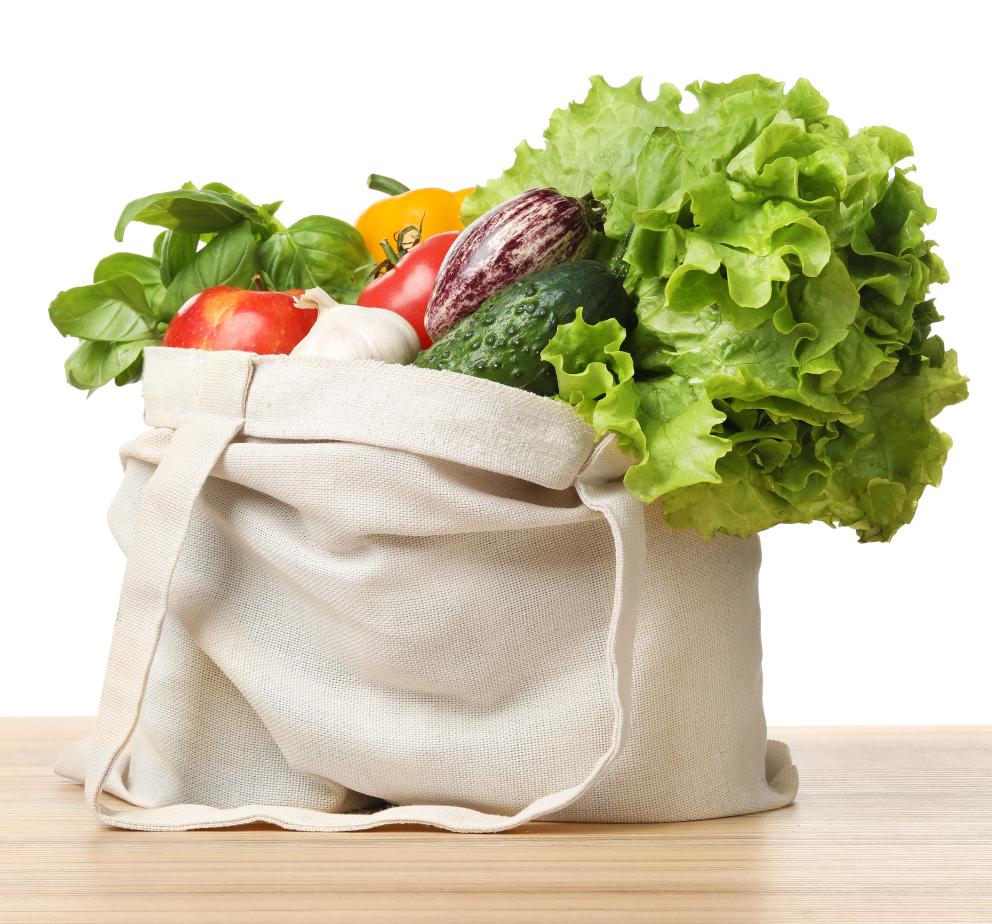
Credit: extension.unh.edu
Frequently Asked Questions
What Are The Benefits Of Using Reusable Produce Bags?
Reusable produce bags reduce plastic waste and help protect the environment. They are durable, washable, and eco-friendly alternatives to single-use plastic bags. Using them promotes sustainability and saves money in the long run by reducing the need to buy disposable bags.
How Do You Clean Reusable Produce Bags Properly?
To clean reusable produce bags, hand wash or machine wash with mild detergent. Avoid fabric softeners to maintain bag integrity. Air dry completely before use to prevent mold and bacteria growth. Regular cleaning keeps bags fresh and safe for storing fruits and vegetables.
Can Reusable Produce Bags Store All Types Of Produce?
Yes, reusable produce bags can store most fruits and vegetables. However, avoid storing wet or highly perishable items for long periods. Mesh or cotton bags allow air circulation, helping produce stay fresh longer. Use bags appropriately to maintain produce quality and reduce spoilage.
Are Reusable Produce Bags Safe For Food Storage?
Reusable produce bags made from food-grade materials are safe for food storage. They are breathable, non-toxic, and free from harmful chemicals found in plastic bags. Always check product labels to ensure bags meet food safety standards for healthy produce storage.
Conclusion
Reusable produce bags help reduce plastic waste every time you shop. Clean and store them properly to keep fruits fresh and last longer. Carry bags in your tote or backpack for easy access. Small changes like these protect the environment and save money.
Start using reusable bags today and enjoy simple, eco-friendly shopping. Little steps add up to a big difference. Keep the planet healthy, one bag at a time.