
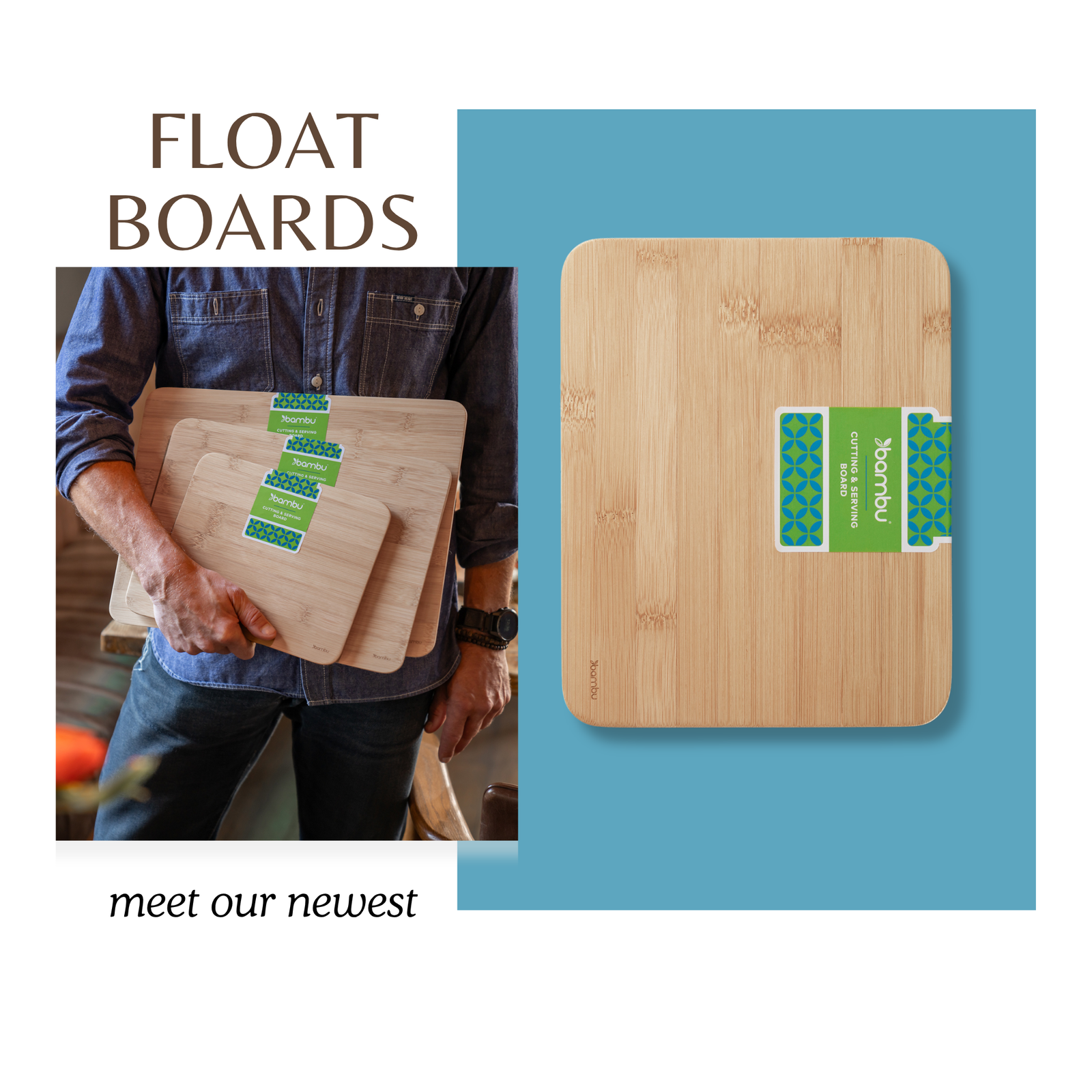
Are you tired of your old cutting boards wearing out quickly or harboring stubborn stains and odors? It might be time to switch to bamboo cutting boards.
Bamboo offers a fresh, durable, and eco-friendly alternative that can transform your kitchen experience. Imagine chopping your favorite veggies on a surface that’s not only gentle on your knives but also naturally resistant to bacteria. Ready to discover why bamboo cutting boards could be the perfect upgrade for your kitchen?
Keep reading to find out how easy it is to make the switch and enjoy all the benefits bamboo has to offer.

Credit: www.amazon.com
Benefits Of Bamboo Boards
Switching to bamboo cutting boards offers many advantages. They are a smart choice for your kitchen.
Bamboo boards are not just stylish, they are also practical. Let’s explore their key benefits.
Eco-friendly Material
Bamboo grows quickly, making it a sustainable choice. It needs less water and no pesticides to thrive.
Using bamboo helps reduce deforestation. It is an eco-friendly alternative to traditional wood.
- Fast-growing plant
- Minimal water use
- No harmful chemicals
Durability And Longevity
Bamboo boards are hard and durable. They can withstand everyday use in the kitchen.
Bamboo resists scratches better than most woods. This makes them last longer.
- Strong and tough
- Scratch-resistant
- Long-lasting
Natural Antibacterial Properties
Bamboo has natural antibacterial qualities. It is less likely to harbor bacteria compared to plastic boards.
These properties help keep your food safe. Bamboo is a hygienic choice for your kitchen needs.
- Fights bacteria naturally
- Safer food preparation
- Easy to clean
Choosing The Right Bamboo Board
Switching to bamboo cutting boards is a smart choice for your kitchen. Bamboo is strong, light, and eco-friendly.
Picking the right bamboo board depends on your needs. Consider size, quality, and price before buying.
Types And Sizes Available
Bamboo boards come in many shapes and sizes. You can find small boards for fruits and large ones for meats.
- Small boards (8×10 inches) are good for quick tasks
- Medium boards (12×18 inches) suit most daily uses
- Large boards (18×24 inches) fit big meals and heavy chopping
- Some have juice grooves to catch liquids
- Others have handles for easy carrying
Quality Indicators
High-quality bamboo boards feel smooth and have tight grains. They resist cracks and stains better.
Look for boards made from hard bamboo strips. Avoid boards with visible glue lines or rough edges.
- Dense bamboo means longer life
- Non-toxic finishes are safer for food
- Boards that are easy to clean save time
- Check for warping or uneven surfaces
Price Considerations
Bamboo boards vary in price based on size and quality. Cheaper boards may wear out faster.
Investing a bit more can mean a board lasts longer and stays safe for food prep.
- Small boards cost less but may not fit all tasks
- Mid-range boards offer good balance of price and quality
- High-end boards often have better finish and durability
- Watch for sales to get better deals
Preparing Your Kitchen
Switching to bamboo cutting boards can improve your kitchen’s look and hygiene. Bamboo boards are strong and easy to clean.
Getting your kitchen ready helps you use bamboo boards smoothly. Follow simple steps to make the change easy.
Clearing Old Boards
Remove all old cutting boards from your kitchen. This clears space and avoids confusion with the new bamboo boards.
Check the condition of your old boards. Toss any that are cracked or very worn out.
- Gather all plastic, wood, or glass boards
- Clean boards you want to keep
- Recycle or discard damaged boards
Setting Up Bamboo Boards
Place your bamboo boards where you usually prepare food. Keep them easy to reach for daily use.
Make sure the boards are clean and dry before first use. Oil them lightly to protect the bamboo and keep it smooth.
- Choose a dry spot to store bamboo boards
- Apply mineral oil to new boards
- Let the oil soak in before using
Organizing For Convenience
Organize your bamboo boards by size and use. This helps you find the right board quickly while cooking.
Use racks or hooks to keep boards upright and dry. Proper storage extends the life of your bamboo boards.
- Sort boards by function (meat, vegetables, bread)
- Store boards in a well-ventilated area
- Keep boards away from heat and moisture

Credit: www.amazon.com
Maintenance Tips For Bamboo Boards
Bamboo cutting boards are strong and eco-friendly. Keeping them in good shape needs simple care.
Follow easy steps to clean, oil, and protect your bamboo board. This helps it last longer.
Cleaning Methods
Wash your bamboo board with warm water and mild soap. Use a soft sponge to avoid scratches.
Do not soak the board in water. This can make the bamboo swell or crack.
- Rinse well after washing
- Dry with a clean towel immediately
- Let it air dry standing up
Oiling And Conditioning
Apply mineral oil or bamboo oil to your board regularly. This keeps it from drying out.
Rub oil evenly on all surfaces. Let it soak for a few hours or overnight before wiping off excess.
- Oil the board once a month for best results
- Use food-safe oils only
- Conditioning keeps bamboo smooth and strong
Avoiding Damage
Do not put bamboo boards in the dishwasher. Heat and water can warp or crack them.
Cut with sharp knives and avoid hard chopping on the board. Use both sides to spread wear.
- Keep away from extreme heat or cold
- Store in a dry place
- Do not use harsh chemicals or bleach
Integrating Bamboo Boards Into Daily Cooking
Bamboo cutting boards are a great choice for your kitchen. They are strong, light, and easy to clean. Using bamboo boards can help keep your food safe and your kitchen tidy.
To get the best from bamboo boards, follow simple steps for cleaning and using them. This helps you cook safely every day.
Safe Food Handling Practices
Keep your bamboo cutting boards clean before and after use. Wash them with hot, soapy water. Rinse well and dry with a clean cloth or let air dry.
Do not soak bamboo boards in water. Water can make the bamboo swell and crack. Treat your boards with food-safe oil to keep them in good shape.
Preventing Cross-contamination
Cross-contamination can spread harmful germs in the kitchen. Use bamboo boards carefully to stop this. Clean boards well between uses to keep food safe.
Always wash your hands before and after handling raw foods. This reduces the risk of germs moving from food to board or hands.
- Wash bamboo boards after cutting raw meat or fish
- Use hot water and soap to clean boards
- Dry boards fully before storing
Using Multiple Boards
Use different bamboo boards for different foods. This helps avoid mixing raw and cooked foods. For example, one board for meat and one for vegetables.
Label or color code your boards to know which one to use. This makes cooking safer and easier.
- Use one board for raw meat and fish
- Use another board for fruits and vegetables
- Use a separate board for cooked food

Credit: www.youtube.com
Sustainability Impact
Bamboo cutting boards offer a sustainable choice for your kitchen. They help reduce damage to the environment.
Choosing bamboo supports eco-friendly habits that protect natural resources and lower waste.
Reducing Plastic Waste
Plastic cutting boards add to the growing plastic pollution problem. Bamboo boards are natural and biodegradable.
Using bamboo lowers the amount of plastic that ends up in landfills and oceans.
- Bamboo breaks down naturally in the environment
- Plastic takes hundreds of years to decompose
- Bamboo boards reduce the need for plastic alternatives
Supporting Renewable Resources
Bamboo grows fast and can be harvested without harming the plant. This makes it a renewable resource.
Wood from slow-growing trees is less renewable and takes longer to replace.
- Bamboo can grow up to 3 feet per day
- Harvesting bamboo does not kill the plant
- Renewable resources help keep forests healthy
Long-term Environmental Benefits
Bamboo cutting boards last a long time when cared for properly. This reduces the need for frequent replacements.
Less waste and fewer products made mean less pollution and energy use over time.
- Durable bamboo boards save resources
- Less production lowers carbon footprint
- Using bamboo supports cleaner air and water
Frequently Asked Questions
What Are The Benefits Of Switching To Bamboo Cutting Boards?
Bamboo boards are eco-friendly, durable, and naturally antimicrobial. They resist knife marks better than plastic. Bamboo is lightweight and easy to clean, making it a healthier and sustainable kitchen choice.
How Do I Maintain Bamboo Cutting Boards Properly?
Clean bamboo boards with mild soap and warm water. Avoid soaking or using a dishwasher. Regularly oil with food-safe mineral oil to prevent cracking and warping. Proper care extends their lifespan and maintains appearance.
Are Bamboo Cutting Boards Safe For Food Preparation?
Yes, bamboo boards are safe and hygienic. Bamboo’s natural antimicrobial properties reduce bacterial growth. They are non-toxic and free from harmful chemicals, making them ideal for cutting vegetables, fruits, and meats.
Can I Use Bamboo Cutting Boards For All Types Of Food?
Bamboo boards are versatile and suitable for most foods. However, avoid cutting raw meat directly to prevent cross-contamination. Use separate boards for meat and vegetables to ensure food safety.
Conclusion
Switching to bamboo cutting boards benefits your kitchen and the environment. Bamboo is strong, durable, and easy to clean. It resists bacteria better than plastic or wood. Plus, bamboo grows fast, making it a smart choice for nature. Making the switch helps reduce waste and supports sustainability.
Choose bamboo boards for a healthier, greener cooking space. Small changes like this can make a big difference over time. Start today and enjoy the natural feel and lasting quality of bamboo cutting boards.