
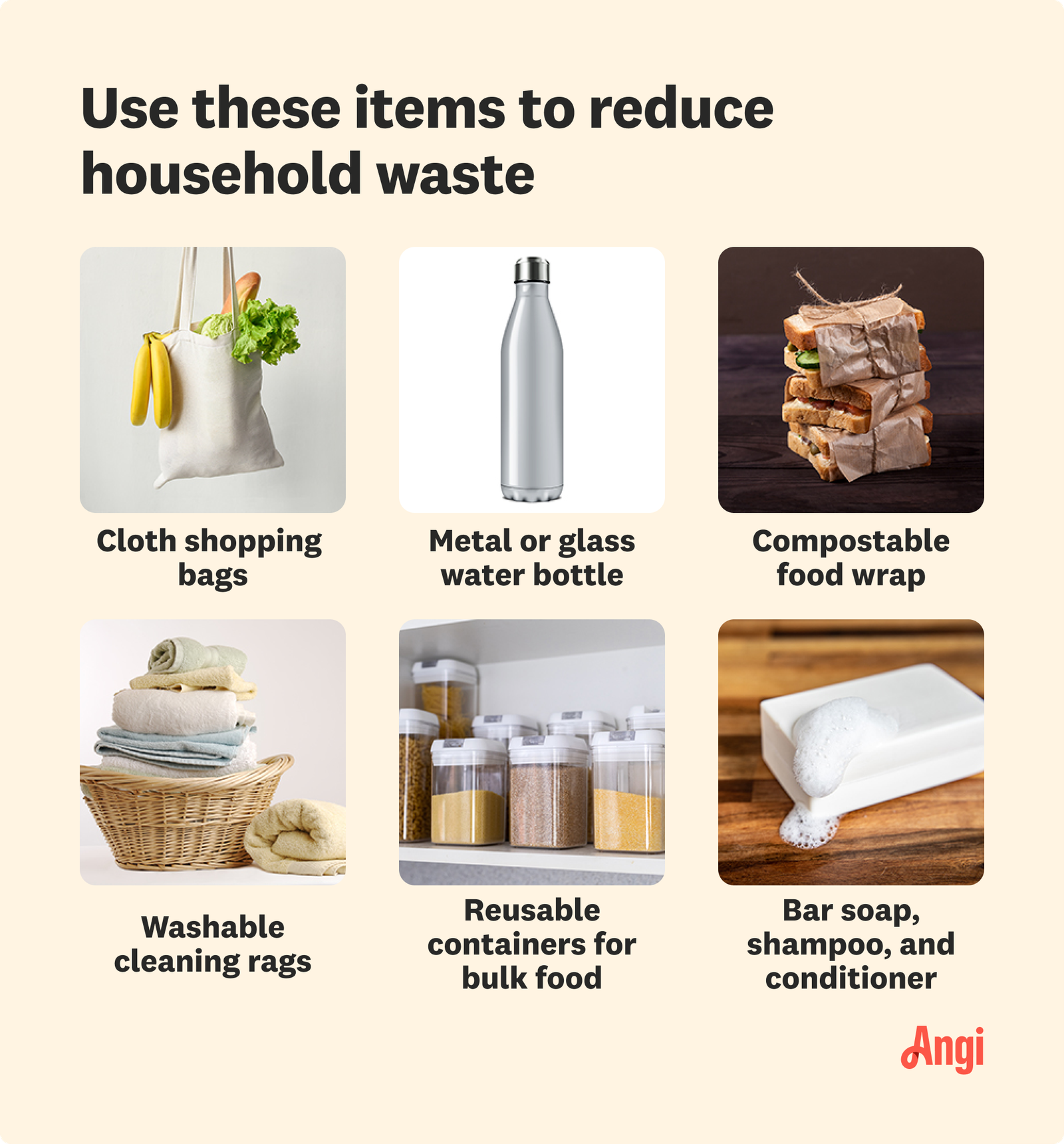
Are you tired of seeing your kitchen paper waste pile up every week? What if you could cut down that waste easily and save money at the same time?
Reducing kitchen paper waste is simpler than you think, and it can make a big difference for your home and the environment. You’ll discover practical tips that fit right into your daily routine. Keep reading to find out how small changes in your kitchen habits can lead to less waste and more savings—you won’t want to miss these smart, easy ideas!
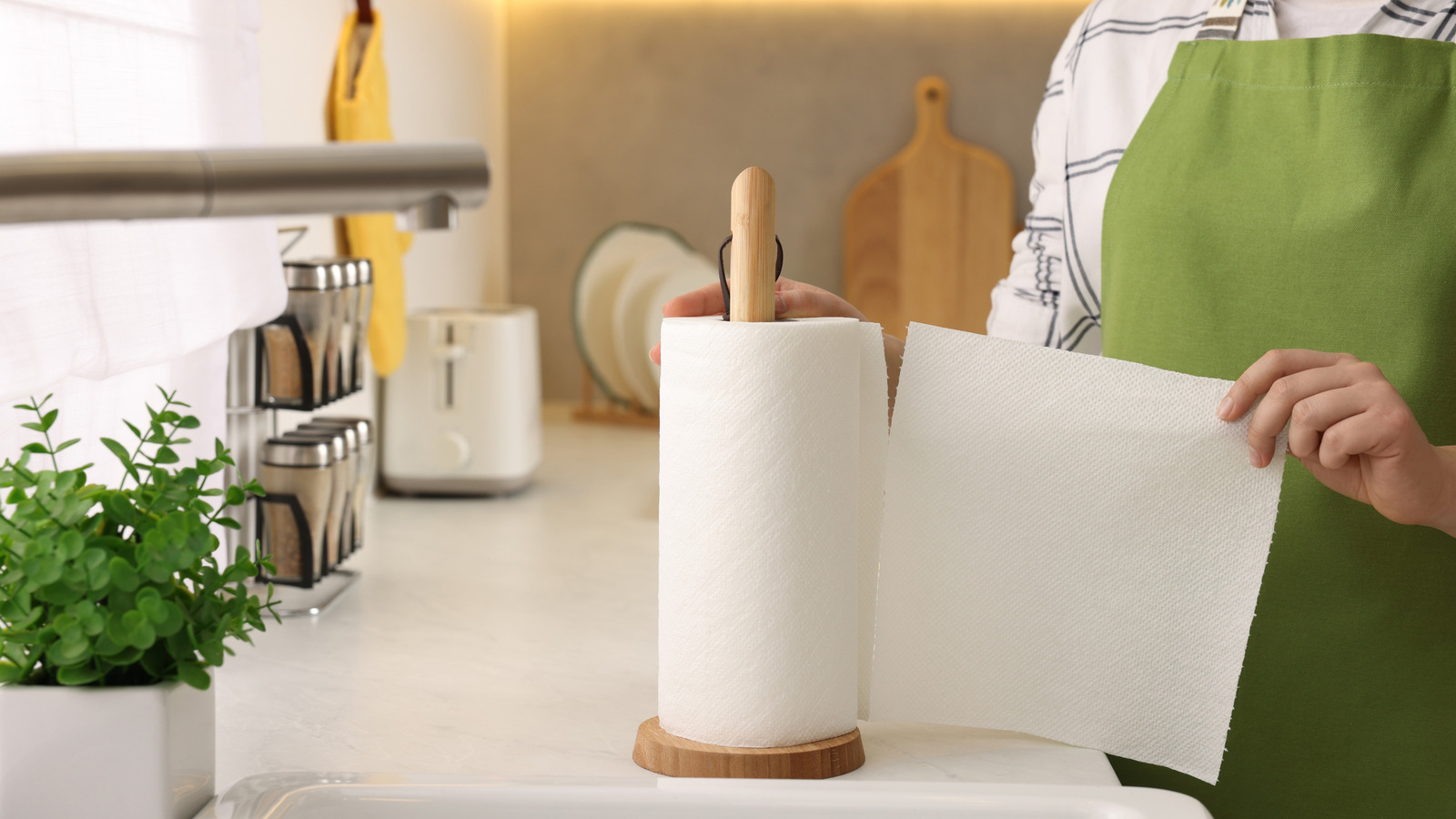
Cut Back On Paper Towel Use
Many people use paper towels every day in the kitchen. Reducing their use can help save money and the environment.
There are simple ways to cut back on using paper towels. Try these easy tips to make a difference.
Switch To Reusable Cloths
Reusable cloths are a great alternative to paper towels. They are easy to wash and can be used multiple times.
Keep a basket of clean cloths in your kitchen. Use them for wiping counters, cleaning spills, or dusting.
- Microfiber cloths are very absorbent
- Cotton cloths are soft and durable
- Store used cloths in a separate bin
Use Sponges And Scrubbers
Sponges and scrubbers can clean surfaces effectively. They last longer and reduce paper waste.
Choose sponges that are biodegradable or made from natural materials. Use scrubbers for tougher cleaning jobs.
- Rinse sponges thoroughly after use
- Replace sponges every few weeks
- Use separate scrubbers for different tasks
Dry Hands With Towels Instead
Instead of using paper towels to dry hands, use cloth towels. Hang them near the sink for easy access.
Wash towels regularly to keep them clean. Have a few towels available, so you always have a dry one ready.
| Hand Towels | Use for drying hands |
| Dish Towels | Use for drying dishes |
| Kitchen Towels | Use for general cleaning |
Smart Kitchen Habits
Reducing kitchen paper waste helps save money and protect the environment. Simple habits can make a big difference in your kitchen.
Try easy changes that cut down waste while keeping your kitchen clean and efficient.
Clean As You Go
Cleaning while cooking reduces the need for extra paper towels. Wipe spills with a damp cloth instead of paper.
Put dirty dishes in the sink right away. This keeps your workspace tidy and lowers paper towel use.
Use Leftover Food Scraps Wisely
Save food scraps like vegetable peels and meat bones. Use them to make broth or compost.
Composting reduces waste and helps your garden grow. It also cuts down on paper used for cleanup.
- Collect scraps in a container
- Freeze scraps if not using soon
- Use scraps for broth or compost
Store Food Properly To Avoid Waste
Keep food fresh by storing it in airtight containers or wrapping it well. This stops spoilage and waste.
Label leftovers with dates to use them before they go bad. This lowers the need for extra paper towels.
- Use clear containers to see food easily
- Wrap food tightly with reusable wraps
- Keep fridge organized for easy access
Eco-friendly Alternatives
Reducing kitchen paper waste helps protect the environment. Using eco-friendly options lowers trash and saves trees.
There are simple ways to cut paper towel use. Choose materials that break down faster or reuse what you have.
Choose Bamboo Or Compostable Paper Towels
Bamboo towels grow quickly and need less water than trees. They are strong and break down faster in nature.
Compostable towels turn into soil instead of trash. They help reduce landfill waste and support gardens.
- Bamboo grows fast and uses less land
- Compostable options break down in weeks
- Both reduce harm to forests
Opt For Unbleached And Recycled Options
Unbleached towels avoid harsh chemicals. They keep the paper natural and safer for the environment.
Recycled paper towels reuse old paper. This saves trees and lowers energy use during making.
- Unbleached means no chlorine or bleach
- Recycled uses less water and energy
- Both reduce pollution and waste
Try Diy Cleaning Solutions
Make your own cleaning rags from old cloths. Wash and reuse them instead of paper towels.
Use simple mixes like vinegar and water to clean. They work well and cut down on paper waste.
- Cut old t-shirts into small cloths
- Wash cloths after use for reuse
- Mix vinegar and water for cleaning spray
:max_bytes(150000):strip_icc()/GettyImages-1455459140-cc3d9a5587a34e099360f22c44fb74ce.jpg)
Credit: www.thespruce.com
Composting Kitchen Waste
Composting kitchen waste helps reduce trash and improves soil health. It turns food scraps and paper towels into rich compost.
This process lowers the amount of waste sent to landfills. It also helps gardens grow better plants and flowers.
Collect Paper Towels For Compost
Save used paper towels that have no chemicals or cleaning products. These towels are good for compost because they break down easily.
Keep a small bin or container in your kitchen for collecting these towels. Avoid towels with heavy grease or synthetic materials.
Set Up A Simple Compost Bin
Choose a container with a lid for your compost bin. It can be a plastic bin or a wooden box.
Place the bin in a spot with good air flow and some shade. Add kitchen scraps, paper towels, and dry leaves or grass.
- Turn the compost every few days to add air
- Keep the pile moist but not wet
- Use a small shovel or garden fork for mixing
Benefits Of Composting
Composting reduces waste and makes soil healthier. It helps plants get nutrients naturally.
- Less garbage in landfills
- Improved soil structure and water retention
- Reduced need for chemical fertilizers
- Lower greenhouse gas emissions
Involve The Whole Household
Reducing kitchen paper waste works best when everyone helps. Each person can learn simple habits to save paper.
Getting the whole family involved creates better results. It also makes saving paper a shared goal.
Educate Family Members
Teach everyone why cutting paper waste matters. Explain how it helps the environment and saves money.
Show easy ways to use less paper. For example, use cloth towels or reusable napkins instead of paper ones.
- Explain the impact of paper waste on nature
- Share tips on using less paper in the kitchen
- Encourage asking before using paper towels
Create Waste Reduction Challenges
Make reducing paper waste fun with challenges. Set small goals for each week or month.
Reward progress with simple treats or family activities. Challenges keep everyone motivated to save paper.
- Challenge to use cloth towels instead of paper for one week
- Track how many paper towels are saved daily
- Try only using paper towels for spills, not cleaning
Track Progress Together
Keep a visible chart to show how much paper waste the family reduces. Update it regularly to stay on track.
Celebrate milestones to encourage everyone. Seeing progress helps make saving paper a habit.
- Use a whiteboard or paper chart in the kitchen
- Mark days with no paper towel use
- Share ideas to improve paper saving habits
Credit: www.housedigest.com

Credit: buildingafoodforestscotland.com
Frequently Asked Questions
How Can I Minimize Kitchen Paper Towel Use?
Use reusable cloth towels or microfiber cloths instead of paper towels. Limit paper towel use to essential cleaning tasks only. This reduces waste and saves money over time.
What Are Eco-friendly Alternatives To Kitchen Paper Towels?
Consider using washable cloth napkins, bamboo towels, or unpaper towels. These options are sustainable and reduce landfill waste, helping the environment effectively.
How Do I Properly Dispose Of Used Kitchen Paper Towels?
If soiled with food or grease, compost them if possible. Otherwise, dispose of them in the trash. Avoid recycling paper towels as they usually contaminate recycling streams.
Can I Recycle Kitchen Paper Towels?
No, kitchen paper towels are generally not recyclable due to contamination with food and liquids. Composting is a better option if available in your area.
Conclusion
Reducing kitchen paper waste helps save money and the environment. Small changes add up over time. Use cloth towels or reusable napkins instead of paper. Cut paper use by planning meals and cleaning efficiently. Compost scraps and recycle what you can.
These habits protect trees and reduce trash. Everyone can take simple steps to waste less. Start today for a cleaner kitchen and planet. Little efforts create big differences in the long run.