
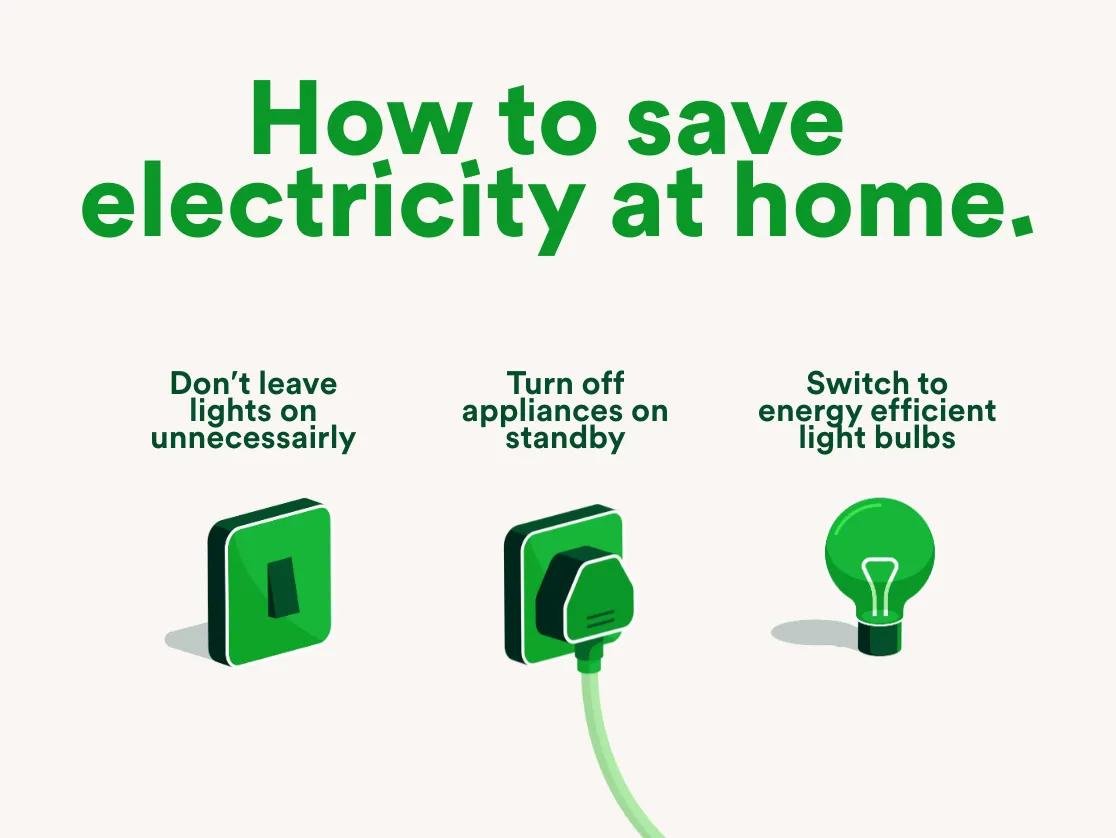
Are you tired of high electricity bills and want to make your kitchen more eco-friendly? Switching to energy-saving kitchen appliances is easier than you think, and the benefits go beyond just saving money.
Imagine cooking your favorite meals while using less power and helping the planet at the same time. You’ll discover simple steps to choose the right appliances, what features to look for, and how to make the switch without hassle. Ready to transform your kitchen into a smart, energy-efficient space?
Let’s dive in and make your home greener, one appliance at a time.
Benefits Of Energy-saving Appliances
Switching to energy-saving kitchen appliances offers many benefits. These appliances use less power and help the environment.
They also improve your kitchen’s efficiency and save you money. Let’s explore these benefits in detail.
Lower Utility Bills
Energy-saving appliances reduce electricity use. This lowers your monthly utility bills.
Efficient fridges and dishwashers use less power, saving money over time.
- Use less energy daily
- Long-term cost savings
- Reduce power wastage
Environmental Impact
Energy-saving appliances help the planet. They reduce carbon footprints and pollution.
Choosing these appliances supports a healthier environment for everyone.
- Lower greenhouse gas emissions
- Conserve natural resources
- Promote sustainable living
Enhanced Performance
Modern energy-saving appliances offer better performance. They are designed to work efficiently and quickly.
These appliances often have advanced features that improve cooking and cleaning.
- Faster cooking times
- Improved cleaning results
- Advanced technology for ease of use

Credit: www.aepenergy.com
Identifying Energy-efficient Models
Switching to energy-saving kitchen appliances helps lower electricity bills. It also reduces your home’s impact on the environment.
Choosing the right appliance means knowing which models use less energy. Look for signs that show how efficient they are.
Energy Star Ratings
Energy Star is a label that shows an appliance uses less energy than others. Products with this label meet strict energy efficiency rules.
Buying Energy Star appliances means you save money on energy. These appliances also help protect the environment by using less power.
- Look for the blue Energy Star label on the appliance
- Check if the model meets Energy Star standards
- Energy Star appliances use up to 30% less energy
Key Features To Look For
Energy-efficient appliances have special features that save power. These features reduce waste and help your kitchen run better.
Look for features that match your needs and use less electricity. These include smart sensors and better insulation.
- Automatic shut-off to save energy when not in use
- Smart sensors that adjust power based on usage
- Good insulation to keep temperature steady
- Low standby power consumption
Comparing Appliance Types
Some kitchen appliances use more energy than others. Compare models before buying to find the most efficient one for your home.
Look at their energy use and features. This helps you pick appliances that save energy and fit your kitchen.
| Appliance Type | Energy Use | Energy-Saving Tip |
|---|---|---|
| Refrigerators | High | Choose models with inverter compressors |
| Dishwashers | Medium | Pick Energy Star rated, use eco-wash modes |
| Microwaves | Low | Use for short cooking times |
| Ovens | High | Use convection mode to cook faster |
Planning Your Kitchen Upgrade
Switching to energy-saving kitchen appliances helps reduce energy use and save money. Planning your upgrade carefully makes the process easier and more effective.
Start by understanding what you have now and what you need next. This guide covers how to assess appliances, set a budget, and choose what to replace first.
Assessing Current Appliances
Look at each appliance in your kitchen to see how old it is and how much energy it uses. Check labels or manuals for energy ratings. Note any appliances that often break down.
This will help you know which appliances waste the most energy and need replacing soon. Take photos or write down model numbers to compare later.
- Check age and condition of each appliance
- Note energy ratings and usage
- Identify appliances with frequent problems
- Record model information for research
Setting A Budget
Decide how much money you can spend on new appliances. A clear budget helps you make smart choices and avoid overspending. Include costs for installation and removal of old devices.
Plan for saving by replacing the most energy-hungry appliances first. You can upgrade others later when you have more funds.
- Set a total spending limit
- Include installation and disposal costs
- Prioritize spending on highest energy users
- Save for future replacements
Choosing Replacement Priorities
Focus on appliances that use the most energy or are oldest. Replace refrigerators, ovens, or dishwashers first if they waste a lot of power.
Think about how often you use each appliance. Appliances used daily have a bigger impact on your energy bill than those used rarely.
- Replace oldest and least efficient appliances first
- Focus on devices used every day
- Consider energy savings versus replacement cost
- Plan gradual upgrades to spread costs
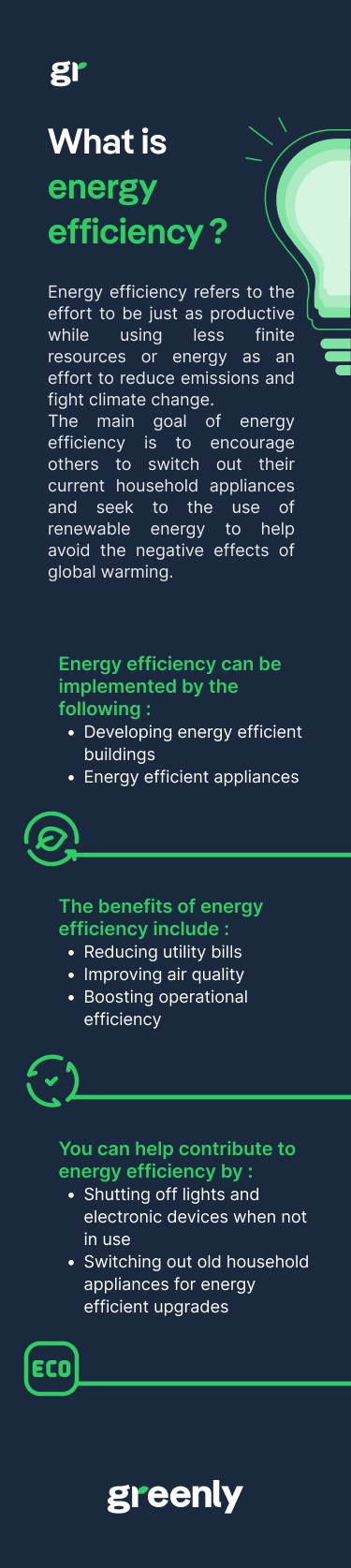
Credit: greenly.earth
Shopping Tips For Energy-saving Appliances
Switching to energy-saving kitchen appliances helps reduce electricity bills. It also lowers your home’s environmental impact.
Knowing where to buy, finding deals, and reading reviews can guide your choices. These tips make shopping easier and smarter.
Where To Buy
Buy energy-saving appliances at stores that specialize in home goods or electronics. Large retailers often have a wide selection.
Check local appliance stores too. They may offer personalized service and advice.
- Big box stores like appliance or electronics chains
- Local appliance shops with expert staff
- Online marketplaces with many brands
Seasonal Deals And Incentives
Look for sales during holidays or special shopping days. Prices often drop on energy-saving appliances then.
Government rebates or utility company incentives can lower costs. Check if your area offers these programs.
- Holiday sales like Black Friday or Labor Day
- Manufacturer promotions on energy-efficient models
- Local rebates or tax credits for energy-saving purchases
Reading Product Reviews
Read customer reviews to learn about real performance and durability. Look for comments on energy use and features.
Professional reviews can give detailed tests and comparisons. They often highlight the best energy-saving models.
- Check user feedback on energy efficiency and reliability
- Look for expert reviews from trusted sources
- Compare multiple models to find the best fit
Installation And Setup
Switching to energy-saving kitchen appliances can lower your bills. Proper installation and setup help them work best.
This guide covers how to install and set up your new appliances safely and efficiently.
Professional Vs. Diy Installation
Some appliances need expert installation to work properly and safely. Others are easy to install yourself.
Consider your skills and the appliance’s complexity before deciding who installs it.
- Professional installation ensures safety and warranty protection.
- DIY installation saves money but needs careful attention.
- Check manuals and local codes before starting a DIY project.
- Call a professional if you see any electrical or plumbing risks.
Optimizing Appliance Placement
Where you place your appliances affects their energy use. Good placement helps them run better and saves power.
Keep appliances away from heat sources and direct sunlight to avoid extra energy use.
- Leave space around appliances for air flow.
- Place refrigerators away from ovens and windows.
- Keep dishwashers near water connections.
- Arrange microwaves and ovens for easy reach and ventilation.
First-time Usage Tips
Before using your new appliance, read the instructions carefully. This helps avoid mistakes and damage.
Start with settings that save energy and adjust if needed for your cooking style.
- Run refrigerators empty for a few hours before adding food.
- Use energy-saving modes on dishwashers and ovens.
- Clean filters and vents before first use.
- Set timers or smart controls to reduce energy waste.

Credit: www.yahoo.com
Maintaining Efficiency Over Time
Energy-saving kitchen appliances help reduce your electricity use. Keeping them efficient saves money and energy.
Regular care and smart habits keep these appliances working well for years.
Regular Cleaning And Servicing
Clean your appliances often to remove dirt and dust. This helps them run smoothly and use less power.
Check the user manual for how to clean each appliance safely. Servicing by a professional can fix hidden problems.
- Wipe refrigerator coils every 6 months
- Clean oven and microwave interiors regularly
- Service dishwasher filters and seals
- Check seals on fridge and freezer doors
Energy-saving Usage Habits
Use appliances smartly to save energy. Avoid running them when they are almost empty or too full.
Turn off appliances when not in use. Use eco or low-power settings if available.
- Run dishwasher and washing machine with full loads
- Use microwave instead of oven for small meals
- Keep fridge temperature between 35°F and 38°F (1.6°C – 3.3°C)
- Unplug small appliances when idle
Troubleshooting Common Issues
If your appliance uses more energy or stops working, check for simple issues first. Fixing these can improve efficiency.
Look for broken seals, strange noises, or error codes. Follow the manual or call a technician if needed.
- Check door seals on refrigerators and freezers
- Clean lint filters on dryers and vents
- Reset error codes by unplugging and plugging back
- Listen for unusual sounds indicating wear
Additional Ways To Save Energy In The Kitchen
Switching to energy-saving kitchen appliances is a great start. You can save even more energy by using smart habits and tools in your kitchen.
Small changes in gadgets, water use, lighting, and ventilation can lower your energy bills and help the environment.
Smart Kitchen Gadgets
Smart kitchen gadgets use less energy by working efficiently. They often have timers and sensors to avoid wasting power.
Using devices like smart plugs and energy monitors can help track and reduce energy use.
- Smart slow cookers adjust heat for perfect cooking
- Induction cooktops heat faster and save energy
- Smart refrigerators optimize cooling based on use
- Energy monitors show real-time power consumption
Water Conservation Tips
Saving water also saves energy because less water needs heating. Fix leaks and use water-efficient taps.
Run dishwashers only when full. Use cold water for washing when possible to save energy.
- Fix dripping faucets quickly
- Install low-flow kitchen faucets
- Fill the dishwasher before use
- Use cold water for rinsing dishes
Lighting And Ventilation
Use LED lights in the kitchen to cut electricity use. Turn off lights when not needed.
Good ventilation helps cooking appliances run better. Use range hoods and open windows to clear heat and steam.
- Replace bulbs with energy-saving LEDs
- Use natural light during the day
- Turn off lights in empty rooms
- Use exhaust fans to reduce heat build-up
Frequently Asked Questions
What Are Energy-saving Kitchen Appliances?
Energy-saving kitchen appliances use less electricity or gas to operate efficiently. They reduce energy bills and lower your carbon footprint. Look for ENERGY STAR labels when buying to ensure high energy efficiency.
How To Identify Energy-efficient Kitchen Appliances?
Check for ENERGY STAR certification or energy labels on appliances. Compare their annual energy consumption ratings. Choose models with advanced technology designed to save power and water without sacrificing performance.
Are Energy-saving Appliances Cost-effective In The Long Run?
Yes, they reduce monthly utility bills significantly over time. Although initial costs may be higher, energy savings lead to lower expenses and quicker return on investment. They also increase your home’s value.
Can Switching Appliances Reduce Kitchen Energy Consumption?
Absolutely. Upgrading to energy-saving devices cuts electricity and water usage. This change lowers environmental impact and decreases utility bills. Small habits like unplugging unused gadgets also help reduce energy waste.
Conclusion
Switching to energy-saving kitchen appliances saves money and helps the planet. These appliances use less power but work just as well. Start by replacing old devices one at a time. Check for energy labels before buying new ones. Small changes add up over time.
Enjoy lower bills and a greener home. Everyone can make a difference with simple steps. Choose wisely and take action today. Your kitchen and the environment will thank you.