

Knives and cutting tools are part of your daily routine, whether you’re cooking, crafting, or working on a project. But even the sharpest tool can become dangerous if not handled properly.
You might think you know how to use them safely, but a small mistake can lead to painful cuts or worse. What if you could learn simple, effective tips that keep your hands safe every time you pick up a blade?
Keep reading to discover easy ways to protect yourself and use your cutting tools with confidence.

Credit: www.safetyandhealthmagazine.com
Choosing The Right Knife
Knives and cutting tools are essential in the kitchen. Choosing the right knife improves safety and efficiency. Understanding different knives helps in picking the best one for each task.
Using the correct knife reduces accidents and makes cutting easier. Knowing knife types and their uses is key.
Types Of Cutting Tools
There are many types of knives and cutting tools. Each has a specific purpose. Using the right tool is important.
- Chef’s Knife: Great for chopping and slicing.
- Paring Knife: Best for peeling and small cuts.
- Bread Knife: Perfect for cutting bread with ease.
- Utility Knife: Handy for various kitchen tasks.
- Boning Knife: Used for deboning meat.
Matching Knife To Task
Matching the knife to the task makes cutting safer. It also makes the process smoother. Choose a knife based on what you need to cut.
Consider the size and type of food. Use a sharp knife for better results. A sharp knife requires less force, reducing the chance of slipping.
- Use a Chef’s Knife for large vegetables.
- Pick a Paring Knife for fruits.
- Choose a Bread Knife for loaves.
- A Boning Knife is ideal for meat.
Proper Handling Techniques
Using knives and cutting tools safely starts with how you handle them. Proper handling reduces the risk of injury and helps you work better.
Learn to hold and move cutting tools correctly. This will keep you safe and protect others nearby.
Grip And Control
Hold the knife or cutting tool firmly but not too tight. A strong grip helps you control the tool and cut precisely.
Keep your fingers away from the blade to avoid cuts. Use your other hand to hold the item you are cutting safely.
- Wrap your fingers around the handle securely
- Place your thumb on the side for balance
- Keep your wrist straight for better control
- Hold the item with fingers curled under to protect them
Safe Cutting Motions
Use smooth, steady motions when cutting. Avoid rushing or using too much force to prevent slips and accidents.
Cut away from your body and keep the blade pointed down or to the side. This reduces the chance of injury if the blade slips.
- Slice with a forward and downward motion
- Do not saw back and forth harshly
- Keep the cutting surface stable and secure
- Pause if you feel unsafe and adjust your grip or position
Maintaining Sharpness
Keeping knives and cutting tools sharp is very important. Sharp tools cut better and safer than dull ones.
Regular sharpening helps the tools work well and lasts longer. It also reduces the risk of accidents.
Sharpening Methods
You can sharpen knives using different tools. Each method has its own way to make blades sharp.
Some common sharpening methods include using stones, rods, and electric sharpeners.
- Sharpening stone:Rub the blade on a wet stone at a steady angle.
- Honing rod:Use a steel rod to realign the blade’s edge after use.
- Electric sharpener:Insert the blade and let the machine sharpen it quickly.
Dangers Of Dull Blades
Dull blades need more force to cut. This can cause slips and injuries.
Using dull tools can damage the material you cut and make work harder.
- More pressure increases risk of losing control.
- Dull blades can slip off the cutting line.
- They cause uneven and rough cuts.
- Increased chance of accidents and injuries.

Credit: www.wekivaculinary.org
Safe Storage Solutions
Storing knives and cutting tools safely keeps your kitchen organized. It also prevents accidents and keeps blades sharp.
Choosing the right storage helps protect both you and your tools. Use proper holders and organizers for easy access.
Knife Blocks And Sheaths
Knife blocks hold knives securely and keep blades from touching. They reduce the risk of cuts when you reach for a knife.
Sheaths cover knife blades for safe storage in drawers or bags. They protect blades from damage and stop injuries.
- Use wooden or plastic knife blocks for kitchen counters
- Choose sheaths that fit your knives well
- Clean knives before placing them in blocks or sheaths
- Replace blocks or sheaths if damaged
Organizing Cutting Tools
Organize cutting tools to keep your kitchen neat and safe. Use drawer inserts or magnetic strips to separate blades.
Keep tools like scissors and peelers in designated spots. This reduces clutter and helps you find what you need quickly.
- Install drawer dividers to separate different tools
- Use magnetic strips to hold knives on walls safely
- Label storage areas for easy identification
- Regularly check and clean storage to avoid accidents
Using Protective Gear
Using protective gear helps keep you safe while working with knives and cutting tools. It lowers the chance of cuts and injuries. Always wear the right gear to protect your hands and work area.
Protective gear makes handling sharp tools safer. It adds a layer between your skin and the blade. This gear helps you focus on your work with less worry.
Cut-resistant Gloves
Cut-resistant gloves protect your hands from sharp blades. They are made from strong materials that stop cuts. Wearing these gloves lowers the risk of hand injuries.
Choose gloves that fit well and feel comfortable. Gloves that are too loose or tight can be unsafe. Check gloves for damage before use.
- Use gloves made of Kevlar or similar fibers
- Keep gloves clean and dry
- Replace gloves if they show signs of wear
- Wear gloves every time you use sharp tools
Safety Mats And Guards
Safety mats and guards protect your work surface and hands. Mats prevent slipping and give a stable base for cutting. Guards cover sharp edges to reduce accidents.
Use safety mats made of non-slip materials. Attach guards to knives or cutting tools if possible. These add layers of protection during work.
- Place mats on tables to keep tools steady
- Use blade guards when storing knives
- Check mats and guards for damage often
- Replace worn mats or guards immediately
Cleaning And Care Tips
Keeping knives and cutting tools clean is very important. Proper care helps them last longer and stay sharp.
Dirty blades can cause food contamination and make cutting harder. Clean and care for your tools after each use.
Proper Washing Techniques
Wash knives by hand using warm water and mild soap. Avoid dishwashers as they can damage the blade and handle.
Use a soft sponge or cloth to clean the blade carefully. Avoid scrubbing hard or using steel wool.
- Wash knives immediately after use to stop food from drying on them
- Rinse the blade well to remove soap residue
- Dry knives with a soft towel right after washing
- Store knives dry to prevent rust and corrosion
Avoiding Blade Damage
Be careful not to cut on hard surfaces like stone or glass. Use wood or plastic cutting boards instead.
Do not twist or pry with the knife. This can bend or chip the blade. Use the right tool for the job.
- Store knives in a block or sheath to protect edges
- Sharpen blades regularly with proper tools
- Do not drop knives or let them hit other utensils
- Avoid using knives to open cans or packages
Common Mistakes To Avoid
Using knives and cutting tools safely is very important. Many accidents happen because of simple mistakes. Learning what to avoid can keep you safe.
Here are common errors that can cause injuries. Avoiding these will help you cut safely every time.
Distracted Cutting
Cutting while distracted is dangerous. Your focus should be only on the task. Looking away or talking can cause slips and cuts.
Always avoid multitasking when using sharp tools. Keep your mind on the cutting to prevent accidents.
Improper Passing Methods
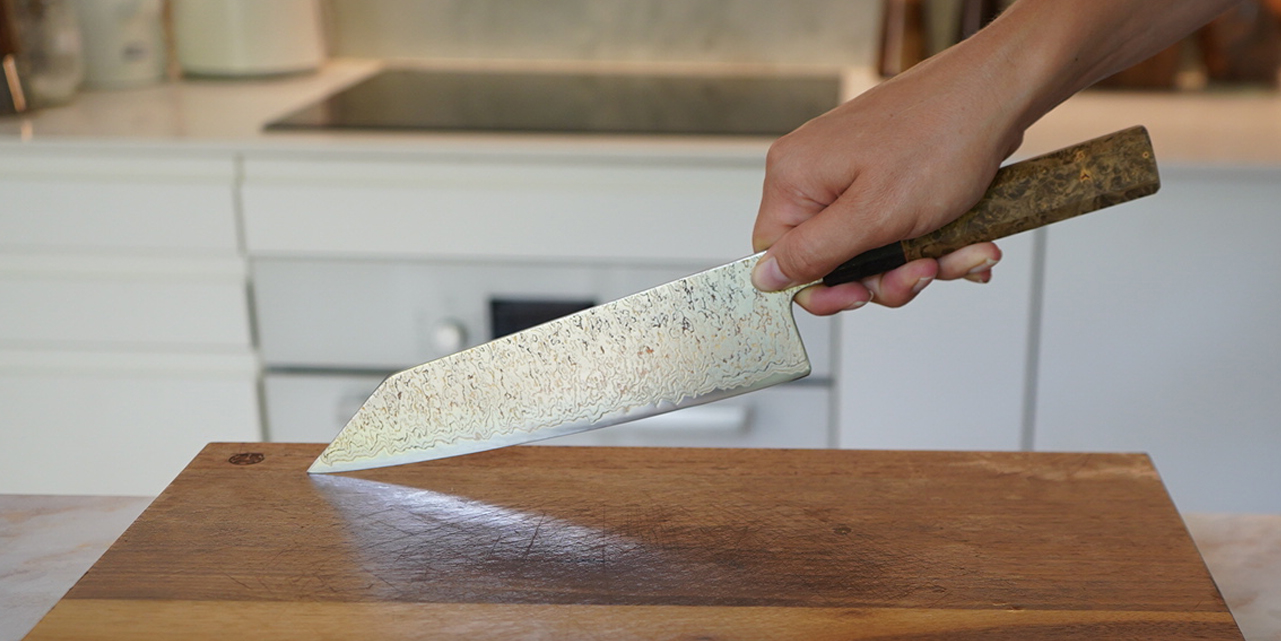
Passing knives or cutting tools incorrectly can cause injuries. Never hand a knife directly by its blade or point it at others.
Use safe ways to pass tools. Hold the handle firmly and offer the handle first to the other person.
- Hold the knife by the handle when passing
- Offer the handle, not the blade
- Make eye contact to ensure the other person is ready
- Place the knife down if you cannot pass it safely
Credit: oishya.com
Emergency Preparedness
Using knives and cutting tools can cause accidents. Being ready for emergencies helps reduce harm.
Learn simple steps to treat cuts and know when to get medical help. This keeps you safe.
First Aid For Cuts
If you get a cut, stop the bleeding first. Press the cut with a clean cloth or bandage.
Clean the cut gently with water. Avoid using strong chemicals or scrubbing hard.
- Wash your hands before touching the cut
- Use clean water to rinse the wound
- Apply an antibiotic ointment if available
- Cover the cut with a sterile bandage
- Change the bandage daily or if it gets wet
When To Seek Medical Help
Some cuts need a doctor. Know when to get help to avoid problems.
- The cut is deep or longer than half an inch
- Bleeding does not stop after 10 minutes of pressure
- You see dirt or objects stuck inside the cut
- The cut is from an animal or human bite
- You have signs of infection like redness, swelling, or pus
- You have not had a tetanus shot in the last 5 years
Frequently Asked Questions
How To Safely Hold A Knife While Cutting?
Hold the knife handle firmly with your dominant hand. Use a pinch grip near the blade for control. Keep fingers curled on the other hand to avoid cuts. Always cut away from your body for added safety.
What Cutting Surfaces Are Safest For Knives?
Use a wooden or plastic cutting board. Avoid glass, stone, or metal surfaces as they dull blades quickly. Clean boards after use to prevent contamination. Replace boards when deeply scored to maintain hygiene and knife safety.
How Often Should Knives Be Sharpened?
Sharpen knives regularly to maintain a sharp edge. A dull blade requires more force, increasing injury risk. Use a whetstone, sharpening steel, or professional service. Frequency depends on use but typically every few weeks is ideal.
What Are Common Knife Safety Mistakes To Avoid?
Avoid distractions while using knives. Never try to catch a falling knife. Don’t use knives for tasks they’re not designed for. Keep knives out of reach of children. Always store knives properly in a block or sheath.
Conclusion
Safe use of knives and cutting tools keeps accidents away. Always handle tools with care and attention. Keep blades sharp to cut smoothly and safely. Store knives properly to avoid injuries and damage. Use the right tool for each cutting task.
Teach children to respect sharp objects and stay safe. Regularly check tools for wear and replace when needed. Small habits make a big difference in safety. Follow these tips to protect yourself and others. Stay cautious, stay safe, and enjoy your cutting tasks.