
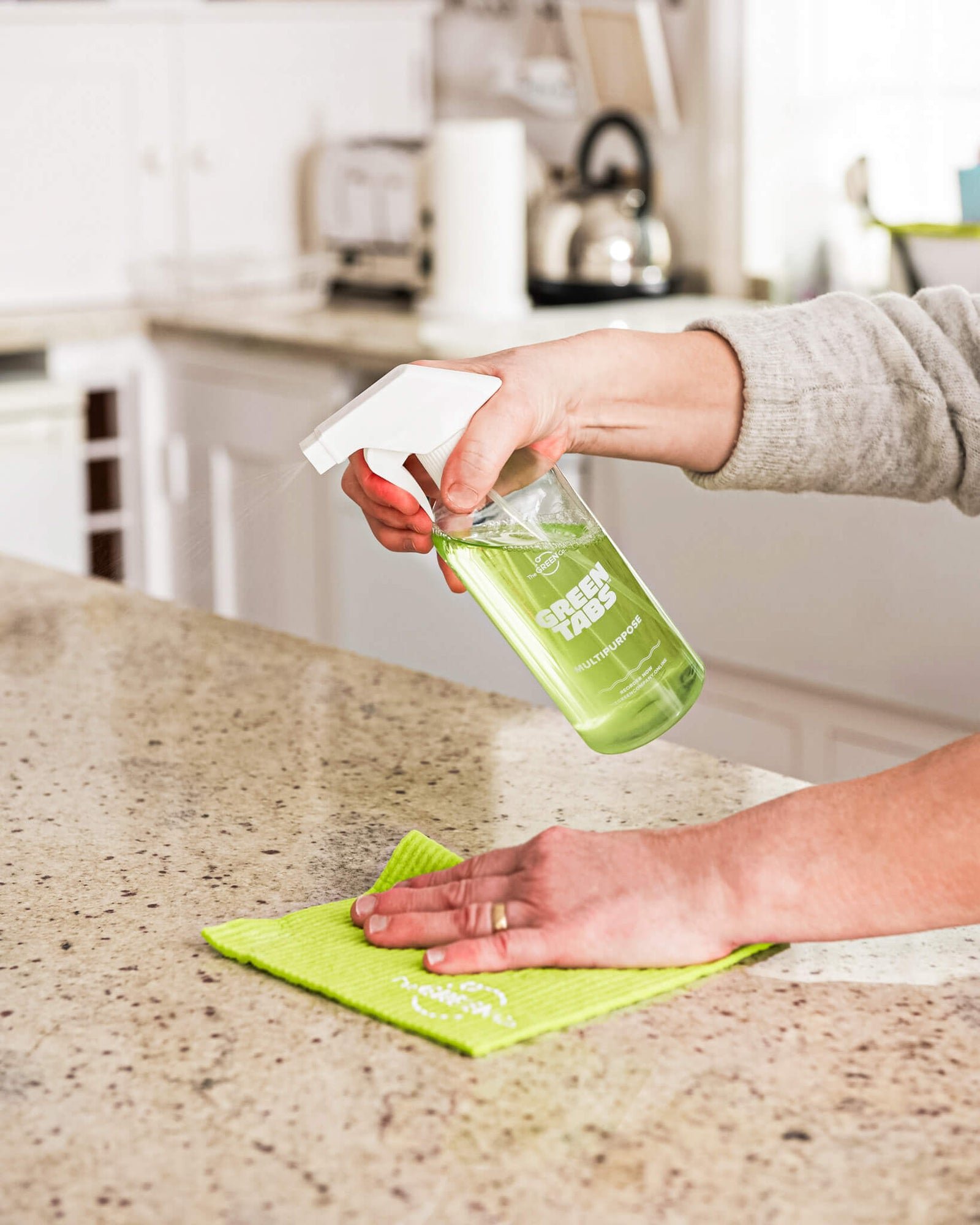
Your countertops take a beating every time you prepare food. Crumbs, spills, and stubborn stains can quickly pile up, making your kitchen look messy and unhygienic.
But cleaning them doesn’t have to be a chore. Imagine turning your countertops spotless in just a few simple steps—leaving your kitchen fresh and ready for your next meal. You’ll discover easy, effective ways to clean your countertops after food prep, so you can enjoy a cleaner, safer cooking space without the hassle.
Keep reading to learn how to make your countertops shine like new every time.
Choose The Right Cleaner
Cleaning countertops after food prep is important. It keeps your kitchen safe and healthy. Choosing the right cleaner is key for effective cleaning.
Different surfaces need different cleaners. Picking the right one helps keep your countertops in good condition.
Natural Vs Chemical Cleaners
Natural cleaners are made from ingredients like vinegar and baking soda. They are eco-friendly and safe for many surfaces.
Chemical cleaners are stronger and can kill more germs. They are good for tough stains but may not be safe for all surfaces.
- Natural cleaners: vinegar, lemon juice, baking soda
- Chemical cleaners: bleach, ammonia, commercial products
Safe Options For Different Surfaces
Granite and marble need special cleaners. Acidic cleaners can damage them. Use a pH-balanced cleaner to keep them safe.
For laminate and stainless steel, mild soap and water work well. Avoid abrasive cleaners that can scratch the surface.
| Surface | Safe Cleaner |
| Granite | pH-balanced cleaner |
| Marble | pH-balanced cleaner |
| Laminate | Mild soap and water |
| Stainless Steel | Mild soap and water |
Credit: www.pinesol.com
Remove Food Debris
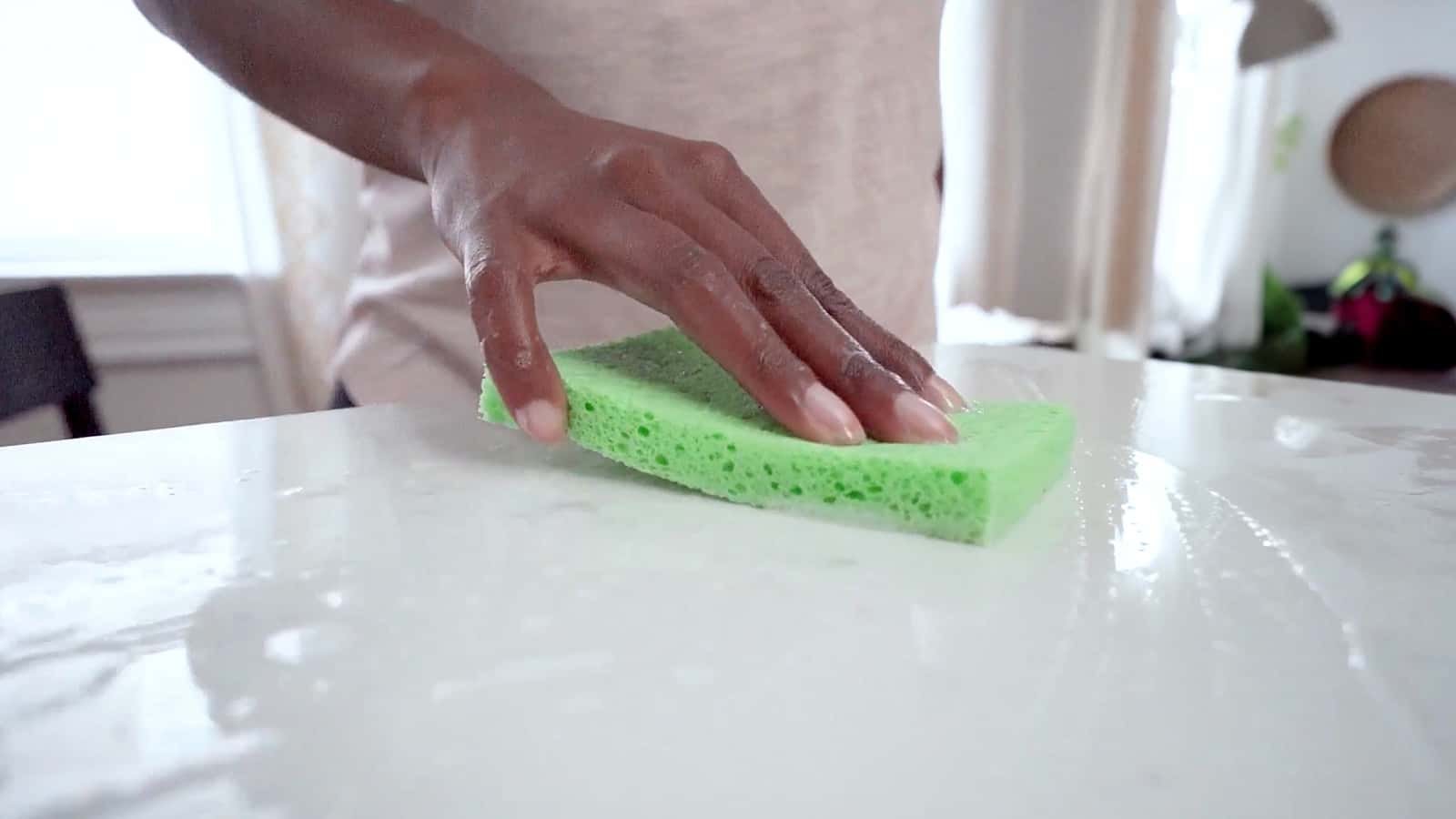
Cleaning countertops after food prep is important to keep your kitchen safe and tidy. Removing food debris helps prevent bacteria and stains.
Start by clearing large pieces of food before you wash the surface. This makes cleaning easier and more effective.
Use A Soft Brush Or Cloth
Use a soft brush or cloth to gently remove crumbs and food bits. These tools pick up debris without damaging the countertop.
A damp cloth helps lift sticky residue. A soft brush cleans corners and crevices well.
- Choose microfiber cloths for good absorption
- Use a soft-bristled brush for delicate areas
- Avoid abrasive scrubbers that can harm surfaces
Avoid Scratching The Surface
Some countertops scratch easily. Avoid using rough tools or scrapers that can cause marks.
Clean gently with soft materials to keep your countertop smooth and looking new.
- Do not use steel wool or hard brushes
- Use plastic or silicone tools if scraping is needed
- Test cleaners on a small area before full use
Disinfect Properly
Cleaning countertops after food prep is important to stop germs from spreading. Disinfecting kills bacteria and viruses that can make you sick.
Use the right techniques and products to make sure your countertop is safe and clean.
Effective Disinfecting Techniques
Start by removing crumbs and food bits from the countertop. Use warm soapy water to wash the surface first.
After cleaning, apply a disinfectant and let it sit for the time on the label. This step kills germs effectively.
- Remove loose debris before disinfecting
- Wash surface with soap and water
- Apply disinfectant evenly on the surface
- Leave disinfectant for recommended time
- Wipe or air dry the surface as directed
Recommended Disinfectants
Choose disinfectants that are safe for kitchen surfaces. Look for products approved to kill bacteria and viruses.
Common effective disinfectants include diluted bleach solutions, alcohol sprays, and commercial kitchen sanitizers.
- Diluted bleach (1 tablespoon bleach per 1 quart water)
- Isopropyl alcohol (70% or higher concentration)
- Hydrogen peroxide sprays
- Commercial kitchen surface disinfectants
Dry And Polish
Cleaning your countertops after food prep is important. Drying and polishing keep them looking nice.
Wiping off water and polishing helps stop stains and damage. It also makes your countertops shine.
Prevent Water Spots
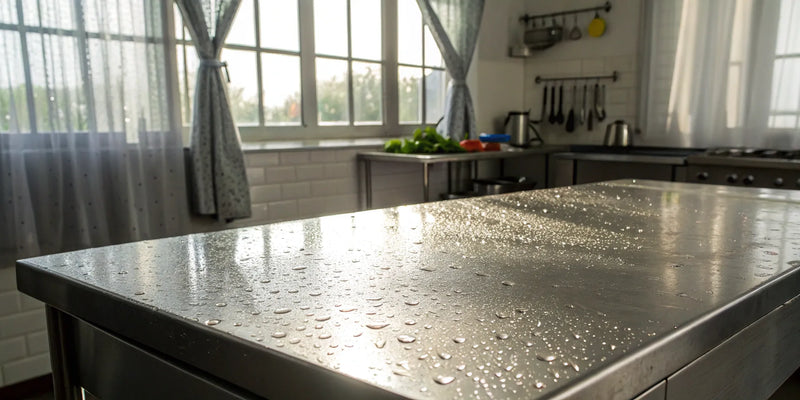
Water spots happen when drops dry on the surface. These spots can leave marks and make counters dull.
Dry your countertop with a soft cloth right after cleaning. This stops water from sitting on the surface.
- Use a microfiber or cotton towel
- Wipe in a circular motion
- Make sure to dry corners and edges well
Restore Shine To Your Countertops
Polishing brings back the shine and makes counters look fresh. It also helps protect the surface.
Use a small amount of countertop polish or olive oil on a soft cloth. Rub gently in small circles.
- Choose polish safe for your countertop type
- Apply polish sparingly to avoid buildup
- Buff with a clean cloth after polishing
Maintain Cleanliness Daily
Keeping countertops clean after food prep helps stop germs from spreading. A clean kitchen feels fresh and safe to use.
Daily cleaning is easy and keeps your space ready for the next meal. It saves time and effort later.
Quick Wipes After Each Use
Wipe your countertops right after cooking or chopping. This stops dirt and crumbs from building up.
Use a clean cloth and a mild cleaner. Avoid harsh chemicals that can damage surfaces.
- Use warm water and gentle soap
- Wipe spills immediately
- Dry with a clean towel
- Change cloths often to avoid spreading germs
Regular Deep Cleaning Schedule
Set a weekly time for deep cleaning your countertops. This removes hidden dirt and bacteria.
Use appropriate cleaners based on your countertop type. Scrub gently to protect the surface.
- Clear all items from the countertop
- Use a disinfectant safe for your surface
- Scrub with a soft brush or cloth
- Rinse with clean water
- Dry thoroughly before placing items back
Credit: allyskitchen.com
Credit: therestaurantwarehouse.com
Frequently Asked Questions
How Do I Quickly Clean Countertops After Food Prep?
Wipe countertops with warm, soapy water immediately after food prep. Use a clean cloth or sponge to remove crumbs and spills. Rinse with clean water and dry with a towel to prevent streaks and bacteria buildup.
What Is The Best Cleaner For Kitchen Countertops?
A mild dish soap mixed with warm water is ideal for most countertops. Avoid harsh chemicals that can damage surfaces. For natural stone, use a pH-neutral cleaner to maintain the finish and prevent etching.
How Often Should I Sanitize Kitchen Countertops?
Sanitize your countertops after every food prep session, especially after handling raw meat. Use a food-safe disinfectant spray or a diluted bleach solution. This prevents bacteria and cross-contamination, ensuring a hygienic cooking environment.
Can I Use Vinegar To Clean Countertops?
Vinegar is safe for laminate and some solid surfaces but avoid it on natural stone like granite or marble. It effectively cuts grease and disinfects but can damage acidic-sensitive surfaces. Always test on a small area first.
Conclusion
Cleaning countertops after food prep keeps your kitchen safe and tidy. Use gentle cleaners to avoid damage. Wipe spills quickly to stop stains and germs. Regular cleaning makes your space fresh and ready. Small habits make a big difference over time.
Keep cloths and sprays handy for easy access. Clean countertops help prevent food contamination. A clean kitchen feels good and works better. Simple steps lead to a healthier home. Try these tips daily for best results.