

Are you confident that your kitchen is truly safe from harmful germs? Cross-contamination is a hidden danger that can turn your meal into a health risk without you even realizing it.
But don’t worry—by learning a few simple tips, you can protect yourself and your loved ones from foodborne illnesses. Keep reading to discover easy and effective ways to stop bacteria from spreading in your kitchen. Your health depends on it!

Credit: www.ramblingsaboutdisinfection.com
Common Sources Of Cross-contamination
Cross-contamination happens when harmful germs spread. It is a common issue in kitchens. Knowing the sources helps keep food safe.
Preventing cross-contamination is key to food safety. Learn about common sources to protect your health.
Raw And Cooked Food Contact
Raw foods like meat and fish carry germs. Keep them away from cooked foods. Use separate plates and utensils for raw and cooked items.
Raw food juices can contaminate cooked meals. Always store raw foods below cooked foods in the fridge.
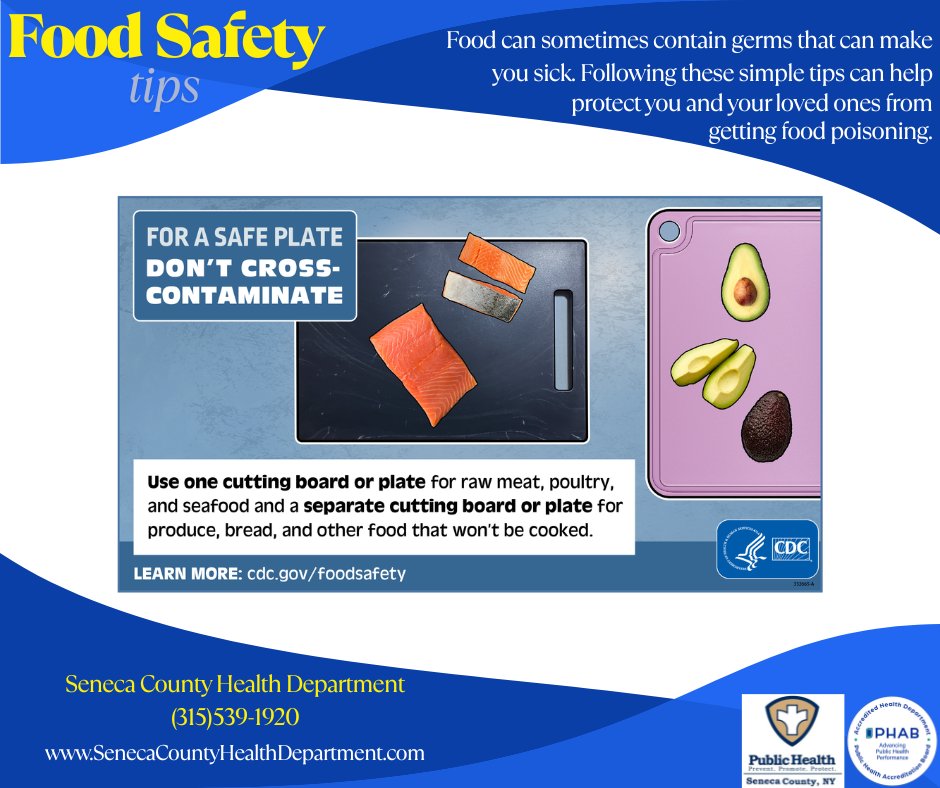
- Use different cutting boards for meat and vegetables
- Wash hands after handling raw meat
- Store raw foods separately in the fridge
Contaminated Surfaces And Utensils
Germs can live on surfaces and utensils. Clean them to prevent cross-contamination. Use hot, soapy water for washing.
Chopping boards and knives must be cleaned after each use. This stops germs from spreading to other foods.
- Sanitize kitchen counters daily
- Use dishwasher for thorough cleaning
- Replace old sponges and cloths regularly
Improper Hand Hygiene
Hands can carry germs from one food to another. Washing hands properly reduces this risk. Use soap and water for at least 20 seconds.
Before cooking, wash hands. After handling raw foods, wash hands again to prevent spreading germs.
- Wash hands before and after preparing food
- Avoid touching face while cooking
- Use hand sanitizer if soap is not available
Safe Food Handling Practices
Safe food handling helps prevent harmful bacteria from spreading. It protects you and your family from foodborne illnesses.
Following simple steps can reduce the risk of cross-contamination in your kitchen. These steps keep food safe to eat.
Separate Storage For Raw And Ready-to-eat Foods
Keep raw foods like meat and seafood away from ready-to-eat foods. Store them separately to stop bacteria from spreading.
Use different shelves or containers in the fridge. Place raw foods below ready-to-eat items to avoid drips and spills.
Use Color-coded Cutting Boards
Color-coded cutting boards help keep foods separate. Use different colors for raw meat, vegetables, and cooked foods.
- Red for raw meat
- Green for vegetables
- Blue for fish and seafood
- Yellow for cooked foods
This system stops germs from moving between foods. Clean boards well after each use.
Proper Cooking Temperatures
Cook foods to the right temperature to kill bacteria. Use a food thermometer to check the heat inside.
| Food Type | Safe Temperature |
|---|---|
| Poultry (chicken, turkey) | 165°F (74°C) |
| Ground meats | 160°F (71°C) |
| Beef, pork, lamb (steaks, roasts) | 145°F (63°C) plus rest time |
| Fish and seafood | 145°F (63°C) |
Check temperatures in the thickest part of the food. This ensures it is safe to eat.
Effective Cleaning And Sanitizing
Preventing cross-contamination starts with proper cleaning and sanitizing. These steps remove harmful germs from surfaces. They protect food and people from getting sick.
Effective cleaning and sanitizing reduce the chance of bacteria spreading. Use the right tools and follow a regular schedule to keep areas safe.
Choosing The Right Cleaning Agents
Use cleaning agents that kill germs and remove dirt well. Different surfaces need different cleaners. Read labels to pick the best one.
Some agents work better on grease, while others kill bacteria quickly. Avoid mixing chemicals as this can be dangerous and less effective.
- Use food-safe cleaners for kitchen surfaces
- Choose disinfectants approved by health authorities
- Avoid harsh chemicals on delicate surfaces
- Follow instructions for proper use and contact time
Regular Sanitizing Schedule
Create a cleaning plan that fits your space and use. Regular sanitizing helps keep germs under control. Clean more often in busy areas.
Stick to set times for cleaning. This builds good habits and stops cross-contamination before it starts.
- Sanitize food prep surfaces before and after use
- Clean high-touch areas like handles and switches daily
- Check and update the schedule based on activity level
- Train staff to follow the cleaning plan strictly
Cleaning Equipment And Tools
Use the right cleaning tools to avoid spreading germs. Clean cloths and brushes help remove dirt better. Replace tools often to keep them clean.
Keep cleaning tools separate for different areas. This stops germs from moving from one place to another.
- Use color-coded cloths for different zones
- Wash and dry tools after each use
- Store tools in a clean, dry place
- Replace worn or damaged cleaning supplies regularly

Credit: glutendtrotters.com
Personal Hygiene Habits
Good personal hygiene helps stop germs from spreading. It keeps food and work areas safe.
Simple habits can protect you and others from cross-contamination. Learn how to keep clean.
Handwashing Techniques
Wash hands often to remove dirt and germs. Use warm water and soap for best results.
Rub hands for at least 20 seconds. Clean all parts, including fingers and nails.
- Wet hands with warm water
- Apply enough soap to cover all hand surfaces
- Rub palms, back of hands, fingers, and nails
- Scrub for at least 20 seconds
- Rinse hands well under running water
- Dry hands with a clean towel or air dry
Glove Use And Changes
Wear gloves to protect hands and food from germs. Use gloves only once to stay safe.
Change gloves after touching raw food, trash, or dirty surfaces. Always wash hands before putting on new gloves.
- Put on clean gloves before food handling
- Change gloves between tasks
- Remove gloves carefully to avoid touching outside
- Wash hands after removing gloves
Avoiding Cross-contamination From Clothing
Wear clean clothes and aprons to stop germs from spreading. Change clothes if they get dirty.
Keep hair tied back and cover it with a hairnet or cap. Avoid touching clothes while working with food.
- Wear clean uniforms or aprons daily
- Use hairnets or caps to cover hair
- Change clothes if they become soiled
- Do not touch clothes while handling food
Safe Food Storage Tips
Storing food safely helps stop germs from spreading. This keeps food fresh and healthy to eat.
Good storage stops cross-contamination. It protects food from harmful bacteria and other risks.
Correct Refrigeration Practices
Keep your fridge at or below 40°F (4°C). This slows bacteria growth on food.
Store raw meat on the bottom shelf. This stops drips from reaching other foods.
- Use sealed containers to keep food fresh
- Keep dairy products in coldest part of fridge
- Check fridge temperature regularly
Avoiding Overcrowding
Do not pack the fridge too full. Air needs to move to keep all food cold.
Overcrowding can cause uneven cooling. Some foods may spoil faster this way.
- Leave space between items
- Use smaller containers to save space
- Organize food by type and size
Labeling And Rotation
Label food with date of storage. This helps you use food before it spoils.
Use the oldest food first. This practice is called “first in, first out.”
- Write date and content on each package
- Place new items behind older ones
- Check labels before cooking or serving
Training And Monitoring Staff
Preventing cross-contamination is very important in food safety. Staff training and monitoring help keep food safe.
Teaching staff the right steps and checking their work stops germs from spreading.
Regular Safety Training
Train staff often on hygiene and food handling rules. This keeps their skills fresh and correct.
Use easy lessons and clear examples to show how to avoid cross-contamination.
- Explain hand washing and glove use
- Show how to clean tools and surfaces
- Teach food storage rules
- Practice safe food preparation
Monitoring Compliance
Watch staff while they work to see if they follow safety steps. This helps catch mistakes early.
Use checklists or spot checks to track if rules are followed every day.
- Check hand washing often
- Look for correct glove use
- Inspect cleaning of tools and areas
- Review food storage practices
Encouraging Reporting Of Issues
Make staff feel safe to report problems or mistakes. This helps fix issues fast.
Use easy ways for staff to tell managers about risks or errors.
- Create a no-blame reporting culture
- Offer anonymous reporting options
- Respond quickly to reports
- Train staff to spot and report risks
Credit: x.com
Frequently Asked Questions
What Is Cross-contamination In Food Safety?
Cross-contamination occurs when harmful bacteria transfer from one surface or food to another. It often happens via raw meats, unwashed hands, or contaminated utensils. Preventing it is key to avoid foodborne illnesses and ensure safe meal preparation.
How Can I Prevent Cross-contamination In The Kitchen?
Use separate cutting boards for raw and cooked foods. Always wash hands, utensils, and surfaces thoroughly after handling raw meat. Store raw foods below cooked foods in the refrigerator to avoid drips and contamination.
Why Is Handwashing Important To Stop Cross-contamination?
Handwashing removes harmful bacteria and germs from your skin. Proper washing with soap and water after handling raw food reduces the risk of spreading bacteria to other foods or surfaces.
Which Kitchen Tools Need Regular Cleaning To Prevent Contamination?
Cutting boards, knives, countertops, and utensils must be cleaned after each use. Using hot, soapy water or a sanitizer kills bacteria and prevents cross-contamination effectively.
Conclusion
Preventing cross-contamination keeps food safe and healthy. Clean hands and surfaces often. Use separate tools for raw and cooked food. Store food properly to avoid contact. Small actions make a big difference. Stay aware and careful in the kitchen. Safe habits protect you and your family.
Keep these tips in mind daily. Your health depends on smart food handling. Simple steps lead to safer meals every time.