
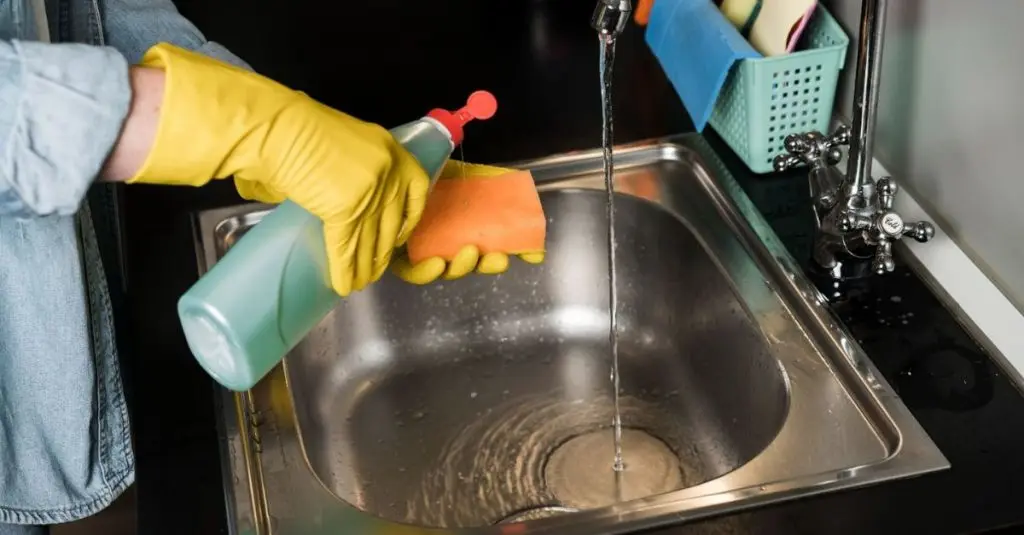
Your kitchen sink and drains are the heart of your cooking space, but they can quickly become a hotspot for grime, odors, and clogs. If you’ve ever dealt with slow drains or unpleasant smells, you know how frustrating it can be.
The good news? With a few simple tips, you can keep your sink and drains spotless and running smoothly. Keep reading, and you’ll discover easy, effective ways to clean your kitchen sink and drains that save you time, money, and stress.
Don’t let a dirty sink hold you back—take control and make your kitchen shine like new!
:max_bytes(150000):strip_icc()/SPR-how-pro-cleaners-clean-a-sink-11781060-6d7babfdf0074ca79564864a6c7325dd.jpg)
Credit: www.thespruce.com
Daily Sink Cleaning Tips
Keeping your kitchen sink clean is important for hygiene. A clean sink prevents odors and germs.
Daily maintenance is easy with a few simple steps. Here are some tips to help you keep your sink spotless every day.
Wipe After Each Use
Always wipe the sink after using it. This removes food particles and water spots.
Use a soft cloth or sponge to do this. It keeps the surface shiny and clean.
- Prevents bacteria growth
- Reduces water stains
- Makes deep cleaning easier
Use Mild Dish Soap
Clean your sink with mild dish soap. It is gentle on surfaces and effective in cleaning.
A few drops on a sponge can clean most sinks. Avoid harsh chemicals that can damage finishes.
- Safe for most sink materials
- Removes grease and grime
- Leaves a pleasant scent
Rinse Thoroughly
Rinse the sink well after cleaning. This ensures no soap residue is left behind.
Use warm water to rinse. It helps to dissolve and wash away any remaining soap or dirt.
- Prevents soap build-up
- Keeps the sink sparkling
- Ensures a fresh kitchen environment
Removing Stains And Build-up
Kitchen sinks and drains often get stains and build-up from daily use. Cleaning them regularly keeps your kitchen fresh and prevents bad smells.
Simple ingredients found at home can help remove tough stains and clear blockages. These tips make cleaning easy and safe.
Baking Soda Scrub
Baking soda is a gentle abrasive that cleans stains without scratching. It helps remove grease and grime from the sink surface.
Sprinkle baking soda over the sink and scrub with a damp sponge. Focus on stained areas for best results.
- Use about half a cup of baking soda.
- Scrub in circular motions.
- Rinse thoroughly with warm water.
Vinegar Soak
Vinegar is acidic and helps dissolve mineral build-up and soap scum. It also kills some bacteria in the drain.
Pour white vinegar into the drain and let it soak for 15 to 30 minutes. After soaking, flush the drain with hot water.
- Use one cup of white vinegar.
- Let the vinegar sit without rinsing immediately.
- Flush with boiling water to clear loosened debris.
Lemon Freshness
Lemon juice helps remove stains and leaves a fresh scent. Its natural acid cuts through grease and kills odors.
Rub lemon slices on the sink surface or pour lemon juice into the drain. Let it sit for 10 minutes before rinsing.
- Use fresh lemon slices or bottled lemon juice.
- Focus on stained or smelly spots.
- Rinse with cold water after treatment.
Clearing Clogged Drains
Kitchen sinks often get clogged from food bits and grease. Clearing these clogs helps water flow freely again. There are easy ways to fix this at home.
Using simple tools and household items can remove blockages. Try the methods below to clear your kitchen sink drain safely.
Boiling Water Flush
Pouring boiling water down the drain can melt grease and loosen small clogs. This method works well for minor blockages.
Boil a large pot of water and carefully pour it into the drain in stages. Wait a few minutes between pours to allow the hot water to work.
Baking Soda And Vinegar Method
This natural combination creates fizz that helps break down debris inside pipes. It is safe and eco-friendly.
Start by pouring half a cup of baking soda into the drain. Follow with half a cup of vinegar. Cover the drain and wait 15 minutes. Then flush with hot water.
- Pour baking soda down the drain
- Add vinegar immediately after
- Cover drain to keep reaction inside
- Wait 15 minutes before rinsing
- Flush with hot water to clear loosened debris
Manual Drain Snake Use
A manual drain snake is a flexible tool that can reach deep clogs. It helps pull out or break up tough blockages.
Insert the snake into the drain and twist it gently. Push it further until you feel resistance. Pull out the debris slowly and dispose of it properly.
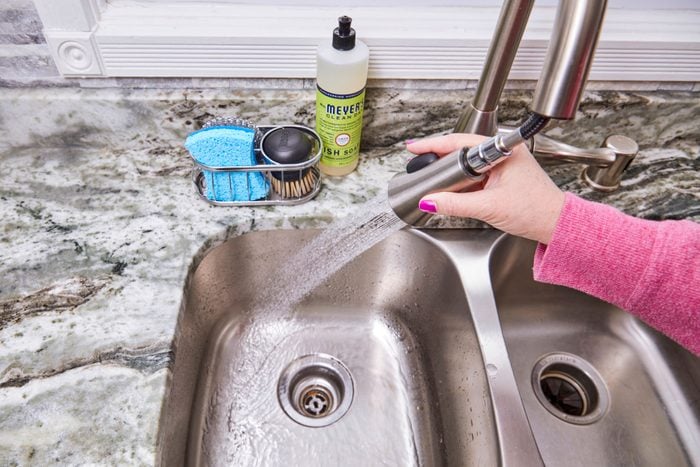
Credit: www.rd.com
Preventing Odors
Kitchen sinks and drains can develop bad smells over time. These odors come from food scraps and bacteria buildup. Preventing these smells keeps your kitchen fresh and clean.
Simple cleaning habits and natural solutions help stop odors before they start. Let’s explore easy tips to keep your sink and drain smelling nice.
Regular Cleaning Schedule
Clean your kitchen sink and drain often to avoid odor build-up. Dirt and food bits can get stuck and cause bad smells. Wipe the sink daily and clean drains weekly.
Use warm water and mild soap to wash the sink. For drains, pour hot water or a baking soda and vinegar mix to clear debris. Set a weekly reminder to keep cleaning on track.
- Wipe sink with soap and water every day
- Flush drain with hot water weekly
- Use baking soda and vinegar monthly
- Remove and clean drain covers regularly
Natural Deodorizers
Natural ingredients help remove odors without chemicals. Baking soda, lemon juice, and vinegar work well to freshen your sink and drain. They kill bacteria and neutralize smells.
Sprinkle baking soda into the drain, then pour lemon juice or vinegar. Let it sit for 10-15 minutes. Rinse with hot water to clear the drain and remove odors.
- Baking soda neutralizes acid and odors
- Lemon juice leaves a fresh scent
- Vinegar cleans and kills bacteria
- Use these once a week for best results
Proper Drain Covers
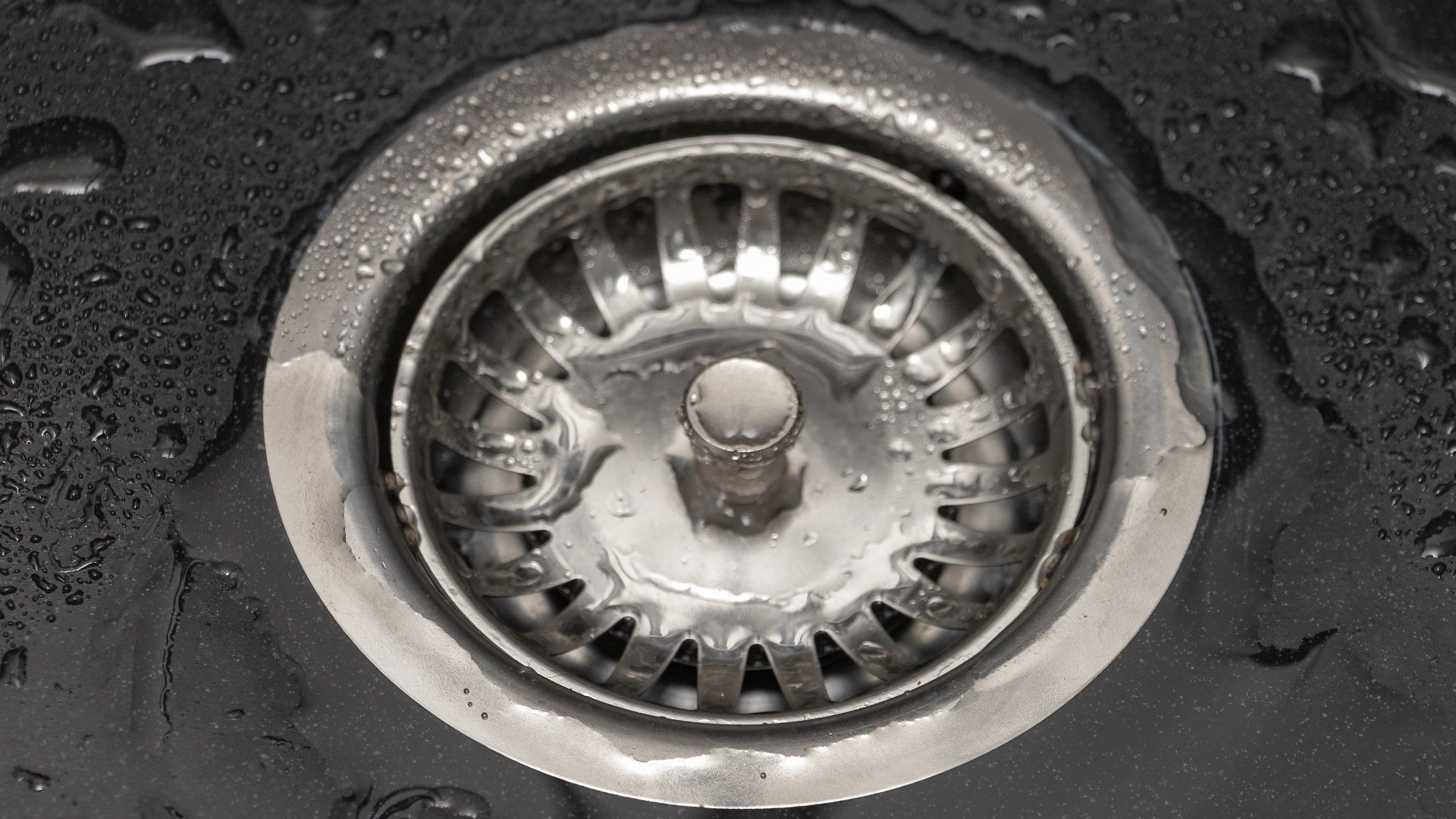
Use drain covers to catch food scraps and prevent clogs. Covers stop debris from going down the drain and causing odors. Clean covers regularly to keep them effective.
Choose covers that fit tightly and are easy to remove. Rinse them after each use and wash with soap weekly. This stops waste buildup and keeps odors away.
- Pick snug-fitting drain covers
- Empty trapped food scraps often
- Wash covers with soap weekly
- Replace damaged covers promptly
Tools And Products To Use
Cleaning kitchen sinks and drains needs the right tools and products. Using proper items helps remove grime and keeps drains clear.
Choose tools that fit your sink type and cleaning style. Safe products protect your pipes and the environment.
Scrub Brushes And Sponges
Scrub brushes and sponges clean sink surfaces well. They remove stuck-on food and stains without damaging the sink.
Use brushes with firm bristles for tough spots. Soft sponges work best for gentle cleaning and wiping.
- Choose non-scratch brushes for delicate surfaces
- Use sponges with scrubber sides for extra cleaning power
- Replace sponges often to avoid bacteria buildup
Eco-friendly Cleaners
Eco-friendly cleaners are safe for your family and pipes. They use natural ingredients to break down grease and dirt.
Look for cleaners made with baking soda, vinegar, or citrus oils. These products clean well and reduce chemicals in your home.
- Baking soda removes odors and cleans surfaces
- Vinegar dissolves mineral buildup and grease
- Citrus oils leave a fresh scent and cut grease
Drain Cleaning Tools
Drain cleaning tools help clear clogs and keep pipes flowing. They come in different types for various drain sizes.
Use tools carefully to avoid pipe damage. Regular cleaning prevents tough blockages and bad smells.
- Plungers create suction to dislodge clogs
- Drain snakes reach deep blockages and break them up
- Drain brushes scrub pipe walls to remove buildup
Credit: www.tomsguide.com
Frequently Asked Questions
How Often Should I Clean My Kitchen Sink And Drains?
Clean kitchen sinks and drains at least once a week. Regular cleaning prevents buildup of grease, food particles, and bacteria. It maintains hygiene and keeps drains flowing smoothly. Weekly cleaning helps avoid unpleasant odors and costly clogs.
What Natural Products Clean Kitchen Sinks Effectively?
Baking soda and vinegar are great natural cleaners for sinks. Sprinkle baking soda, then pour vinegar to create fizz. Let it sit for 10 minutes, then scrub and rinse. This combo removes stains, kills germs, and deodorizes drains safely.
How Can I Prevent Kitchen Drain Clogs?
Avoid pouring grease, oil, and food scraps down drains. Use drain strainers to catch debris. Flush drains regularly with hot water to clear minor blockages. These steps help keep drains clear and reduce the risk of clogs.
Is Bleach Safe For Cleaning Kitchen Sinks And Drains?
Use bleach sparingly and dilute it properly when cleaning sinks. Bleach kills germs effectively but can damage pipes if overused. Rinse thoroughly after use to avoid residue. Prefer natural cleaners for frequent use to protect plumbing.
Conclusion
Cleaning kitchen sinks and drains keeps your home fresh and safe. Regular care stops clogs and bad smells. Use simple tools and natural cleaners for best results. Small habits make a big difference over time. Keep your kitchen sink clean to enjoy a healthy space.
Try these tips and see the change yourself. Clean sinks help your kitchen work better every day. Don’t forget to clean often and stay consistent. Your kitchen will thank you with less mess and trouble. Easy steps, great results—simple and smart.