
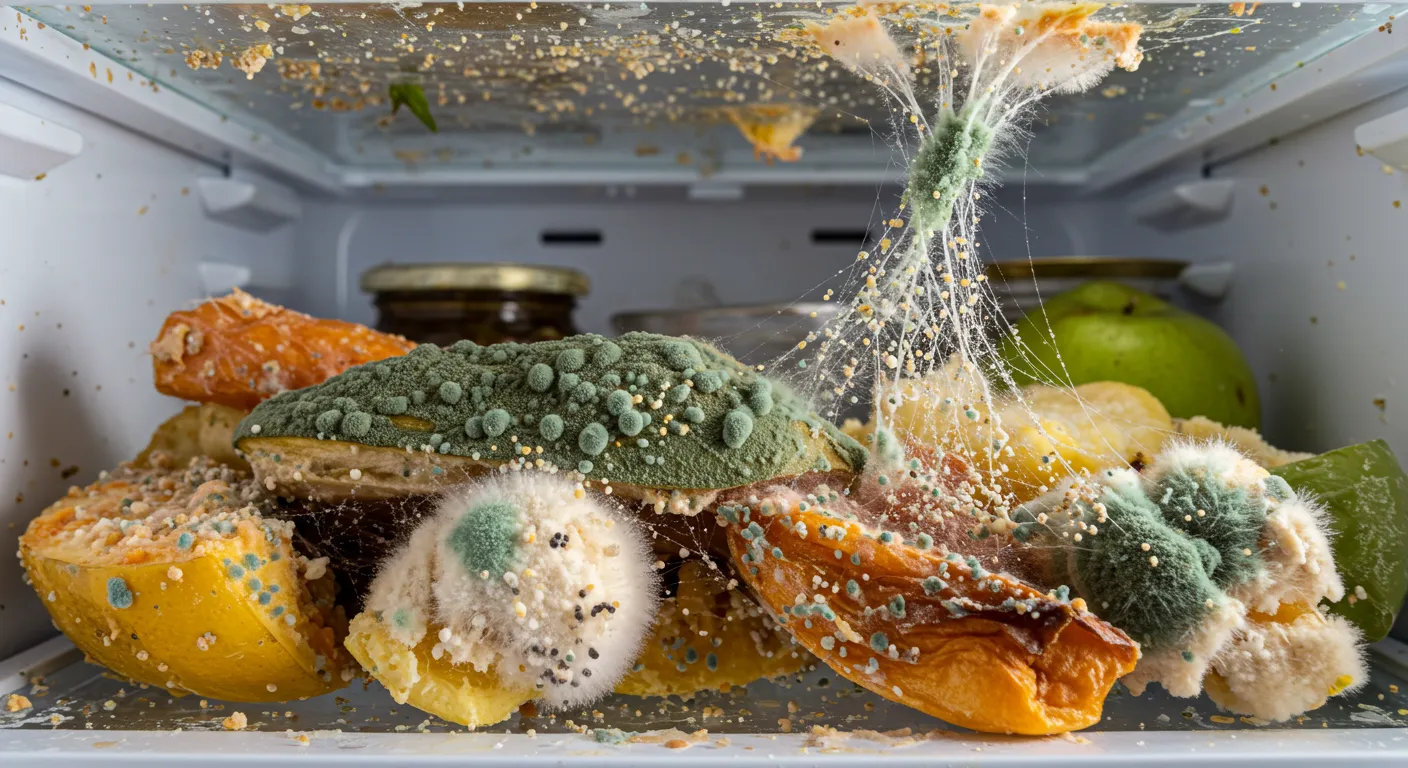
Your fridge is supposed to keep your food fresh and safe, but what happens when mold and bacteria start growing inside it? This not only spoils your groceries but can also harm your health.
You might think cleaning your fridge is a hassle, but with a few simple steps, you can stop mold and bacteria from taking over your fridge compartments. Keep reading, and you’ll discover easy, practical tips that will protect your food and make your fridge a cleaner, safer place.
Don’t let hidden germs ruin your meals—take control now!
Causes Of Mold And Bacteria Growth
Mold and bacteria can thrive in fridge compartments. Understanding their causes helps in preventing them.
Here are key factors that contribute to their growth and how to address them.
Moisture And Humidity
Moisture in the fridge is a prime cause of mold. Humidity levels can rise from frequent door openings.
Water condensation in the fridge creates a breeding ground for bacteria.
- Keep the fridge door closed as much as possible.
- Ensure the fridge seals are intact.
- Use containers to limit moisture exposure.
Food Residue And Spills
Leftover food particles encourage bacteria. Spills can also lead to mold if not cleaned promptly.
Regular cleaning is essential to prevent bacteria growth in the fridge.
- Wipe spills immediately.
- Clean shelves weekly with mild detergent.
- Check for expired food regularly.
Temperature Fluctuations
Constant temperature changes can affect food safety. Bacteria multiply when temperatures rise.
Consistent cool temperatures help keep bacteria at bay.
- Set the fridge to a stable temperature, around 37°F (3°C).
- Avoid overloading the fridge.
- Check temperature settings regularly.
Poor Air Circulation
Poor airflow can trap moisture, leading to mold. A well-ventilated fridge is less likely to harbor bacteria.
Good circulation keeps the fridge environment fresh and healthy.
- Do not block air vents with food.
- Arrange food to allow air to circulate.
- Regularly check and clean air vents.
Daily Habits To Keep Fridge Clean
Keeping your fridge clean helps stop mold and bacteria from growing. Small daily habits make a big difference.
These simple actions keep your food safe and your fridge fresh. They also save time on deep cleaning later.
Wiping Spills Immediately
Clean spills as soon as they happen. This stops mold and bacteria from spreading quickly.
Use a clean cloth or paper towel. Wipe the fridge shelves and walls gently but thoroughly.
Using Airtight Containers
Store food in airtight containers to stop moisture and air from entering. This lowers mold growth.
Airtight containers keep food fresh longer and prevent odors from mixing inside the fridge.
- Use plastic or glass containers with tight lids
- Seal leftovers and opened packages well
- Label containers with dates for easy tracking
Regularly Checking Expiry Dates
Check food expiry dates every few days. Throw away expired items to avoid mold and bacteria.
Old food can spoil and spread germs to other items. Keep your fridge safe by removing it on time.
Deep Cleaning Techniques
Cleaning your fridge deeply helps stop mold and bacteria from growing. Regular cleaning keeps your food safe.
Use careful steps to clean shelves, choose natural cleaners, and disinfect safely. This keeps your fridge fresh.
Removing And Washing Shelves
Take out all shelves and drawers before cleaning. Remove any food and debris first.
Wash shelves with warm water and soap. Use a soft cloth or sponge to avoid scratches.
- Take shelves out carefully
- Use warm water and mild soap
- Scrub gently with a soft cloth
- Rinse well and dry fully before replacing
Using Natural Cleaning Agents
Natural cleaners like vinegar and baking soda kill germs and remove odors. They are safe and easy to use.
Mix vinegar with water or sprinkle baking soda on dirty areas. Let it sit, then wipe clean with a cloth.
- Vinegar breaks down mold and bacteria
- Baking soda helps remove smells and grime
- Both are non-toxic and safe for food areas
- Use cloth or sponge to apply and clean
Disinfecting With Safe Chemicals
Use safe disinfectants like diluted bleach or commercial fridge cleaners. Follow instructions carefully.
Apply disinfectant after cleaning shelves and surfaces. Let it sit a few minutes, then wipe dry to kill germs.
- Dilute bleach with water (1 tablespoon per gallon)
- Use spray or cloth to apply disinfectant
- Do not mix bleach with other chemicals
- Always air dry or wipe completely dry
Credit: www.lemon8-app.com
Proper Food Storage Tips
Keeping your fridge clean helps stop mold and bacteria from growing. Storing food the right way keeps it fresh longer.
Follow simple storage tips to protect your food and your health. Proper storage lowers the risk of food poisoning.
Separating Raw And Cooked Foods
Raw foods can have harmful bacteria that spread to cooked foods. Keep raw meat, fish, and poultry away from cooked items.
Use separate containers or shelves for raw and cooked foods. This stops cross-contamination and keeps your food safe.
- Store raw meat in sealed containers at the bottom shelf
- Keep cooked foods covered and on upper shelves
- Clean spills immediately to avoid bacteria growth
Storing Fruits And Vegetables Correctly
Fruits and vegetables need different storage conditions. Some need cold, others do better in cool, dry places.
Keep fruits and vegetables separate to avoid fast spoilage. Use the right fridge compartments to keep them fresh longer.
- Store leafy greens in perforated bags for air flow
- Keep fruits like apples away from vegetables to prevent gas damage
- Use the crisper drawers for humidity control
Avoiding Overpacking
Overpacking your fridge blocks air flow. Poor air flow causes uneven cooling and mold growth.
Leave space between items so cold air can move freely. This keeps all foods at the right temperature.
- Do not stack too many items tightly together
- Organize food by size and type for better air flow
- Check fridge temperature regularly to keep it steady
Maintaining Optimal Fridge Conditions
Keeping your fridge clean and fresh helps stop mold and bacteria growth. Proper fridge care keeps your food safe and healthy to eat.
Maintaining the right conditions inside your fridge is key. This guide covers simple ways to keep your fridge compartments clean and safe.
Setting The Right Temperature
Set your fridge temperature between 35°F and 38°F (1.7°C to 3.3°C). This range slows the growth of mold and bacteria.
Too warm temperatures allow bacteria to grow fast. Too cold can freeze and damage food.
- Use a fridge thermometer to check the temperature.
- Adjust the thermostat if temperatures are too high or low.
- Keep the fridge closed to maintain steady temperature.
Ensuring Good Ventilation
Good airflow inside the fridge helps control moisture. Moist areas promote mold and bacteria growth.
Keep vents clear and avoid overcrowding your fridge. This helps air move freely and keeps the fridge dry.
- Do not block air vents with food containers.
- Leave space between items for air circulation.
- Regularly clean fridge vents and shelves.
Regularly Inspecting Door Seals
Door seals keep cold air inside and stop warm air from entering. Damaged seals let moisture in, causing mold and bacteria.
Check seals often for cracks or dirt. Clean seals with mild soap and water to keep them tight and effective.
- Look for gaps or tears in the rubber seals.
- Replace seals if they are broken or no longer stick well.
- Wipe seals dry after cleaning to avoid moisture build-up.
Preventive Tools And Products
Keeping your fridge clean helps stop mold and bacteria growth. Using the right tools and products makes a big difference.
These items help control moisture and keep the fridge fresh. They reduce the chances of harmful germs spreading.
Using Dehumidifiers Or Moisture Absorbers
Moisture in the fridge creates a perfect place for mold to grow. Dehumidifiers and moisture absorbers reduce dampness inside.
These products keep air dry and stop water droplets from forming. They are easy to place in fridge compartments.
- Silica gel packs absorb excess moisture
- Activated charcoal helps reduce odors and humidity
- Small electric dehumidifiers remove moisture automatically
Antimicrobial Liners And Mats
Antimicrobial liners and mats stop bacteria and mold from growing on fridge shelves. They provide a clean surface for food.
These liners are easy to clean and replace. They also protect the fridge from spills and stains.
- Choose liners with built-in antimicrobial agents
- Use mats that fit fridge compartments properly
- Clean or replace liners regularly to keep them effective
Natural Mold Inhibitors
Natural mold inhibitors help prevent mold without chemicals. They are safe to use around food and in the fridge.
These products use natural substances to stop mold spores from growing and spreading.
- Baking soda absorbs odors and moisture
- Vinegar cleans surfaces and kills mold spores
- Essential oils like tea tree or eucalyptus have antifungal properties
Signs Of Mold And Bacteria Infestation
Mold and bacteria can grow inside fridge compartments if not cleaned regularly. They cause health risks and food spoilage.
Knowing the signs helps you spot problems early and keep your fridge clean and safe.
Visual Indicators
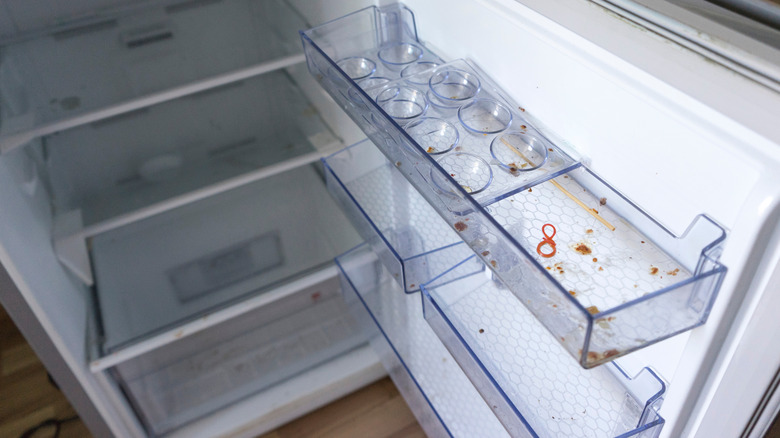
You can often see mold or bacteria in your fridge. Look closely at corners, shelves, and seals.
Mold looks like fuzzy or slimy spots in green, black, white, or gray colors. Bacteria may appear as slimy layers or discoloration.
- Dark or green patches on shelves or walls
- White or gray fuzzy spots on rubber seals
- Sticky or slimy buildup in corners or drawers
- Discolored or stained areas on plastic or glass
Unpleasant Odors
Mold and bacteria cause bad smells inside the fridge. These odors are usually sour, musty, or rotten.
Check your fridge for unusual smells that do not go away after cleaning or removing old food.
- Musty or damp smell like wet clothes
- Sour or acidic odor similar to vinegar
- Rotten or decayed smell like spoiled food
- Persistent bad smell even after cleaning
Food Spoilage Patterns
Mold and bacteria cause food to spoil faster. Notice changes in texture, color, or taste.
Some foods grow visible mold spots or become slimy, indicating contamination in the fridge.
- Fruits and vegetables showing fuzzy spots or dark patches
- Dairy products with sour smell or curdled texture
- Meat or fish turning slimy or discolored
- Leftovers developing unusual colors or textures
Credit: www.thetakeout.com
Handling Mold And Bacteria Safely
Mold and bacteria can grow in fridge compartments if not cleaned well. They cause bad smells and may harm your health. It is important to handle them carefully.
Using the right safety steps helps stop the spread of germs. You can keep your fridge clean and safe by following simple rules.
Protective Gear To Use
Wear gloves to keep your hands safe from mold and bacteria. Use a mask to avoid breathing in spores. Eye protection helps stop irritation.
- Rubber or latex gloves
- Face mask or respirator
- Safety goggles or glasses
- Old clothes that cover your skin
Always wash your hands well after cleaning the fridge. This prevents germs from spreading to other places.
Disposal Of Contaminated Items
Throw away food that has mold or smells bad. Do not try to clean moldy food because it can still be harmful. Use sealed bags to discard these items.
- Check food for mold or bad smell
- Seal contaminated food in plastic bags
- Place bags in outdoor trash bins
- Clean trash bins regularly to avoid germs
Clean containers and shelves after removing bad items. Use a mix of water and vinegar or mild bleach for cleaning.
When To Call Professionals
Call experts if mold covers a large area or returns often. Professionals have tools and knowledge to remove mold safely. They can check if your fridge is damaged.
- Mold grows over 10 square feet
- Repeated mold problems despite cleaning
- Health problems after exposure
- Fridge parts are broken or leaking
Getting help early can stop mold from spreading to other parts of your home.

Credit: yorlenyscleaningservice.com
Frequently Asked Questions
How Often Should I Clean Fridge Compartments?
Clean fridge compartments every 1 to 2 weeks to prevent mold and bacteria growth. Regular cleaning removes food spills and moisture, which cause contamination. Use mild detergent and warm water for effective cleaning without damaging surfaces.
What Temperature Prevents Mold In Fridge Compartments?
Keep your fridge temperature at or below 40°F (4°C). This temperature slows bacterial and mold growth. Use a fridge thermometer to monitor and adjust settings for optimal food safety.
How To Store Food To Avoid Mold In Fridge?
Store food in airtight containers to limit moisture and air exposure. Separate raw and cooked foods to prevent cross-contamination. Regularly check and discard expired items to maintain a clean environment.
Can Vinegar Prevent Mold In Fridge Compartments?
Yes, vinegar is a natural mold inhibitor. Wipe fridge compartments with a solution of equal parts vinegar and water. Vinegar’s acidity kills mold spores and prevents future growth without harmful chemicals.
Conclusion
Keeping your fridge clean stops mold and bacteria growth. Regularly wipe shelves and compartments with mild soap. Store food in sealed containers to avoid spills. Check for expired items and throw them away. Keep the fridge temperature below 40°F (4°C).
Clean spills immediately to prevent germs from spreading. Dry damp areas to stop mold from forming. Small efforts daily help keep your fridge fresh and safe. A clean fridge means healthier food and less waste. Simple steps make a big difference in your kitchen.