
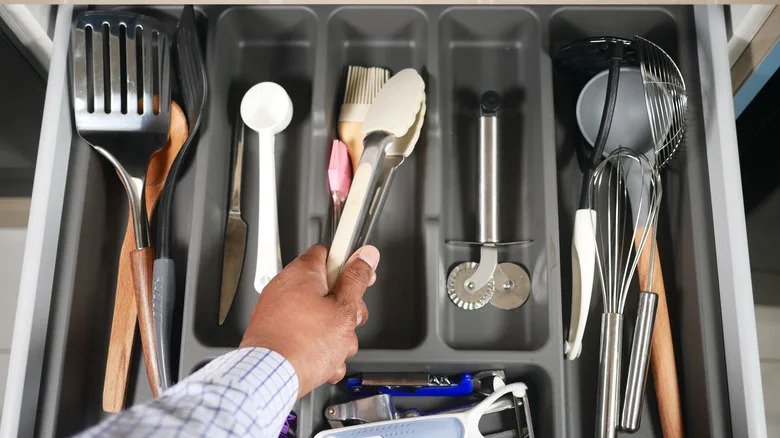
Are you sure your utensils and knives are truly clean? Simply washing them with soap and water might not be enough to keep harmful germs away.
Properly sanitizing your kitchen tools is key to protecting your health and preventing foodborne illnesses. You’ll discover easy, effective methods to sanitize your utensils and knives right at home. By the end, you’ll feel confident that your kitchen is safer and your meals healthier.
Keep reading to learn how a few simple steps can make a big difference for you and your family.
Credit: www.victorinox.com
Importance Of Sanitizing Utensils
Sanitizing utensils and knives is crucial for a safe kitchen. It helps keep your family healthy by removing harmful germs.
Clean utensils can prevent many issues. They play a big role in maintaining food safety and hygiene.
Preventing Foodborne Illness
Foodborne illness can make you very sick. Germs on dirty utensils can spread to food easily.
Sanitizing stops these germs. It lowers the risk of illness and keeps meals safe.
- Wash utensils with hot, soapy water
- Use a sanitizing solution or dishwasher
- Dry them completely before use
Reducing Cross-contamination
Cross-contamination happens when germs move from one item to another. It often occurs in kitchens with dirty utensils.
Sanitizing knives and tools helps avoid this. It keeps germs from spreading to other foods.
- Use separate utensils for raw and cooked foods
- Clean knives after each use
- Store sanitized items in clean areas
Maintaining Kitchen Hygiene
Kitchen hygiene is about keeping everything clean. Sanitizing utensils is a big part of this.
A clean kitchen is more pleasant and safe. It reduces the chance of accidents and health issues.
| Task | Frequency |
| Sanitize utensils | Daily |
| Check for cleanliness | Before use |
| Replace worn items | As needed |
Types Of Utensils And Knives
Sanitizing utensils and knives is important to keep your kitchen clean and safe. Different types of utensils and knives need different care. Knowing their materials helps you clean them properly.
This guide explains common kitchen utensils, knife materials, and special care items. Learning about these will help you sanitize everything correctly and avoid damage.
Common Kitchen Utensils
Kitchen utensils include spoons, spatulas, tongs, whisks, and ladles. They come in many materials like plastic, metal, and wood. Each material needs proper cleaning to avoid germs and damage.
Plastic and metal utensils can usually be washed with hot soapy water or put in a dishwasher. Wooden utensils need gentle cleaning and drying to prevent cracks and bacteria.
- Spoons and forks
- Spatulas and turners
- Tongs and whisks
- Ladles and serving spoons
- Peelers and graters
Different Knife Materials
Knives come in many materials like stainless steel, carbon steel, ceramic, and coated blades. Each type needs different cleaning methods to stay sharp and safe.
Stainless steel knives resist rust and are easy to clean. Carbon steel knives can rust and need drying after washing. Ceramic knives are sharp but brittle and should not be scrubbed hard.
| Knife Material | Cleaning Tips |
|---|---|
| Stainless Steel | Wash with warm soapy water, dry immediately |
| Carbon Steel | Clean gently, dry quickly to avoid rust |
| Ceramic | Use mild detergent, avoid hard scrubbing |
| Coated Blades | Hand wash only, avoid dishwasher |
Special Care Items
Some utensils and knives need extra care. Items with wooden handles, non-stick coatings, or delicate parts require gentle cleaning and drying. This keeps them safe and lasts longer.
Always avoid soaking wooden items for a long time. Use soft cloths or sponges. Do not use harsh chemicals or scrubbers on special items.
- Wooden handled knives and utensils
- Non-stick coated utensils
- Knives with decorative or fragile handles
- Electric or battery-operated utensils
Basic Cleaning Techniques
Cleaning utensils and knives properly is important for safety. Dirt and germs can cause illness.
Good cleaning stops bacteria from spreading in your kitchen. It keeps food safe to eat.
Washing With Soap And Water
Use warm water and soap to clean utensils and knives. Soap helps remove grease and dirt.
Scrub all surfaces carefully, including handles and edges. Clean every part to remove food particles.
- Apply dish soap to a sponge or cloth
- Scrub utensils and knives well
- Rinse with clean water
Using Hot Water For Cleaning
Hot water kills many germs on kitchen tools. Use water that is as hot as you can safely handle.
Rinse utensils and knives with hot water after washing. This helps make them more sanitary.
- Use water above 110°F (43°C) if possible
- Rinse for at least 10 seconds
- Be careful to avoid burns
Drying Properly
Dry utensils and knives well to stop germs from growing. Wet surfaces can hold bacteria.
Use a clean towel or air dry on a rack. Make sure tools are completely dry before storing.
- Wipe with a clean, dry cloth
- Or place on a drying rack
- Store only when fully dry

Credit: www.delish.com
Effective Sanitizing Methods
Sanitizing utensils and knives helps keep your kitchen safe. It removes germs that can cause illness.
Use the right method to clean your tools well. Here are some easy and effective ways.
Boiling Water Method
Boiling water kills most germs on utensils and knives. It is a simple and natural way to sanitize.
Place your clean items in boiling water for at least 10 minutes. Use tongs to remove them safely.
- Make sure water covers the items completely
- Boil for 10 minutes to kill bacteria and viruses
- Let items dry on a clean towel after removing
Bleach Solution Technique
Bleach kills many harmful germs quickly. Use a safe bleach solution for sanitizing utensils and knives.
Mix 1 tablespoon of bleach with 1 gallon of water. Soak the items for at least 1 minute, then rinse well.
- Use unscented, regular household bleach
- Wear gloves to protect your skin
- Rinse items with clean water after soaking
- Air dry on a clean surface
Using Vinegar And Baking Soda
Vinegar and baking soda create a natural cleaning mix. This helps remove dirt and some germs from utensils and knives.
Sprinkle baking soda on the items, then spray vinegar. Let it fizz for a few minutes before rinsing well.
- Baking soda scrubs off food and stains
- Vinegar kills some bacteria and deodorizes
- Rinse thoroughly with warm water after cleaning
- Dry with a clean towel or air dry
Commercial Sanitizers
Commercial sanitizers are made for kitchen use. They kill germs safely and quickly on utensils and knives.
Follow the product instructions carefully. Usually, you spray or soak items, then rinse or air dry.
- Choose sanitizers safe for food contact surfaces
- Check the contact time needed to kill germs
- Rinse items if the label says so
- Store sanitizer properly to keep it effective
Sanitizing Wooden Vs. Metal Utensils
Keeping utensils clean is important for food safety. Wooden and metal utensils need different care to stay safe and last long.
Sanitizing removes germs and food particles. Using the right method helps avoid damage to your utensils.
Care For Wooden Utensils
Wooden utensils can absorb water and bacteria if not cleaned properly. Avoid soaking them for a long time.
Use mild soap and warm water to wash wooden utensils. Dry them quickly with a towel to prevent cracking.
- Wash by hand only
- Do not soak in water
- Use vinegar or baking soda to sanitize
- Dry immediately after washing
Care For Metal Utensils
Metal utensils are strong and can handle more water and heat. They clean easily in the dishwasher or by hand.
To sanitize metal utensils, use hot water and soap. You can also soak them in a bleach solution for a short time.
- Use dishwasher or hand wash
- Soak in hot water with soap
- Use diluted bleach to sanitize if needed
- Dry thoroughly to prevent rust
Avoiding Damage During Sanitizing
Harsh chemicals and long soaking can ruin utensils. Wooden items can crack, and metal ones can rust or dull.
Use gentle cleaning products. Dry utensils well after cleaning to keep them safe and strong.
- Do not soak wooden utensils for hours
- Avoid strong bleach on wood
- Dry metal utensils to stop rust
- Use soft sponges to avoid scratches
Knife Sanitizing Tips
Keeping knives clean and sanitized is important for safety and food quality. Proper sanitizing stops germs from spreading.
Use simple steps to handle, clean, sharpen, and store your knives well. This keeps them sharp and safe to use.
Safe Handling And Cleaning
Always handle knives with care to avoid injuries. Clean knives right after use to stop bacteria growth.
Wash knives separately using hot, soapy water. Use a sponge or brush to clean blades and handles thoroughly.
- Rinse knives with clean water after washing
- Sanitize blades with a solution of one tablespoon bleach in one gallon water
- Air dry knives on a clean rack or use a clean towel
Sharpening And Maintenance
Keep knives sharp for better cutting and less risk of slipping. Dull knives can cause accidents.
Use a sharpening stone or rod regularly. Check blades for damage and fix or replace if needed.
- Sharpen knives at a 20-degree angle
- Clean knives after sharpening to remove metal particles
- Oil wooden handles to keep them from drying out
Storing After Sanitizing
Store knives safely to keep them clean and avoid accidents. Use holders or magnetic strips for storage.
Make sure knives are completely dry before storing. Moisture can cause rust and dull the blade.
- Keep knives in a clean, dry place
- Avoid storing knives loose in drawers
- Use blade guards if storing knives in drawers
Sanitizing Frequency And Best Practices
Keeping utensils and knives clean is important to stop germs from spreading. Proper sanitizing helps keep food safe and kitchens healthy.
Knowing when and how often to sanitize helps keep tools ready for use. Follow simple steps to keep everything clean and safe.
When To Sanitize Utensils
Sanitize utensils and knives after they touch raw food like meat or fish. This stops bacteria from spreading.
Also, clean tools after handling different food types to avoid cross-contamination. Always sanitize before using on ready-to-eat foods.
- After cutting raw meat or fish
- After contact with raw eggs or dairy
- Before using on cooked or ready-to-eat food
- When switching between different food types
- After any visible dirt or residue
Daily Vs. Deep Cleaning
Daily cleaning removes food and dirt from utensils. Use hot water and soap for this step every day.
Deep cleaning kills germs and bacteria. Do this at least once a week or after heavy use. It may include soaking tools in sanitizer.
- Daily cleaning: wash with soap and hot water
- Deep cleaning: soak in sanitizer or use dishwasher
- Dry utensils fully before storing
- Check knives for rust or damage during deep clean
Tips For Busy Kitchens
In busy kitchens, sanitize often to keep up with fast work. Use easy tools like sanitizing sprays or wipes for quick cleaning.
Train staff to clean as they go. Keep sanitizing stations near work areas. This saves time and keeps tools safe.
- Sanitize utensils between tasks quickly
- Use dishwasher for fast deep cleaning
- Keep sanitizer near prep stations
- Train staff to clean tools regularly
- Have backup utensils to use during cleaning
Common Mistakes To Avoid
Sanitizing utensils and knives is important for keeping food safe. Many people make simple mistakes that reduce cleaning effectiveness.
Understanding these common errors helps you keep your kitchen tools clean and safe for use.
Skipping Sanitizing Steps
Some people skip steps like soaking or rinsing after washing. This leaves germs and food residue on utensils and knives.
Each step in sanitizing is needed to kill bacteria and remove dirt. Skipping any step can cause cross-contamination.
- Always wash with soap and water first.
- Rinse thoroughly to remove soap and debris.
- Use a sanitizing solution or heat to kill germs.
- Do not skip drying after sanitizing.
Using Wrong Cleaning Agents
Using harsh chemicals or wrong cleaners can damage utensils and knives. Some agents leave harmful residues behind.
Choose cleaning products made for kitchen tools. Avoid bleach or strong detergents on sharp knives.
- Use mild dish soap for washing.
- Use food-safe sanitizers for disinfecting.
- Never use abrasive cleaners on knife blades.
- Check labels to confirm safety for kitchen use.
Improper Drying
Leaving utensils and knives wet or storing them in damp places causes bacteria growth. Moisture encourages rust on knives.
Dry tools completely with a clean towel or air dry before storing. Proper drying stops germs and keeps tools in good shape.
- Use a clean, dry cloth to wipe utensils and knives.
- Allow tools to air dry fully before putting away.
- Store knives in dry holders or blocks.
- Do not stack wet utensils together.
Credit: www.dceastleigh.org
Frequently Asked Questions
How Often Should I Sanitize Kitchen Utensils And Knives?
Sanitize utensils and knives after every use to prevent bacteria build-up. Regular sanitization ensures food safety and avoids cross-contamination. Frequent cleaning maintains hygiene and extends the lifespan of your kitchen tools.
What Is The Best Method To Sanitize Knives Safely?
Use hot, soapy water to clean knives first. Then soak them in a bleach solution or use a food-safe sanitizer. Always rinse well and air dry to avoid rust and maintain sharpness.
Can I Sanitize Utensils In A Dishwasher Effectively?
Yes, most dishwashers sanitize utensils using high temperatures. Use the sanitize cycle if available. Ensure utensils are dishwasher-safe and arranged properly for thorough cleaning and sanitizing.
Is Boiling Water Effective For Sanitizing Kitchen Tools?
Boiling water kills most bacteria and viruses on utensils and knives. Submerge items for at least one minute for effective sanitization. This method is chemical-free and safe for most heat-resistant kitchen tools.
Conclusion
Sanitizing utensils and knives keeps your kitchen safe and clean. Use hot water and soap to remove dirt and germs. Soak items in a safe sanitizer to kill bacteria. Rinse well and dry completely before storing. Clean tools help prevent food sickness and keep meals fresh.
Make sanitizing a regular habit for your health. Simple steps bring big benefits in kitchen safety. Stay careful, stay healthy.