
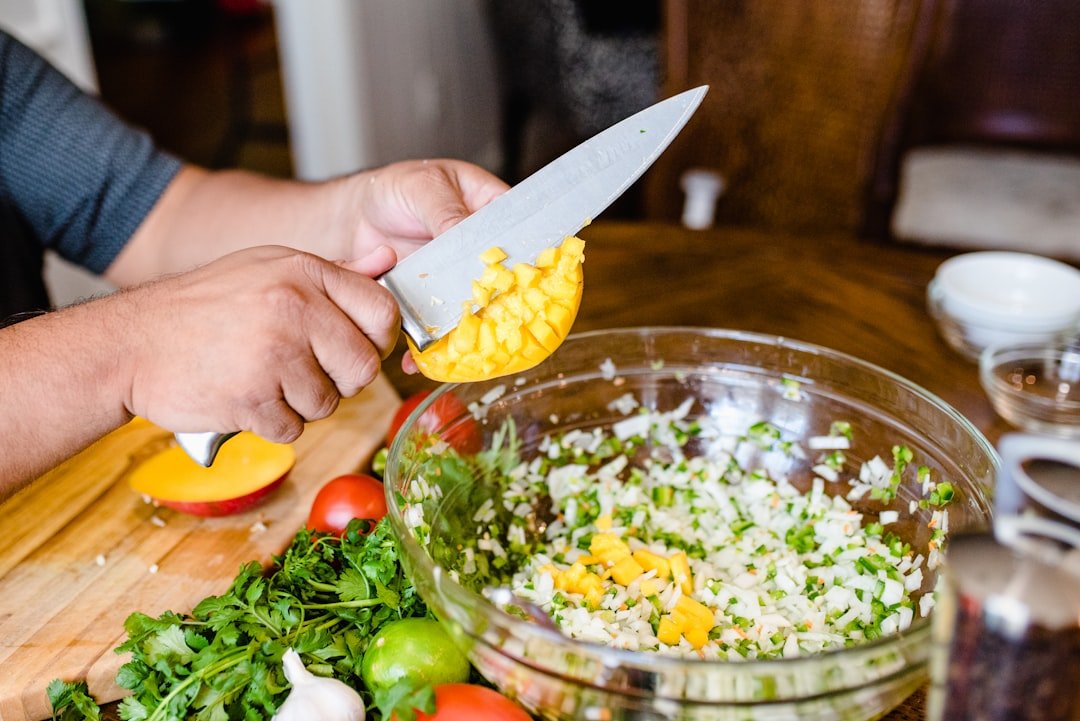
When you prepare meals, keeping your food safe is more important than you might think. One small mistake can lead to foodborne illnesses that spoil your hard work and put your health at risk.
But don’t worry—by following a few simple tips, you can protect yourself and your loved ones every time you cook. Ready to learn how to handle food safely and enjoy your meals without worry? Keep reading, and discover easy steps that make a big difference in your kitchen.

Credit: www.youtube.com
Cleanliness First
Safe food handling starts with cleanliness. It prevents foodborne illnesses. Keeping surfaces, hands, and dishes clean is vital.
Let’s explore the best practices for maintaining cleanliness during meal prep.
Hand Washing Techniques
Proper hand washing is crucial before and during meal prep. It stops germs from spreading to food.
- Use warm water and soap.
- Scrub hands for at least 20 seconds.
- Clean under nails and between fingers.
- Rinse thoroughly and dry with a clean towel.
Sanitizing Surfaces
Surfaces should be sanitized before and after food preparation. This reduces the risk of contamination.
Use a bleach solution or disinfectant. Ensure it is safe for kitchen use.
- Clean countertops after handling raw meat.
- Sanitize cutting boards after each use.
- Wipe down kitchen appliances regularly.
Proper Dishwashing
Dishwashing removes food residues and bacteria. It’s essential for food safety.
Use hot water and dish soap. Rinse thoroughly to ensure cleanliness.
- Wash dishes immediately after use.
- Use a brush or scrubber for tough stains.
- Air dry dishes or use a clean towel.

Credit: www.youtube.com
Safe Food Storage
Storing food safely helps prevent germs that cause sickness. Proper storage keeps food fresh longer.
Good habits protect your family during meal prep and after cooking.
Refrigeration Guidelines
Keep your fridge at 40°F (4°C) or below. This slows bacteria growth on food.
Store leftovers in shallow containers to cool food quickly. Do not overfill the fridge.
- Check fridge temperature weekly.
- Do not leave food out over 2 hours.
- Use or freeze leftovers within 3-4 days.
Separating Raw And Cooked Foods
Keep raw meat, poultry, and seafood away from cooked foods. This stops harmful germs from spreading.
Use separate cutting boards and containers for raw and cooked items to avoid cross-contamination.
- Store raw foods on lower shelves in the fridge.
- Keep cooked foods covered on higher shelves.
- Wash hands and surfaces after handling raw food.
Using Airtight Containers
Airtight containers keep food fresh by blocking air and moisture. They also stop odors from mixing.
Use clear containers to see what is inside. Label them with dates to track freshness.
- Choose containers that seal tightly.
- Use different sizes for different foods.
- Clean containers before reuse.
Preventing Cross-contamination
Cross-contamination happens when harmful germs spread from one food to another. This can cause foodborne illnesses. It is important to keep foods separate during meal prep.
Using safe food handling tips helps stop germs from spreading. This keeps your meals safe and healthy to eat.
Using Separate Cutting Boards
Use different cutting boards for raw meat, vegetables, and cooked foods. This prevents germs from raw meat spreading to other foods.
Color-coded cutting boards help you remember which one to use. Clean boards well after each use with hot, soapy water.
- Red board for raw meat
- Green board for vegetables
- Blue board for cooked foods
Handling Raw Meat Safely
Keep raw meat separate from other foods. Store it on the bottom shelf in the fridge to avoid drips on other items.
Wash your hands with soap before and after touching raw meat. Use clean plates and utensils for cooked meat to avoid germs.
Avoiding Shared Utensils
Do not use the same utensils for raw and cooked foods. Using shared utensils can spread harmful bacteria easily.
Keep separate sets of knives, forks, spoons, and tongs for raw and cooked food. Clean utensils thoroughly after each use.
Credit: www.nytimes.com
Cooking Temperatures
Cooking food at the right temperature keeps it safe to eat. It kills harmful germs that cause illness.
Using the correct temperature also keeps food tasty and moist. This helps you enjoy your meals more.
Using A Food Thermometer
A food thermometer shows the exact temperature inside your food. It is the best way to check if food is cooked.
Insert the thermometer into the thickest part of the food. Avoid touching bones or the cooking pan for a correct reading.
- Clean the thermometer before and after each use.
- Use a digital or instant-read thermometer for quick results.
- Check the temperature in several places for large items.
Safe Internal Temperatures
Different foods need different safe cooking temperatures to kill bacteria. Always cook foods to their safe temperatures.
| Food Type | Safe Internal Temperature (°F) |
|---|---|
| Chicken, Turkey (whole or ground) | 165°F (74°C) |
| Beef, Pork, Lamb (steaks, roasts, chops) | 145°F (63°C) + rest for 3 minutes |
| Ground Meat (beef, pork, lamb) | 160°F (71°C) |
| Fish and Shellfish | 145°F (63°C) |
| Egg Dishes | 160°F (71°C) |
Avoiding Undercooked Foods
Undercooked food may carry germs that cause food poisoning. Always cook food fully before eating.
Do not guess cooking times or look only at color. Use a thermometer to be sure food is done.
- Check thick parts of meat for proper temperature.
- Avoid stuffing meat too tightly; heat must reach inside.
- Reheat leftovers to 165°F (74°C) before eating.
- Keep hot food hot and cold food cold to stop bacteria growth.
Thawing Food Safely
Thawing food properly keeps it safe to eat. It stops harmful bacteria from growing.
Use safe methods to thaw food before cooking. This helps keep your meals healthy.
Refrigerator Thawing
Place frozen food in the fridge to thaw. It stays cold enough to prevent bacteria growth.
This method takes time. Plan ahead and thaw food a day before cooking.
- Keep food in its original packaging
- Place on a plate to catch drips
- Thaw large items like turkeys for several days
Cold Water Method
Seal food in a leak-proof bag. Submerge it in cold water to thaw faster.
Change the water every 30 minutes. This keeps the water cold and safe.
- Use only cold water, not warm or hot
- Cook food immediately after thawing
- Do not leave food out for more than two hours
Microwave Thawing
Use the microwave’s defrost setting to thaw food quickly. Check the food often.
Cook food right after microwaving. Some parts may start cooking during thawing.
- Remove packaging before microwaving
- Use microwave-safe containers
- Stir or rotate food for even thawing
Proper Food Handling Habits
Safe food handling keeps meals healthy and prevents sickness. Simple habits make a big difference in the kitchen.
Always follow clean and careful steps when preparing food. This helps stop germs from spreading.
Avoiding Touching Face
Touching your face spreads germs to your hands. Avoid touching eyes, nose, and mouth while cooking.
Keep your focus on food and tools to stop face touching. This lowers the chance of contaminating food.
Wearing Gloves When Necessary
Use gloves when handling ready-to-eat foods. Gloves add a clean barrier between your hands and food.
Change gloves often, especially after touching raw meat or dirty surfaces. This stops cross-contamination.
- Wear gloves for salads, sandwiches, and desserts
- Change gloves after handling raw meat or seafood
- Wash hands before putting on gloves
Keeping Nails Short And Clean
Short nails are easier to keep clean. Dirt and germs hide under long nails and can spread to food.
Trim nails regularly and clean under them before cooking. Avoid nail polish or fake nails in food prep.
Managing Leftovers
Leftovers can save time and reduce waste. Proper handling keeps food safe to eat.
Follow simple tips to store, cool, and reheat leftovers safely.
Cooling Food Quickly
Cool food fast to stop bacteria growth. Avoid leaving food at room temperature too long.
Divide large portions into smaller containers. Use shallow containers to help food cool faster.
- Keep hot food out of the danger zone (40°F to 140°F)
- Place containers in the fridge within two hours
- Stir soups or stews to release heat
Reheating Safely
Heat leftovers to at least 165°F (74°C) before eating. This kills harmful bacteria.
Reheat food evenly. Stir or rotate food during heating for best results.
- Use a food thermometer to check temperature
- Microwave food covered to keep moisture
- Do not reheat leftovers more than once
Discarding Old Food
Throw away leftovers that are old or show signs of spoilage. Do not take risks.
Use leftovers within 3 to 4 days. Check for bad smell, color changes, or mold.
- If unsure, throw it out to avoid food poisoning
- Label containers with dates to track freshness
- Keep your fridge clean and organized
Frequently Asked Questions
How Do I Prevent Cross-contamination During Meal Prep?
Always use separate cutting boards for raw meat and vegetables. Wash hands, utensils, and surfaces thoroughly after handling raw foods to avoid spreading bacteria.
What Temperature Should Cooked Food Reach For Safety?
Cook food to the recommended internal temperature: 165°F for poultry, 160°F for ground meats, and 145°F for whole cuts. Use a food thermometer to check.
How Long Can Prepared Food Be Safely Stored?
Store cooked meals in the refrigerator within two hours. Consume leftovers within 3-4 days to prevent foodborne illnesses and maintain freshness.
What Is The Best Way To Thaw Frozen Food Safely?
Thaw food in the refrigerator, cold water, or microwave. Avoid thawing at room temperature to reduce bacterial growth risks.
Conclusion
Safe food handling keeps meals healthy and tasty. Clean hands and surfaces stop germs. Separate raw and cooked foods to avoid mix-ups. Cook food to the right temperature every time. Store leftovers quickly in the fridge. These simple steps protect you and your family.
Enjoy cooking with confidence and peace of mind. Stay safe and make every meal a healthy one.