

Handling poultry safely is more important than you might think. Whether you’re cooking for your family or preparing a meal for friends, knowing the right steps can protect you from harmful bacteria and foodborne illnesses.
Imagine enjoying your favorite chicken dish without worrying about getting sick afterward. You’ll discover simple, practical tips that make poultry handling easy and safe. Keep reading to learn how to protect yourself and those you care about with safe poultry practices.
Choosing Fresh Poultry
Handling poultry safely starts with choosing fresh products. Proper selection reduces the risk of foodborne illnesses.
Always consider appearance, smell, sell-by dates, and trusted sources when buying poultry.
Inspecting Appearance And Smell
Fresh poultry should have a clean, pinkish color. Avoid any discolored meat or green spots.
Smell is important. Fresh poultry should have a mild scent. A strong or sour smell means it is not fresh.
Checking Sell-by Dates
Always check the sell-by date on poultry packaging. This date tells you how long the product will stay fresh.
Buy poultry that has several days left before the sell-by date. This ensures freshness.
Buying From Trusted Sources
Purchase poultry from stores known for good quality and hygiene. Trusted sources ensure better handling and storage of poultry.
Look for stores with good reviews. This can give you confidence in the quality of their products.
- Inspect appearance and smell
- Check sell-by dates
- Buy from trusted sources

Credit: www.food-safety.com
Proper Storage Techniques
Handling poultry safely is important to stop germs from spreading. Proper storage keeps poultry fresh and safe to eat.
Knowing how to store poultry in the fridge or freezer helps keep it safe. It also prevents food waste.
Refrigeration Tips
Keep poultry in the coldest part of the fridge. Use a clean container or sealed plastic bag to stop leaks.
Store raw poultry on the bottom shelf. This stops juices from dripping on other foods and causing contamination.
- Set fridge temperature to 40°F (4°C) or lower
- Use poultry within 1-2 days after buying
- Keep poultry wrapped tightly to avoid air exposure
Freezing Poultry Safely
Freeze poultry if you do not plan to cook it soon. Freezing stops bacteria growth and keeps poultry fresh longer.
Wrap poultry well in freezer bags or foil. Remove air to prevent freezer burn and keep the quality high.
- Freeze poultry before the expiration date
- Label packages with the freeze date
- Use frozen poultry within 9-12 months
Avoiding Cross-contamination
Cross-contamination happens when germs spread from raw poultry to other foods. It can cause illness.
Always keep raw poultry separate from ready-to-eat foods. Use different cutting boards and utensils for raw poultry.
- Wash hands before and after handling poultry
- Clean surfaces and tools with hot soapy water
- Do not reuse marinades used on raw poultry without cooking
Safe Thawing Methods
Thawing poultry safely is important to stop bacteria from growing. Use safe methods to keep your food healthy.
There are three common ways to thaw poultry: in the refrigerator, using cold water, and in the microwave. Each way keeps the meat safe if done right.
Refrigerator Thawing
Place frozen poultry in the refrigerator to thaw slowly and safely. This method keeps the poultry at a safe temperature all the time.
It takes longer, so plan ahead. Small pieces thaw in a day, but larger parts can take several days.
- Keep poultry in its packaging.
- Put it on a plate to catch drips.
- Store on the bottom shelf to avoid cross-contamination.
- Cook poultry within 1-2 days after thawing.
Cold Water Method
Place the frozen poultry in a sealed plastic bag. Submerge it in cold tap water to thaw faster than the refrigerator.
Change the water every 30 minutes to keep it cold. This stops bacteria from growing on the meat’s surface.
- Keep the poultry sealed to avoid water contact.
- Use cold water only, not warm or hot water.
- Cook poultry immediately after thawing.
- Small packages may thaw in an hour or less.
Microwave Thawing
Microwave thawing is fast but can start cooking parts of the poultry. Use this method only if you will cook the poultry right away.
Use the microwave’s defrost setting and follow your microwave’s instructions for poultry weight.
- Remove any packaging before microwaving.
- Rotate or flip the poultry during thawing for even results.
- Cook the poultry immediately after thawing.
- Watch for hot spots that may begin to cook.
Credit: www.safefood.net
Hygienic Preparation Practices
Handling poultry safely is important to avoid food poisoning. Using clean methods helps keep you and your family safe.
Follow simple hygiene rules when preparing poultry. This lowers the risk of harmful bacteria spreading.
Washing Hands And Surfaces
Wash your hands with soap and warm water before and after touching raw poultry. This stops germs from spreading.
Clean all surfaces and kitchen tools that touched the poultry. Use hot soapy water to remove bacteria.
- Wash hands for at least 20 seconds
- Use separate cloths or paper towels
- Sanitize cutting boards and counters
- Clean knives and utensils thoroughly
Using Separate Utensils
Use different knives and cutting boards for raw poultry and other foods. This prevents cross-contamination.
Keep utensils for raw poultry apart until they are washed. Do not use the same tools for cooked food.
- Label cutting boards if needed
- Store raw poultry utensils separately
- Wash and dry utensils after each use
Handling Raw Poultry Carefully
Keep raw poultry in sealed containers in the fridge. Avoid letting juices drip onto other foods.
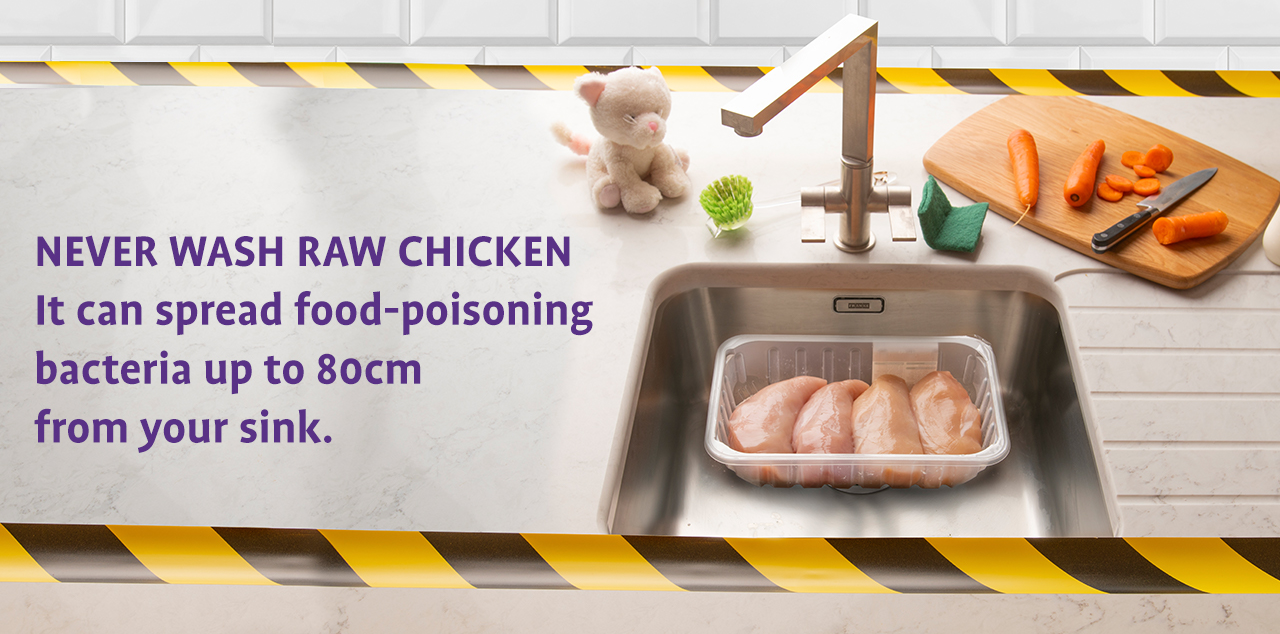
Do not wash raw poultry before cooking. Washing spreads bacteria through water splashes.
- Store poultry on the lowest fridge shelf
- Use gloves if you have cuts on your hands
- Cook poultry to the right temperature to kill germs
Cooking Poultry Thoroughly
Cooking poultry thoroughly is important to keep food safe. It kills harmful bacteria that can cause illness.
Always check the inside of the meat to make sure it is fully cooked. Do not eat undercooked poultry.
Recommended Internal Temperatures
Different types of poultry need different cooking temperatures. The right temperature ensures all bacteria are killed.
- Chicken and turkey (whole or ground) should reach 165°F (74°C)
- Ducks and geese should also reach 165°F (74°C)
- Stuffing inside poultry must reach 165°F (74°C)
Using A Meat Thermometer
A meat thermometer is the best tool to check poultry temperature. It helps avoid guessing if the meat is done.
Insert the thermometer in the thickest part of the meat. Avoid touching bones or the cooking pan for correct reading.
- Clean the thermometer before and after use
- Wait a few seconds to get the correct temperature
- Check multiple parts for even cooking
Avoiding Undercooking
Undercooked poultry can cause food poisoning. Always cook poultry until it reaches the safe temperature.
Do not rely on color or juices to check doneness. Some poultry may look cooked but still be unsafe.
- Cook poultry evenly by turning it during cooking
- Use a meat thermometer to confirm temperature
- Do not eat poultry that is pink inside or has red juices
Serving And Storing Leftovers
Handling poultry leftovers safely stops bacteria from growing. Proper storage and serving keep food fresh and healthy.
Follow simple rules to keep your poultry leftovers safe to eat. This guide helps you with temperatures, cooling, and reheating.
Safe Serving Temperatures
Cooked poultry should reach 165°F (74°C) before serving. This kills harmful germs and keeps you safe.
Use a food thermometer to check the temperature inside thick parts of the meat. Serve immediately after cooking.
Cooling And Refrigerating Quickly
Cool leftovers fast to stop bacteria from growing. Do not leave poultry out longer than two hours at room temperature.
Divide leftovers into small, shallow containers. Place them in the fridge within two hours after cooking.
- Use containers no deeper than 2 inches
- Leave lids slightly open to cool faster
- Store leftovers in the fridge at 40°F (4°C) or below
- Eat leftovers within 3 to 4 days
Reheating Guidelines
Reheat poultry leftovers to 165°F (74°C) before eating. This kills any bacteria that grew while storing.
Use a food thermometer to check the temperature. Reheat only the amount you will eat at one time.
- Reheat on the stove, oven, or microwave
- Stir food during reheating for even heat
- Do not reheat leftovers more than once
- Throw away any leftovers not eaten after reheating
Credit: www.bivatec.com
Frequently Asked Questions
How To Prevent Contamination While Handling Poultry?
Always wash your hands before and after handling poultry. Use separate cutting boards for raw meat. Clean all utensils and surfaces thoroughly to avoid cross-contamination.
What Is The Safe Temperature To Cook Poultry?
Cook poultry to an internal temperature of 165°F (74°C). Use a food thermometer to check the thickest part. This ensures harmful bacteria are destroyed.
Can You Wash Raw Poultry Before Cooking?
Washing raw poultry is not recommended. It can spread bacteria through splashing water. Cooking poultry thoroughly kills any harmful germs safely.
How Should You Store Raw Poultry Safely?
Store raw poultry in the refrigerator at or below 40°F (4°C). Keep it in a sealed container to prevent leaks. Use it within 1-2 days or freeze for longer storage.
Conclusion
Safe handling of poultry protects your health and your family’s. Clean hands and surfaces stop germs from spreading. Always cook poultry fully to kill harmful bacteria. Store raw poultry separately to avoid cross-contamination. Use fresh tools and wash them often.
Keep your kitchen clean and tidy every time. Simple steps make a big difference in safety. Stay careful and enjoy your meals without worry. Safe poultry handling is easy with good habits. Your health is worth the extra attention.