
Grease buildup in your kitchen can turn cooking from a joy into a hassle. It makes surfaces sticky, attracts dirt, and even causes unpleasant odors.
But what if you could stop grease before it takes over? Imagine a kitchen that stays clean longer, feels fresher, and makes cooking easier every day. You’ll discover simple, practical tips to prevent grease buildup and keep your kitchen sparkling.
Stick with me, and your kitchen will thank you!
Credit: www.americonrestoration.com
Common Causes Of Kitchen Grease
Grease buildup in the kitchen can be frustrating. It often results from everyday cooking activities.
Understanding what causes grease can help you prevent it. Let’s explore the common causes.
Cooking Methods That Produce Grease
Some cooking methods are more likely to create grease. Frying is a major contributor. It uses a lot of oil and fat.
Grilling can also add to grease buildup. The fat from meats drips and splatters. This can quickly coat surfaces.
- Frying involves hot oil that splashes
- Grilling causes fat to drip and splatter
- Roasting meats can release oils
Areas Prone To Grease Buildup
Grease tends to collect on certain surfaces. The stove is a common area. Grease splatters during cooking.
Kitchen cabinets near the stove also attract grease. The airborne particles settle on surfaces.
- Stove and backsplash are grease hotspots
- Cabinets near the cooking area collect grease
- Range hoods and filters trap grease particles
Credit: johnsewer.com
Daily Cleaning Habits
Grease buildup can make your kitchen look dirty and cause smells. Cleaning every day helps keep grease away.
Simple habits can stop grease from sticking to your kitchen surfaces and tools.
Wiping Surfaces After Cooking
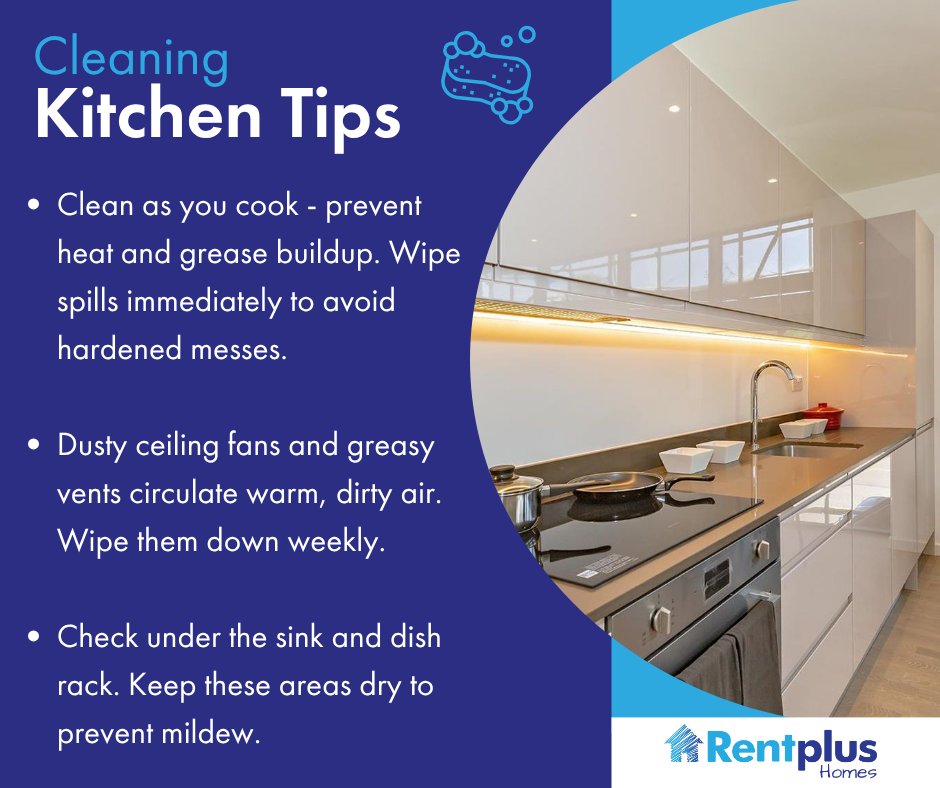
Always wipe down counters and stove tops after you cook. This stops grease from hardening and becoming hard to remove.
Use a damp cloth with warm soapy water to clean surfaces. Dry them well to prevent sticky spots.
- Clean spills right away
- Use a gentle cleaner safe for your surfaces
- Wipe under stove knobs and around burners
- Don’t forget cabinet doors near cooking areas
Proper Dishwashing Techniques
Wash greasy dishes soon after use. Warm water helps break down the grease better than cold water.
Use a good dish soap that cuts grease. Scrub pots and pans well to remove oily residues.
- Soak heavily greasy dishes before washing
- Use a scrub brush or sponge for tough spots
- Rinse with hot water to remove soap and grease
- Dry dishes to prevent water spots and residue
Effective Degreasing Products
Grease buildup in the kitchen can cause odors and attract pests. Using the right degreasing products helps keep surfaces clean and safe.
This guide covers natural cleaning agents and commercial degreasers for preventing grease buildup.
Natural Cleaning Agents
Natural cleaning agents work well to break down grease without harsh chemicals. They are safe for most surfaces and easy to find at home.
Common natural degreasers include lemon juice, baking soda, and vinegar. These ingredients cut through grease and leave a fresh scent.
- Lemon juice dissolves grease with its acidity
- Baking soda scrubs away stuck-on grease
- Vinegar breaks down grease and disinfects
Commercial Degreasers
Commercial degreasers are strong products designed to remove heavy grease quickly. They often contain surfactants and solvents.
These products work best on ovens, stovetops, and extractor fans. Follow the instructions to use them safely and effectively.
- Spray degreasers for easy application on vertical surfaces
- Gel-based degreasers cling to tough grease spots
- Foam degreasers expand to reach hidden grease
Credit: x.com
Preventive Kitchen Tools
Grease buildup in the kitchen can cause stains and odors. Using the right tools helps keep your kitchen clean.
Preventive kitchen tools stop grease from spreading while cooking. They make cleaning easier and faster.
Using Splatter Guards
Splatter guards are screens placed over pans to stop hot grease from flying out. They protect your stove and counters.
These guards let steam escape but catch grease drops. They reduce the need to clean greasy surfaces after cooking.
- Use splatter guards on frying pans and skillets
- Choose guards with fine mesh for better protection
- Clean guards after each use to keep them effective
Installing Ventilation Systems
Ventilation systems remove grease particles from the air while cooking. They help keep kitchen walls and ceilings clean.
Common systems include range hoods and exhaust fans. They pull out smoke, steam, and grease before buildup starts.
- Install a range hood above your stove
- Use fans that vent outside the house
- Clean filters regularly to keep airflow strong
Regular Deep Cleaning Routines
Grease buildup in kitchens can cause bad smells and fire risks. Regular deep cleaning helps keep your kitchen safe and fresh.
Deep cleaning removes hidden grease that daily wiping misses. It makes your kitchen cleaner and appliances last longer.
Cleaning Exhaust Hoods And Filters
Exhaust hoods and filters catch grease from cooking. If not cleaned often, grease can block airflow and cause fires.
Remove filters and soak them in hot, soapy water. Use a brush to scrub off the grease. Clean the hood surface with a degreaser.
- Turn off power before cleaning exhaust hoods
- Soak filters in hot water and dish soap for 15 minutes
- Scrub filters with a soft brush to remove grease
- Wipe hood surfaces with a grease-cutting cleaner
- Dry filters fully before reinstalling
- Clean exhaust hoods at least once a month
Maintaining Appliances
Kitchen appliances collect grease on their surfaces and inside parts. Regular cleaning keeps them working well and safe.
Wipe appliances after cooking with a damp cloth and mild cleaner. Check for grease buildup in hard-to-reach places and clean them often.
- Unplug appliances before cleaning
- Use a soft cloth and mild soap to wipe surfaces
- Clean appliance vents to avoid grease buildup
- Remove and wash removable parts regularly
- Check seals and gaskets for grease and clean them
- Deep clean appliances every few weeks
Smart Cooking Tips
Grease buildup can make your kitchen hard to clean and smell bad. Using smart cooking tips helps keep your kitchen clean.
These tips focus on reducing grease by changing how you cook and use oil.
Choosing Low-fat Cooking Techniques
Pick cooking methods that need less fat. This lowers the chance of grease buildup on surfaces and tools.
Steaming, boiling, and baking use little or no oil. They help keep your kitchen cleaner.
- Steam vegetables instead of frying
- Boil or grill meats instead of pan-frying
- Bake foods using non-stick pans or parchment paper
- Use a slow cooker to reduce oil use
Managing Oil Usage
Use only the amount of oil you need. Too much oil causes more grease buildup in pans and on kitchen surfaces.
Measure oil before cooking and avoid reusing old oil. This keeps food healthier and kitchens cleaner.
- Use a spray bottle to apply oil evenly
- Measure oil with a spoon or cup
- Discard oil after one use if it looks dark or smells bad
- Wipe excess oil from pans after cooking
Frequently Asked Questions
How Can I Prevent Grease Buildup In Kitchen Vents?
Clean kitchen vents regularly to stop grease buildup. Use a degreaser and a soft brush. Regular cleaning improves air quality and reduces fire risk.
What Daily Habits Reduce Kitchen Grease Accumulation?
Wipe surfaces after cooking daily. Use hot, soapy water to remove grease. Avoid letting grease sit and harden on surfaces.
Which Cleaning Products Work Best For Kitchen Grease?
Use degreasers or vinegar solutions for effective grease removal. Avoid abrasive cleaners that damage surfaces. Natural products are safer and eco-friendly.
How Often Should I Clean Grease Traps And Filters?
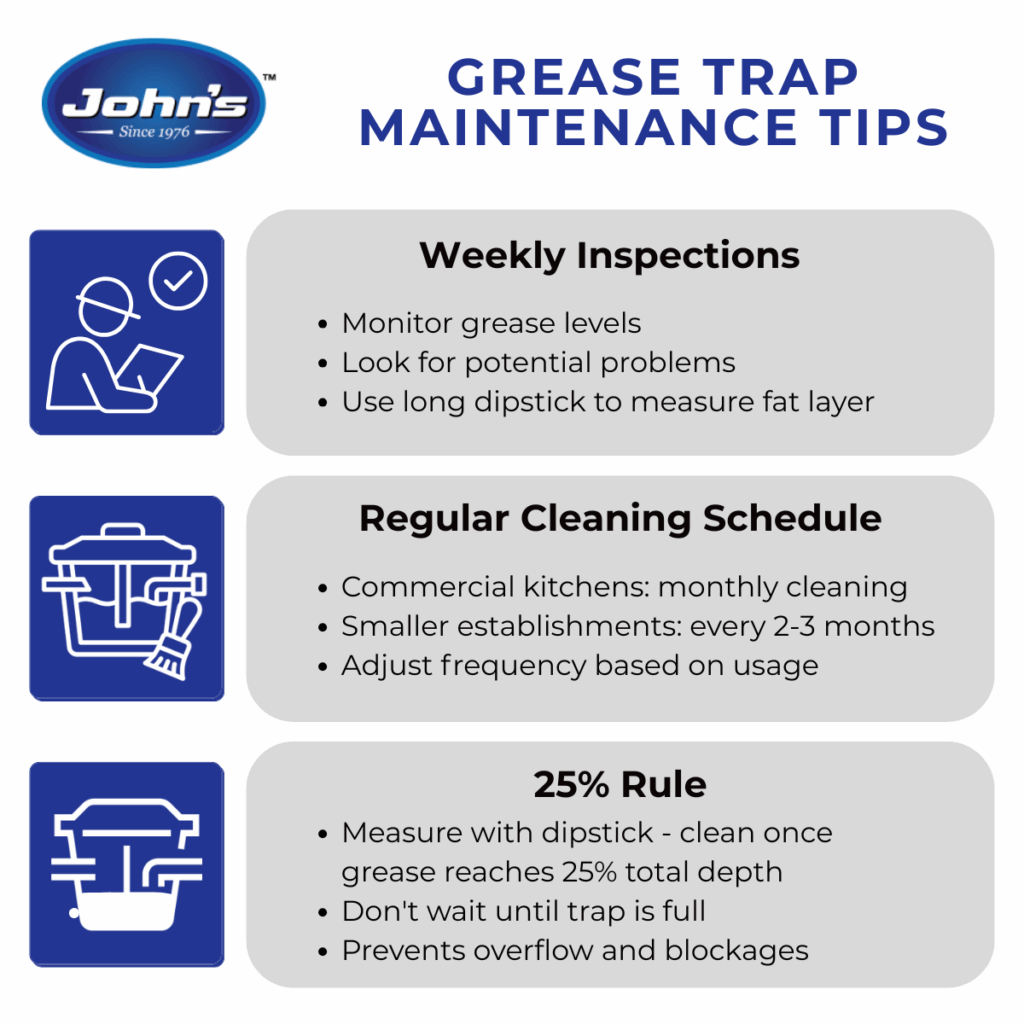
Clean grease traps and filters every 1-2 weeks. Regular maintenance prevents clogs and odors. It also improves kitchen hygiene and appliance efficiency.
Conclusion
Prevent grease buildup by cleaning kitchen surfaces often. Wipe counters and stovetops right after cooking. Use warm, soapy water to remove oil spots. Avoid letting grease sit for long periods. Clean exhaust fans and vents regularly too. Use proper tools like scrub brushes or cloths.
Keep your kitchen fresh and safe for cooking. Small habits make a big difference. Stay consistent and enjoy a cleaner kitchen every day.