
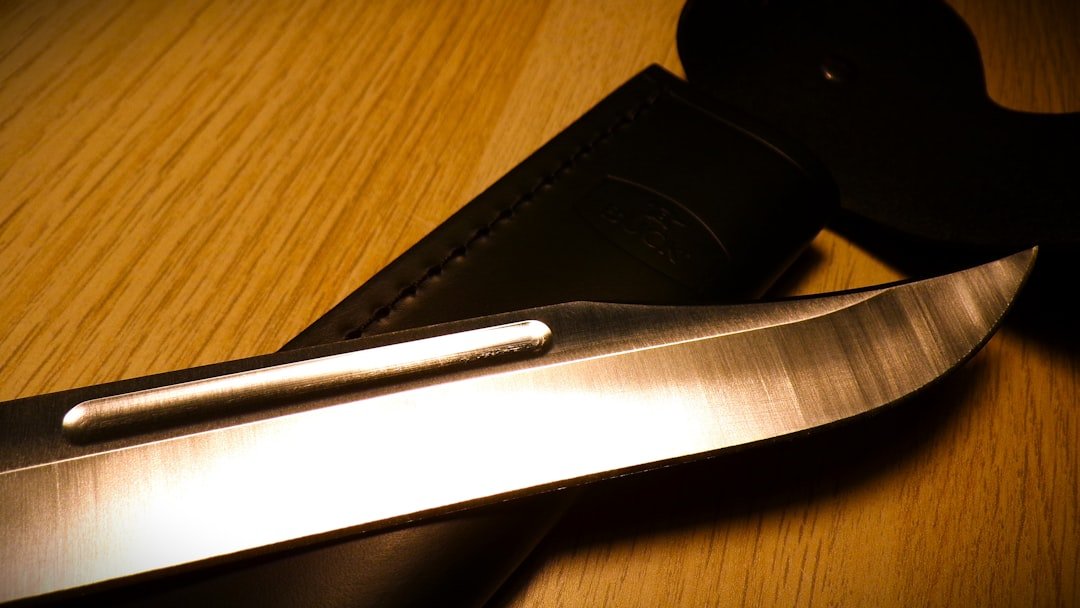
Knives are tools you use every day, whether in the kitchen, at work, or during outdoor activities. But did you know that a simple slip can lead to serious injuries?
Knowing how to handle knives safely protects you and those around you. You’ll discover easy and practical tips that make using knives safer and more efficient. Keep reading to learn how small changes in your habits can prevent accidents and keep your hands injury-free.
Choosing The Right Knife
Using the right knife keeps you safe in the kitchen. Different knives work best for different tasks.
Choose wisely to make your cutting tasks easier and more efficient.
Types Of Knives For Different Tasks
Each knife has a specific purpose. Some are great for chopping, others for slicing.
- Chef’s knife is versatile for most tasks.
- Paring knife is ideal for peeling fruits.
- Bread knife is perfect for slicing bread.
- Boning knife helps with meat preparation.
Quality And Sharpness Matters
A sharp knife is safer than a dull one. Quality knives stay sharp longer.
Investing in a good knife reduces the need for frequent sharpening. It also ensures clean and easy cuts.
- High-carbon stainless steel is durable.
- Regularly hone your knife for best performance.
- Store knives properly to maintain sharpness.

Credit: www.youtube.com
Proper Knife Handling
Using a knife safely is important to avoid injuries. Proper knife handling helps you cut efficiently and safely.
Learning the right way to hold and move a knife protects your fingers and makes cutting easier.
Correct Grip Techniques
Hold the knife firmly but not too tight. A good grip gives you control and reduces slipping.
Place your thumb and index finger on the blade’s base. Wrap your other fingers around the handle.
- Keep your grip close to the blade for better control
- Avoid holding the knife too far back on the handle
- Do not hold the knife loosely to prevent accidents
Safe Cutting Motions
Cut using smooth, steady motions. Avoid forcing the knife or using jerky movements.
Use a rocking motion with the knife tip on the cutting board. Move the blade up and down carefully.
- Keep your fingers curled under on the hand holding the food
- Cut away from your body to reduce risk
- Use a cutting board to protect surfaces and improve safety
Preparing The Cutting Area
Preparing your cutting area helps keep you safe when using knives. A clean and organized space lowers the chance of accidents.
Setting up the right surface and arranging tools properly makes cutting easier and safer.
Stable Cutting Surfaces
Use a flat and steady surface to cut on. This prevents the knife from slipping and causing injuries.
A wooden or plastic cutting board works best. Avoid glass or metal boards because knives can slip on them.
- Place a damp cloth under the board to stop it from moving.
- Check the board for cracks or deep cuts before use.
- Keep the cutting surface dry to avoid slipping.
Organized Workspace
Keep your cutting area tidy. Remove items you do not need before starting to cut.
Organize knives and tools so you can reach them easily without stretching or moving too much.
- Place knives on a magnetic strip or in a knife block.
- Keep cutting ingredients close to the board.
- Clear away scraps and waste regularly.

Credit: www.youtube.com
Cutting Techniques To Avoid Injuries
Using knives safely is very important in the kitchen. Cutting with the right techniques helps prevent accidents.
Simple habits can keep your fingers safe and make cutting easier and faster.
Using The Claw Grip
The claw grip keeps your fingers safe while cutting. Curl your fingers inward and hold the food with your fingertips.
This way, your knuckles guide the knife and your fingertips stay out of the blade’s path.
- Keep fingertips tucked under
- Use knuckles to guide the knife
- Hold food firmly but not too tight
- Move the knife in a smooth, controlled motion
Avoiding Distractions
Pay full attention when cutting. Distractions can cause slips and cuts.
Turn off phones or keep them away. Focus only on your cutting task to stay safe.
- Cut in a quiet, calm place
- Avoid talking or looking away while cutting
- Keep your workspace clean and clear
- Use a stable cutting board to prevent slipping
Knife Maintenance And Storage
Keeping knives in good condition helps them work better and last longer. Proper maintenance and storage also keep you safe while using them.
Learn simple tips on sharpening your knives regularly and storing them safely to prevent accidents.
Regular Sharpening
Dull knives are dangerous because they need more force to cut. Sharpen your knives often to keep the edges sharp and safe.
Use a whetstone, sharpening steel, or electric sharpener. Sharpen at the right angle for your knife type.
- Hold the knife at a 20-degree angle
- Draw the blade across the sharpener evenly
- Sharpen both sides of the blade equally
- Test sharpness carefully after sharpening
Safe Storage Practices
Storing knives safely protects the blades and prevents injuries. Keep knives out of reach of children and avoid loose storage.
Use knife blocks, magnetic strips, or blade guards to store knives properly. Clean and dry knives before storing them.
- Store knives in a knife block with slots
- Use magnetic strips mounted on a wall
- Cover blades with protective guards
- Keep knives separate to avoid dulling
Handling Knife Accidents
Knife accidents can happen quickly and cause injury. Knowing how to act can reduce damage.
Stay calm and follow clear steps to treat the wound safely and effectively.
First Aid Tips
Stop the bleeding by applying gentle pressure with a clean cloth. Keep the injured hand raised if possible.
Clean the wound carefully with water to remove dirt. Avoid using strong chemicals or soaps.
- Apply pressure to stop bleeding
- Raise the injured area above heart level
- Clean the wound with water
- Cover the cut with a sterile bandage
- Avoid moving the injured area too much
When To Seek Medical Help
Get medical help if the cut is deep or bleeding does not stop after 10 minutes of pressure.
See a doctor if the knife was dirty, the wound is large, or there are signs of infection.
- Bleeding that won’t stop
- Deep or wide cuts
- Knife was rusty or dirty
- Signs of infection like redness or swelling
- Loss of feeling or movement in the injured area

Credit: www.amazon.ca
Frequently Asked Questions
How Can I Safely Hold A Knife While Cutting?
Hold the knife firmly by its handle with your dominant hand. Use a claw grip on the food with your other hand to protect fingers. This grip enhances control and reduces the risk of slips and cuts.
What Is The Best Way To Sharpen Kitchen Knives?
Use a whetstone or a professional knife sharpener. Regular sharpening maintains the blade’s edge, making cutting safer and easier. Avoid using dull knives, as they require more force and increase injury risk.
How Should Knives Be Stored To Avoid Accidents?
Store knives in a dedicated knife block, magnetic strip, or sheath. Avoid loose placement in drawers where blades can get damaged or cause injuries. Proper storage keeps knives sharp and ensures safe handling.
Why Is Cutting On The Right Surface Important?
Always use cutting boards made of wood or plastic. Avoid cutting on glass, metal, or stone surfaces as they dull blades quickly. The right surface protects both the knife and your fingers.
Conclusion
Safe knife use keeps you and others free from harm. Always hold the knife firmly and cut away from your body. Use a sharp blade to avoid slips and accidents. Keep your fingers clear from the cutting path. Store knives properly to prevent injuries when not in use.
Remember, paying attention and moving slowly helps avoid mistakes. Practice these tips every time you handle knives. Safety starts with careful habits and respect for the tool. Stay alert, stay safe, and enjoy cooking without worry.