
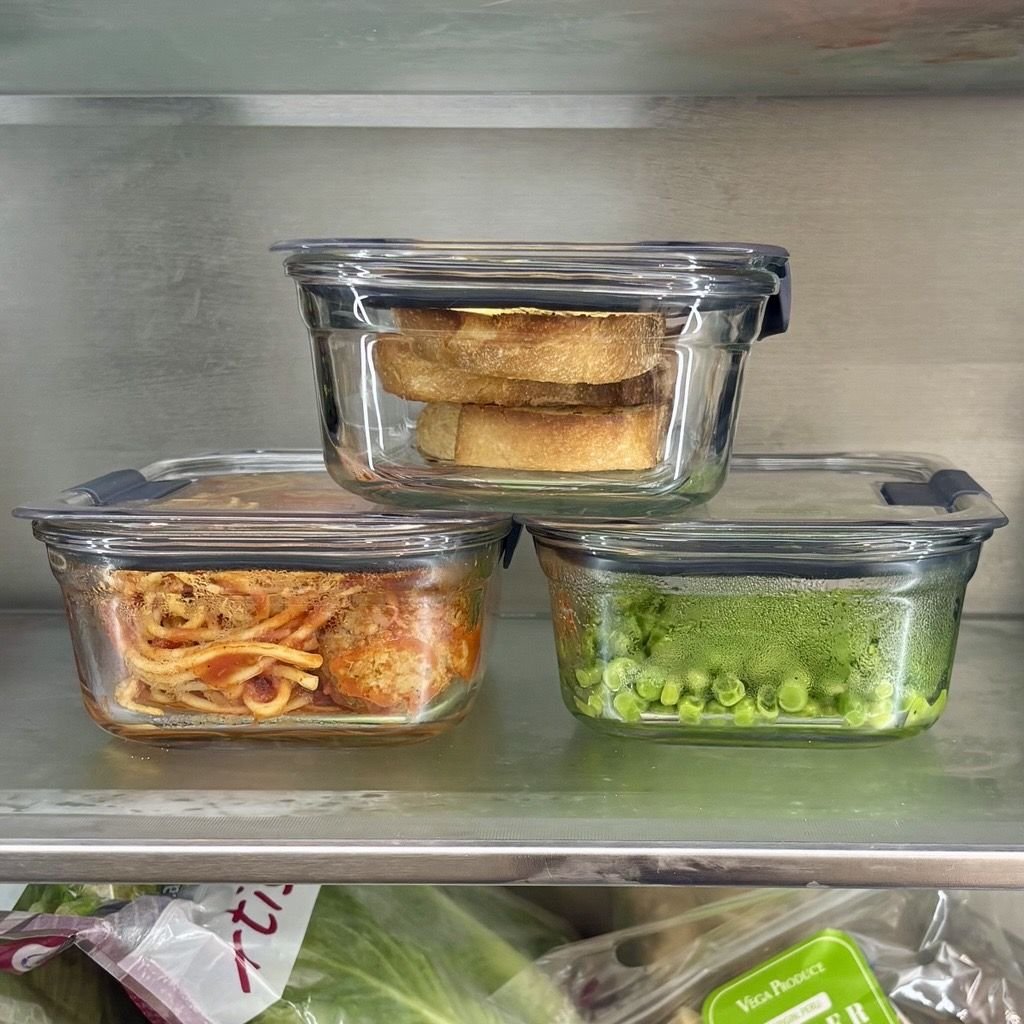
Have you ever opened your fridge and wondered if those leftovers are still safe to eat? Storing food properly isn’t just about keeping things tidy—it’s about protecting your health and saving money.
When you know the right tips for safe storage of leftovers, you can enjoy your meals without worry, reduce food waste, and make your cooking routine easier. You’ll discover simple, effective ways to keep your leftovers fresh and safe. Keep reading—you’ll be surprised how small changes can make a big difference for you and your family.
Choosing Containers
Storing leftovers safely is important to avoid food waste. The right containers keep food fresh and safe.
Consider the material, size, shape, and sealing of your storage containers. These factors help in maintaining food quality.
Material Matters
Containers come in different materials like plastic, glass, and metal. Each material has its own benefits.
Glass containers do not absorb odors. Plastic is lightweight and convenient. Metal is durable and long-lasting.
- Glass: Microwave and dishwasher safe
- Plastic: Lightweight and easy to carry
- Metal: Ideal for dry storage
Size And Shape Tips
Choose container sizes based on your storage space. Smaller containers save space in the fridge.
Square or rectangular shapes stack better. They maximize storage space and reduce clutter.
- Small sizes for single servings
- Rectangular shapes for efficient storage
- Nesting sets to save space
Sealing For Freshness
A good seal prevents air and moisture from entering. This keeps food fresh longer.
Look for containers with tight-fitting lids. Some lids have special seals or locks for extra security.
- Snap-on lids for secure closure
- Rubber seals for airtight storage
- Locking mechanisms for added safety

Credit: www.yahoo.com
Cooling Leftovers
Cooling leftovers quickly is important to keep food safe. It helps stop harmful bacteria from growing.
Proper cooling also keeps the food fresh and tasty for later meals.
Safe Cooling Times
Leftovers should cool down fast to avoid bacteria. Food should be in the fridge within two hours after cooking.
Large portions cool slower. Divide big amounts into smaller containers to help cool faster.
- Cool leftovers within 2 hours
- Use shallow containers to speed cooling
- Leave lids off until food is cool
- Store in the fridge or freezer
Avoiding Bacteria Growth
Bacteria grow fast in warm food. Cooling leftovers quickly stops bacteria from multiplying.
Keep your fridge at or below 40°F (4°C). This temperature slows bacteria growth.
- Chill food quickly after cooking
- Do not leave food out over 2 hours
- Use clean containers and utensils
- Reheat leftovers to at least 165°F (74°C)
Labeling And Dating
Storing leftovers safely helps keep food fresh and prevents waste. Labeling and dating each container is key to safe storage.
Clear labels tell you what is inside and when it was stored. This helps avoid eating spoiled food.
Effective Labeling Methods
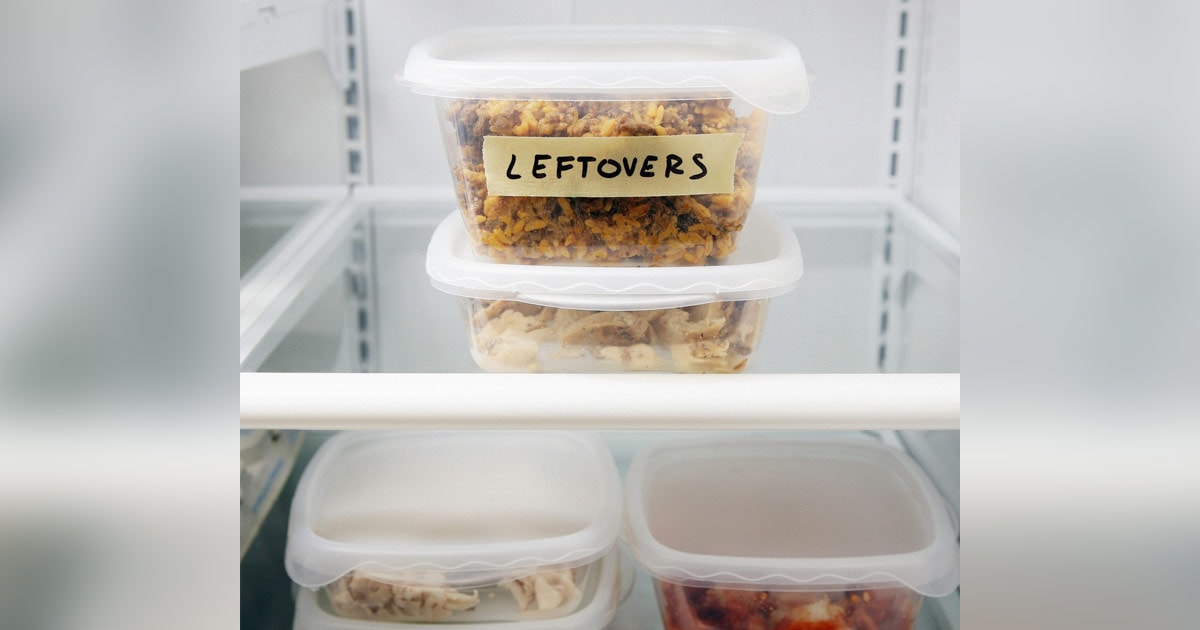
Use simple and clear labels on all leftover containers. Write the food name and date stored to avoid confusion.
- Use masking tape or label stickers for easy writing.
- Write with a permanent marker that won’t smudge.
- Place labels where they are easy to see on each container.
- Include special notes, like “reheat only” or “use soon.”
Tracking Storage Duration
Knowing how long leftovers have been stored keeps food safe to eat. Use dates to track storage time clearly.
Follow general guidelines for safe storage times. Most leftovers last 3 to 4 days in the fridge.
- Write the date you stored the food on the label.
- Check containers daily and use oldest leftovers first.
- Discard any food stored longer than recommended time.
- Freeze leftovers if you want to keep them longer.
Refrigeration Practices
Storing leftovers safely is important to keep food fresh and avoid sickness. Proper refrigeration slows bacterial growth.
Good habits in the fridge help keep food safe for several days. Follow simple rules to store leftovers correctly.
Ideal Temperature Settings
The fridge temperature should be cold enough to stop bacteria from growing. Keep it at or below 40°F (4°C).
Freezers should be set at 0°F (-18°C) or lower. Check temperatures often with a fridge thermometer.
- Set fridge between 35°F and 40°F (1.7°C to 4.4°C)
- Use a fridge thermometer to monitor temperature
- Avoid frequent door openings to keep temperature steady
Organizing The Fridge
Keep leftovers in clear, airtight containers. Label them with the date to use them on time.
Place leftovers on the middle or top shelves. This helps maintain even cooling and prevents cross-contamination.
- Store raw meat on the bottom shelf to avoid drips
- Keep leftovers in small containers for quick cooling
- Do not overcrowd shelves to allow air circulation
- Use the oldest leftovers first to reduce waste
Freezing Tips
Freezing leftovers helps keep food fresh for longer. It stops bacteria from growing and keeps flavors safe.
Using the right techniques makes sure your food stays tasty and safe. Follow simple tips for best results.
Freezer-safe Packaging
Choose containers or bags made for freezer use. These stop air and moisture from getting in.
Packaging should be airtight and sturdy. This keeps food fresh and prevents spills or leaks.
- Use heavy-duty freezer bags or plastic containers with tight lids
- Wrap food in aluminum foil or freezer paper before placing it in bags
- Label packages with date and contents for easy tracking
- Remove as much air as possible before sealing
Preventing Freezer Burn
Freezer burn happens when food dries out from air exposure. It changes texture and taste.
To avoid freezer burn, seal food tightly and keep the freezer cold and steady.
- Use airtight packaging to block air
- Freeze food quickly by spreading it in thin layers
- Keep freezer temperature at or below 0°F (-18°C)
- Do not store food too long; use within recommended times
Reheating Safely
Reheating leftovers is a common way to enjoy meals again. It is important to heat food safely to avoid sickness.
Heating food properly kills harmful bacteria. Follow simple tips to keep your food safe and tasty.
Proper Heating Temperatures
Heat leftovers to at least 165°F (74°C). This temperature kills most bacteria and germs.
Use a food thermometer to check the temperature in the thickest part. Stir food during heating for even warmth.
- Microwave in short bursts and stir between
- Oven reheating should reach 165°F inside
- Check temperature with a food thermometer
Avoiding Overheating
Do not overheat food as it can dry out or burn. Overheated food may lose taste and texture.
Heat just enough to make food hot. Use medium power on microwaves to warm food gently.
- Heat food evenly to avoid cold spots
- Stop heating once food is steaming hot
- Cover food to keep moisture inside
When To Discard
Storing leftovers safely helps prevent foodborne illness. Knowing when to throw food away is important.
Leftovers can look fine but may still be unsafe. Use clear signs to decide when to discard them.
Signs Of Spoilage
Look for signs that leftovers have gone bad. Spoiled food can cause sickness if eaten.
- Bad or sour smell
- Change in color or texture
- Visible mold growth
- Slimy or sticky surface
- Unusual taste
If you see any signs, throw the food away. Do not taste food to check spoilage.
Food Safety Guidelines
Follow food safety rules to keep leftovers safe. Store food properly and discard on time.
- Use leftovers within 3 to 4 days
- Keep food refrigerated below 40°F (4°C)
- Reheat leftovers to 165°F (74°C) before eating
- Do not leave food out longer than 2 hours
- Store leftovers in clean, airtight containers

Credit: www.foodunfolded.com
Credit: food.ndtv.com
Frequently Asked Questions
How Long Can Leftovers Be Safely Stored?
Leftovers can be safely stored in the refrigerator for 3 to 4 days. For longer storage, freeze them within 2 hours of cooking to maintain freshness and prevent bacteria growth.
What Is The Best Way To Cool Leftovers Quickly?
Divide large portions into smaller containers to cool leftovers faster. Place containers in the refrigerator uncovered until cold, then cover to avoid contamination.
Should Leftovers Be Reheated More Than Once?
Avoid reheating leftovers multiple times as it increases the risk of foodborne illness. Reheat only the portion you plan to eat immediately for safety and quality.
How To Store Leftovers To Maintain Freshness?
Use airtight containers or wrap food tightly with plastic wrap or foil. Label containers with dates to track storage time and prevent spoilage.
Conclusion
Safe storage of leftovers keeps food fresh and healthy. Cool food quickly before storing it. Use airtight containers to stop germs. Label containers with dates to avoid confusion. Eat leftovers within a few days for safety. Reheat food properly to kill any bacteria.
Toss leftovers that look or smell strange. These simple steps save money and reduce waste. Enjoy your meals without worry by storing them well. Stay safe and keep your food tasty.