
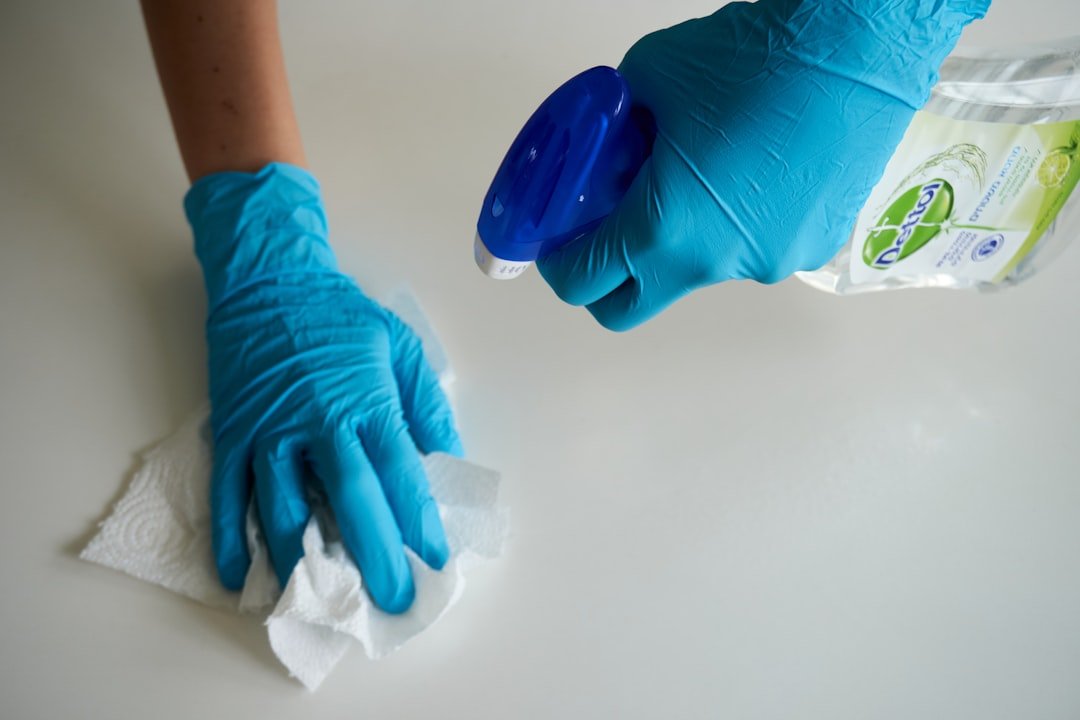
Bacterial contamination on surfaces is more common than you might think—and it can affect your health and safety every day. Imagine touching a doorknob or countertop that looks clean but hides harmful bacteria.
You might not see the danger, but it’s there. The good news? You have the power to stop these invisible threats before they cause problems. You’ll discover simple and effective ways to protect your home and workspace from bacterial contamination.
Keep reading to learn how small changes can make a big difference in keeping you and your loved ones safe.

Credit: www.ajicjournal.org
Sources Of Bacterial Contamination
Bacterial contamination is a common issue on many surfaces. It can lead to illness if not controlled. Knowing the sources helps in prevention.
Understanding where bacteria live and spread is key. This knowledge helps keep surfaces clean and safe.
Common Contaminated Surfaces
Some surfaces are more prone to bacteria. These need regular cleaning to prevent contamination.
- Kitchen counters and sinks
- Bathroom faucets and handles
- Doorknobs and light switches
- Electronic devices like phones and keyboards
How Bacteria Spread
Bacteria spread in many ways. They often move from one surface to another through touch.
Airborne particles can also carry bacteria. These settle on surfaces, adding to contamination risks.
- Touching contaminated surfaces
- Using shared items without cleaning
- Airborne particles from coughing or sneezing

Credit: onlinelibrary.wiley.com
Effective Cleaning Methods
Bacteria can spread easily on surfaces. Cleaning regularly stops germs from growing.
Using the right cleaning methods keeps surfaces safe and healthy for everyone.
Choosing The Right Cleaning Agents
Select cleaning agents that kill bacteria well. Some products are better for certain surfaces.
Look for disinfectants that list bacteria-killing on their labels. Avoid harsh chemicals on delicate materials.
- Use bleach solutions for hard, non-porous surfaces
- Choose alcohol-based cleaners for quick drying
- Mild detergents work for lightly soiled areas
- Test new agents on small areas first
Proper Cleaning Techniques
Clean surfaces in a way that removes dirt and kills bacteria. Follow a clear process each time.
Start by removing visible debris. Then apply the cleaner and let it sit before wiping it off.
- Wear gloves to protect your hands
- Use clean cloths or disposable wipes
- Clean from top to bottom to avoid recontamination
- Allow disinfectants to stay wet for the recommended time
- Rinse if the product label instructs
Disinfection Strategies
Bacteria can spread quickly on surfaces. Cleaning alone is not enough to stop them.
Using disinfectants helps kill bacteria and keep surfaces safe. Proper use is important.
Types Of Disinfectants
There are different disinfectants for cleaning surfaces. Each works in its own way.
- Alcohol-based disinfectants kill bacteria fast
- Chlorine bleach is strong and used for tough cleaning
- Hydrogen peroxide breaks down germs without strong smell
- Quaternary ammonium compounds are gentle and effective
- Phenolic disinfectants work well on hard surfaces
Choose disinfectants based on the surface type and bacteria level.
Safe Application Practices
Using disinfectants safely keeps people and surfaces protected. Follow instructions carefully.
- Wear gloves to protect your skin
- Use the right amount of disinfectant for the surface
- Let the disinfectant sit for the recommended time
- Ventilate the area to avoid strong fumes
- Store disinfectants away from children and pets
Do not mix different disinfectants. This can cause harmful reactions.
Preventive Measures
Bacterial contamination on surfaces can cause illnesses. Preventing it keeps environments safe and healthy.
Using simple steps regularly helps reduce bacteria spread on common surfaces.
Regular Cleaning Schedules
Clean surfaces often to stop bacteria from growing. Set a cleaning schedule and follow it.
Focus on high-touch areas like door handles, tables, and light switches. Use disinfectants approved to kill bacteria.
- Clean daily in busy areas
- Disinfect surfaces after spills
- Use clean cloths or disposable wipes
- Follow product instructions for best results
Personal Hygiene Impact
Good personal hygiene helps prevent bacteria from spreading to surfaces. Wash hands often with soap and water.
Avoid touching your face and cover your mouth when coughing or sneezing. Use hand sanitizer if soap is not available.
- Wash hands before and after touching surfaces
- Keep nails short and clean
- Use tissues or elbows to cover coughs
- Avoid sharing personal items
Advanced Technologies
Keeping surfaces free from bacteria is important for health. Advanced technologies help stop bacteria from growing on surfaces.
These technologies use science to clean and protect surfaces better than regular cleaning.
Antimicrobial Coatings
Antimicrobial coatings are special layers added to surfaces. They kill or stop bacteria from growing on the surface.
These coatings often use metals like silver or copper. These metals are toxic to bacteria but safe for humans.
- Stop bacteria from sticking to surfaces
- Reduce the need for frequent cleaning
- Work continuously for long periods
Uv Light Disinfection
UV light disinfection uses ultraviolet rays to kill bacteria on surfaces. The light breaks down bacteria’s DNA so they cannot live.
This method works fast and does not use chemicals. It is often used in hospitals and labs to keep areas safe.
- Effective against many types of bacteria
- Non-toxic and leaves no residue
- Needs direct light on surfaces to work
Credit: www.researchgate.net
Common Mistakes To Avoid
Bacterial contamination on surfaces can cause illness. Cleaning helps stop germs from spreading.
Some common mistakes reduce cleaning effectiveness. Avoid these errors to keep surfaces safer.
Overlooking High-touch Areas
People often miss cleaning spots that many touch. These areas collect more germs than others.
Examples include door handles, light switches, and remote controls. These need regular cleaning.
- Door knobs and handles
- Light switches
- Mobile phones and tablets
- Computer keyboards and mice
- Remote controls
- Faucet handles
Improper Use Of Cleaning Products
Using cleaning products wrong can leave germs behind. Follow product instructions carefully.
Some mistakes include using too little product or not letting it sit long enough to kill bacteria.
- Do not dilute disinfectants unless stated
- Use enough product to cover the surface
- Allow the product to stay wet for the needed time
- Wear gloves when using strong chemicals
- Do not mix different cleaning products
Frequently Asked Questions
What Are Common Sources Of Bacterial Contamination On Surfaces?
Common sources include hands, food residues, and airborne particles. Contaminated surfaces can spread bacteria quickly if not cleaned regularly. High-touch areas like doorknobs and countertops are especially vulnerable to contamination.
How Often Should Surfaces Be Disinfected To Prevent Bacteria?
Surfaces should be disinfected daily, especially in high-traffic areas. Frequent cleaning reduces bacterial buildup and lowers infection risks. In healthcare or food prep areas, disinfecting multiple times a day is ideal.
Which Cleaning Agents Effectively Kill Surface Bacteria?
Disinfectants containing bleach, alcohol (70%+), or hydrogen peroxide effectively kill bacteria. These agents break down bacterial cell walls, ensuring thorough sanitation. Always follow manufacturer instructions for safe and effective use.
Can Regular Cleaning Alone Prevent Bacterial Contamination?
Regular cleaning removes dirt but may not kill all bacteria. Disinfection is necessary to eliminate harmful microbes. Combining cleaning and disinfecting ensures surfaces are both visibly clean and hygienically safe.
Conclusion
Keeping surfaces clean stops bacteria from spreading fast. Use soap, water, and disinfectants often. Wipe down high-touch areas like door handles and tables. Clean tools and gadgets regularly to stay safe. Wash hands before and after cleaning. Small habits make a big difference in health.
Protect yourself and others by staying careful. Clean spaces feel fresh and help prevent illness. Simple steps keep bacteria away every day. Stay consistent to keep your environment healthy.