
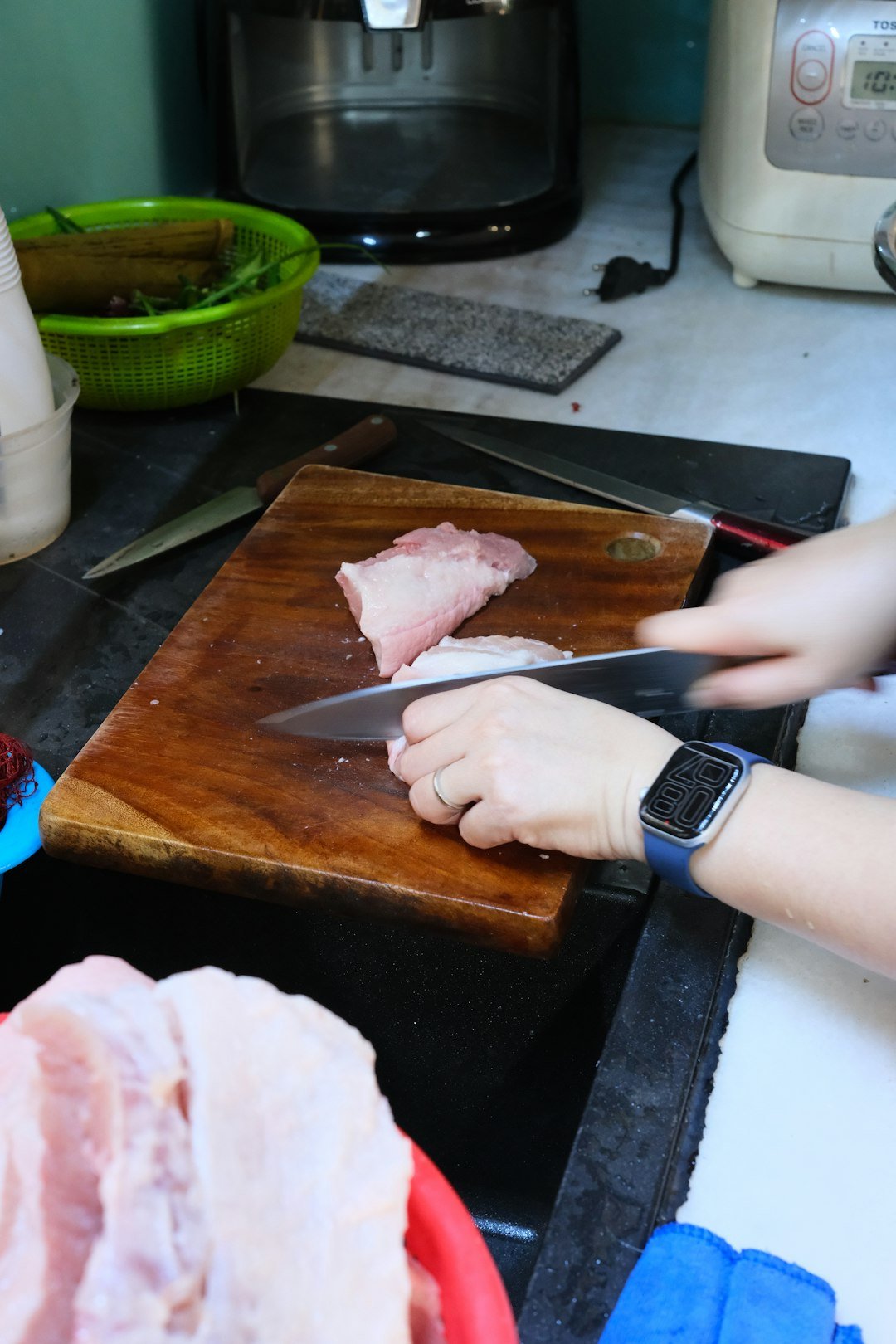
You’ve just finished preparing meat, and now comes a crucial step: disinfecting your utensils. If this part feels confusing or time-consuming, you’re not alone.
But here’s the truth—cleaning your knives, cutting boards, and other tools properly isn’t just about tidiness. It’s about protecting your health and preventing harmful bacteria from spreading in your kitchen. You’ll discover simple, effective ways to disinfect your utensils quickly and safely.
Keep reading to learn how to make your kitchen a safer place for you and your loved ones.
Risks Of Contaminated Utensils
Contaminated utensils can spread harmful bacteria. This happens when they touch raw meat.
Disinfecting utensils is crucial for safe cooking. It prevents illness and keeps food healthy.
Bacteria From Raw Meat
Raw meat often carries bacteria like Salmonella and E. coli. These can cause serious health issues.
When utensils touch raw meat, bacteria can spread. This makes it important to clean them well.
- Salmonella affects the stomach and causes pain
- E. coli leads to severe diarrhea
- Campylobacter can cause fever and cramps
Cross-contamination Dangers
Cross-contamination happens when bacteria move from one item to another. This can occur in the kitchen.
Using the same knife for meat and veggies can spread bacteria. This is why cleaning is important.
| Contaminated Surfaces | Foodborne Illness |
| Cutting boards | Can harbor bacteria |
| Knives | Spread germs if not washed |

Credit: www.yahoo.com
Essential Cleaning Tools
Cleaning utensils after preparing meat is very important. Using the right tools helps remove germs and bacteria.
Choosing good cleaning tools makes the process easier and safer for your family.
Choosing The Right Brushes And Sponges
Use brushes and sponges made for tough cleaning. They help remove meat juices and food bits well.
Choose brushes with stiff bristles. Sponges with scrubbing sides work best for stuck food.
- Use nylon or plastic bristle brushes to avoid scratching utensils
- Pick sponges with an abrasive side for hard stains
- Replace sponges often to avoid bacteria buildup
- Keep separate brushes for meat and other foods
Effective Cleaning Agents
Good cleaning agents kill germs and clean meat residue well. Use safe and strong cleaners.
Dish soaps and disinfectants work well together to clean utensils after meat.
- Use hot water with dish soap to remove grease and food bits
- Apply a food-safe disinfectant to kill bacteria
- Rinse utensils well after cleaning to remove chemicals
- Avoid using bleach directly on utensils without proper rinsing
Step-by-step Cleaning Process
Cleaning utensils after preparing meat is important to stop germs. Follow these steps to keep your kitchen safe and clean.
Each step helps remove dirt and bacteria. Use the right tools and cleaning agents for the best result.
Initial Rinse And Scrub
Start by rinsing the utensils with warm water. This removes leftover food and juices from the meat.
Scrub the utensils with a brush or sponge. Pay special attention to corners and edges where meat bits can hide.
- Use a firm brush or scrubber
- Rinse under running water
- Remove all visible food particles
Using Hot Water And Soap
Wash the utensils in hot water with dish soap. Hot water helps kill germs and melts grease.
Make sure to scrub all surfaces well. This step removes bacteria and cleans the utensil fully.
- Use water hotter than 110°F (43°C)
- Apply enough soap to create bubbles
- Scrub for at least 20 seconds
- Rinse thoroughly with clean water
Applying Disinfectants Safely
Use a food-safe disinfectant to kill any remaining germs. Follow the instructions on the disinfectant label.
Rinse the utensils again after disinfecting. This removes any chemical residue before you use them again.
- Choose a disinfectant safe for kitchen use
- Apply as directed on the label
- Let it sit for the recommended time
- Rinse with clean water before drying
Credit: ucanr.edu
Natural Disinfecting Alternatives
Cleaning utensils after preparing meat is important to stop germs. You can use natural items to disinfect safely.
These natural options are easy to find and work well to keep your kitchen clean.
Vinegar And Baking Soda
White vinegar kills many bacteria on utensils. Baking soda helps scrub off food and stains.
Use vinegar first to soak the utensils. Then sprinkle baking soda and scrub gently to clean well.
- Soak utensils in white vinegar for 10 minutes
- Sprinkle baking soda on utensils
- Scrub with a brush or sponge
- Rinse with hot water
Lemon Juice Benefits
Lemon juice is natural and kills bacteria. It also removes smells from utensils after meat.
Rub lemon juice on utensils or soak them in lemon water. It cleans and leaves a fresh scent.
- Rub lemon juice on cutting boards and knives
- Soak utensils in lemon water for 5 minutes
- Rinse well with warm water
- Dry completely before storing
Drying And Storage Tips
Cleaning utensils after preparing meat is important to stop germs. Drying and storing utensils right keeps them safe to use.
Good drying and storage help stop bacteria growth. Use clean and dry places for your utensils.
Air Drying Vs. Towel Drying
Air drying lets utensils dry naturally without touching anything. This stops new germs from spreading.
Towel drying is faster but can add germs if the towel is dirty. Use a clean towel only if you dry utensils this way.
- Air drying keeps utensils clean and dry
- Towel drying is quick but needs a clean towel
- Air drying lowers risk of cross-contamination
- Use separate towels for kitchen use only
Proper Utensil Storage
Store utensils in a dry, clean place to stop germs from growing. Keep them away from damp areas.
Use holders or racks that let air flow around utensils. Avoid stacking wet utensils to prevent moisture buildup.
- Keep utensils in a dry cabinet or drawer
- Use utensil holders with good air flow
- Do not pile wet utensils together
- Clean storage areas regularly
Preventing Future Contamination
Cleaning utensils after preparing meat is very important. It helps stop germs from spreading to other foods.
Using safe habits keeps your kitchen clean and protects your family from food sickness.
Separate Utensils For Meat
Use different knives, cutting boards, and utensils for raw meat only. This stops germs from spreading to fruits or vegetables.
Label or color-code these utensils to avoid mixing them with others by mistake.
- Keep raw meat knives separate
- Use one cutting board for meat
- Do not use meat utensils for cooked food
- Store meat utensils apart from others
Regular Cleaning Habits
Wash utensils with hot, soapy water right after use. This removes meat juices and germs.
Sanitize utensils by soaking them in a bleach solution or using a dishwasher with a sanitize cycle.
- Wash utensils immediately after use
- Use hot water and soap for cleaning
- Sanitize with bleach or dishwasher
- Dry utensils completely before storing
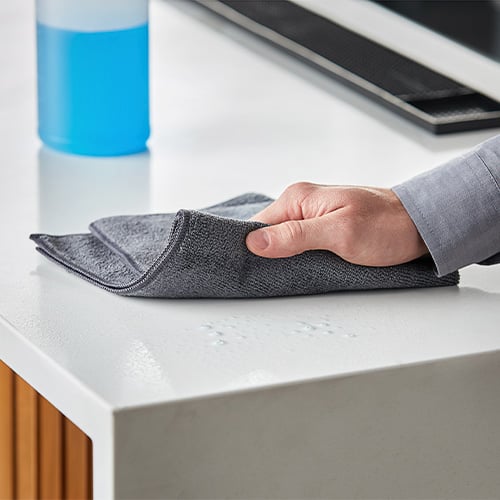
Credit: www.webstaurantstore.com
Frequently Asked Questions
How Do I Properly Disinfect Utensils After Meat Preparation?
Clean utensils with hot, soapy water first. Then soak them in a solution of one tablespoon bleach per gallon of water for two minutes. Rinse with clean water and air dry to ensure all harmful bacteria are eliminated effectively.
What Cleaning Agents Kill Bacteria On Meat Utensils?
Bleach solutions, hot soapy water, and commercial kitchen sanitizers effectively kill bacteria on utensils. Use a diluted bleach mix or food-safe sanitizers to disinfect surfaces and tools after handling raw meat safely.
Can Dishwasher Sanitize Utensils Used For Raw Meat?
Yes, dishwashers with a high-temperature setting can sanitize utensils. The heat kills most bacteria, ensuring utensils are safe to use again. Use the sanitize cycle for best results after cleaning with soap.
How Long Should Utensils Soak In Disinfectant?
Utensils should soak in disinfectant for at least two minutes. This duration ensures the solution effectively kills bacteria and viruses from raw meat residues, reducing cross-contamination risks.
Conclusion
Cleaning utensils properly keeps your kitchen safe and healthy. Use hot water and soap to remove meat residues well. Then, apply a disinfectant to kill harmful germs. Rinse everything thoroughly to avoid leftover chemicals. Dry utensils with a clean towel or air dry.
Regular cleaning stops bacteria from spreading in your home. Safe habits protect your family from foodborne illnesses. Remember, simple steps make a big difference in kitchen hygiene. Keep your tools clean every time you cook meat. Stay safe and enjoy your meals worry-free.