
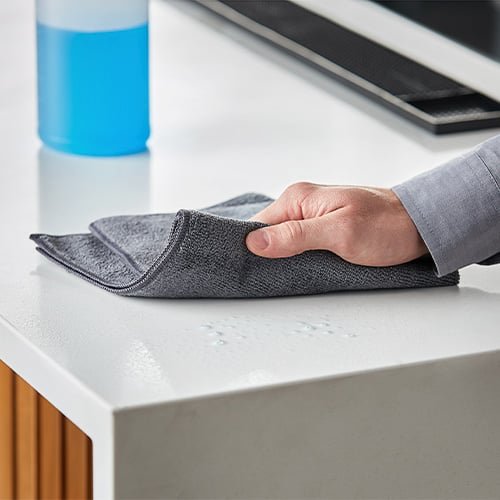
After you finish preparing a meal, your countertops can be a hotspot for germs and bacteria. If you don’t sanitize them properly, these unseen threats could affect your health and the safety of your next meal.
You want a clean kitchen that protects you and your family. You’ll discover simple, effective steps to sanitize your countertops quickly and thoroughly. Keep reading to learn how to turn your kitchen into a safe, germ-free zone every time you cook.

Credit: www.youtube.com
Choosing The Right Cleaner
Sanitizing countertops is important after meal prep. The right cleaner keeps your kitchen safe and germ-free.
Different cleaners are available. Some are natural, and others are chemical-based.
Natural Vs Chemical Options
Natural cleaners use ingredients like vinegar or lemon. They are gentle and eco-friendly.
Chemical cleaners are stronger. They kill more germs but can have harsh ingredients.
- Natural: Vinegar, baking soda, lemon juice
- Chemical: Bleach, ammonia, disinfectant sprays
Safe Ingredients For Food Areas
It’s important to choose safe ingredients. Some cleaners are not food-safe.
Read labels carefully. Look for cleaners marked as non-toxic and safe for kitchens.
- Food-safe: Hydrogen peroxide, diluted vinegar
- Avoid: Strong acids, harsh chemicals
Preparing The Surface
Cleaning countertops after cooking is important. It keeps your kitchen safe and germs away.
Preparing the surface well helps sanitize it correctly. Start by removing any leftover food.
Removing Food Debris
First, clear all food crumbs and scraps from the countertop. Use a dry cloth or paper towel.
Make sure to check corners and edges where bits can hide. This makes cleaning easier later.
- Use a dry cloth or paper towel
- Check corners and edges carefully
- Dispose of food debris in trash or compost
Wiping Down With Soap And Water
Next, mix warm water with mild dish soap. Use a clean cloth to wipe the surface.
Wipe the entire countertop well. This removes grease and stuck-on particles.
- Mix warm water and mild dish soap
- Use a clean cloth or sponge
- Wipe all areas, including edges
- Rinse cloth often for best results
Sanitizing Techniques
Sanitizing countertops after meal prep helps stop germs from spreading. It keeps your kitchen clean and safe.
There are simple ways to sanitize using sprays or homemade solutions. Both work well if used correctly.
Using Disinfectant Sprays
Disinfectant sprays kill many types of bacteria and viruses on surfaces. Spray the countertop evenly.
Let the spray sit for a few minutes to work well. Then wipe with a clean cloth or paper towel.
- Choose sprays labeled as disinfectants
- Spray all areas used for meal prep
- Allow time for the spray to dry or wipe after 5 minutes
- Use gloves if you have sensitive skin
Applying Homemade Solutions
Homemade solutions can clean and sanitize counters safely. Common ingredients include vinegar and baking soda.
Mix ingredients and apply the solution with a cloth. Rinse well with water after cleaning.
- Mix one part white vinegar with one part water
- Add a few drops of lemon juice for extra cleaning power
- Apply the solution and let it sit for 5 minutes
- Wipe the surface clean with a damp cloth
Proper Drying Methods
Sanitizing countertops after meal prep is important to keep your kitchen safe. Drying the surface properly stops germs from growing.
Choosing the right drying method helps keep your countertops clean and ready to use again.
Air Drying Benefits
Air drying lets countertops dry naturally without touching them. This reduces the chance of spreading germs from towels or cloths.
It also saves time and energy since you do not need to wipe the surface again. Air drying is gentle on all countertop materials.
- Prevents cross-contamination
- Uses no extra towels or cloths
- Keeps surface damage-free
- Simple and effective
Using Clean Towels
Using clean towels to dry countertops is fast and removes water quickly. Always pick towels that are fresh and not damp.
Dirty or wet towels can add germs back to the surface. Choose towels that absorb water well for better drying.
- Use freshly washed towels only
- Choose soft, absorbent fabrics
- Replace towels often to avoid germs
- Dry in a gentle patting motion
Maintaining Countertop Hygiene
Keeping your countertops clean is key to a healthy kitchen. After meal prep, germs can spread quickly.
Sanitizing surfaces helps stop bacteria from growing. This protects your family from foodborne illnesses.
Regular Cleaning Schedule
Clean your countertops after every meal prep. Use warm water and soap to remove dirt and food.
Sanitize with a safe cleaner to kill germs. Make a habit of wiping down surfaces daily.
- Wash with soap and water after cooking
- Use a disinfectant spray or wipes
- Dry with a clean cloth or paper towel
- Deep clean weekly to remove buildup
Avoiding Cross-contamination
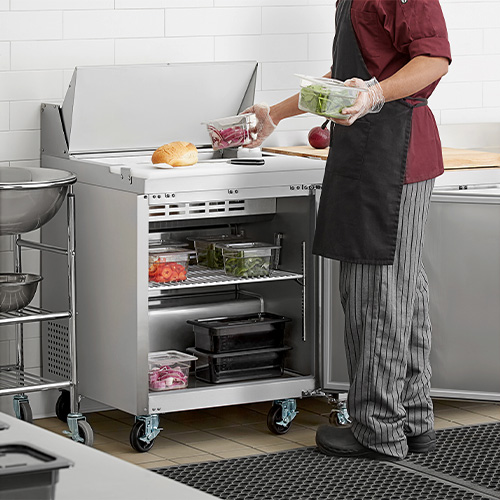
Cross-contamination spreads germs from one surface to another. Avoid using the same cloth for raw meat and vegetables.
Use separate cutting boards and clean tools between tasks. This keeps bacteria from mixing on your countertops.
- Use different boards for meat and veggies
- Wash hands before and after handling food
- Clean knives and utensils after each use
- Keep raw foods away from cooked foods
Credit: www.webstaurantstore.com
Special Tips For Different Materials
Cleaning countertops after meal prep is important to keep your kitchen safe and tidy. Different materials need special care to avoid damage.
Using the right cleaning method helps protect your countertops and keeps them looking good for longer.
Granite And Marble Care
Granite and marble are natural stones that need gentle cleaning. Avoid acidic or abrasive cleaners that can harm the surface.
Use a soft cloth with warm water and mild soap. Dry the surface well to prevent water spots and stains.
- Do not use vinegar, lemon, or bleach on these stones.
- Apply a stone sealer every few months to protect the surface.
- Wipe spills quickly to avoid staining.
Laminate And Wood Surfaces
Laminate is easy to clean but can scratch easily. Use mild cleaners and soft cloths to avoid damage.
Wood countertops need extra care to prevent water damage and stains. Avoid soaking them with water.
- Clean laminate with warm soapy water and a soft cloth.
- For wood, wipe with a damp cloth and dry immediately.
- Use food-safe oil to condition wood regularly.
- Never use harsh chemicals or abrasive pads on wood or laminate.
Credit: www.chowhound.com
Frequently Asked Questions
How Do I Sanitize Countertops After Meal Prep?
First, clear the surface and wash with warm, soapy water. Then, apply a disinfectant spray or solution. Let it sit for a few minutes, and wipe dry with a clean cloth. This ensures harmful bacteria are removed effectively.
What Household Products Kill Germs On Countertops?
Common products like diluted bleach, white vinegar, and hydrogen peroxide kill germs well. Always follow instructions and ensure proper ventilation when using these cleaners. Avoid mixing chemicals to prevent harmful reactions.
How Long Should Disinfectant Sit On Countertops?
Disinfectants usually need 3 to 10 minutes to work effectively. Check the product label for exact contact time. This allows the solution to kill bacteria and viruses thoroughly before wiping.
Can I Use Natural Cleaners To Sanitize Countertops?
Yes, natural cleaners like vinegar and lemon juice are effective. They kill many bacteria and are safe for most surfaces. However, they might not eliminate all pathogens, so use stronger disinfectants for thorough sanitation.
Conclusion
Sanitizing countertops after meal prep keeps your kitchen safe. Clean spills and crumbs right away. Use a good sanitizer to kill germs fast. Let the surface air dry for best results. Regular cleaning stops bacteria from spreading. Safe kitchens help prevent illness at home.
Small steps make a big difference in hygiene. Keep your family healthy with simple habits. Good cleaning protects both food and people. Remember, clean counters mean safer meals every day.