
Are you sure your fridge is keeping your food truly safe? Storing food the right way in your fridge can protect you from harmful bacteria and keep your meals fresh longer.
Imagine opening your fridge and knowing exactly where everything should go to stay safe and tasty. You’ll discover simple, practical tips that make a big difference in how you store your food. Keep reading to learn how small changes in your fridge habits can save you money, prevent waste, and protect your health.
Your next meal depends on it!
Credit: www.whirlpool.com
Organizing Your Fridge
Keeping your fridge organized helps keep food fresh longer. It also makes it easier to find what you need.
Good organization reduces food waste and keeps your kitchen clean. Here are some tips for safe food storage.
Grouping Similar Items
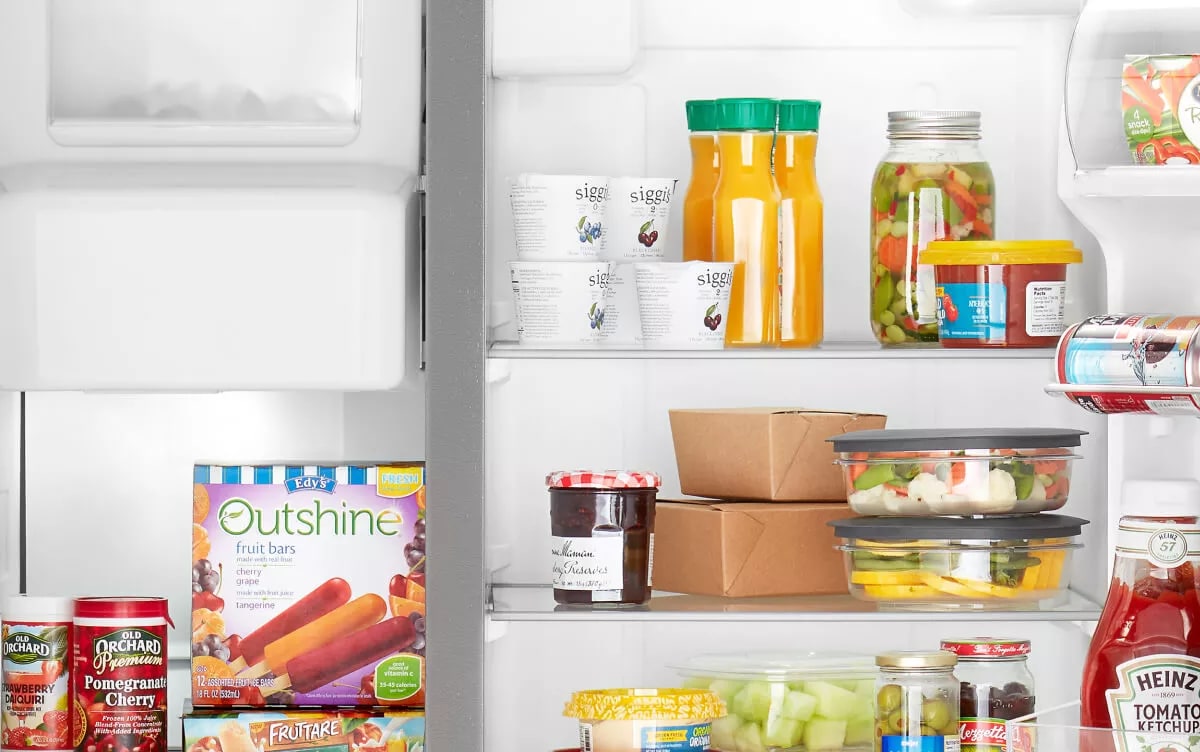
Put similar foods together in your fridge. This helps you find items quickly and keeps the fridge tidy.
Group dairy, meats, fruits, and vegetables in separate areas. This also stops smells from mixing.
- Keep dairy products on one shelf
- Store raw meat on the bottom shelf
- Place fruits and vegetables in the crisper drawers
- Put sauces and condiments in the door compartments
Using Clear Containers
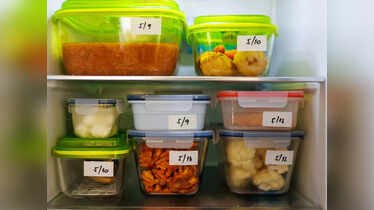
Use clear containers to store leftovers and cut items. Clear containers show what is inside without opening.
This reduces the chance of forgetting food and helps keep your fridge neat. Choose airtight containers to keep food fresh.
- Choose stackable clear containers to save space
- Use containers that seal tightly to prevent spills
- Keep fruits and vegetables in clear produce bins
Labeling And Dating
Label containers with the contents and date stored. This helps you use food before it goes bad.
Use a permanent marker or stickers to write on containers. Check dates regularly and throw out old food.
- Write the name of the food clearly
- Add the date when you stored the food
- Remove or replace labels when you reuse containers
Temperature Settings
Keeping your food safe in the fridge is important. The right temperature helps in preserving food quality and safety.
Set your fridge to the correct temperature to avoid spoilage. This keeps food fresh and prevents bacteria growth.
Ideal Fridge Temperature
The ideal temperature for your fridge is between 35°F and 38°F. This range keeps your food from freezing or spoiling.
Maintaining this temperature helps preserve the taste and nutrients in your food. It also stops harmful bacteria from growing.
Using A Thermometer
A fridge thermometer is a useful tool. It helps you check and maintain the right temperature.
Place the thermometer in the center of your fridge. Check it regularly to ensure the temperature stays within the safe range.
- Buy a reliable fridge thermometer
- Place it in a visible spot
- Check the temperature weekly
Proper Food Placement
Keeping food safe in the fridge means placing items in the right spots. Proper placement stops germs from spreading.
Organizing food well keeps it fresh and helps you avoid wasting food.
Storing Raw Meat Safely
Put raw meat on the bottom shelf of the fridge. This prevents juices from dripping on other foods.
Keep raw meat in a sealed container or plastic wrap to stop bacteria from spreading.
- Use a tray or plate under meat packages
- Keep meat away from ready-to-eat foods
- Check fridge temperature stays below 40°F (4°C)
Keeping Dairy Fresh
Store dairy products like milk, cheese, and yogurt in the coldest part of the fridge. Usually, this is the middle or back shelves.
Keep dairy sealed tightly to avoid absorbing other fridge smells and to stop bacteria growth.
- Do not keep dairy in fridge door
- Use original containers or airtight boxes
- Check expiration dates regularly
Placing Fruits And Vegetables
Store fruits and vegetables in separate drawers. This helps them last longer and keeps flavors from mixing.
Keep leafy greens in a damp cloth or container to stay fresh. Some fruits release gases that can spoil vegetables faster.
- Use fridge drawers for better humidity control
- Keep bananas and tomatoes outside the fridge
- Wash produce only before eating

Credit: www.delish.com
Preventing Cross-contamination
Cross-contamination happens when germs move from one food to another. It can cause food poisoning and illness.
Proper food storage in the fridge helps stop this. Keeping foods separate and clean is very important.
Separating Raw And Cooked Foods
Raw foods like meat and fish can carry harmful bacteria. Cooked foods are safe only if they do not touch raw foods.
Store raw foods below cooked foods in the fridge. This stops juices from dripping and spreading germs.
- Use sealed containers for raw meat and fish
- Place cooked foods on higher shelves
- Never store raw and cooked foods together in one container
- Label containers to avoid confusion
Cleaning Spills Immediately
Spills in the fridge can spread bacteria fast. Clean them up right away to keep food safe.
Use warm water and soap to wash spills. Dry the area well before putting food back.
- Check fridge shelves daily for spills
- Use disposable towels or clean cloths
- Clean fridge regularly to avoid buildup
Maintaining Fridge Cleanliness
Keeping your fridge clean helps prevent food spoilage and bad smells. A clean fridge also stops bacteria from spreading.
Regular cleaning makes sure your food stays fresh and safe to eat. It also keeps your fridge working well.
Regular Cleaning Routine
Set a schedule to clean your fridge every one to two weeks. Take out all food and throw away expired items.
Wipe down shelves, walls, and drawers with a damp cloth. Dry all surfaces well before putting food back.
- Remove all food items
- Discard expired or spoiled food
- Wipe shelves and drawers with cloth
- Dry surfaces completely
- Replace food in an organized way
Using Safe Cleaning Products
Use mild cleaning products that are safe for food areas. Avoid harsh chemicals that can leave harmful residue.
Natural cleaners like vinegar and baking soda clean well and are safe. Rinse surfaces after cleaning to remove smells.
- Mild dish soap with warm water
- White vinegar diluted with water
- Baking soda paste for tough stains
- Avoid bleach or strong chemicals
- Rinse and dry after cleaning
Handling Leftovers
Storing leftovers safely helps prevent food poisoning. It also keeps food fresh longer.
Follow simple rules to cool, store, and reheat leftovers properly.
Cooling Before Storing
Cool leftovers quickly before putting them in the fridge. Hot food can raise the fridge temperature.
Divide large portions into small containers. This helps food cool faster and safely.
- Do not leave food out more than two hours
- Use shallow containers for faster cooling
- Stir food occasionally to release heat
Proper Storage Containers
Use clean, airtight containers to keep leftovers fresh. This stops moisture and odors from spreading.
Glass or BPA-free plastic containers work best. Label them with the date before storing.
- Choose containers that fit the food size
- Avoid storing food in open bowls
- Seal lids tightly to prevent spills
Safe Reheating Tips
Reheat leftovers to at least 165°F (74°C) to kill bacteria. Use a food thermometer if possible.
Heat food evenly. Stir or rotate containers during reheating to avoid cold spots.
- Reheat only the portion you will eat
- Do not reheat food more than once
- Check that food is steaming hot all over
Avoiding Common Mistakes
Storing food safely in your fridge helps keep it fresh and stops germs from growing. Many people make simple mistakes that can spoil food faster.
Here are two common mistakes to avoid for safer food storage and less waste.
Overpacking The Fridge
Filling your fridge too full blocks air circulation. Cold air must flow to keep all food cold and safe.
When the fridge is crowded, some areas stay warm. This can cause food to spoil faster and lead to bacteria growth.
- Leave space between items for air to move
- Do not stack too many items on top of each other
- Organize food so cold air reaches every spot
- Remove old or unused items regularly
Ignoring Expiry Dates
Expiry dates show when food is safe to eat. Ignoring them risks eating spoiled food that can cause illness.
Check dates before buying and before using food. Use items with the closest expiry dates first to reduce waste.
- Label leftovers with the date you stored them
- Throw out any food past its expiry date
- Keep expiry dates visible when storing food
- Plan meals around food that expires soon

Credit: veggiesandvirtue.com
Frequently Asked Questions
How Long Can Cooked Food Stay In The Fridge?
Cooked food can safely stay in the fridge for 3 to 4 days. Always store it in airtight containers. Label leftovers with dates to track freshness. Discard food if it smells off or shows mold. Proper storage prevents foodborne illnesses.
What’s The Best Fridge Temperature For Food Safety?
The ideal fridge temperature is at or below 40°F (4°C). This slows bacterial growth and keeps food fresh longer. Use a fridge thermometer to monitor temperature. Avoid frequent door openings to maintain consistent coldness. Proper temperature ensures food safety.
How Should Raw Meat Be Stored In The Fridge?
Store raw meat on the lowest shelf to prevent drips. Keep it in sealed containers or plastic bags. This avoids cross-contamination with ready-to-eat foods. Use raw meat within 1 to 2 days. Always wash hands after handling raw meat.
Can I Freeze Leftovers Instead Of Refrigerating?
Yes, freezing leftovers extends their shelf life significantly. Freeze within 2 hours of cooking for safety. Use airtight, freezer-safe containers or bags. Label with dates to track storage time. Most leftovers last 2 to 6 months in the freezer.
Conclusion
Safe food storage keeps your meals fresh and reduces waste. Organize your fridge by food type and use airtight containers. Keep raw meat separate to avoid germs spreading. Check expiration dates and clean your fridge often. Cool leftovers quickly before storing them.
These small steps protect your health and save money. A tidy fridge makes cooking easier and safer. Practice these tips daily for better food safety at home.