
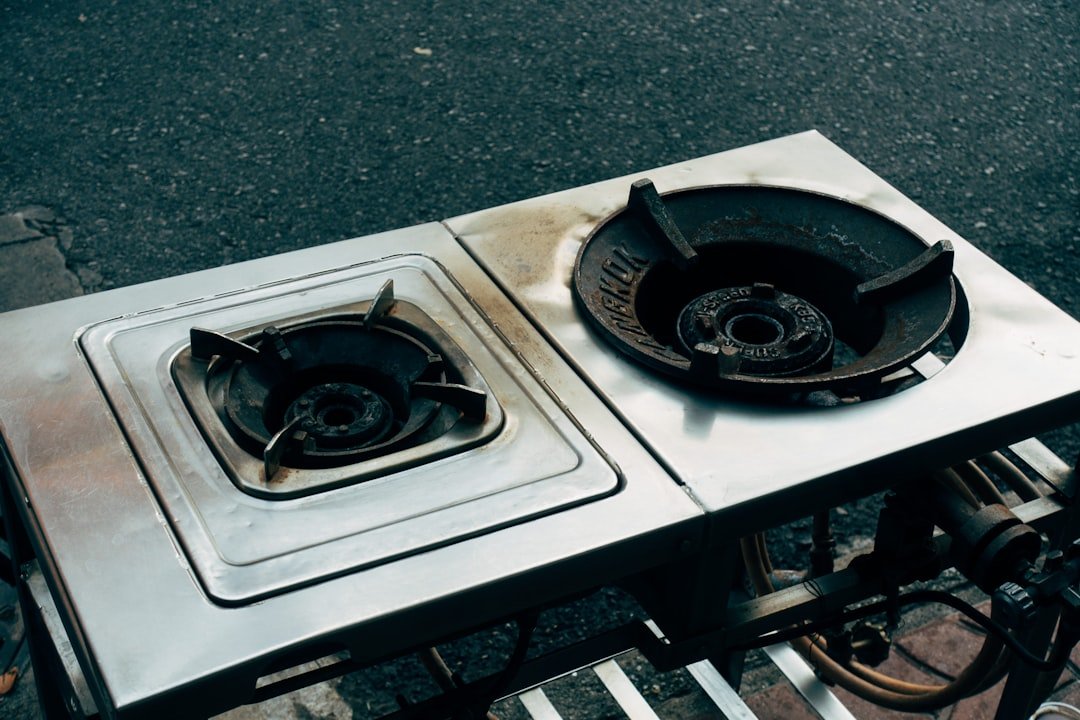
Keeping your stove clean is easier than you think—and it makes a big difference in your kitchen’s look and safety. If you’ve ever struggled with stubborn stains or greasy controls, you’re not alone.
But what if you could quickly restore your stove’s shine without harsh chemicals or hours of scrubbing? In this guide, you’ll discover simple, effective steps to clean your stove surfaces and controls so they look like new. Ready to make your kitchen sparkle and enjoy cooking on a spotless stove?
Let’s dive in.
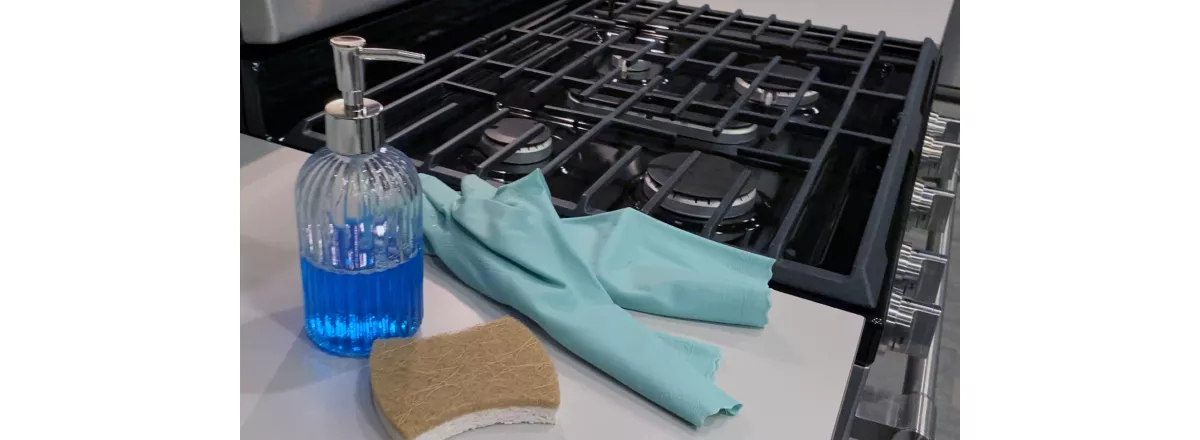
Credit: www.maytag.ca
Types Of Stove Surfaces
Cleaning stove surfaces is important to keep your kitchen neat. Different stoves need different cleaning methods. Knowing your stove type helps you clean it right.
Let’s explore three common types of stove surfaces. Each type needs special care to stay clean and work well.
Gas Stoves
Gas stoves have burners that need regular cleaning. Food spills can block gas flow and cause uneven cooking. Keeping them clean ensures safety and efficiency.
- Remove grates and wash them in soapy water.
- Use a soft brush to clean burner caps and heads.
- Wipe the surface with a damp cloth.
Electric Coil Stoves
Electric coil stoves have coils that heat pots and pans. Cleaning them prevents food buildup and keeps the stove working well. Be careful not to damage the coils.
- Lift coils and wipe underneath with a damp cloth.
- Use a non-abrasive cleaner for the drip pans.
- Ensure coils are cool before cleaning them.
Glass And Ceramic Tops
Glass and ceramic tops are smooth and stylish. They need gentle cleaning to avoid scratches. Proper care keeps them shiny and functional.
- Use a soft cloth to wipe spills immediately.
- Apply a special cleaner for glass tops.
- Avoid using abrasive pads or harsh chemicals.
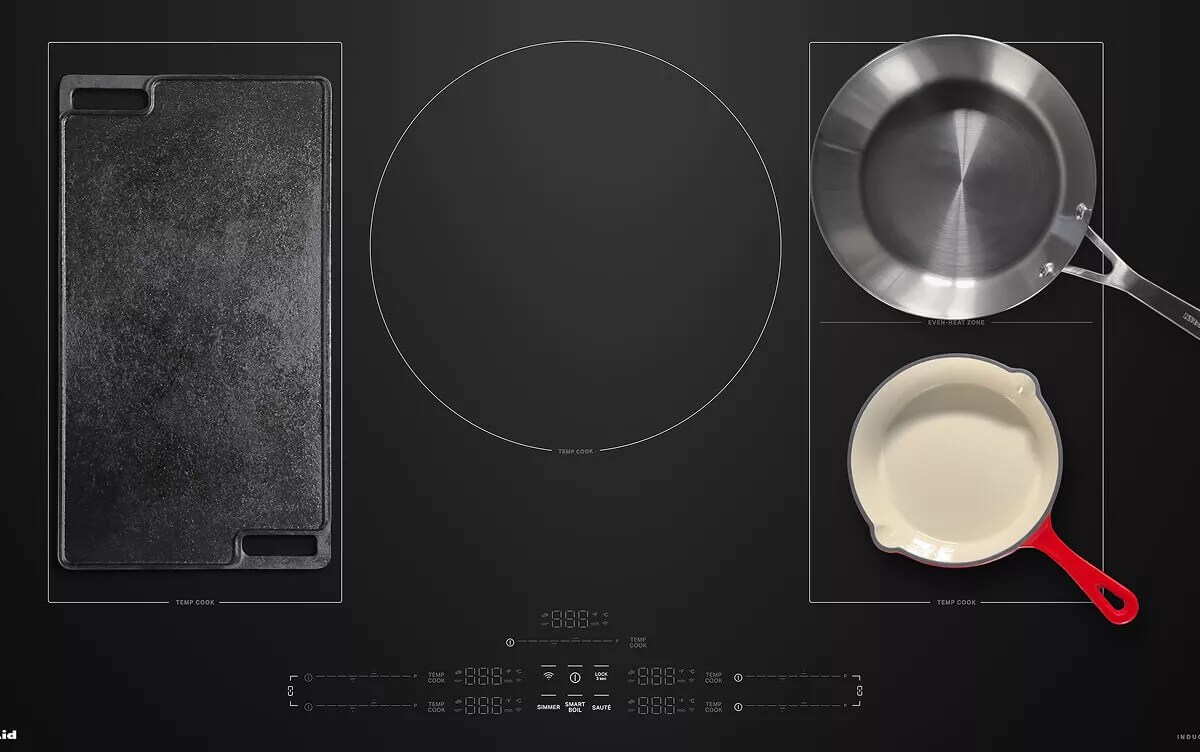
Credit: www.kitchenaid.com
Essential Cleaning Tools
Cleaning stove surfaces and controls needs the right tools. These tools help remove dirt and grease safely.
Using good cleaning items protects your stove and makes cleaning easier.
Safe Cleaners And Solutions
Choose cleaners that do not harm your stove’s surface. Avoid harsh chemicals that can scratch or damage.
Use mild soaps, vinegar, or baking soda mixes. These clean well and keep surfaces safe.
- Mild dish soap mixed with warm water
- White vinegar diluted with water
- Baking soda paste for tough stains
- Special stove-top cleaning sprays (non-abrasive)
Scrubbing Brushes And Cloths
Use soft cloths and brushes to clean. Hard brushes can scratch stove surfaces.
Microfiber cloths and soft-bristled brushes work best. They remove grease without damage.
- Microfiber cloths for wiping and polishing
- Soft-bristle brushes for crevices and knobs
- Non-scratch sponges for tough spots
- Old toothbrushes to clean small parts
Protective Gear
Wear gloves to protect your hands from cleaners and dirt. Some cleaners can irritate skin.
Use goggles if you use sprays that might splash. Keep your eyes safe while cleaning.
- Rubber gloves to protect skin
- Safety goggles for eye protection
- Old clothes or apron to avoid stains
Preparing The Stove
Cleaning your stove starts with proper preparation. Getting the stove ready makes cleaning safer and easier.
This guide covers how to prepare your stove before cleaning its surfaces and controls.
Turning Off And Cooling Down
Always turn off all burners and the oven before cleaning. This prevents accidents and burns.
Let the stove cool completely. Cleaning a hot stove can cause injury and damage cleaning tools.
Removing Grates And Burner Caps
Remove the grates and burner caps carefully. This gives you access to all parts that need cleaning.
Place these parts in a safe spot to avoid damage or losing them during cleaning.
Clearing Loose Debris
Wipe away crumbs and loose dirt from the stove surface. This makes deep cleaning easier.
- Use a dry cloth or a soft brush to remove debris.
- Check around burner openings for stuck food particles.
- Dispose of debris properly to keep your kitchen clean.
Cleaning Gas Stove Surfaces
Keeping your gas stove clean helps it work well and look nice. Dirt and grease build up from cooking. Regular cleaning stops damage and smells.
This guide shows how to clean gas stove surfaces safely and easily. It covers grates, burners, surfaces, and controls.
Soaking Grates And Burner Parts
Remove the grates and burner parts from the stove. Soak them in warm, soapy water. This loosens stuck-on food and grease.
Let them soak for 15 to 30 minutes. Use a soft brush to scrub off any remaining dirt. Rinse with clean water and dry well.
- Use warm water and dish soap
- Soak for 15-30 minutes
- Scrub gently with a soft brush
- Rinse and dry completely
Scrubbing The Surface
Wipe the stove surface to remove loose crumbs. Use a sponge or cloth with warm soapy water. Avoid harsh cleaners that can damage the surface.
For tough spots, use a baking soda paste. Apply it, wait 10 minutes, then scrub gently. Rinse with a clean, damp cloth.
- Wipe loose crumbs first
- Use warm, soapy water and a sponge
- Apply baking soda paste for stains
- Scrub gently and rinse well
Wiping Down Controls
Turn off the stove before cleaning controls. Use a damp cloth with mild soap to wipe knobs and buttons. Avoid soaking controls with water.
Dry the controls with a soft towel. If knobs are removable, take them off and wash separately. Make sure everything is dry before putting knobs back.
- Turn off stove before cleaning
- Use damp cloth with mild soap
- Avoid water inside controls
- Remove and wash knobs if possible
- Dry thoroughly before reattaching
Cleaning Electric Coil And Glass Tops
Keeping stove surfaces clean helps your kitchen look nice and keeps cooking safe. Electric coil and glass top stoves need different cleaning steps.
This guide shows easy ways to clean coils and glass tops well. Follow these tips to remove dirt and burnt food safely.
Detaching And Cleaning Coils
Start by turning off the stove and unplugging coils. Let them cool completely before touching.
Carefully pull the coils out from the socket. Do not force or bend them.
- Mix warm water with mild dish soap.
- Use a soft cloth or sponge to wipe coils gently.
- Do not soak coils in water to avoid damage.
- Dry coils fully with a towel before reattaching.
Scraping Burnt Residue
Burnt food or spills can stick to stove surfaces. Use a plastic scraper to remove residue without scratching.
Apply a paste of baking soda and water on tough spots. Let it sit for 10 minutes, then scrape gently.
- Avoid metal tools to protect the stove surface.
- Wipe the area with a damp cloth after scraping.
- Repeat if residue remains, but be gentle.
Polishing Glass Surfaces
Glass stove tops look clean with regular polishing. Use a cleaner made for glass surfaces.
Spray the cleaner on the glass and wipe with a soft cloth. Buff in circular motions for shine.
- Use vinegar and water for a natural cleaner.
- Dry thoroughly to avoid streaks.
- Clean spills quickly to prevent stains.
Cleaning Stove Controls
Stove controls can get greasy and dirty after cooking. Cleaning them keeps your stove safe and working well.
Focus on removing, cleaning, drying, and putting back the knobs carefully to avoid damage.
Removing Knobs Safely
Turn off your stove before cleaning. Gently pull each knob straight out from the control panel.
Do not use force or twist the knobs. Check your stove manual if unsure how to remove them.
- Make sure stove is off and cool
- Grip knob firmly and pull straight out
- Avoid twisting or bending knobs
- Refer to manual for special designs
Cleaning And Drying Controls
Use a soft cloth with warm, soapy water to clean knobs and control panel. Avoid harsh chemicals.
Rinse knobs with clean water and dry them fully. Wipe the control panel dry to prevent moisture damage.
- Use mild soap and warm water
- Clean knobs and panel gently
- Rinse knobs with clean water
- Dry all parts completely before reassembling
Reassembling Knobs
Align each knob with its control stem. Push the knob straight back onto the stove until it fits snugly.
Check that each knob turns smoothly and controls the stove properly before using again.
- Match knob to correct control stem
- Push knob straight back on firmly
- Test knob movement and function
- Do not force knobs if they do not fit
Dealing With Tough Stains
Cleaning stove surfaces and controls can be tough when stains stick hard. Grease and burnt food often cause these marks.
Using the right cleaning methods helps remove stains without hurting your stove. This guide shares easy ways to clean tough spots.
Using Baking Soda And Vinegar
Baking soda and vinegar work well on grease and burnt stains. Baking soda acts as a gentle scrub, and vinegar helps break down grime.
Make a paste with baking soda and water. Spread it on the stain and let it sit for 15 minutes. Spray vinegar over the paste and watch it bubble.
- Use a soft cloth or sponge to scrub gently
- Wipe clean with a damp cloth
- Dry the surface to avoid water spots
Commercial Stain Removers
Special cleaners made for stoves can remove tough stains fast. Pick a product safe for your stove’s material.
Follow the instructions on the label. Test the cleaner on a small area first to check for any damage or discoloration.
- Spray or apply the remover on the stain
- Let it sit for the time shown on the label
- Wipe or scrub as directed
- Rinse and dry the surface
Avoiding Surface Damage
Some cleaning tools and products can scratch or harm stove surfaces. Avoid using harsh scrubbing pads or strong chemicals.
Use soft cloths or sponges and mild cleaners. Always check your stove’s manual for cleaning advice to keep it safe and shiny.
- Do not use steel wool or metal brushes
- Avoid bleach or abrasive powders
- Do not soak electronic controls in water
- Use gentle, non-abrasive products
Maintenance Tips To Prevent Build-up
Keeping your stove clean helps it last longer and work well. Dirt and grease can build up fast. Regular care stops tough stains.
Use simple steps to clean stove surfaces and controls. This keeps your kitchen safe and fresh.
Regular Wiping After Cooking
Wipe stove surfaces and controls after each use. This stops grease and food from hardening. Use a soft cloth or sponge.
Clean spills right away. This makes deep cleaning easier later. Use warm water and mild soap for best results.
- Turn off stove and let it cool first
- Use damp cloth or sponge to wipe surfaces
- Dry with a clean towel to avoid streaks
Deep Cleaning Schedule
Set a time for deep cleaning once a week or every two weeks. This removes build-up that regular wiping misses. Focus on knobs and burner areas.
Remove knobs if possible and clean them separately. Use a soft brush to reach small spaces. Rinse well and dry before putting back.
- Soak removable parts in warm soapy water
- Use baking soda paste for tough stains
- Clean under burners and around edges carefully
Avoiding Harsh Chemicals
Use gentle cleaners to protect stove surfaces and controls. Harsh chemicals can damage finishes and cause discoloration. Mild soap and water work well.
Avoid bleach, ammonia, and abrasive scrubs. Natural cleaners like vinegar or baking soda are safe options. Test any cleaner on a small area first.
- Use mild dish soap and warm water
- Try vinegar diluted with water for shine
- Make a paste with baking soda for stains
- Never use steel wool or rough scrubbers

Credit: www.reddit.com
Frequently Asked Questions
How Do I Clean Stove Surfaces Safely?
Use a gentle cleaner and a soft cloth to clean stove surfaces. Avoid abrasive materials to prevent scratches. Always unplug or turn off the stove before cleaning to ensure safety. Wipe spills immediately to prevent buildup and make cleaning easier.
What Is The Best Way To Clean Stove Controls?
Remove knobs if possible and soak them in warm, soapy water. Use a soft brush to clean hard-to-reach areas. Wipe the control panel with a damp cloth and mild detergent. Dry thoroughly before replacing knobs to avoid damage.
How Often Should I Clean My Stove Controls?
Clean stove controls weekly to prevent grease buildup and maintain hygiene. Regular cleaning ensures the controls work properly and look good. Quick wipe-downs after cooking help keep surfaces spotless and reduce tough stains.
Can I Use Vinegar To Clean Stove Surfaces?
Yes, vinegar is a natural, effective cleaner for stove surfaces. Mix equal parts vinegar and water in a spray bottle. Spray the solution, let it sit for a few minutes, then wipe with a soft cloth. Avoid vinegar on stainless steel to prevent damage.
Conclusion
Cleaning stove surfaces and controls keeps your kitchen safe and fresh. Regular cleaning stops grease and dirt from building up. Use gentle cleaners and soft cloths for best results. Always unplug or turn off the stove before cleaning. Small efforts make your stove last longer and work better.
A clean stove also helps you cook food more safely. Try to clean spills right away to avoid tough stains. Simple steps make a big difference in your kitchen’s look. Keep your stove clean, and enjoy cooking every day.